
-
Read 433
-
0
-
Part 25
Completed, First published Mar 02, 2026
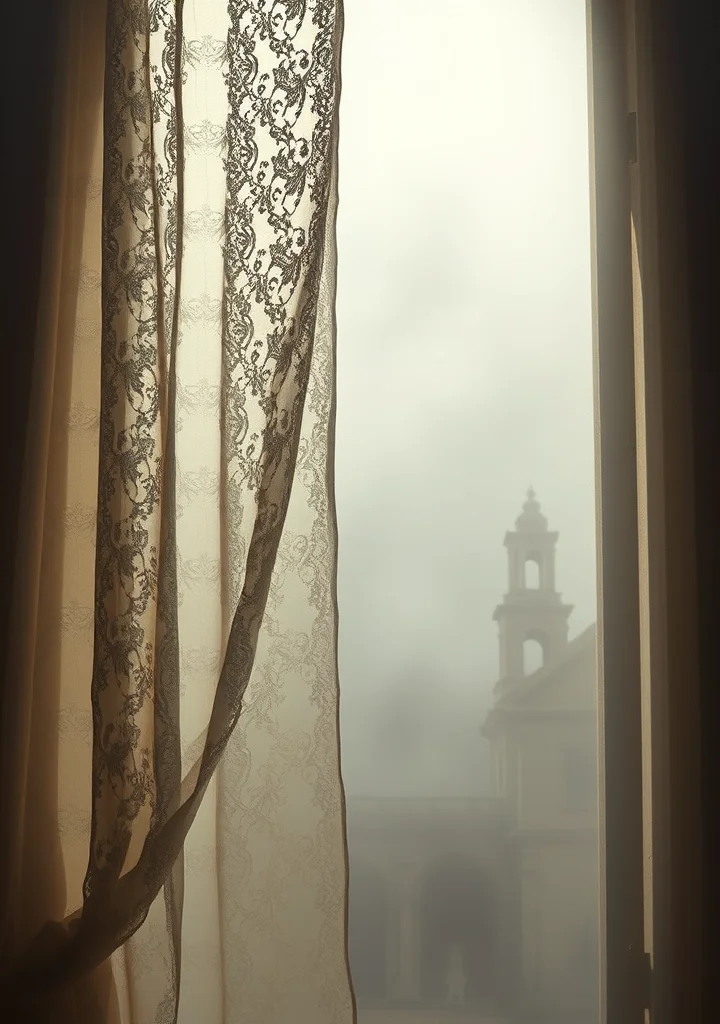
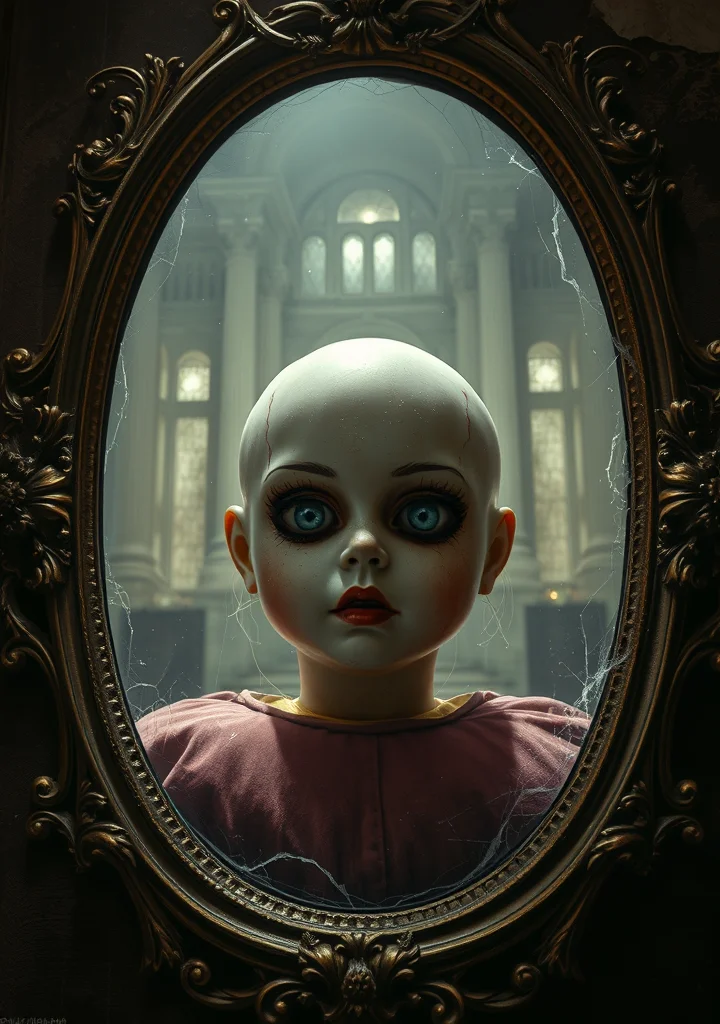
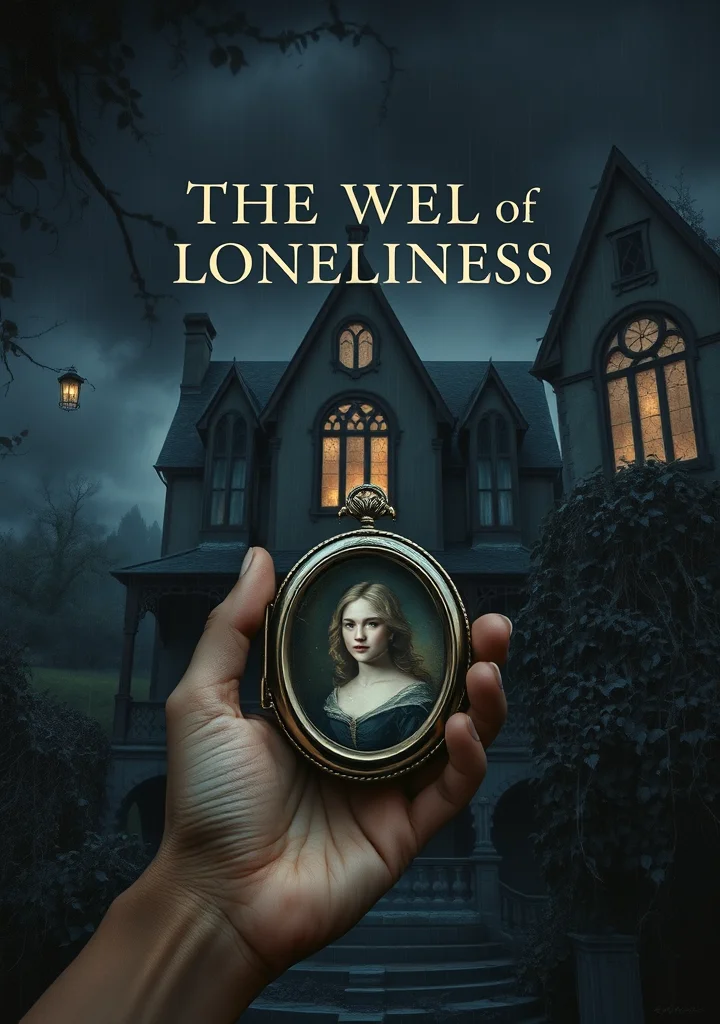
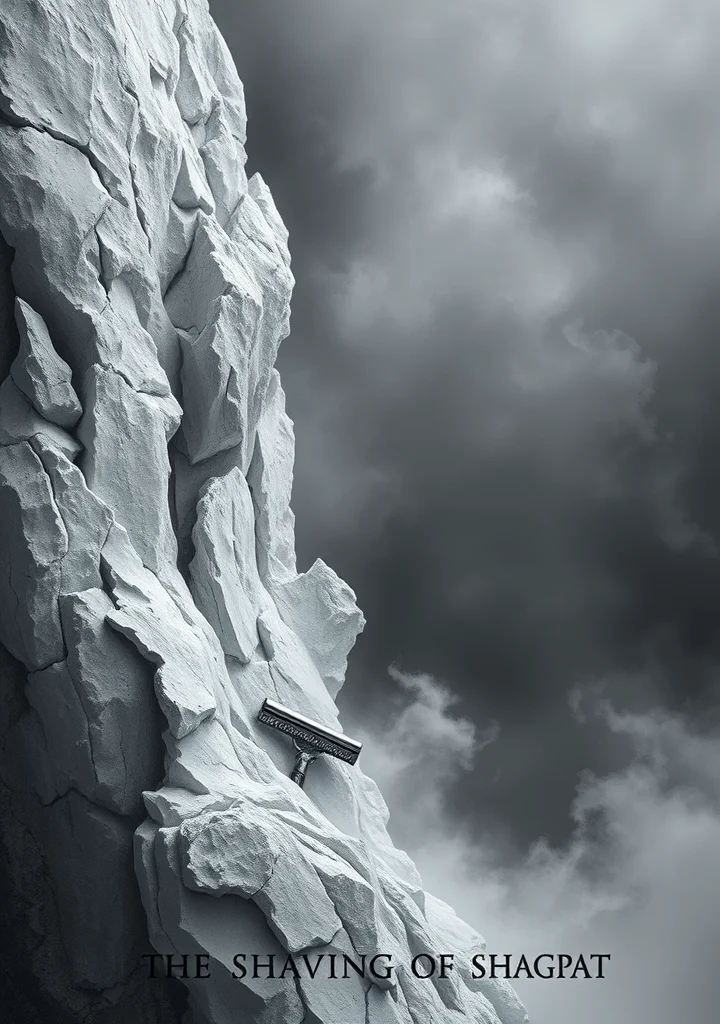
A creeping dread clings to the chalk-white cliffs of the English coast, mirrored in the fractured psyche of Shagpat. This is a novel of suffocating isolation, of a man bound by a self-imposed exile, his very identity dissolving into the sea mist that swallows his ancestral home. The narrative unfolds not as a progression, but as a slow unraveling, a descent into the labyrinthine corridors of a mind fractured by pride and the weight of inherited expectation.
The air is thick with unspoken histories, with the ghostly echoes of Shagpat’s forefathers. Every stone, every shadowed doorway breathes with the suffocating legacy of his lineage. A suffocating claustrophobia pervades the narrative, born not of physical constraint but of a spiritual paralysis. The world outside – the bustling cities, the promises of love – feels distant, unreal, accessible only through the warped lens of Shagpat’s decaying inner world.
The novel is steeped in a melancholic beauty, a slow burn of longing and regret. It is a landscape of muted colours, of perpetual twilight, where the boundaries between reality and hallucination blur. A sense of impending doom hangs heavy, not through dramatic plot twists, but through the inexorable erosion of a soul. The reader is immersed in the suffocating silence, the oppressive stillness, and the chilling realization that Shagpat’s true prison is not a place, but a state of being. It is a study in the decay of will, the slow, agonizing dissolution of a man into the very fabric of his desolate inheritance.
Copyright: Public Domain
This license allows anyone to use your story for any purpose, including printing, selling, or adapting it into a film freely.
This license allows anyone to use your story for any purpose, including printing, selling, or adapting it into a film freely.
Chapter List
-
« The Shaving of Shagpat »📖 Continue Reading
-
« The Thwackings »
-
« And This Is the Story of Bhanavar the Beautiful »
-
« The Betrothal »
-
« And This Is the Punishment of Shahpesh, the Persian, on Khipil, the Builder »
-
« The Genie Karaz »
-
« The Well of Paravid »
-
« The Horse Garraveen »
-
« The Talking Hawk »
-
« Goorelka of Oolb »
-
« The Lily of the Enchanted Sea »
-
« And This Is the Story of Noorna Bin Noorka, the Genie Karaz, and the Princess of Oolb »
-
« The Wiles of Rabesqurat »
-
« The Palace of Aklis »
-
« The Sons of Aklis »
-
« The Sword of Aklis »
-
« Koorookh »
-
« The Veiled Figure »
-
« The Bosom of Noorna »
-
« The Revival »
-
« The Plot »
-
« The Dish of Pomegranate Grain »
-
« The Burning of the Identical »
-
« The Flashes of the Blade »
-
« Conclusion »
25
-
« The Shaving of Shagpat »
-
« The Thwackings »
-
« And This Is the Story of Bhanavar the Beautiful »
-
« The Betrothal »
-
« And This Is the Punishment of Shahpesh, the Persian, on Khipil, the Builder »
-
« The Genie Karaz »
-
« The Well of Paravid »
-
« The Horse Garraveen »
-
« The Talking Hawk »
-
« Goorelka of Oolb »
-
« The Lily of the Enchanted Sea »
-
« And This Is the Story of Noorna Bin Noorka, the Genie Karaz, and the Princess of Oolb »
-
« The Wiles of Rabesqurat »
-
« The Palace of Aklis »
-
« The Sons of Aklis »
-
« The Sword of Aklis »
-
« Koorookh »
-
« The Veiled Figure »
-
« The Bosom of Noorna »
-
« The Revival »
-
« The Plot »
-
« The Dish of Pomegranate Grain »
-
« The Burning of the Identical »
-
« The Flashes of the Blade »
-
« Conclusion »
More like this