
-
Read 165
-
0
-
Part 10
Completed, First published Mar 02, 2026
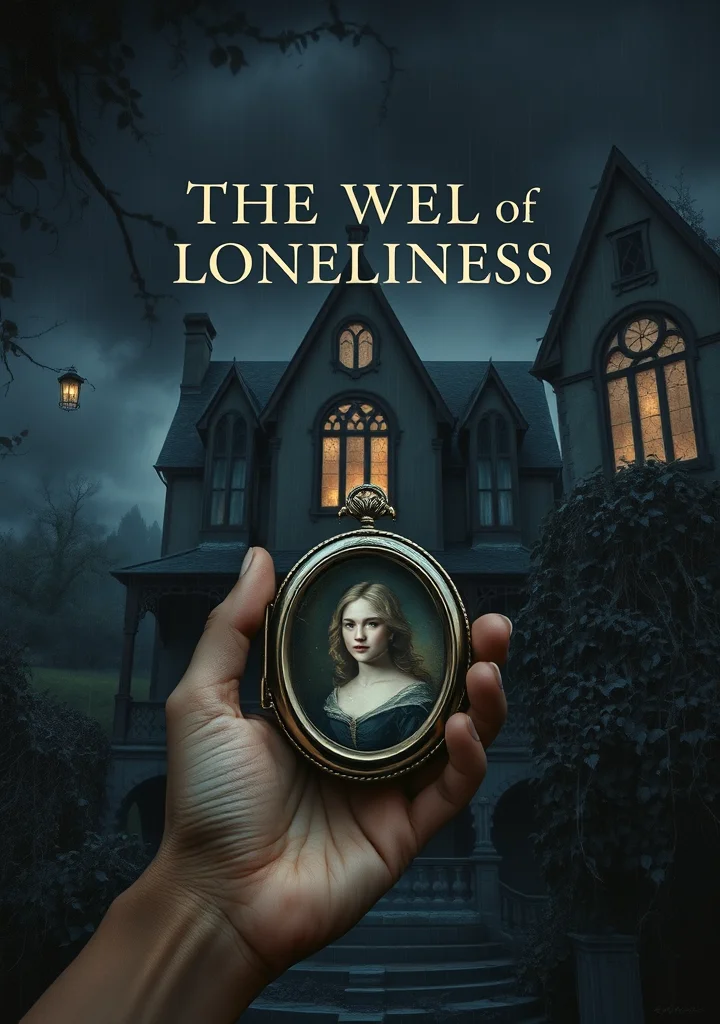
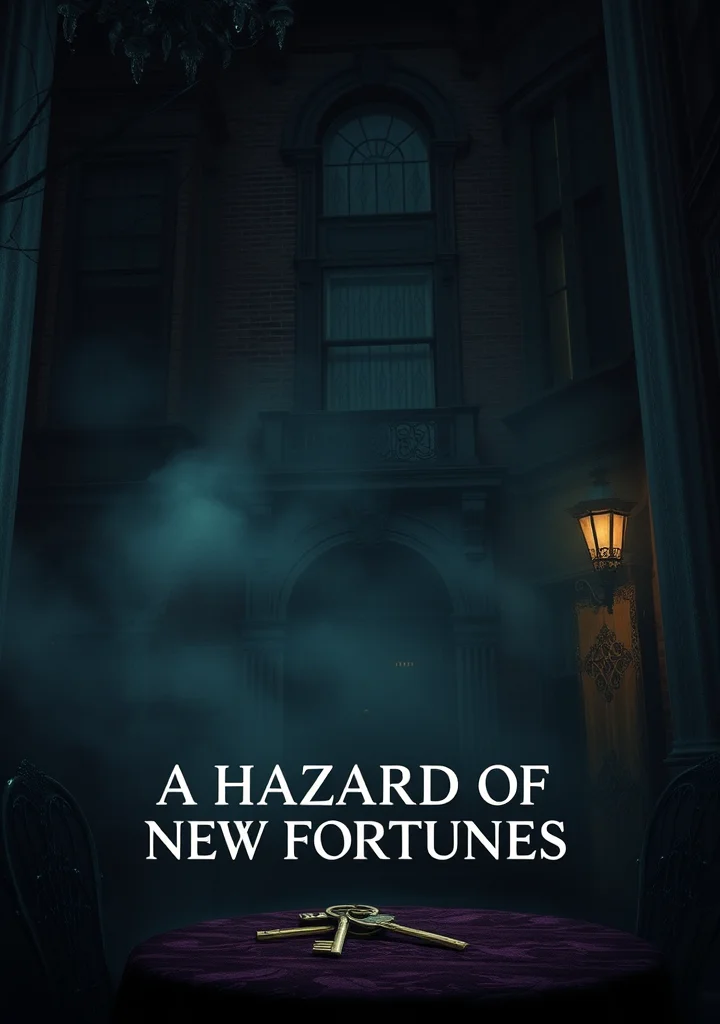
A suffocating London fog clings to the theatre district, mirroring the stifled ambitions of Fanny’s youth. Shaw’s play unfolds not as a grand spectacle, but as a creeping dread within the claustrophobic parlors of a struggling playwright. The narrative is less a story of success, and more a slow unraveling of delusion, painted in shades of gaslight and the chipped varnish of faded gentility. A desperate, grasping hunger permeates the script, manifesting as the brittle smiles of characters trading charm for survival. The air thickens with the scent of damp wool and the stale perfume of compromise. Every line of dialogue feels like a whispered bargain struck in shadows, the characters puppets dangling from strings of societal expectation. A creeping despair settles over the stage, not from dramatic tragedy, but from the quiet, suffocating realization of dreams deferred, of talent bartered for a life barely worth living. The play’s true horror lies not in what is seen, but in the suffocating weight of what is *almost* lost, and the desperation clinging to every threadbare hope. It’s a play built of echoes, of half-forgotten promises, and the ghosts of potential haunting the margins of a life half-lived.
Copyright: Public Domain
This license allows anyone to use your story for any purpose, including printing, selling, or adapting it into a film freely.
This license allows anyone to use your story for any purpose, including printing, selling, or adapting it into a film freely.
More like this