
-
Read 514
-
0
-
Part 34
Completed, First published Mar 02, 2026
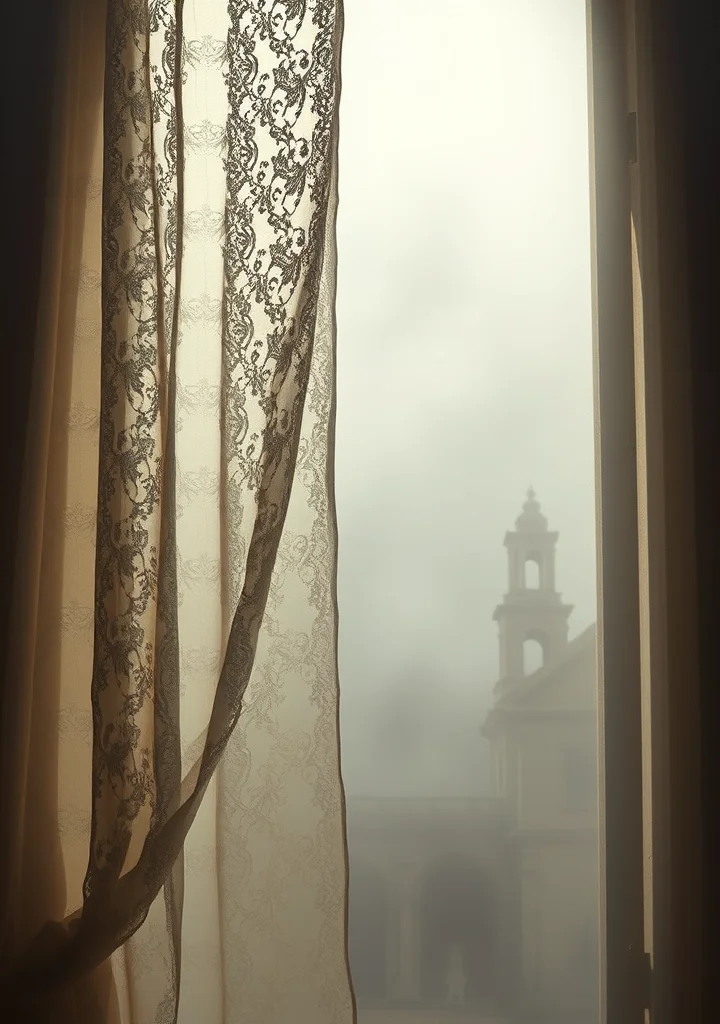
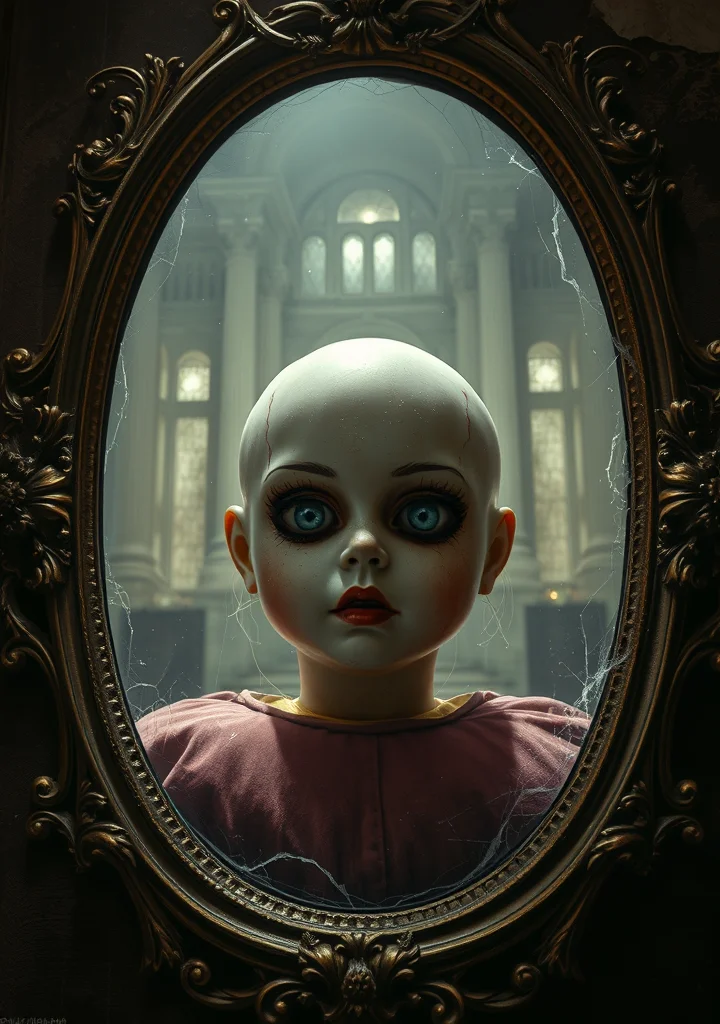
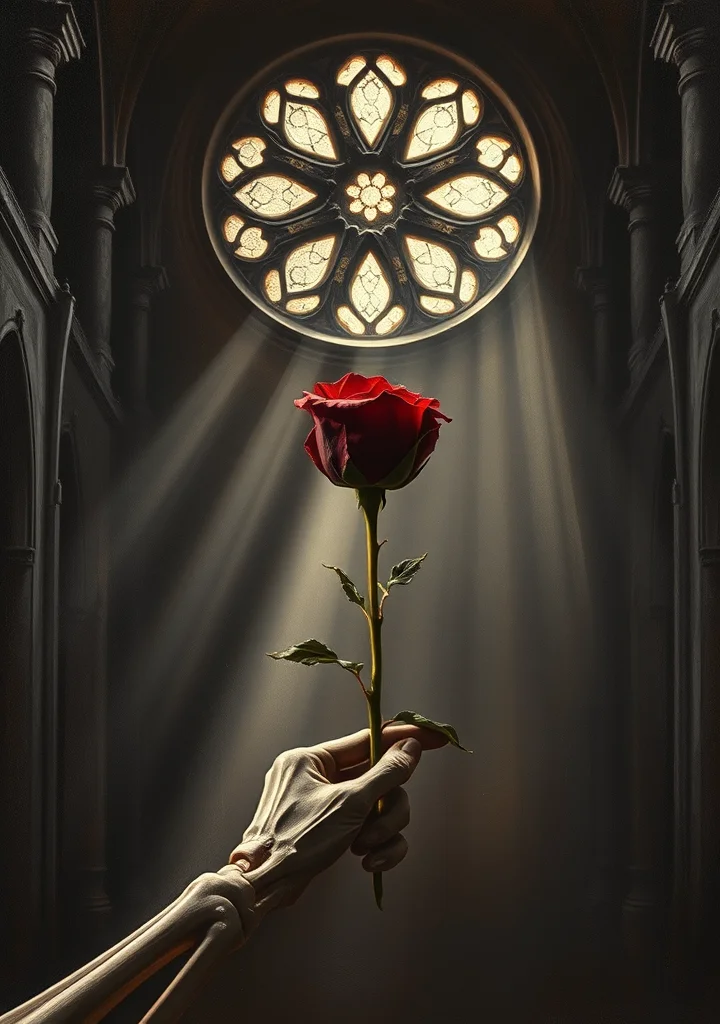
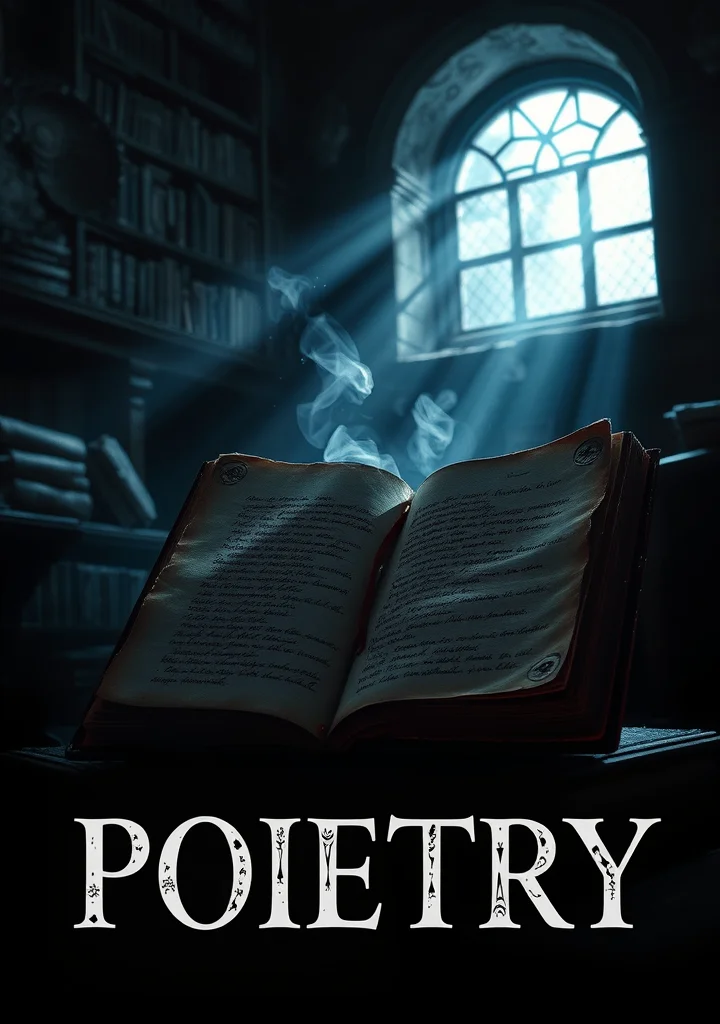
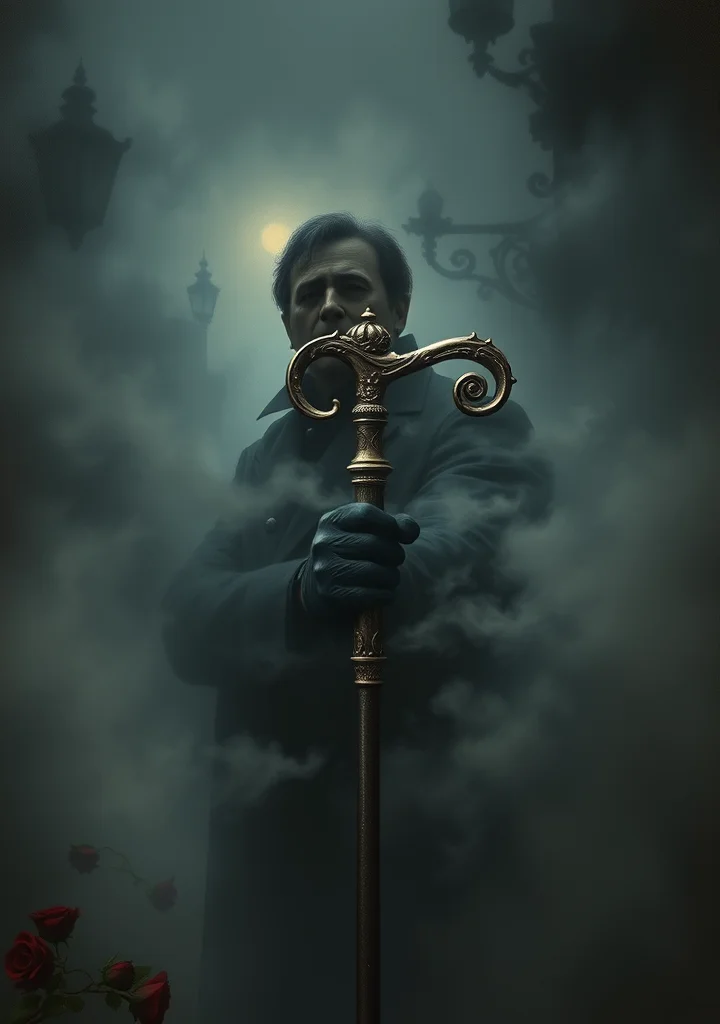
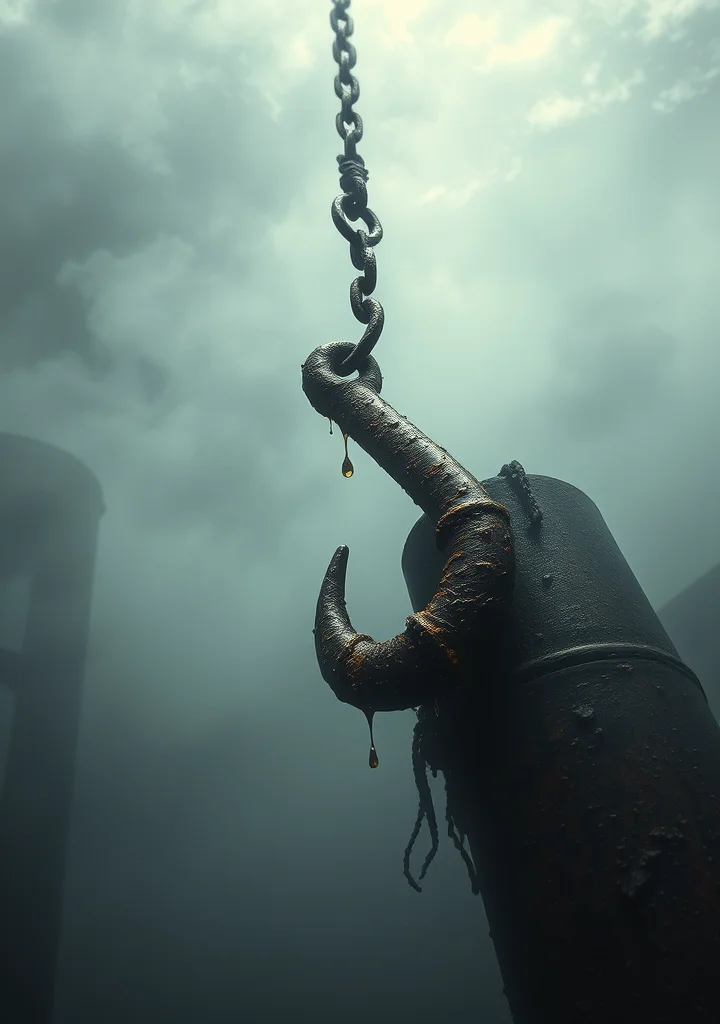
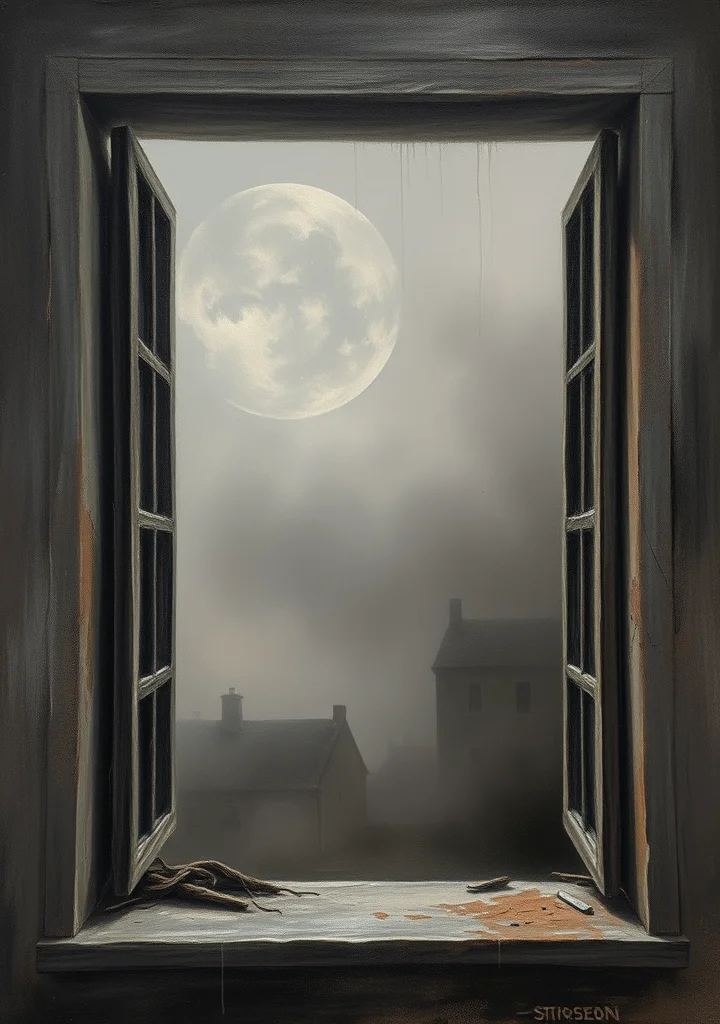
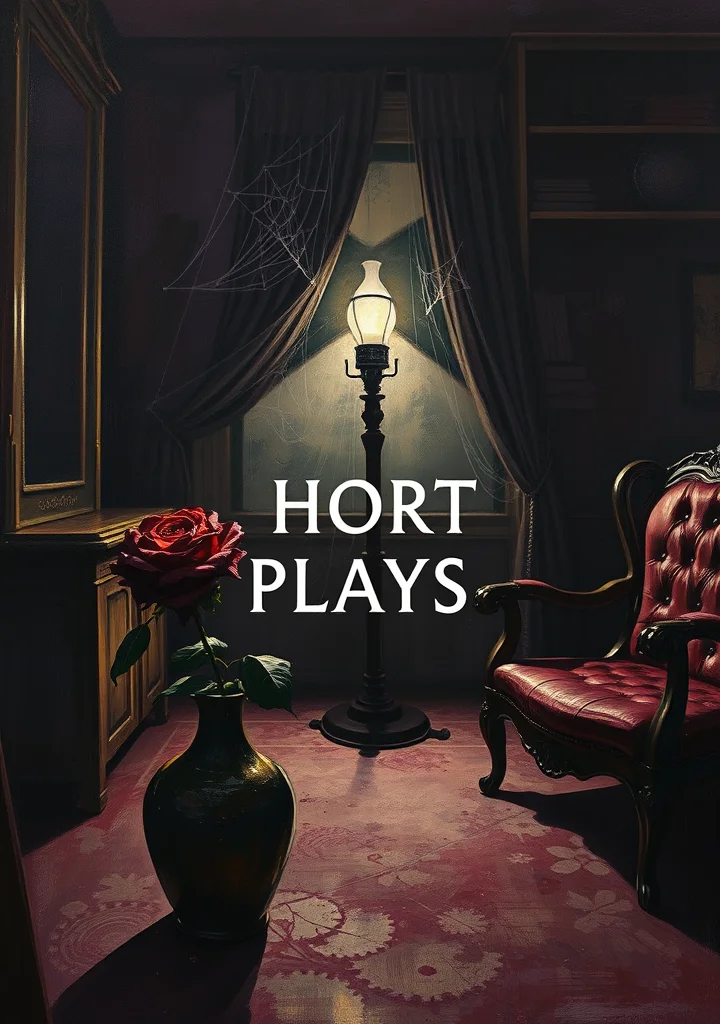
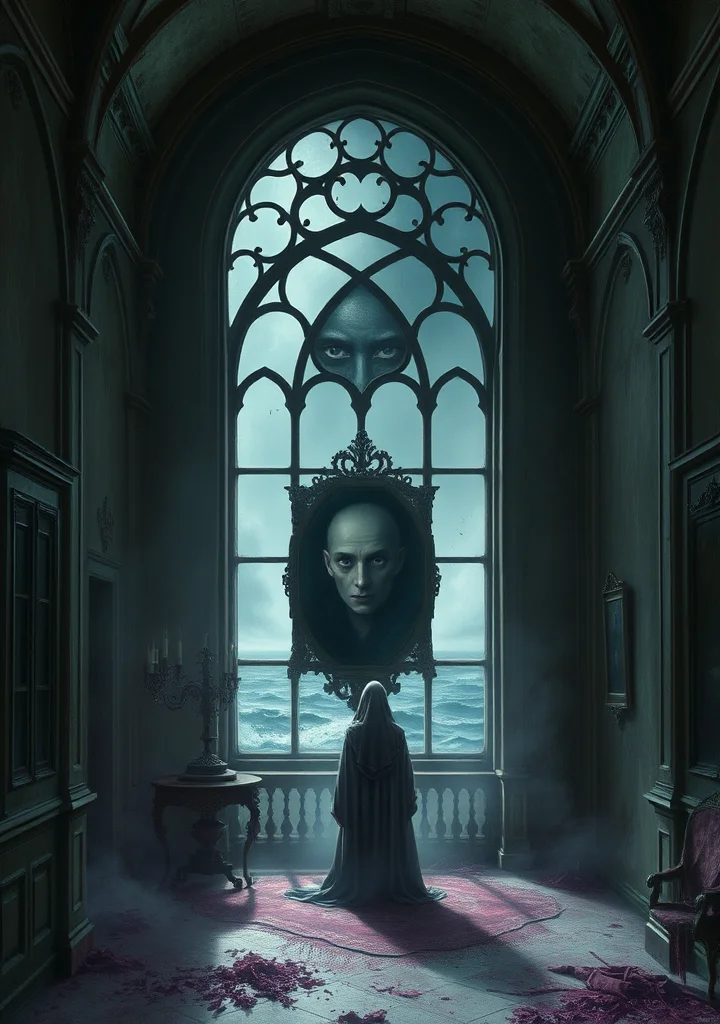
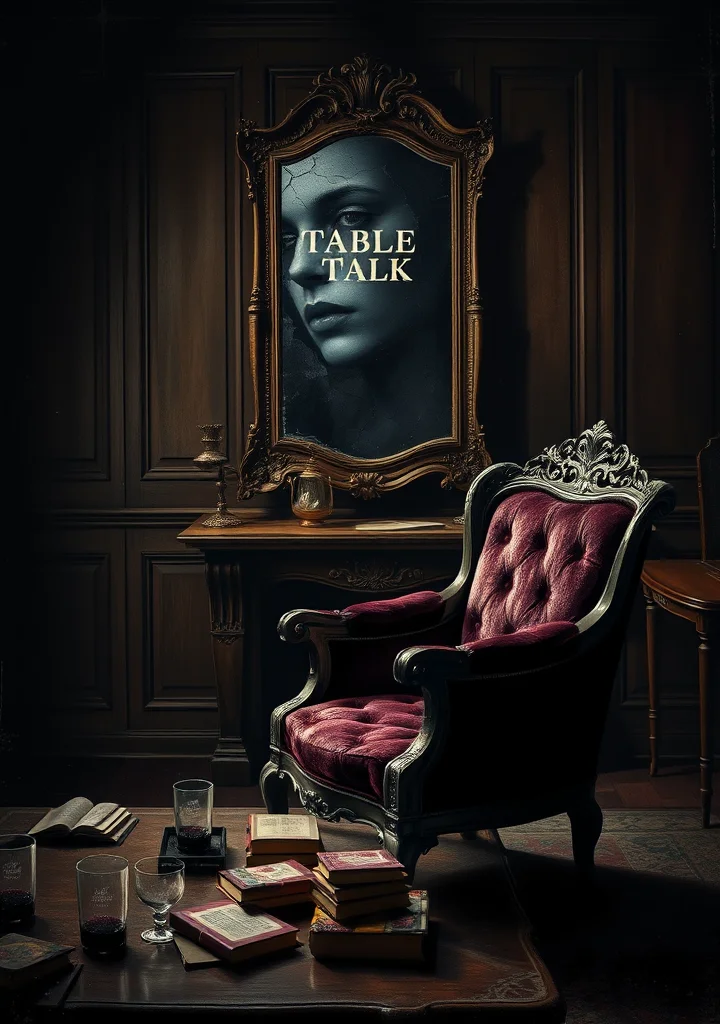
Dust motes dance in the perpetual twilight of shadowed parlors, mirroring the fractured reflections within Hazlitt’s prose. *Table-Talk* isn’t merely conversation; it is the exhumation of ghosts—not those of the dead, but of ideas, regrets, and the slow, corrosive decay of London society. Each essay, a chipped shard of a broken looking-glass, reveals a distorted portrait of the age, haunted by the specter of its own vanities. The voice is brittle, intimate, as if overheard through a crack in the wall, a feverish monologue delivered in the gloom.
There’s a pervasive chill—not of winter, but of disillusionment—that seeps into the marrow of the sentences. The author dissects, not with surgical precision, but with the casual cruelty of a man tracing the lines of a skull. He lingers over the grotesque, the absurd, the moments where public spectacle curdles into private despair. A sense of claustrophobia clings to the pages; the air thick with the scent of stale tobacco and forgotten grievances.
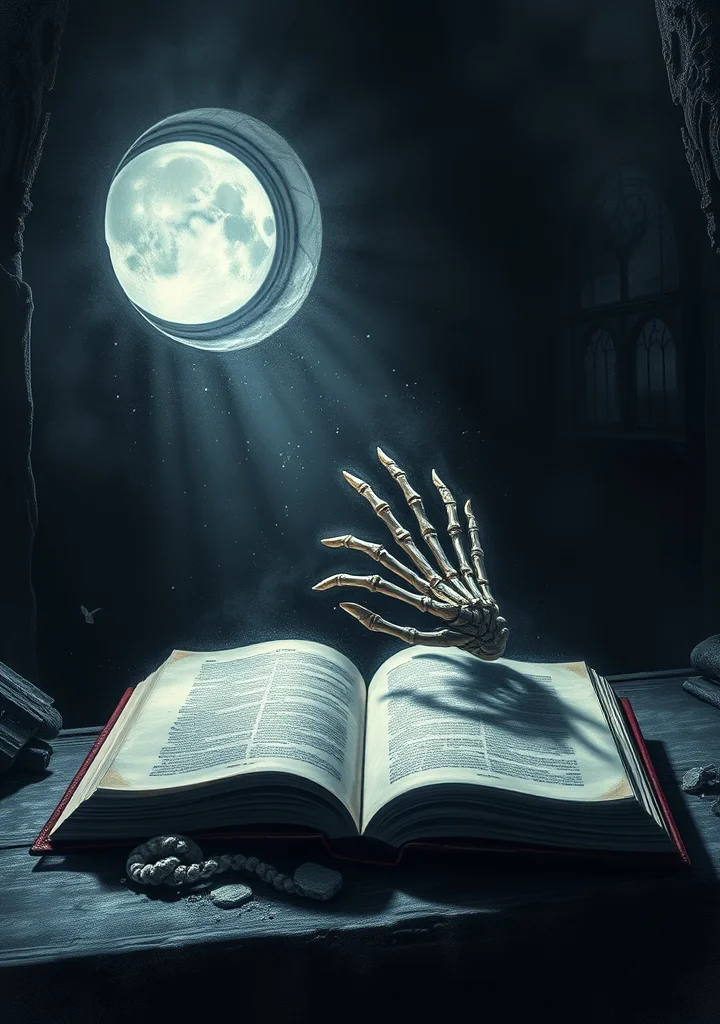
The narrative is less a journey than a slow unraveling—a descent into the labyrinth of the author’s own melancholic temperament. One feels the weight of unspoken histories, the oppressive silence of unacknowledged debts. It’s a book for those who find comfort not in illumination, but in the shadowed corners of the world, where the whispers of the past cling to the velvet curtains and the cobwebs of the mind. The final impression is one of being left alone in a decaying library, surrounded by the ghosts of conversations long since ended, and the haunting realization that every table has its own secret, and every voice, its own void.
Copyright: Public Domain
This license allows anyone to use your story for any purpose, including printing, selling, or adapting it into a film freely.
This license allows anyone to use your story for any purpose, including printing, selling, or adapting it into a film freely.
Chapter List
-
« Table-Talk »📖 Continue Reading
-
« Chapter_4 »
-
« The Same Subject Continued »
-
« On the Past and Future »
-
« On Genius and Common Sense »
-
« The Same Subject Continued »
-
« Character of Cobbett »
-
« On People with One Idea »
-
« Chapter_11 »
-
« The Indian Jugglers »
-
« Chapter_13 »
-
« On Thought and Action »
-
« On Will-Making »
-
« On Certain Inconsistencies in Sir Joshua Reynolds’s Discourses »
-
« The Same Subject Continued »
-
« On Paradox and Commonplace »
-
« On Vulgarity and Affectation »
-
« Chapter_21 »
-
« On Milton’s Sonnets »
-
« On Going a Journey »
-
« On Coffeehouse Politicians »
-
« Chapter_25 »
-
« On Criticism »
-
« Chapter_27 »
-
« On Familiar Style »
-
« On Effeminacy of Character »
-
« Why Distant Objects Please »
-
« Chapter_31 »
-
« Whether Actors Ought to Sit in the Boxes? »
-
« On the Disadvantages of Intellectual Superiority »
-
« Chapter_34 »
-
« On the Knowledge of Character »
-
« On the Picturesque and Ideal »
-
« Chapter_37 »
34
-
« Table-Talk »
-
« Chapter_4 »
-
« The Same Subject Continued »
-
« On the Past and Future »
-
« On Genius and Common Sense »
-
« The Same Subject Continued »
-
« Character of Cobbett »
-
« On People with One Idea »
-
« Chapter_11 »
-
« The Indian Jugglers »
-
« Chapter_13 »
-
« On Thought and Action »
-
« On Will-Making »
-
« On Certain Inconsistencies in Sir Joshua Reynolds’s Discourses »
-
« The Same Subject Continued »
-
« On Paradox and Commonplace »
-
« On Vulgarity and Affectation »
-
« Chapter_21 »
-
« On Milton’s Sonnets »
-
« On Going a Journey »
-
« On Coffeehouse Politicians »
-
« Chapter_25 »
-
« On Criticism »
-
« Chapter_27 »
-
« On Familiar Style »
-
« On Effeminacy of Character »
-
« Why Distant Objects Please »
-
« Chapter_31 »
-
« Whether Actors Ought to Sit in the Boxes? »
-
« On the Disadvantages of Intellectual Superiority »
-
« Chapter_34 »
-
« On the Knowledge of Character »
-
« On the Picturesque and Ideal »
-
« Chapter_37 »
More like this