
-
Read 383
-
0
-
Part 30
Completed, First published Mar 02, 2026
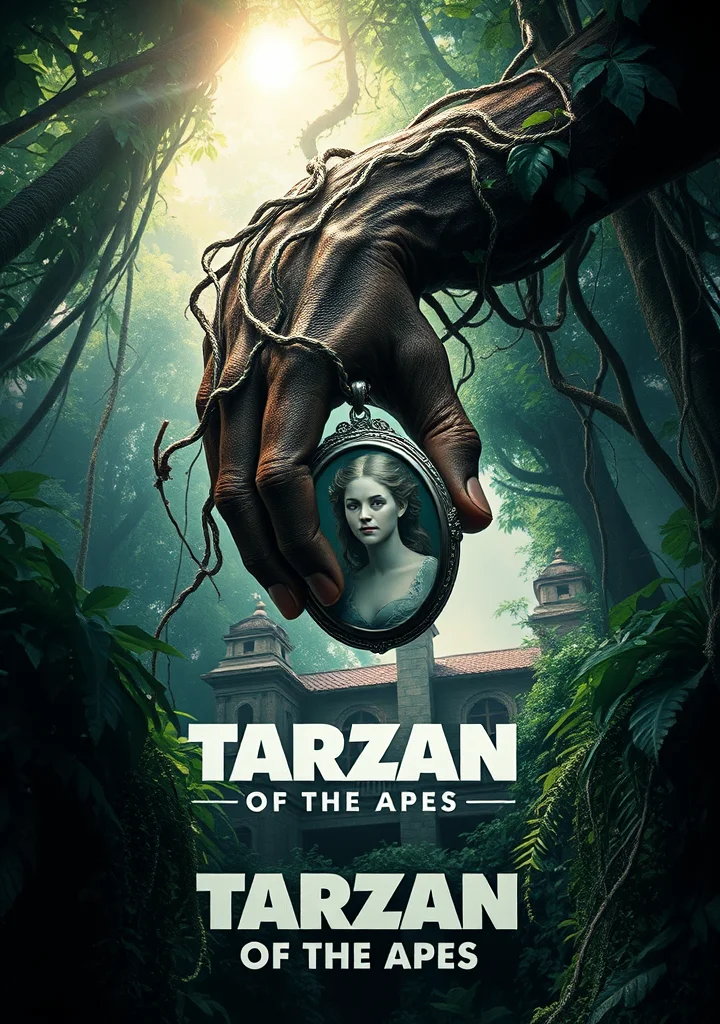
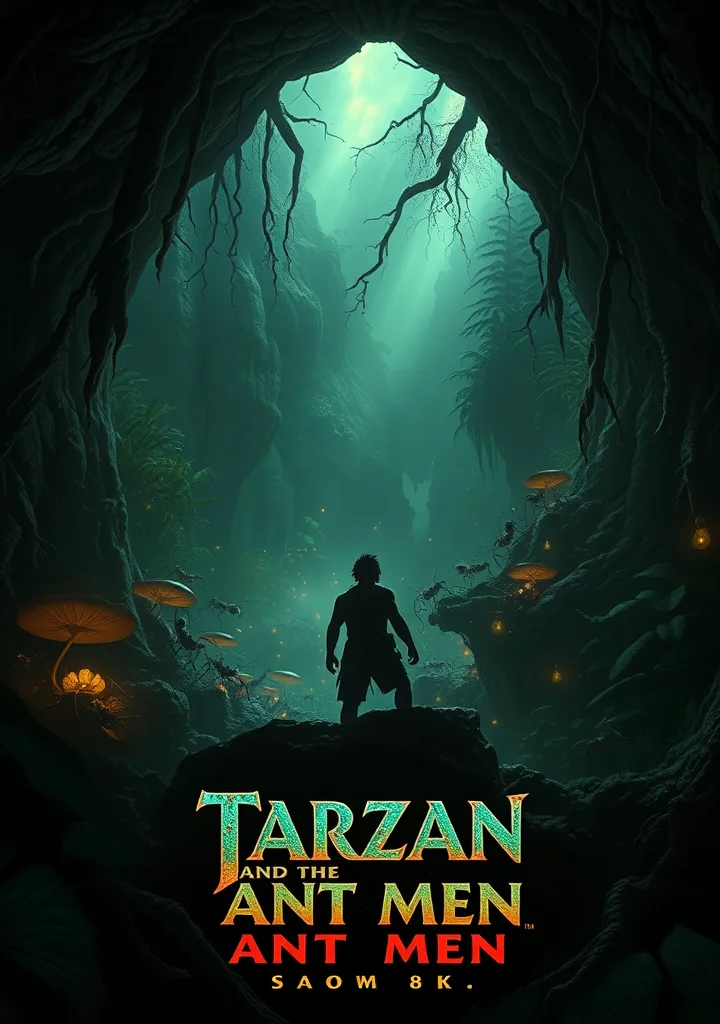
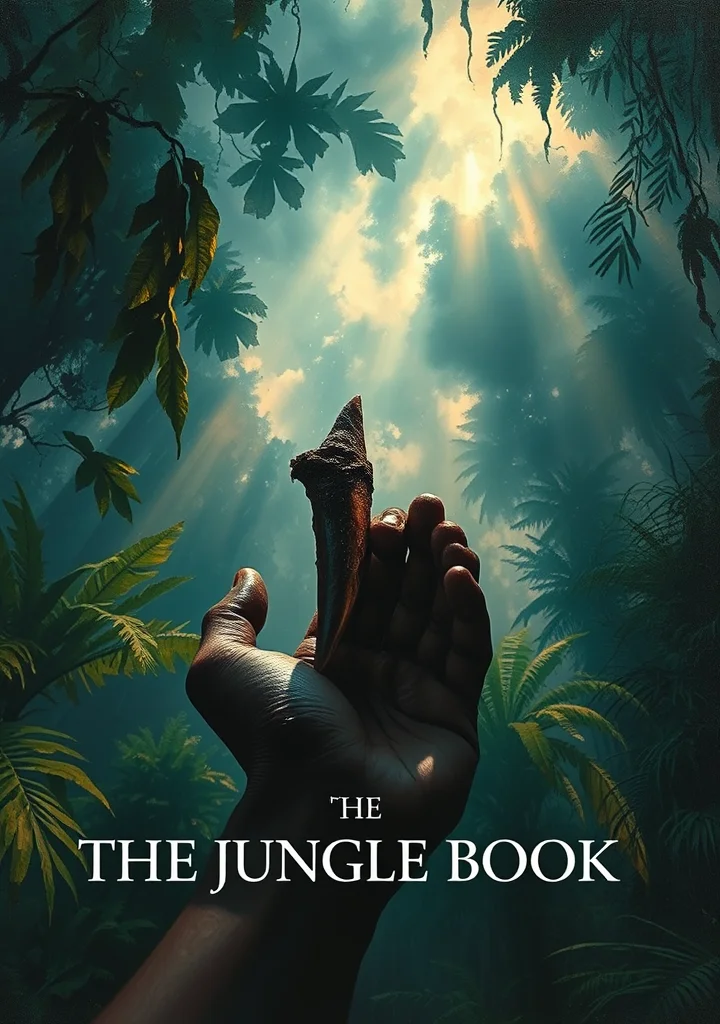
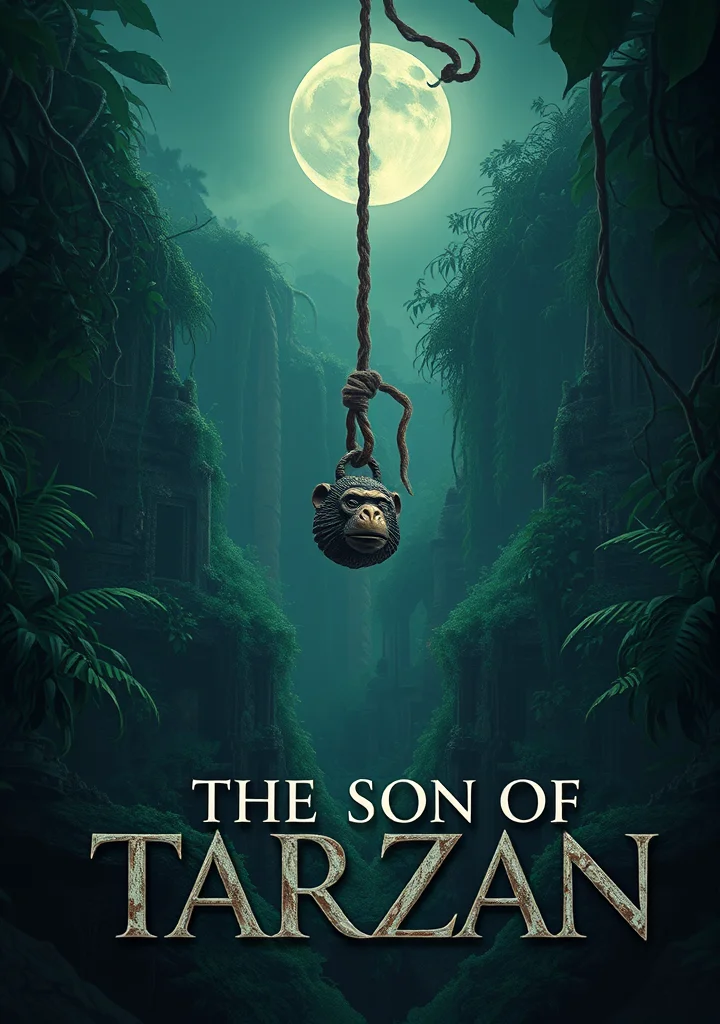
A creeping dread clings to the shadowed jungles of this continuation, less a triumphant return to Eden than a descent into a primal, echoing loneliness. The son of Tarzan, though born of wilderness and strength, finds himself haunted by a legacy of savagery he can neither fully embrace nor escape. The atmosphere is one of perpetual twilight, not merely of the jungle canopy but of the spirit—a suffocating humidity where ancient, forgotten tribes stir with envy and malice.
Burroughs weaves a narrative steeped in the decay of ambition, charting a course through landscapes riddled with poisoned arrows and the whispered curses of vengeful gods. The son’s attempts to claim his birthright are met not with dominion, but with a creeping realization: his heritage is one of perpetual conflict, a gilded cage of power built upon the bones of the fallen.
The very air vibrates with the threat of betrayal, the rustle of unseen predators mirroring the treacherous machinations of men who’ve long yearned to wrest control of Tarzan’s domain. It is a story of fractured identities, where the boundaries between civilization and the beast blur, leaving a legacy of brutal, inescapable consequence. A darkness settles upon the narrative, a sense of loss that isn’t merely of a father’s absence, but of a paradise irrevocably tarnished.
Copyright: Public Domain
This license allows anyone to use your story for any purpose, including printing, selling, or adapting it into a film freely.
This license allows anyone to use your story for any purpose, including printing, selling, or adapting it into a film freely.
Chapter List
More like this