
-
Read 440
-
0
-
Part 31
Completed, First published Mar 02, 2026
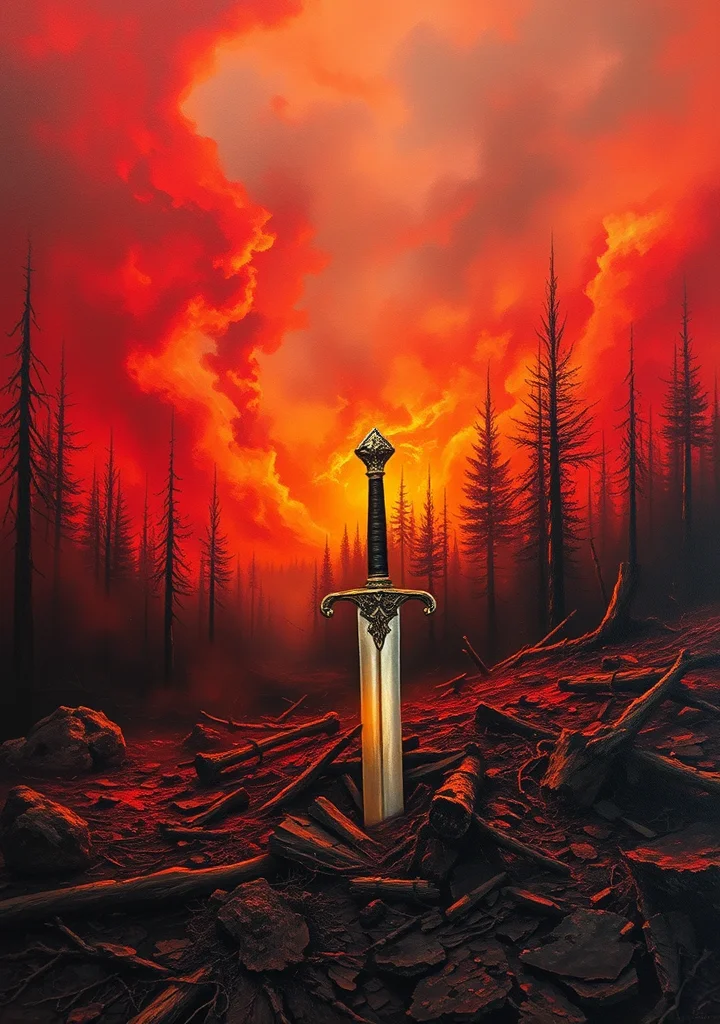
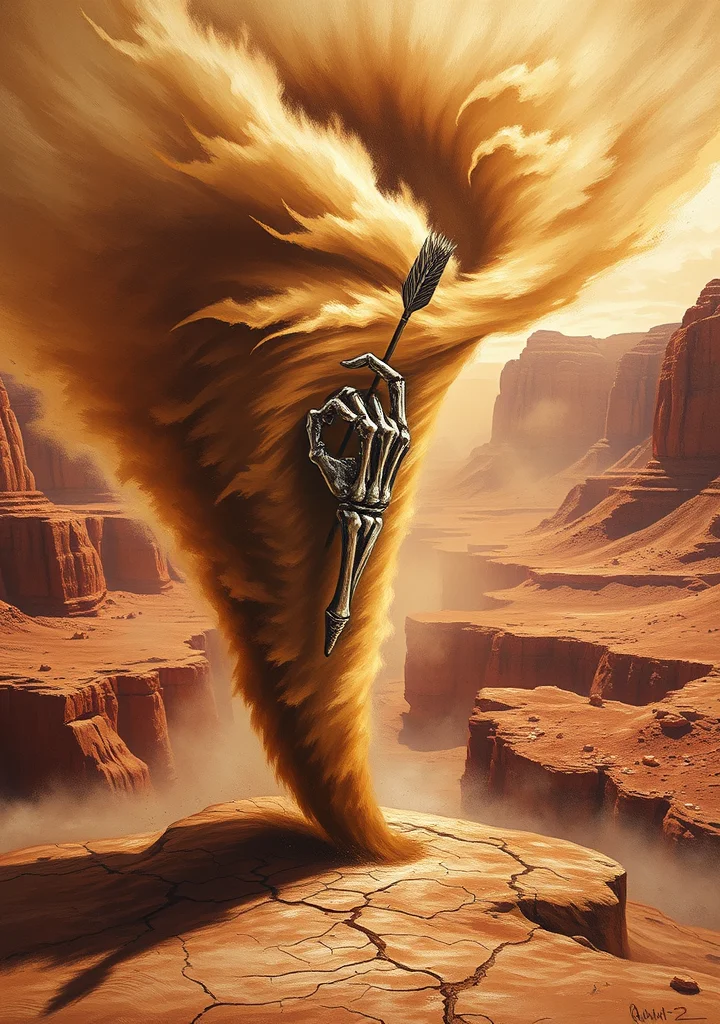
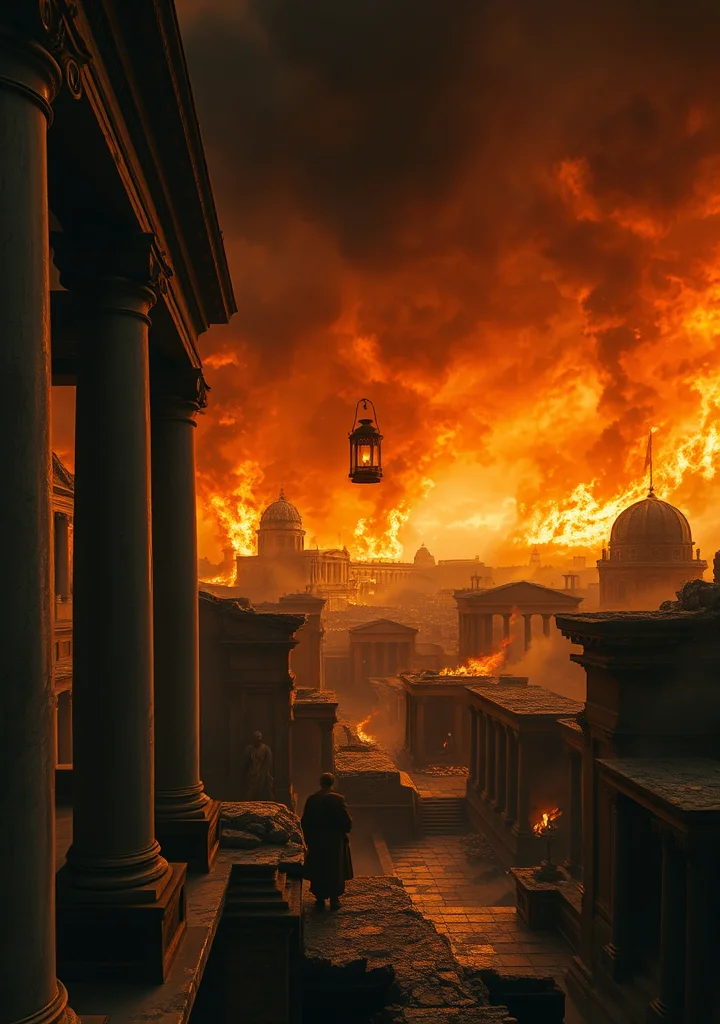
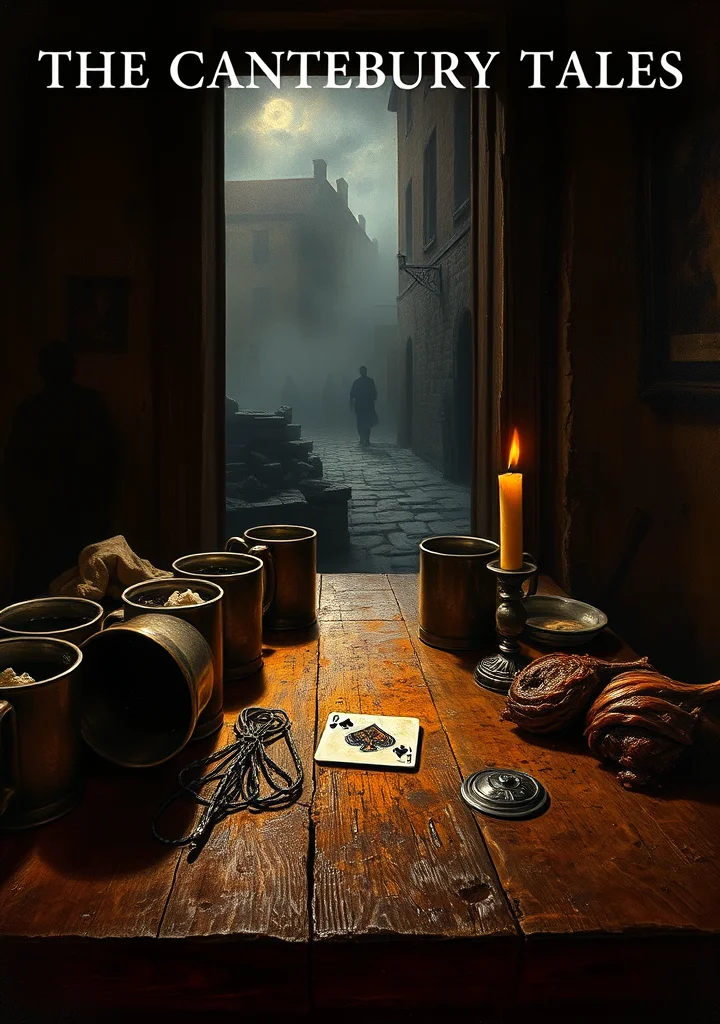
The Louisiana sun bleeds into swamp rot and the cloying sweetness of decay, mirroring the slow unraveling of a free man’s life. Northup’s narrative isn’t merely bondage, but a descent into a suffocating, verdant darkness. Each lash echoes not just on skin, but in the hollows of memory, blurring the boundaries of self. The cotton fields stretch like a graveyard of broken promises, haunted by the whispers of stolen names and the ghosts of forgotten identities. It’s a story steeped in the humid dread of the antebellum South, where hope curdles into a desperate, animal hunger for survival. The narrative chills as it reveals the casual cruelty woven into the plantation’s architecture—a bone-deep chill rising from the very earth where freedom is buried alive. The weight of chains isn’t just physical; it's the suffocating pressure of a world designed to extinguish the light within, leaving only the hollow shell of a man forced to bear witness to his own erasure. The air itself feels thick with the despair of those lost to the sugar cane's shadow. It is a story of a man slowly consumed by the darkness of a system built on shadows and silence.
Copyright: Public Domain
This license allows anyone to use your story for any purpose, including printing, selling, or adapting it into a film freely.
This license allows anyone to use your story for any purpose, including printing, selling, or adapting it into a film freely.
Chapter List
-
« Twelve Years a Slave »📖 Continue Reading
-
« Chapter_3 »
-
« Chapter_4 »
-
« Editor’s Preface »
-
« Twelve Years a Slave »
-
« Chapter_7 »
-
« Chapter_8 »
-
« Chapter_9 »
-
« Chapter_10 »
-
« Chapter_11 »
-
« Chapter_12 »
-
« Chapter_13 »
-
« Chapter_14 »
-
« Chapter_15 »
-
« Chapter_16 »
-
« Chapter_17 »
-
« Chapter_18 »
-
« Chapter_19 »
-
« Chapter_20 »
-
« Chapter_21 »
-
« Chapter_22 »
-
« Chapter_23 »
-
« Chapter_24 »
-
« Chapter_25 »
-
« Chapter_26 »
-
« Chapter_27 »
-
« Chapter_28 »
-
« Appendix »
-
« A »
-
« B »
-
« C »
31
-
« Twelve Years a Slave »
-
« Chapter_3 »
-
« Chapter_4 »
-
« Editor’s Preface »
-
« Twelve Years a Slave »
-
« Chapter_7 »
-
« Chapter_8 »
-
« Chapter_9 »
-
« Chapter_10 »
-
« Chapter_11 »
-
« Chapter_12 »
-
« Chapter_13 »
-
« Chapter_14 »
-
« Chapter_15 »
-
« Chapter_16 »
-
« Chapter_17 »
-
« Chapter_18 »
-
« Chapter_19 »
-
« Chapter_20 »
-
« Chapter_21 »
-
« Chapter_22 »
-
« Chapter_23 »
-
« Chapter_24 »
-
« Chapter_25 »
-
« Chapter_26 »
-
« Chapter_27 »
-
« Chapter_28 »
-
« Appendix »
-
« A »
-
« B »
-
« C »
More like this