
The Mercy of Allah
  • 101
  • 0
  • 17
  • Reads 101
  • 0
  • Part 17
Completed, First published Mar 02, 2026

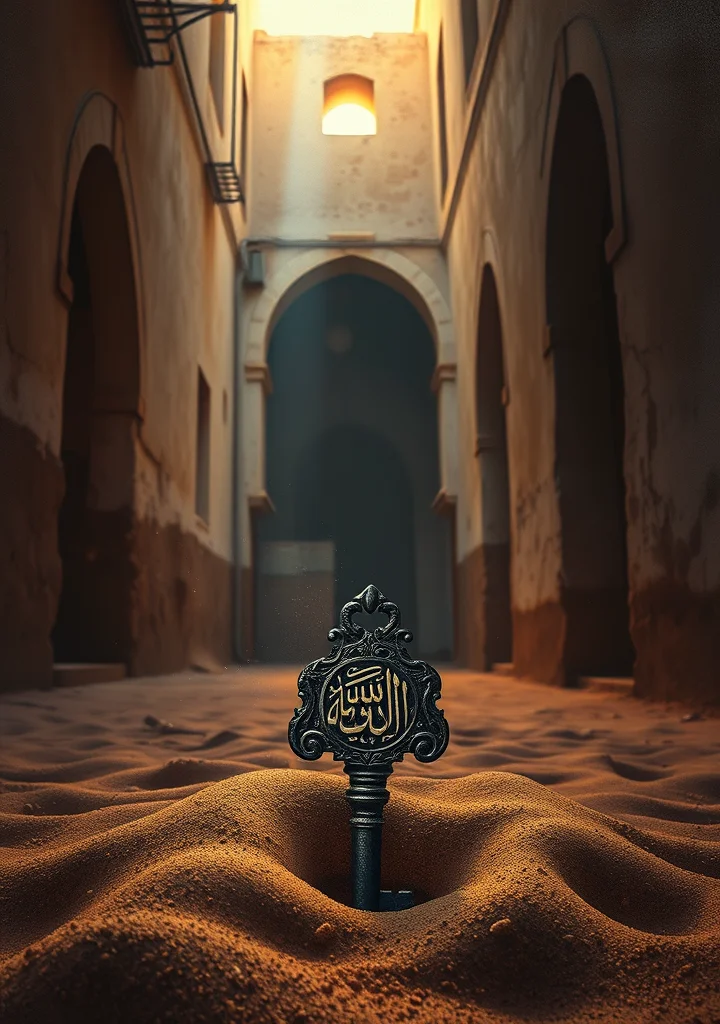
Dust motes dance in the perpetual twilight of Algiers, clinging to the whitewashed walls and the shadowed archways of a city steeped in memory. Here, amidst the whispers of the Casbah and the scent of jasmine and decay, a tale unravels not of conquest, but of a singular, desperate mercy. It is a story born of sun-bleached bones and the relentless heat of a faith both brutal and tender. The air hangs thick with the weight of histories—of corsairs and captives, of saints and sinners—a suffocating humidity that breeds both fanaticism and despair. This is a narrative not of grand battles, but of the claustrophobic interior life of a man bound by circumstance, haunted by the ghosts of his own making. The narrative breathes with the stifling heat of the Algerian interior, where the line between salvation and damnation blurs with each passing prayer. The city itself is a labyrinth, mirroring the tortuous path of the protagonist's conscience. Every courtyard holds a secret, every alleyway echoes with forgotten screams. The novel’s atmosphere is one of encroaching dread, of piety twisted by isolation, and a mercy that feels less like grace and more like a slow, inevitable rot. It is a world where the sun scorches away all hope, leaving only the skeletal remains of faith and the hollow echo of human desperation. The very stones seem to weep with the weight of a God’s indifference.


Copyright: Public Domain
This license allows anyone to use your story for any purpose, including printing, selling, or adapting it into a film freely.
Recommended for you
21 Part
Dust motes dance in the perpetual twilight of the Egyptian desert, mirroring the fractured memories of Dr. Elias Thorne. He arrives at the crumbling estate of Lord Ashworth, summoned to authenticate a relic – the Eye of Osiris, a gem said to gaze into the soul’s decay. But the manor breathes with a history of madness, its stone corridors echoing with whispers of a lineage cursed by obsession. Each room, a suffocating tableau of shadowed portraits and decaying grandeur, seems to watch Thorne as he unravels the Ashworths’ descent into a morbid fascination with the artifact. The desert wind carries not only sand, but the scent of ancient grief, seeping from the very foundations of the house. Thorne’s investigation is less a search for authenticity, and more a slow immersion into a suffocating dread. He finds himself haunted by reflections, by the unsettling stillness of servants who bear the hollowed eyes of those possessed. The Eye isn’t merely observed, it *compels* – feeding on the fragile sanity of its keepers, revealing glimpses of a forgotten god’s hunger. As Thorne delves deeper, the line between artifact and curse blurs. The estate itself becomes a labyrinth of shifting allegiances, of shadowed figures who seem to emerge from the very walls. He discovers a rot within the Ashworth bloodline, a ritualistic madness enacted under the gaze of the gem. The desert’s sun bleeds into the stained glass of the manor’s chapel, painting the stone floors with crimson, and Thorne realizes he isn’t merely cataloging a relic’s history, but charting his own descent into a darkness older than the sands themselves. The Eye doesn’t just see *into* the soul; it consumes it, leaving only echoes in the endless, echoing halls.
23 Part
The salt-laced wind howls through crumbling stone, carrying whispers of smugglers and ancient dread. Moonfleet is a place where the sea breathes secrets into the very timbers of the village, a place where shadows cling to cobbled streets and the scent of brine mingles with the dust of forgotten generations. A boy, orphaned and adrift, finds himself drawn into a web of clandestine loyalties, bound to a decaying manor haunted by the legacy of Blackwood’s men—pirates who buried their plunder alongside their ghosts. The narrative unfolds like a tide pulling at submerged wreckage. Moonlight spills across hidden coves where sleek vessels slip through the darkness, their holds swollen with illicit gains. A palpable sense of isolation presses down, isolating the characters in a world where the boundary between the living and the dead is porous. The air hangs heavy with superstition, fueled by local lore of ghostly apparitions and the curse of a silver collar. Each chapter is draped in a melancholic mist, echoing with the rhythmic crash of waves against the shore and the mournful cry of gulls. A slow rot permeates the story, not merely of decaying structures but of decaying morality, as the boy’s innocence is chipped away by the brutal realities of the smuggling trade. The narrative is steeped in the claustrophobia of a closed community, where every face holds a hidden motive and every smile conceals a treacherous bargain. Moonfleet is a place where the past refuses to stay buried, and the sea itself demands its due.
37 Part
A creeping dread clings to the shadowed forests of colonial New York, where the boundaries of civilization fray into a wilderness haunted by loss and the ghosts of broken treaties. The air hangs thick with woodsmoke and the scent of pine, heavy with the weight of a dying wilderness and the specter of a brutal, unforgiving war. Here, amidst the towering pines and mist-veiled lakes, a fractured narrative unfolds – not of heroes triumphant, but of figures consumed by the encroaching darkness. The narrative isn't merely observed, it *bleeds* into the landscape; the very stones seem to weep with the agony of the Mohicans’ slow, agonizing disappearance. A desperate flight through a world perpetually twilight, where the rustling leaves whisper of ambush and every shadow conceals a potential grave. The story coils around the fate of a handful of souls – a stoic scout, haunted by the inevitability of his people's extinction, and the fragile bloom of love blossoming amidst the wreckage of a continent torn asunder. It is a fever dream of desperate courage, shadowed by the encroaching doom of a vanishing people. The beauty of the wilderness is not a sanctuary, but a gilded cage – a breathtaking spectacle before the final, inevitable fall into oblivion. The narrative is woven with the chilling cadence of a world fading into silence, where every victory feels like a reprieve, not a triumph, and every glance into the heart of the forest reveals a glimpse of what is lost, and what will *never* return. The reader is left with the taste of ash and the echo of a vanishing song.