
-
Read 296
-
0
-
Part 20
Completed, First published Mar 02, 2026
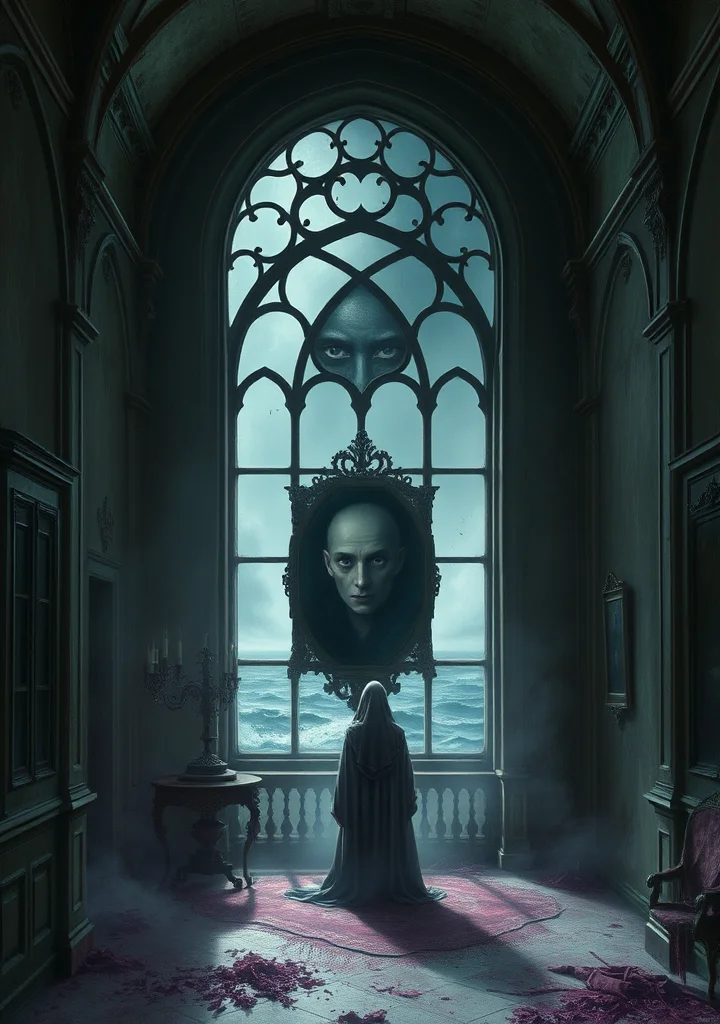
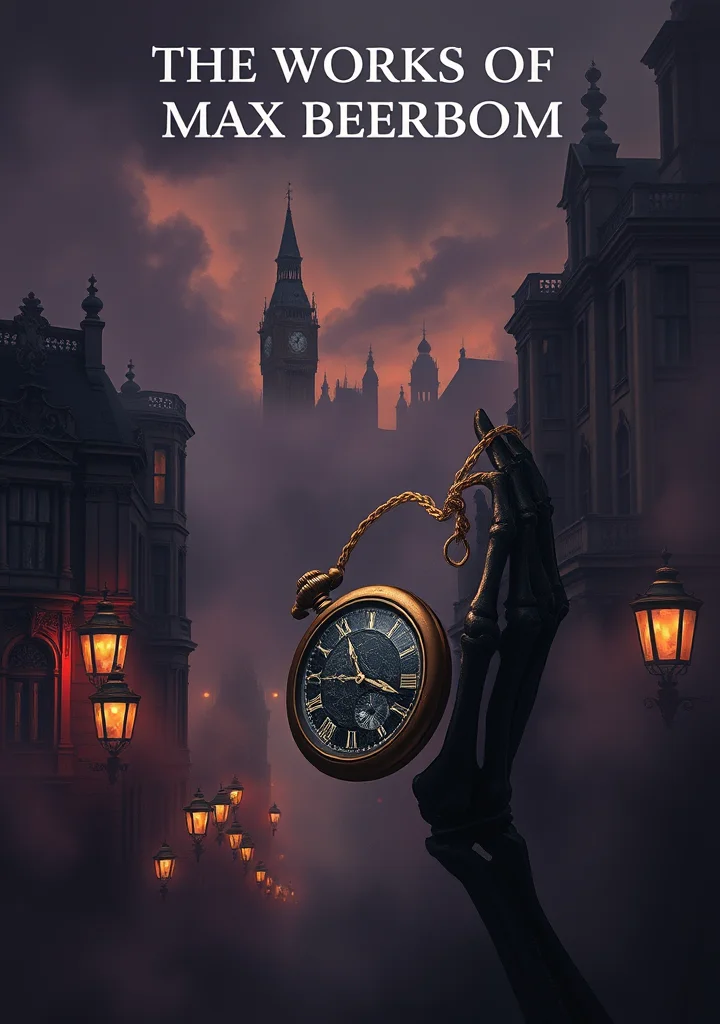
A creeping fog of decadent wit clings to these pages, exhaling the scent of dying embers and brittle lace. Beerbohm’s prose, a velvet drape over skeletal frames, unveils a London perpetually shrouded in gaslight and regret. Here, the aristocracy languishes in gilded cages, their smiles as brittle as frost-rimed branches. Each vignette is a shadowed corner, populated by specters of ambition, vanity, and fading beauty. The narrative doesn’t *tell* a story so much as *bleed* one into existence, staining the reader’s imagination with the melancholy of forgotten desires. A world of polished surfaces concealing rot—where every drawing-room is a mausoleum, and every conversation, a delicate autopsy of the soul. The author's voice is a phantom limb, twitching with sardonic grace as it dissects the hollow rituals of a society draped in mourning for its own mortality. It's a hall of mirrors, reflecting not triumphs, but the exquisite decay of a gilded age. A stillness, like dust motes dancing in a forgotten library, pervades the entire collection—a stillness that whispers of lives lived in the shadow of their own carefully constructed illusions.
Copyright: Public Domain
This license allows anyone to use your story for any purpose, including printing, selling, or adapting it into a film freely.
This license allows anyone to use your story for any purpose, including printing, selling, or adapting it into a film freely.
Chapter List
-
« The Works of Max Beerbohm »📖 Continue Reading
-
« Chapter_3 »
-
« The Works of Max Beerbohm »
-
« Dandies and Dandies »
-
« A Good Prince »
-
« Chapter_7 »
-
« King George the Fourth »
-
« The Pervasion of Rouge »
-
« Poor Romeo! »
-
« Diminuendo »
-
« The Works of Max Beerbohm »
-
« Preface »
-
« The Bibliography of the Works of Max Beerbohm »
-
« Chapter_15 »
-
« Chapter_16 »
-
« Chapter_17 »
-
« Chapter_18 »
-
« Chapter_19 »
-
« Personalia »
-
« Portraits ofMr.Max Beerbohm »
20
-
« The Works of Max Beerbohm »
-
« Chapter_3 »
-
« The Works of Max Beerbohm »
-
« Dandies and Dandies »
-
« A Good Prince »
-
« Chapter_7 »
-
« King George the Fourth »
-
« The Pervasion of Rouge »
-
« Poor Romeo! »
-
« Diminuendo »
-
« The Works of Max Beerbohm »
-
« Preface »
-
« The Bibliography of the Works of Max Beerbohm »
-
« Chapter_15 »
-
« Chapter_16 »
-
« Chapter_17 »
-
« Chapter_18 »
-
« Chapter_19 »
-
« Personalia »
-
« Portraits ofMr.Max Beerbohm »
More like this