
-
Read 319
-
0
-
Part 26
Completed, First published Mar 02, 2026
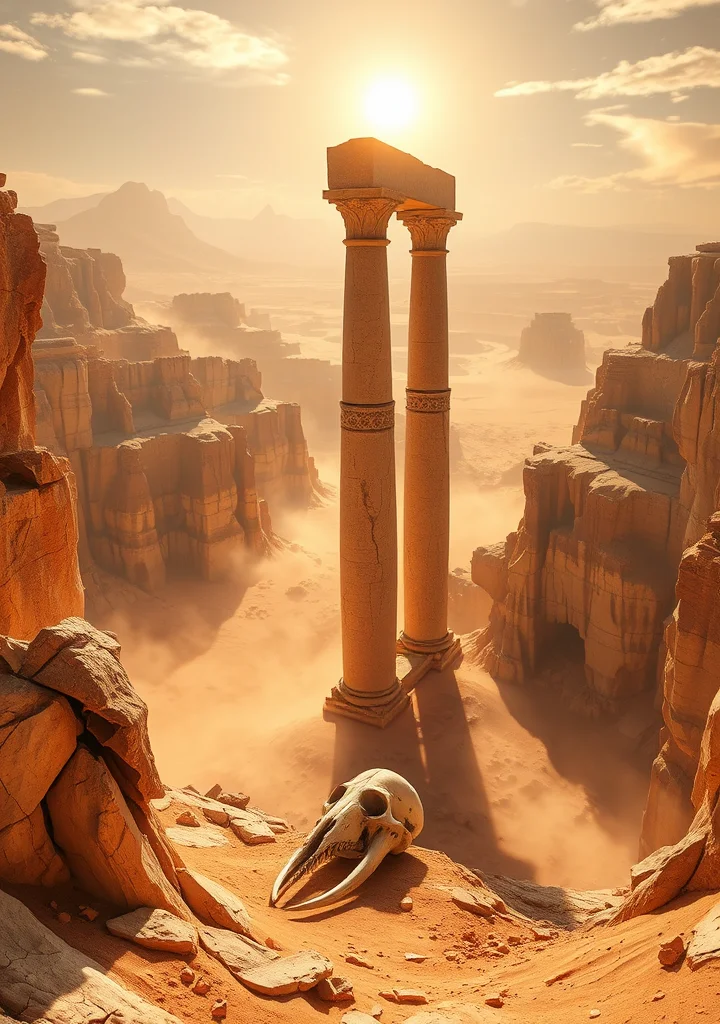
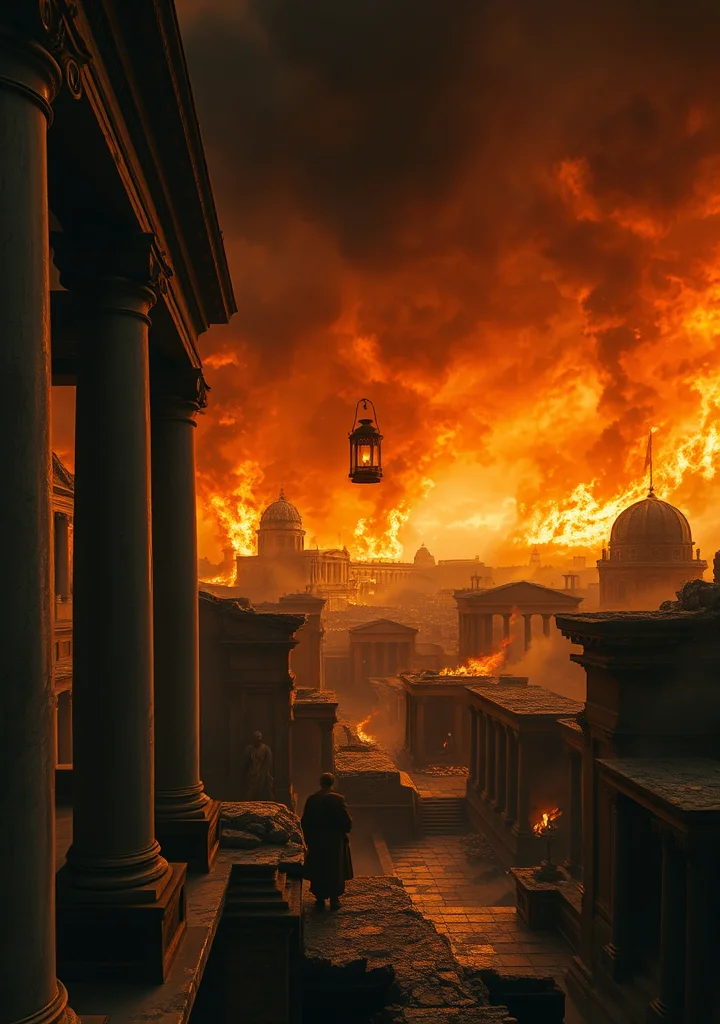
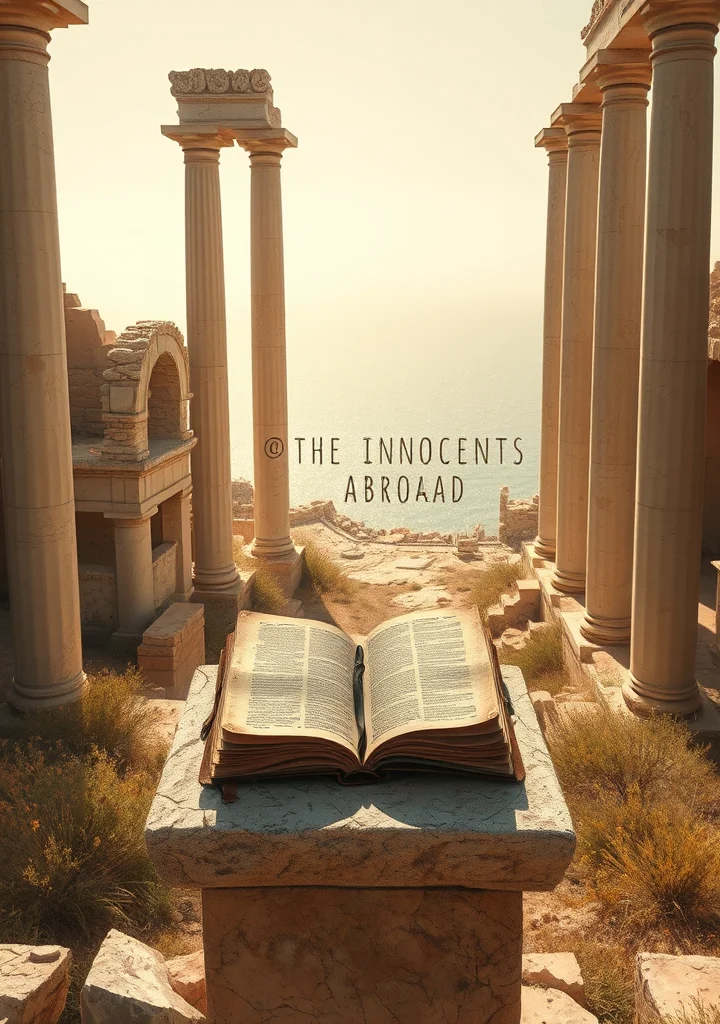
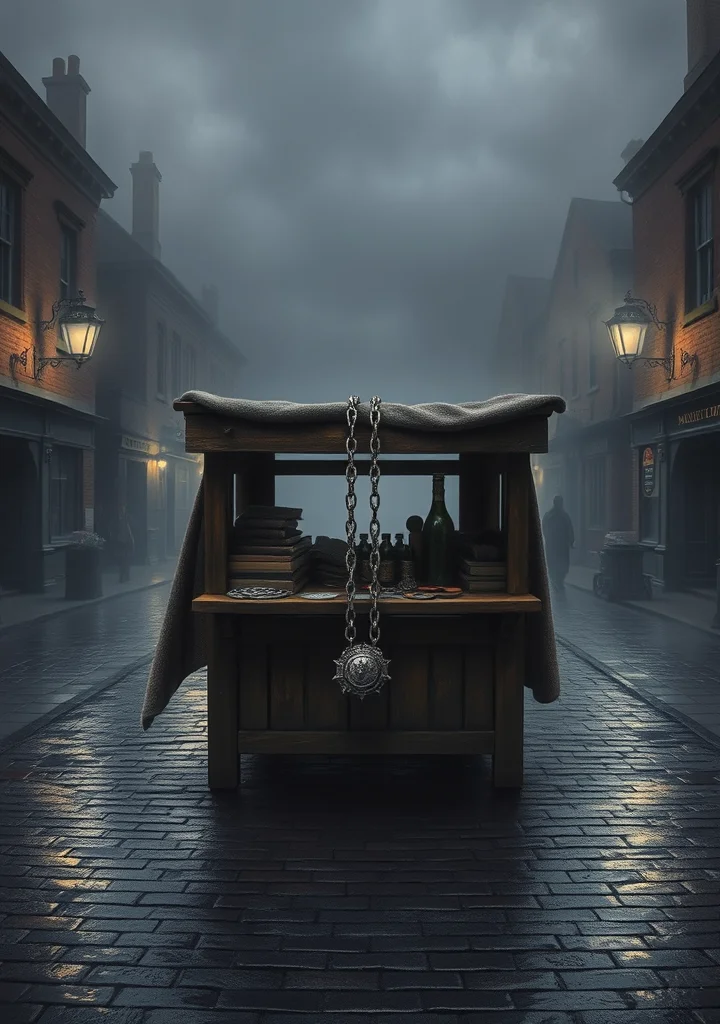
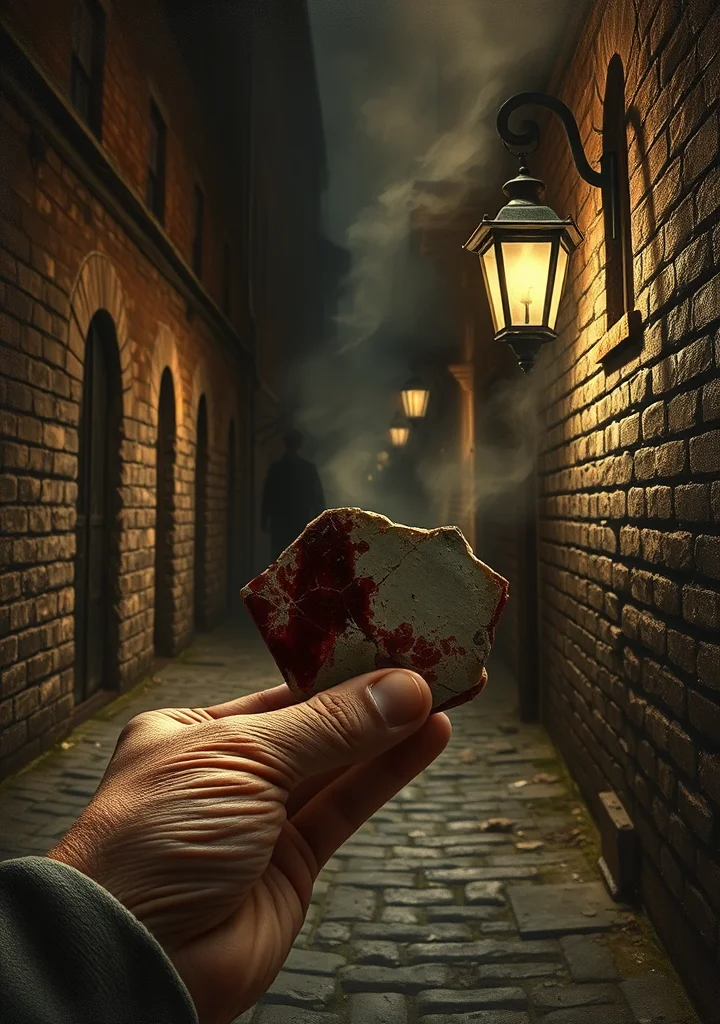
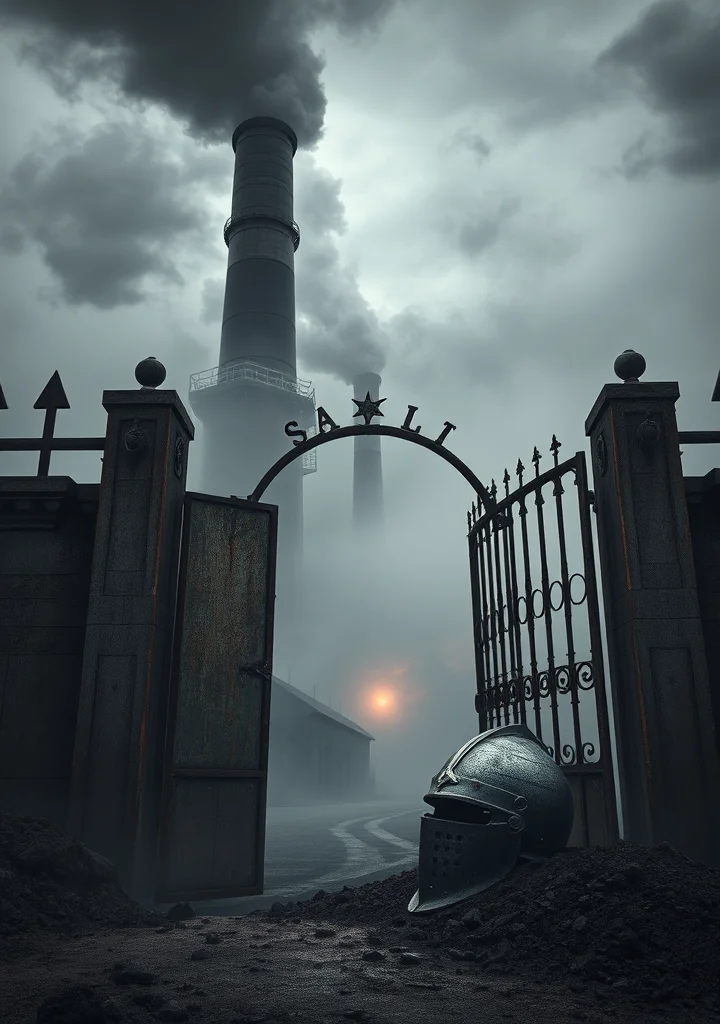
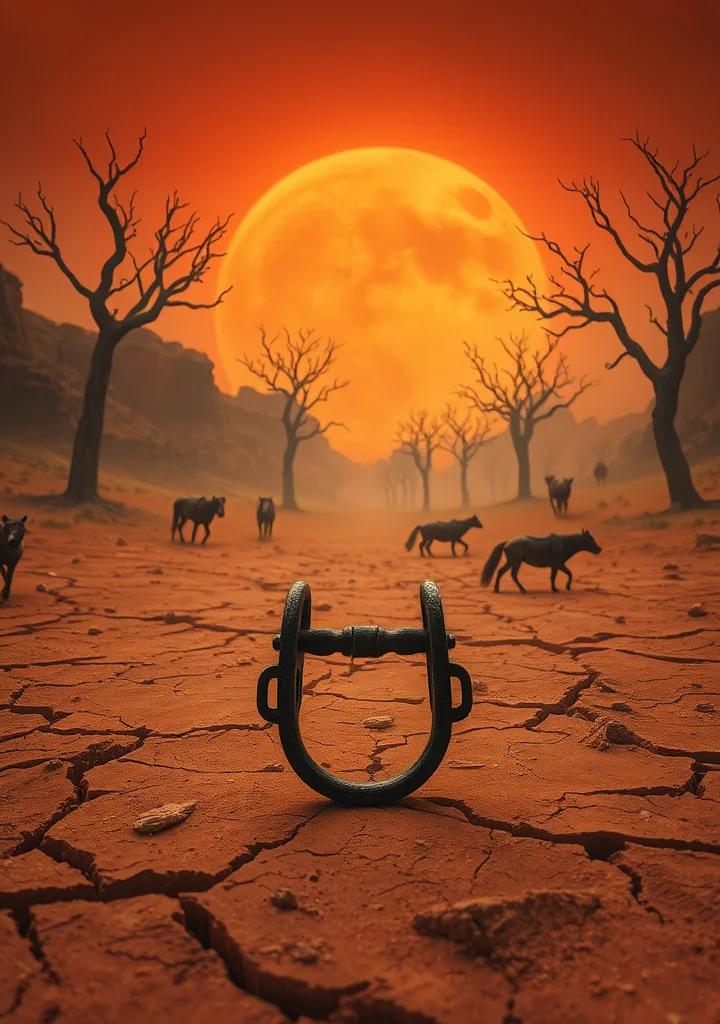
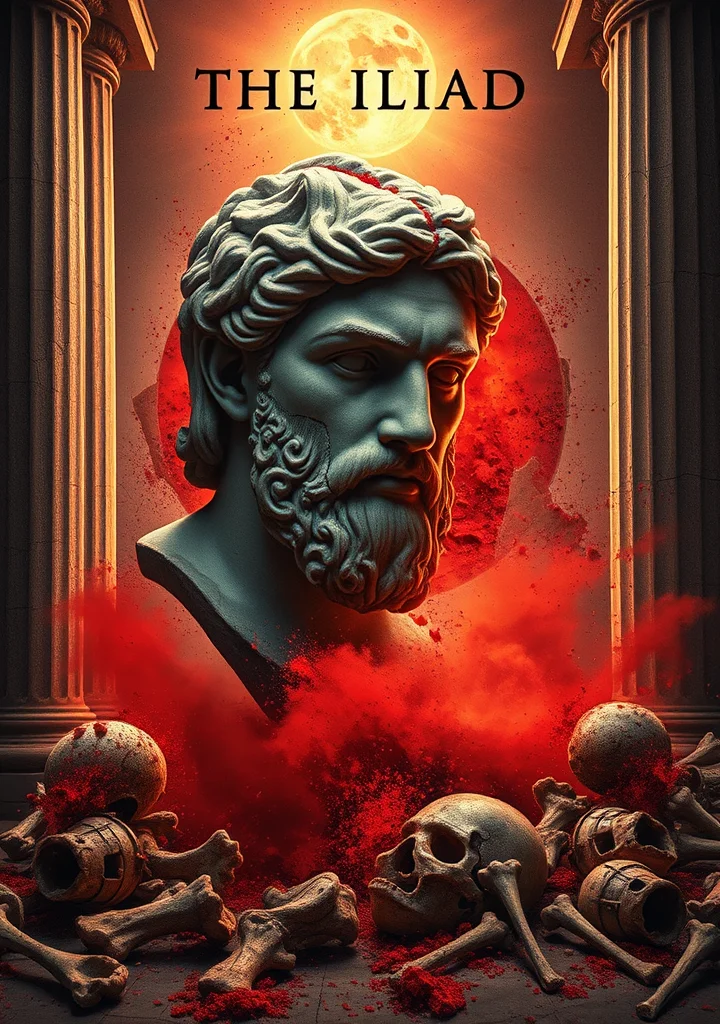
Dust motes dance in the crimson light of a dying sun, staining the marble columns of a forgotten city. The air hangs thick with the scent of brine and decay, the echoes of bronze against shield-rims resonating through centuries. This is not a tale of heroes gleaming, but of a wound carved into the very heart of the world – a festering grief borne on the wind. Achilles’ rage is a consuming darkness, swallowing men whole, leaving only bleached bones and the cries of carrion birds. Helen’s face, a phantom bloom of ruinous desire, haunts every shadow. Each clash of spear against armour is a tremor in the earth, revealing the hollow men within their gilded armour, driven by curses and fueled by vengeance. The gods themselves are carrion eaters, circling the battlefield, their divine hands stained with the blood of mortals. Sleep offers no respite; nightmares crawl from the plains of Troy, whispering of broken oaths and the slow, inexorable rot of glory. The sea, a leaden mirror, reflects the faces of the dead, and the very stars weep ash upon a world consumed by fire and shadowed by the weight of unyielding fate. It is a story not of victory, but of the long, echoing silence that follows the fall of empires, a silence filled only with the mournful keening of the wind through empty helmets.
Copyright: Public Domain
This license allows anyone to use your story for any purpose, including printing, selling, or adapting it into a film freely.
This license allows anyone to use your story for any purpose, including printing, selling, or adapting it into a film freely.
Chapter List
-
« The Iliad »📖 Continue Reading
-
« Preface »
-
« Chapter_5 »
-
« Chapter_6 »
-
« Chapter_7 »
-
« Chapter_8 »
-
« Chapter_9 »
-
« Chapter_10 »
-
« Chapter_11 »
-
« Chapter_12 »
-
« Chapter_13 »
-
« Chapter_14 »
-
« Chapter_15 »
-
« Chapter_16 »
-
« Chapter_17 »
-
« Chapter_18 »
-
« Chapter_19 »
-
« Chapter_20 »
-
« Chapter_21 »
-
« Chapter_22 »
-
« Chapter_23 »
-
« Chapter_24 »
-
« Chapter_25 »
-
« Chapter_26 »
-
« Chapter_27 »
-
« Chapter_28 »
26
-
« The Iliad »
-
« Preface »
-
« Chapter_5 »
-
« Chapter_6 »
-
« Chapter_7 »
-
« Chapter_8 »
-
« Chapter_9 »
-
« Chapter_10 »
-
« Chapter_11 »
-
« Chapter_12 »
-
« Chapter_13 »
-
« Chapter_14 »
-
« Chapter_15 »
-
« Chapter_16 »
-
« Chapter_17 »
-
« Chapter_18 »
-
« Chapter_19 »
-
« Chapter_20 »
-
« Chapter_21 »
-
« Chapter_22 »
-
« Chapter_23 »
-
« Chapter_24 »
-
« Chapter_25 »
-
« Chapter_26 »
-
« Chapter_27 »
-
« Chapter_28 »
More like this