
Moonfleet
  • 115
  • 0
  • 23
  • Reads 115
  • 0
  • Part 23
Completed, First published Mar 02, 2026

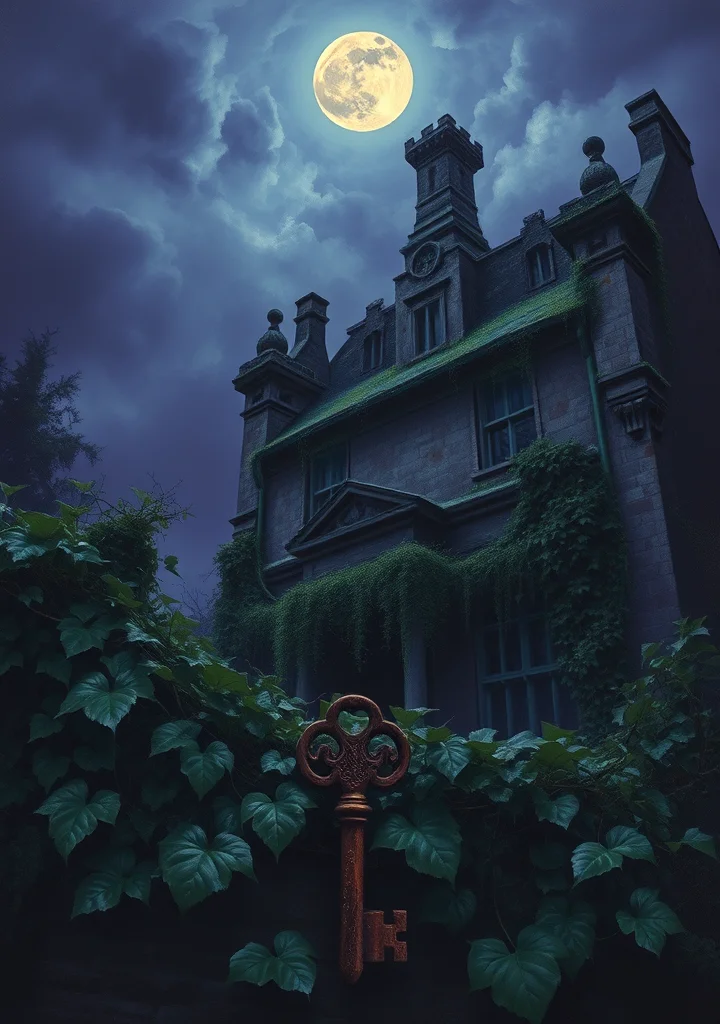
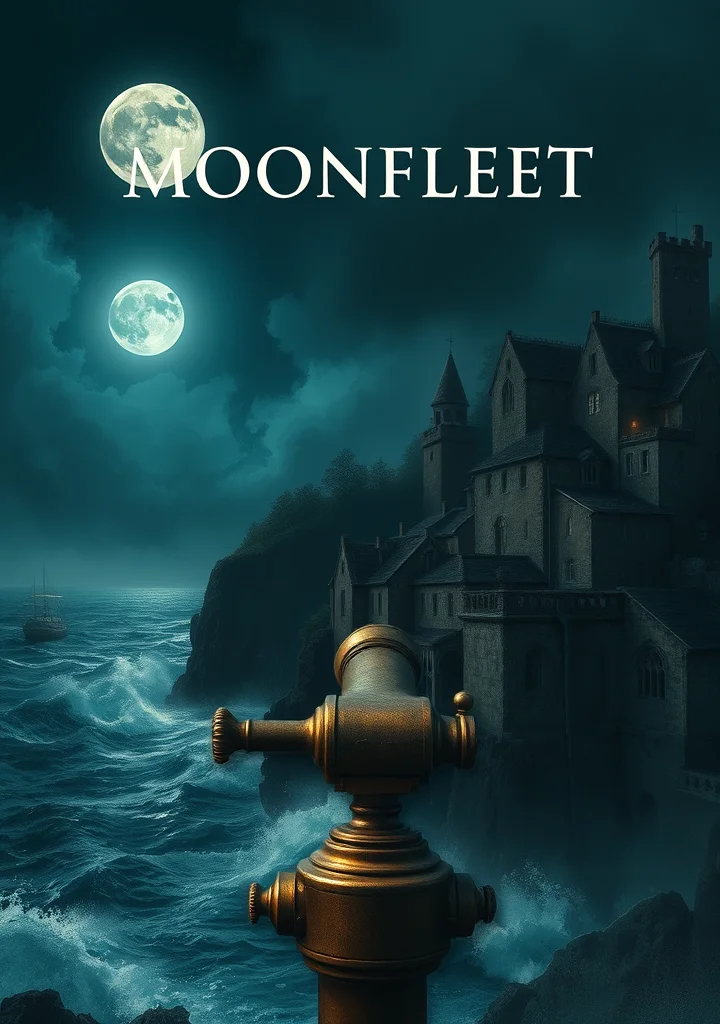
The salt-laced wind howls through crumbling stone, carrying whispers of smugglers and ancient dread. Moonfleet is a place where the sea breathes secrets into the very timbers of the village, a place where shadows cling to cobbled streets and the scent of brine mingles with the dust of forgotten generations. A boy, orphaned and adrift, finds himself drawn into a web of clandestine loyalties, bound to a decaying manor haunted by the legacy of Blackwood’s men—pirates who buried their plunder alongside their ghosts. The narrative unfolds like a tide pulling at submerged wreckage. Moonlight spills across hidden coves where sleek vessels slip through the darkness, their holds swollen with illicit gains. A palpable sense of isolation presses down, isolating the characters in a world where the boundary between the living and the dead is porous. The air hangs heavy with superstition, fueled by local lore of ghostly apparitions and the curse of a silver collar. Each chapter is draped in a melancholic mist, echoing with the rhythmic crash of waves against the shore and the mournful cry of gulls. A slow rot permeates the story, not merely of decaying structures but of decaying morality, as the boy’s innocence is chipped away by the brutal realities of the smuggling trade. The narrative is steeped in the claustrophobia of a closed community, where every face holds a hidden motive and every smile conceals a treacherous bargain. Moonfleet is a place where the past refuses to stay buried, and the sea itself demands its due.
Copyright: Public Domain
This license allows anyone to use your story for any purpose, including printing, selling, or adapting it into a film freely.
Recommended for you
101 Part
A creeping fog clings to the Yorkshire moors, mirroring the secrets held within the hearts of five strangers bound together by chance and a shared, unsettling journey. The year is nineteen thirty-one, and the weight of England’s failing industries presses down on each companion like a suffocating shroud. But this is no mere tale of economic hardship. It’s a slow unraveling, a gothic pilgrimage across a landscape haunted by fractured memories and the ghosts of unspoken desires. Each character carries a fragment of a forgotten tragedy, their pasts woven into the very fabric of the crumbling pubs and desolate railway lines they traverse. The narrative breathes with a melancholic rhythm, echoing the rhythmic clatter of train wheels and the mournful cry of distant sheep. A sense of premonition hangs heavy – not of spectacular doom, but of quiet, insidious decay. The camaraderie feels brittle, laced with suspicion and a desperate need to understand the shadows lurking within their companions’ eyes. As the companions draw closer to London, the oppressive atmosphere intensifies, mirroring the city’s labyrinthine streets and the moral murk beneath its glittering façade. A creeping sense of inevitability settles upon them, hinting that their shared journey isn’t merely across England, but towards a reckoning with the darkness within themselves. It’s a story told in hushed tones, where the true horrors aren’t found in grand gestures, but in the silences between words and the chilling recognition of shared, unacknowledged grief.
15 Part
Dust motes dance in the perpetual twilight of a London nursery, where a carpet woven with ancient symbols stirs to life. Not with thread and dye, but with the embers of forgotten djinn, bound to obey a boy’s whim. A phoenix, magnificent and terrible, unfolds from its crimson threads, a creature of scorching desire and ash-grey regret. The house itself seems to breathe with the bird’s fiery heart, shadows lengthening into monstrous shapes as the carpet’s magic pulls at the seams of reality. The scent of cinnamon and burning feathers clings to the air, thick with whispers of a past where wishes are bought with stolen sunsets. Each flight of the phoenix, each murmured command, unravels another layer of the nursery’s gilded cage, revealing a world both exhilarating and deeply, unnervingly lonely. The very floorboards groan beneath the weight of impossible journeys, echoing with the laughter of children lost in the labyrinth of their own making. A creeping dread settles amongst the velvet curtains and porcelain dolls, a premonition that the power granted is not freely given. The carpet doesn't merely transport; it *remembers*. It holds the echoes of every longing, every secret, every shadowed bargain struck within its weave. And as the phoenix circles higher, the nursery – and the lives bound within it – begin to unravel, consumed by a hunger that stretches beyond the reach of childish dreams. The air itself tastes of smoke and forgotten promises.
6 Part
Dust motes dance in the gaslight of provincial theaters, clinging to the velvet drapes and the tarnished gilt of crumbling grandeur. A fever dream of ambition, *Lost Illusions* unfolds in a Paris steeped in shadow, where the scent of stale perfume mingles with the bitterness of thwarted dreams. The novel breathes with the stifled sighs of Lucien de Rubempré, a provincial editor cast adrift in a sea of cynical brilliance. Every cobbled street echoes with whispered betrayals, every drawing room glitters with the venom of social climbing. The air thickens with the rot of compromised ideals; a suffocating perfume of decaying morality. It’s a city of mirrors, reflecting not truth but the grotesque distortions of power. The narrative clings to you like a damp shroud, revealing a world where talent is bartered for influence, and innocence is devoured by the ravenous maw of the press. The characters move through perpetual twilight, haunted by the ghosts of their own making. Each revelation is a splinter of ice in the heart, each success a further descent into a labyrinth of disillusionment. The prose itself feels aged, brittle as parchment, stained with the ink of regret. It is a slow, insidious unraveling, a descent into the suffocating darkness where hope is extinguished, and only the hollow echoes of ambition remain. The final pages leave a residue of ash and despair, a chilling testament to the price of vanity and the corrosive nature of ambition.
23 Part
The salt-laced wind howls through crumbling stone, carrying whispers of smugglers and ancient dread. Moonfleet is a place where the sea breathes secrets into the very timbers of the village, a place where shadows cling to cobbled streets and the scent of brine mingles with the dust of forgotten generations. A boy, orphaned and adrift, finds himself drawn into a web of clandestine loyalties, bound to a decaying manor haunted by the legacy of Blackwood’s men—pirates who buried their plunder alongside their ghosts. The narrative unfolds like a tide pulling at submerged wreckage. Moonlight spills across hidden coves where sleek vessels slip through the darkness, their holds swollen with illicit gains. A palpable sense of isolation presses down, isolating the characters in a world where the boundary between the living and the dead is porous. The air hangs heavy with superstition, fueled by local lore of ghostly apparitions and the curse of a silver collar. Each chapter is draped in a melancholic mist, echoing with the rhythmic crash of waves against the shore and the mournful cry of gulls. A slow rot permeates the story, not merely of decaying structures but of decaying morality, as the boy’s innocence is chipped away by the brutal realities of the smuggling trade. The narrative is steeped in the claustrophobia of a closed community, where every face holds a hidden motive and every smile conceals a treacherous bargain. Moonfleet is a place where the past refuses to stay buried, and the sea itself demands its due.
9 Part
Dust motes dance in perpetual twilight within the crumbling estate of Herr von Schack, a man consumed by a singular, obsessive pursuit: the perfect breeding of fleas. But this is no mere entomological study; it is a descent into madness mirroring the decay of his ancestral home. Each meticulously curated generation of the tiny parasites reflects a fractured shard of his own psyche, a grotesque parody of lineage and ambition. The air hangs thick with the scent of decay—not just of rotting wood and damp stone, but of something far more insidious: a creeping dread born of miniature, chitinous horrors. Hoffmann weaves a suffocating claustrophobia, not within grand halls but within the suffocating confines of a glass bell jar, a miniature world of creeping legs and glistening carapaces mirroring the stifled desires of the master himself. The narrative unfolds as a slow unraveling, punctuated by feverish monologues detailing the flea’s “pedigree” and its grotesque “achievements.” A palpable sense of violation permeates the prose; the reader is not merely witnessing madness, but *invited* into its swarming, microscopic heart. Whispers cling to the shadowed corners of the estate, tales of a monstrous legacy woven into the very fabric of the von Schack bloodline, a legacy now manifested in the twitching, iridescent bodies of these miniature masters. The creeping unease isn't simply *about* the fleas, but the horrifying realization that they, and the man who breeds them, are reflections of something ancient and terrible lurking within the foundations of reason itself. The final, suffocating act is not a climax, but an infestation—a chilling descent into the abyss where obsession devours not just its subject, but the very soul of the observer.

36 Part
The veil-thin woods breathe with a chilling sentience, mirroring the fractured psyche of Lud, a man returning to his childhood home—a village swallowed by a perpetual, iridescent mist. Not a homecoming, but a haunting. The mist is not merely weather; it is a memory-eater, a slow unraveling of self, drawing Lud into a labyrinth of forgotten folklore and the cold, glittering bargains struck with beings just beyond the periphery of vision. Each step deeper into the shrouded lanes is a descent into a decaying, dream-soaked reality where the boundaries between the living and the dead, the remembered and the imagined, dissolve. The stone cottages, slick with damp, seem to watch with vacant, hollow eyes. A creeping dread, born not of malice but of *absence*, clings to everything—a silence pregnant with the ghosts of promises made and broken. Lud’s search for his lost love, Moira, becomes a spiraling echo through the mist-wrought landscape, a desperate grasping for something tangible in a world where solidity itself is an illusion. He is haunted by whispers of faerie bargains, by the cold touch of things *almost* remembered, by the insidious, beautiful rot that blossoms in the heart of forgotten places. The mist itself seems to possess a consciousness, a patient, predatory hunger for the fragments of Lud’s soul, offering glimpses of a truth too terrible to bear, a revelation of what lies beneath the shimmering surface of the world—and what waits for him in its depths. It is a story steeped in the scent of damp earth, decaying leaves, and the faint, metallic tang of things lost to the fog.