
-
Read 445
-
0
-
Part 36
Completed, First published Mar 02, 2026
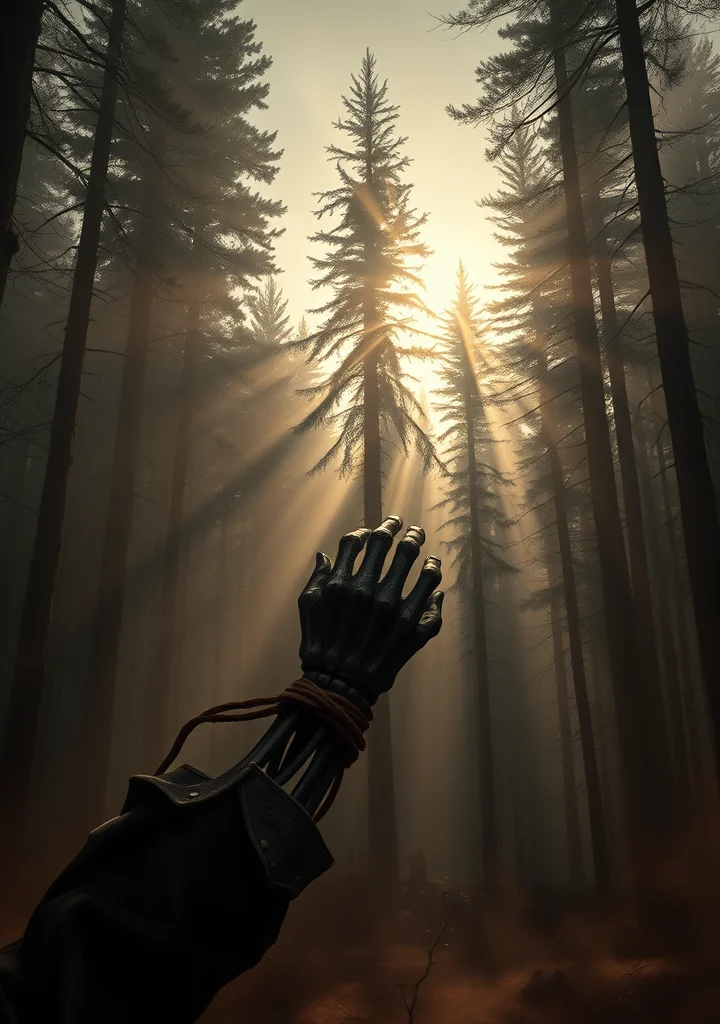
A creeping dread clings to the shadowed forests of colonial New York, where the boundaries of civilization fray into a wilderness haunted by loss and the ghosts of broken treaties. The air hangs thick with woodsmoke and the scent of pine, heavy with the weight of a dying wilderness and the specter of a brutal, unforgiving war. Here, amidst the towering pines and mist-veiled lakes, a fractured narrative unfolds – not of heroes triumphant, but of figures consumed by the encroaching darkness. The narrative isn't merely observed, it *bleeds* into the landscape; the very stones seem to weep with the agony of the Mohicans’ slow, agonizing disappearance.
A desperate flight through a world perpetually twilight, where the rustling leaves whisper of ambush and every shadow conceals a potential grave. The story coils around the fate of a handful of souls – a stoic scout, haunted by the inevitability of his people's extinction, and the fragile bloom of love blossoming amidst the wreckage of a continent torn asunder. It is a fever dream of desperate courage, shadowed by the encroaching doom of a vanishing people. The beauty of the wilderness is not a sanctuary, but a gilded cage – a breathtaking spectacle before the final, inevitable fall into oblivion. The narrative is woven with the chilling cadence of a world fading into silence, where every victory feels like a reprieve, not a triumph, and every glance into the heart of the forest reveals a glimpse of what is lost, and what will *never* return. The reader is left with the taste of ash and the echo of a vanishing song.
Copyright: Public Domain
This license allows anyone to use your story for any purpose, including printing, selling, or adapting it into a film freely.
This license allows anyone to use your story for any purpose, including printing, selling, or adapting it into a film freely.
Chapter List
-
« The Last of the Mohicans »📖 Continue Reading
-
« Introduction »
-
« The Last of the Mohicans »
-
« Chapter_5 »
-
« Chapter_6 »
-
« Chapter_7 »
-
« Chapter_8 »
-
« Chapter_9 »
-
« Chapter_10 »
-
« Chapter_11 »
-
« Chapter_12 »
-
« Chapter_13 »
-
« Chapter_14 »
-
« Chapter_15 »
-
« Chapter_16 »
-
« Chapter_17 »
-
« Chapter_18 »
-
« Chapter_19 »
-
« Chapter_20 »
-
« Chapter_21 »
-
« Chapter_22 »
-
« Chapter_23 »
-
« Chapter_24 »
-
« Chapter_25 »
-
« Chapter_26 »
-
« Chapter_27 »
-
« Chapter_28 »
-
« Chapter_29 »
-
« Chapter_30 »
-
« Chapter_31 »
-
« Chapter_32 »
-
« Chapter_33 »
-
« Chapter_34 »
-
« Chapter_35 »
-
« Chapter_36 »
-
« Chapter_37 »
36
-
« The Last of the Mohicans »
-
« Introduction »
-
« The Last of the Mohicans »
-
« Chapter_5 »
-
« Chapter_6 »
-
« Chapter_7 »
-
« Chapter_8 »
-
« Chapter_9 »
-
« Chapter_10 »
-
« Chapter_11 »
-
« Chapter_12 »
-
« Chapter_13 »
-
« Chapter_14 »
-
« Chapter_15 »
-
« Chapter_16 »
-
« Chapter_17 »
-
« Chapter_18 »
-
« Chapter_19 »
-
« Chapter_20 »
-
« Chapter_21 »
-
« Chapter_22 »
-
« Chapter_23 »
-
« Chapter_24 »
-
« Chapter_25 »
-
« Chapter_26 »
-
« Chapter_27 »
-
« Chapter_28 »
-
« Chapter_29 »
-
« Chapter_30 »
-
« Chapter_31 »
-
« Chapter_32 »
-
« Chapter_33 »
-
« Chapter_34 »
-
« Chapter_35 »
-
« Chapter_36 »
-
« Chapter_37 »
More like this