
The American Crisis
  • 143
  • 0
  • 24
  • Reads 143
  • 0
  • Part 24
Completed, First published Mar 02, 2026

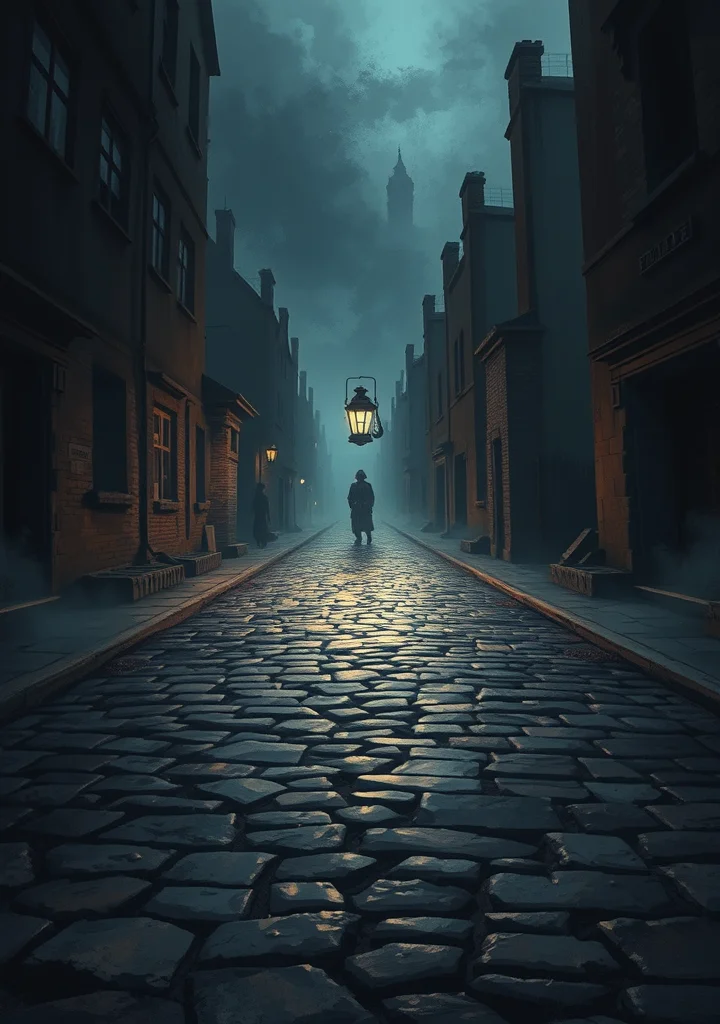
A creeping dread settles over the colonies, not of redcoats and bayonets, but of a slow, suffocating despair. Paine’s words, meant to ignite rebellion, instead feel like icy drafts whistling through abandoned farmhouses, each phrase a chipped shard of a fractured hope. The narrative isn’t one of glorious battle, but of a bone-deep chill—a creeping paralysis of will as winter’s grip tightens around the throat of revolution. Every invocation of courage feels less like a call to arms and more like a desperate plea against the encroaching darkness, the rustling of unseen shadows in the long nights of encampment. The crisis isn’t merely political; it’s a rot consuming the very soul of the land, a haunting that clings to the timbered halls of every meeting house and the barren fields left untended. It is a descent into a wilderness haunted by the specter of failure, where the cries for liberty echo as ghostly lamentations in the hollow spaces between the trees. The promise of a new dawn is only a flickering candle against an overwhelming, starless void.
Copyright: Public Domain
This license allows anyone to use your story for any purpose, including printing, selling, or adapting it into a film freely.
Recommended for you
64 Part
A creeping dread clings to the shadowed avenues of New York, mirroring the suffocating ambition of Silas Thorne. Dreiser paints a city not of gilded promise, but of iron bone and suffocating brick, where Thorne’s ascent – fueled by ruthless calculation and the hollow echo of inherited wealth – casts a lengthening pall over all who dare to witness it. The narrative unfolds not as a story of triumph, but as a slow, agonizing compression of the human spirit, each step on Thorne’s staircase to power marked by the crumbling residue of lives discarded as if they were merely stones in his foundation. Fog-choked streets become a labyrinth of moral decay, mirroring the labyrinth within Thorne himself. His mansion, a monolith of granite and shadowed glass, isn’t a home, but a mausoleum for the living, each room echoing with the phantom weight of compromised ideals. The air thickens with the scent of decaying ambition, of secrets corroded by greed. The narrative doesn’t revel in grand spectacle, but in the subtle rot of complicity. It's a story whispered in darkened hallways, a chill felt in the periphery of Thorne's gaze. A sense of inevitability, of a crushing, mechanical doom, pervades the pages. The titan doesn’t conquer; he consumes, leaving behind a barren landscape of broken promises and the dust of extinguished souls. The city itself seems to hold its breath, waiting for the inevitable collapse of this monstrous edifice of a man. It's a darkness not of overt horror, but of a slow, inexorable suffocation.
25 Part
A creeping dread clings to the chalk-white cliffs of the English coast, mirrored in the fractured psyche of Shagpat. This is a novel of suffocating isolation, of a man bound by a self-imposed exile, his very identity dissolving into the sea mist that swallows his ancestral home. The narrative unfolds not as a progression, but as a slow unraveling, a descent into the labyrinthine corridors of a mind fractured by pride and the weight of inherited expectation. The air is thick with unspoken histories, with the ghostly echoes of Shagpat’s forefathers. Every stone, every shadowed doorway breathes with the suffocating legacy of his lineage. A suffocating claustrophobia pervades the narrative, born not of physical constraint but of a spiritual paralysis. The world outside – the bustling cities, the promises of love – feels distant, unreal, accessible only through the warped lens of Shagpat’s decaying inner world. The novel is steeped in a melancholic beauty, a slow burn of longing and regret. It is a landscape of muted colours, of perpetual twilight, where the boundaries between reality and hallucination blur. A sense of impending doom hangs heavy, not through dramatic plot twists, but through the inexorable erosion of a soul. The reader is immersed in the suffocating silence, the oppressive stillness, and the chilling realization that Shagpat’s true prison is not a place, but a state of being. It is a study in the decay of will, the slow, agonizing dissolution of a man into the very fabric of his desolate inheritance.
47 Part
A creeping dread clings to the shadowed halls of Ashworth Manor, where the legacy of Silas Blackwood, a man rumored to have made pacts with something ancient and hungry, festers in the very stones. The air hangs thick with the scent of decay and forgotten sin, mirroring the rot within the Blackwood family itself. A suffocating inheritance binds young Arthur to a lineage steeped in whispered accusations of devilry, and the manor’s sprawling, overgrown grounds seem to pulse with a life both alluring and menacing. Every antique mirror reflects not faces, but fleeting glimpses of something *other*, and the relentless drumming of rain against the leaded windows feels less like weather and more like a desperate plea for release. The novel unravels with a slow, agonizing unraveling of sanity, the narrative choked by claustrophobic interiors and the oppressive weight of a past that refuses to stay buried. A creeping paranoia descends, blurring the line between the living and the dead, as Arthur discovers his inheritance is not merely land and title, but a monstrous legacy etched into his very blood. The narrative unfolds like a fever dream, punctuated by stolen glances at shadowed figures, the scent of damp earth clinging to every breath, and a chilling sense that something malevolent stalks the corridors, always just beyond the periphery of vision. A suffocating dread permeates every page, where the true horror lies not in what is seen, but in what is *felt* - the suffocating presence of a darkness that has waited centuries to claim its due.