
-
Read 544
-
0
-
Part 54
Completed, First published Mar 02, 2026
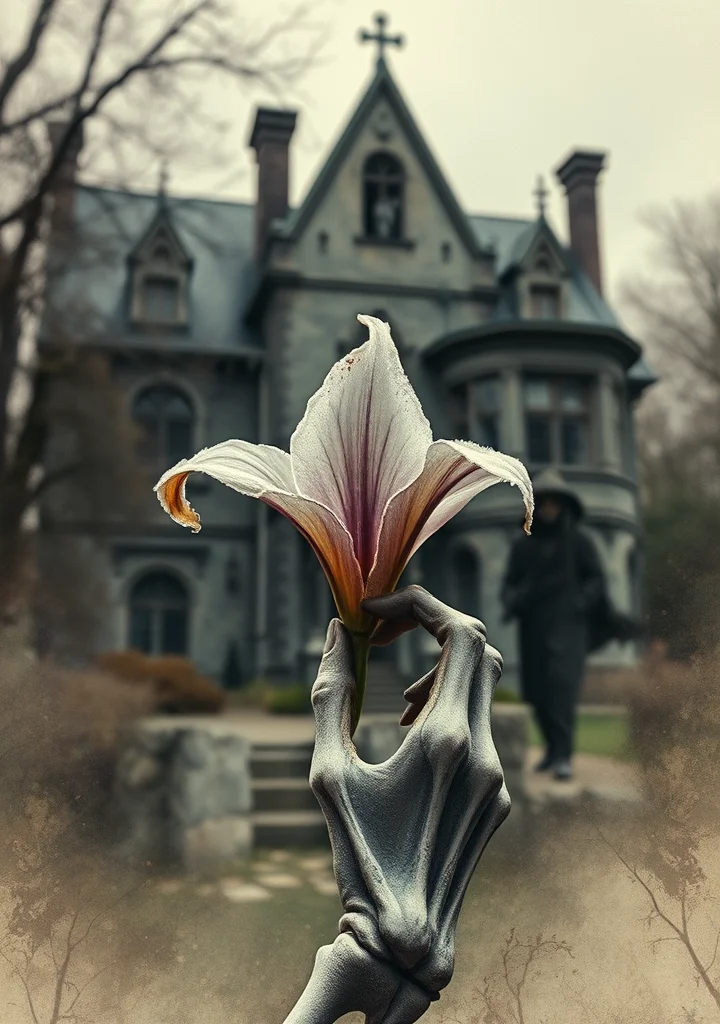
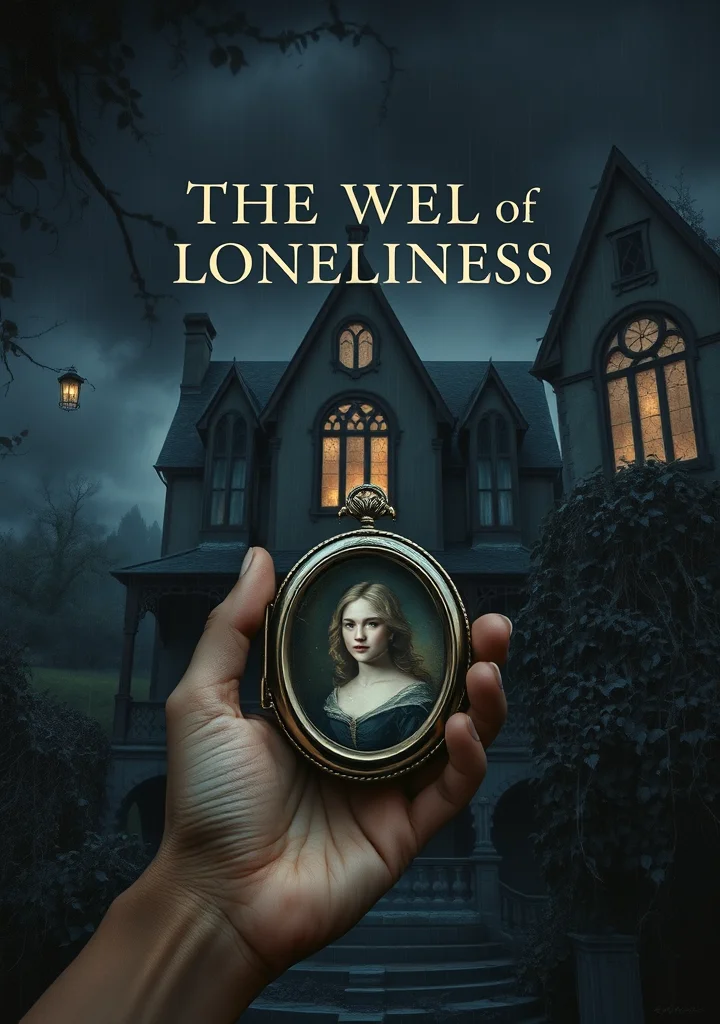
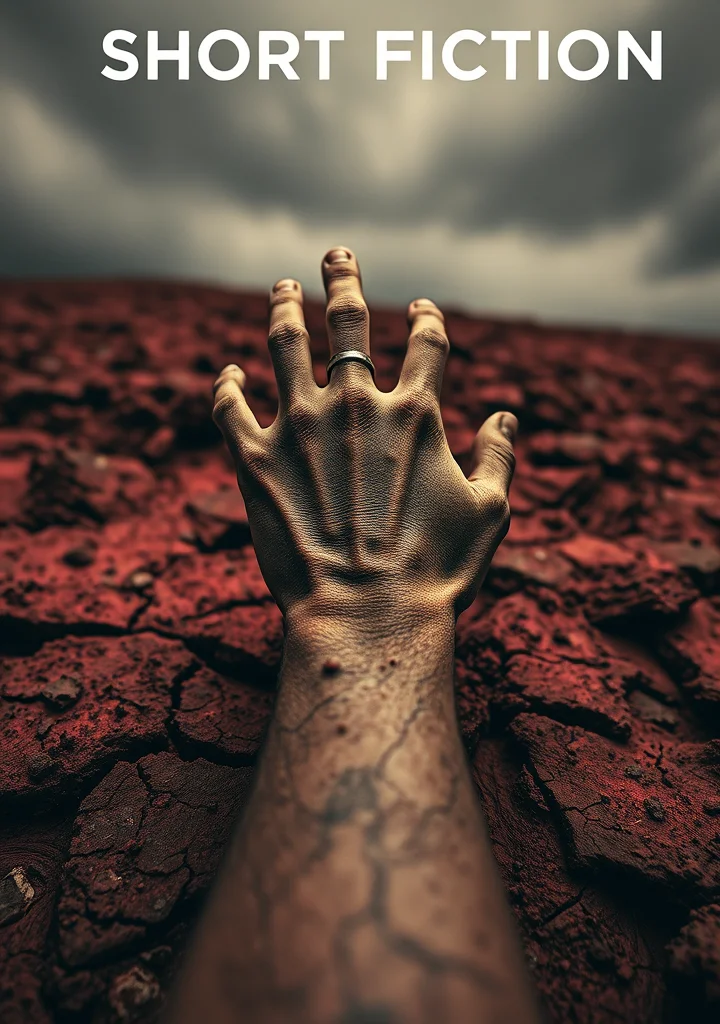
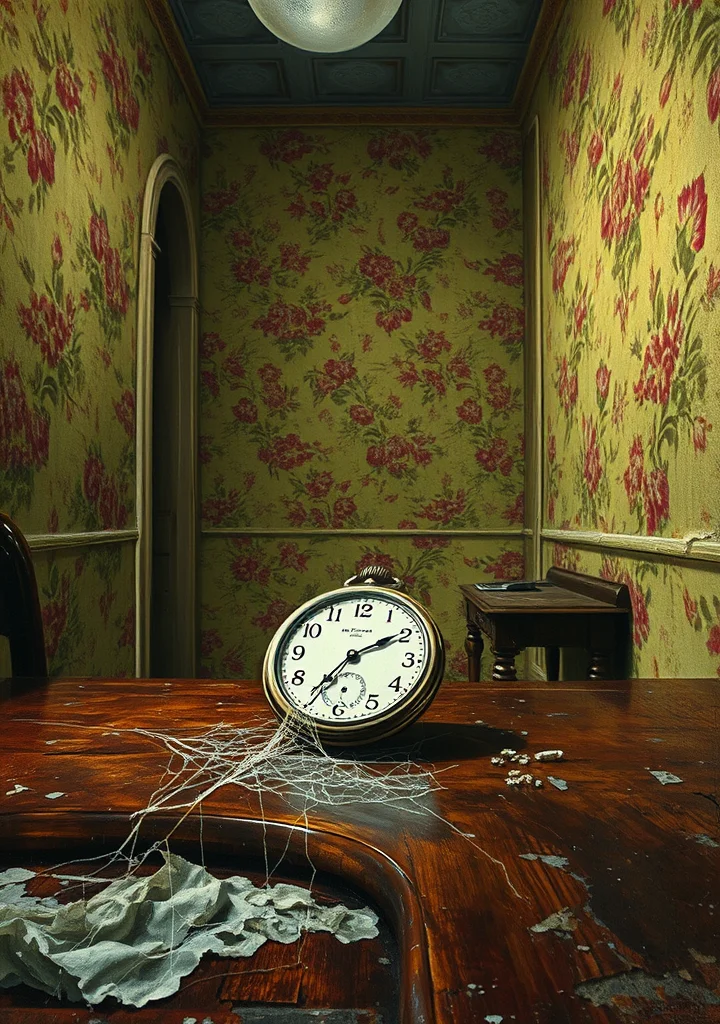
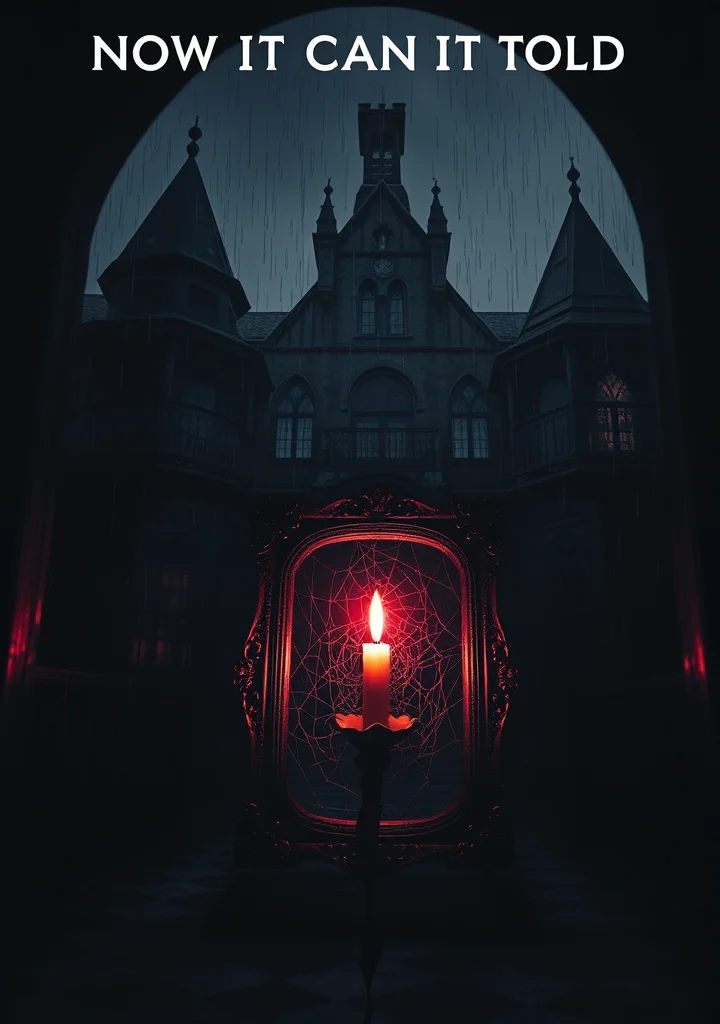
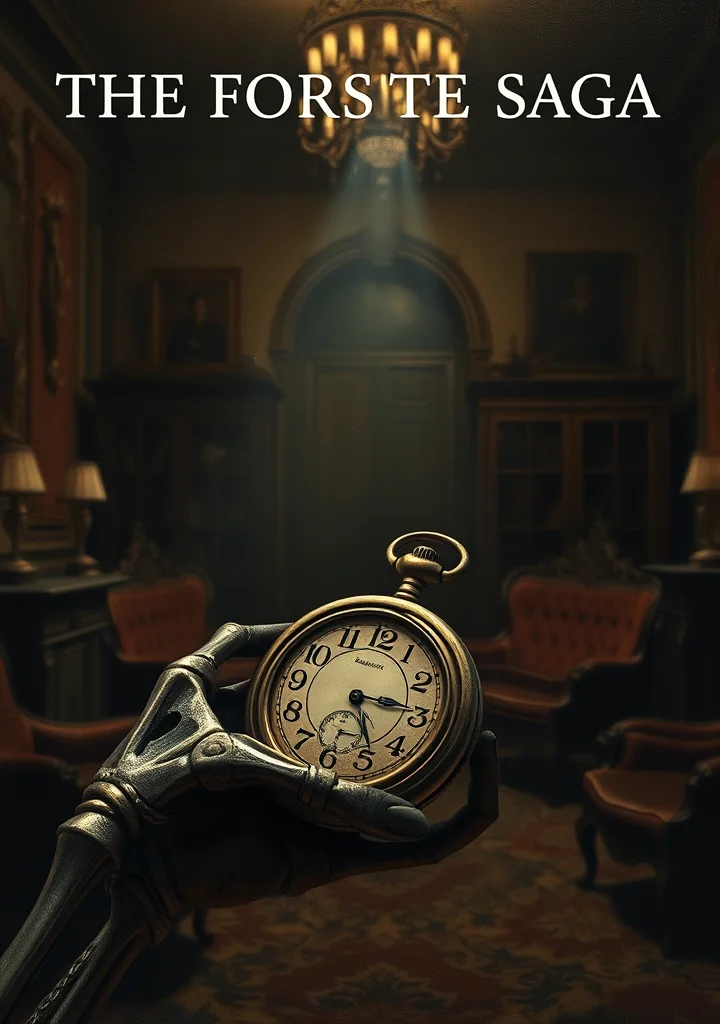
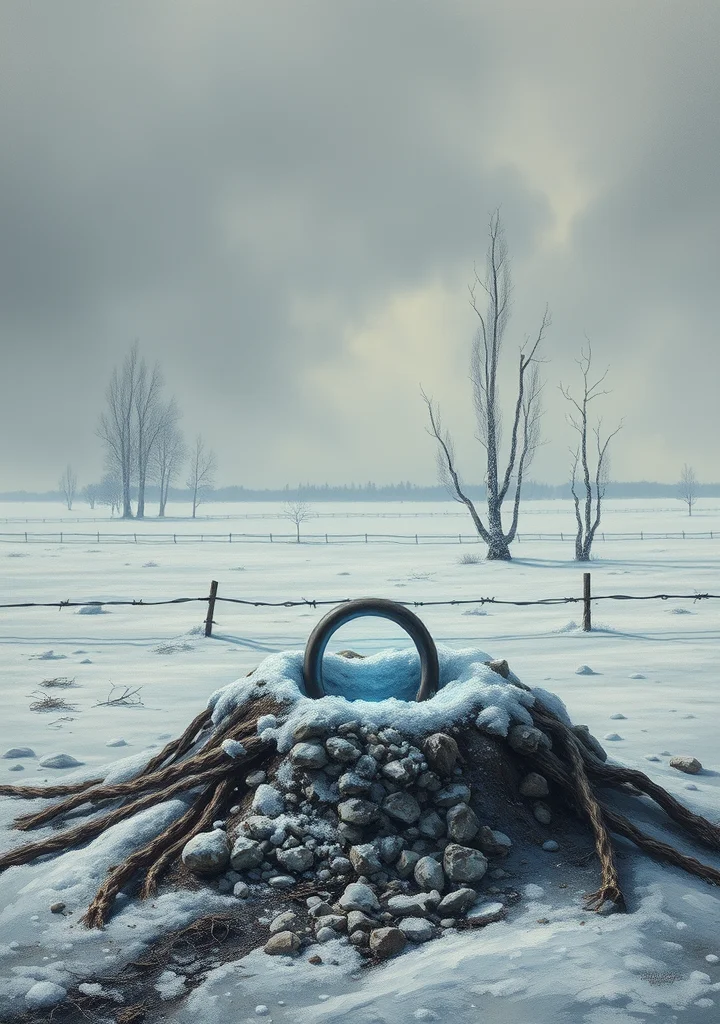
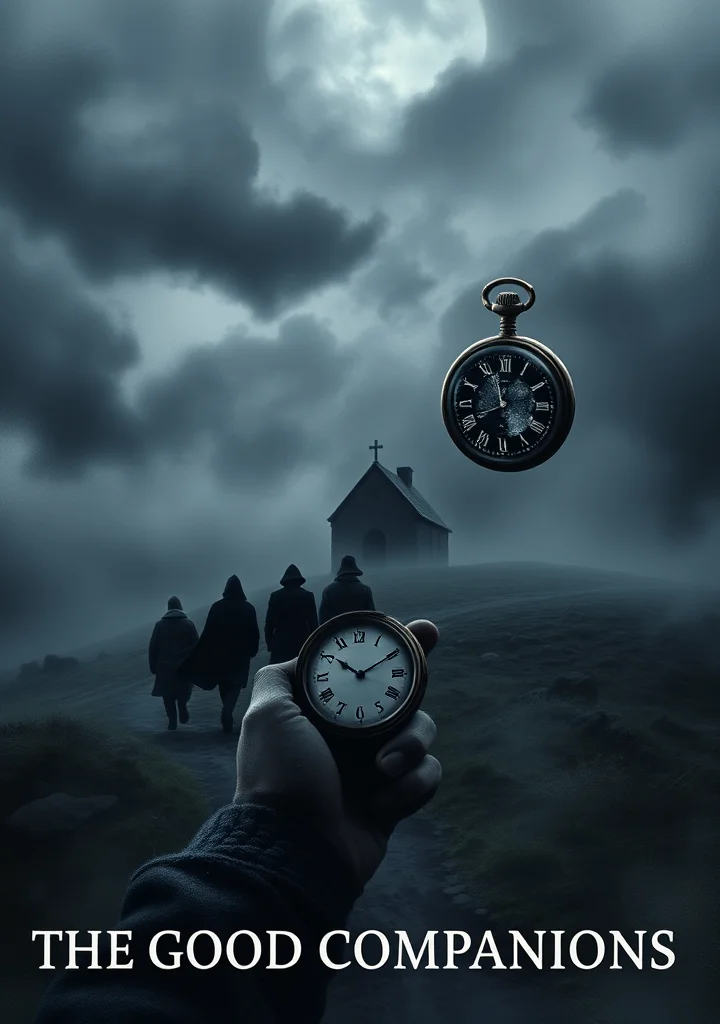
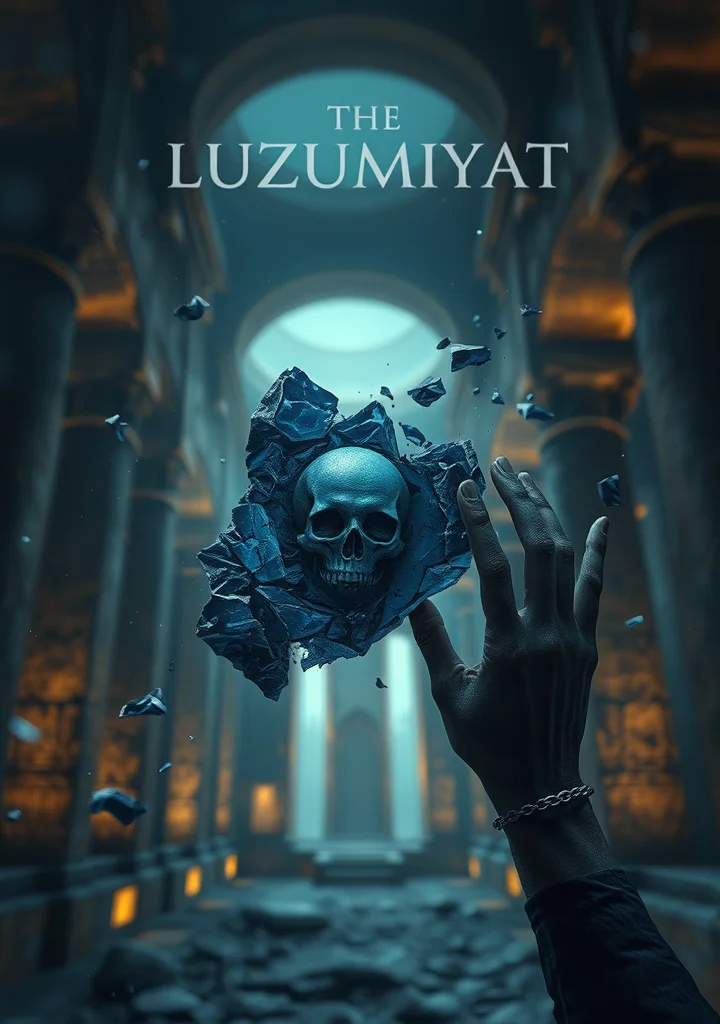
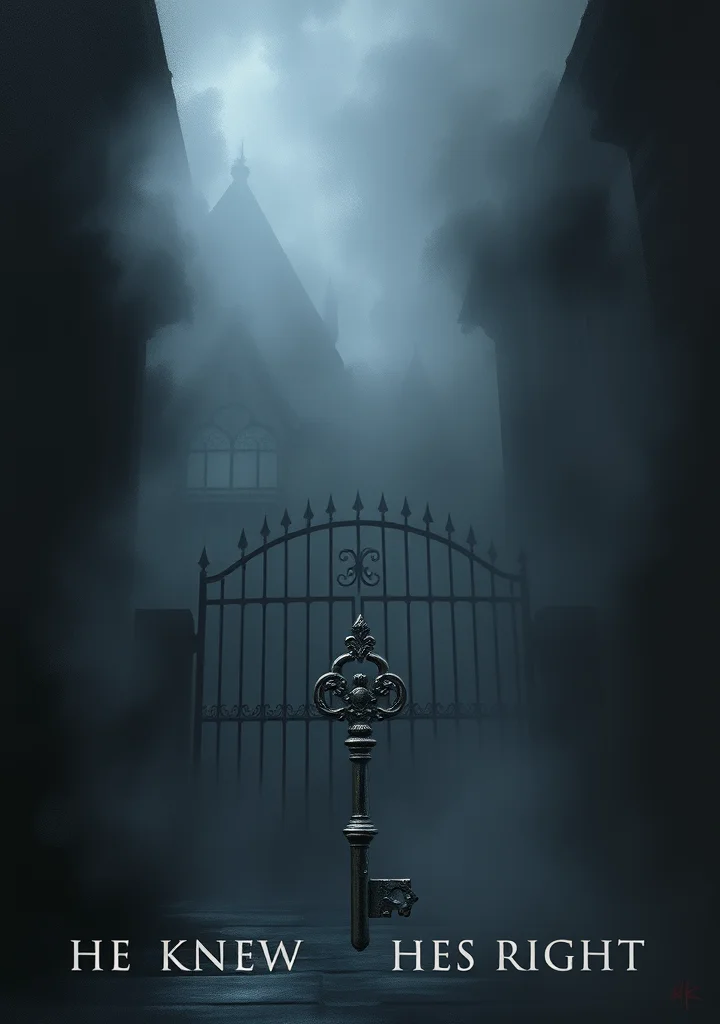
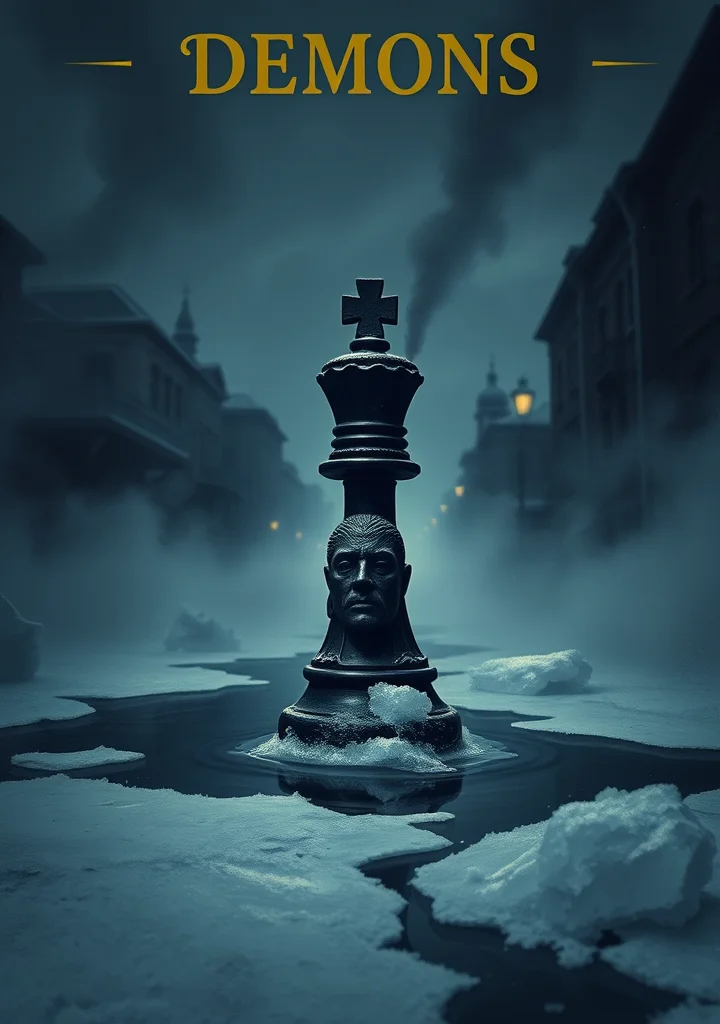
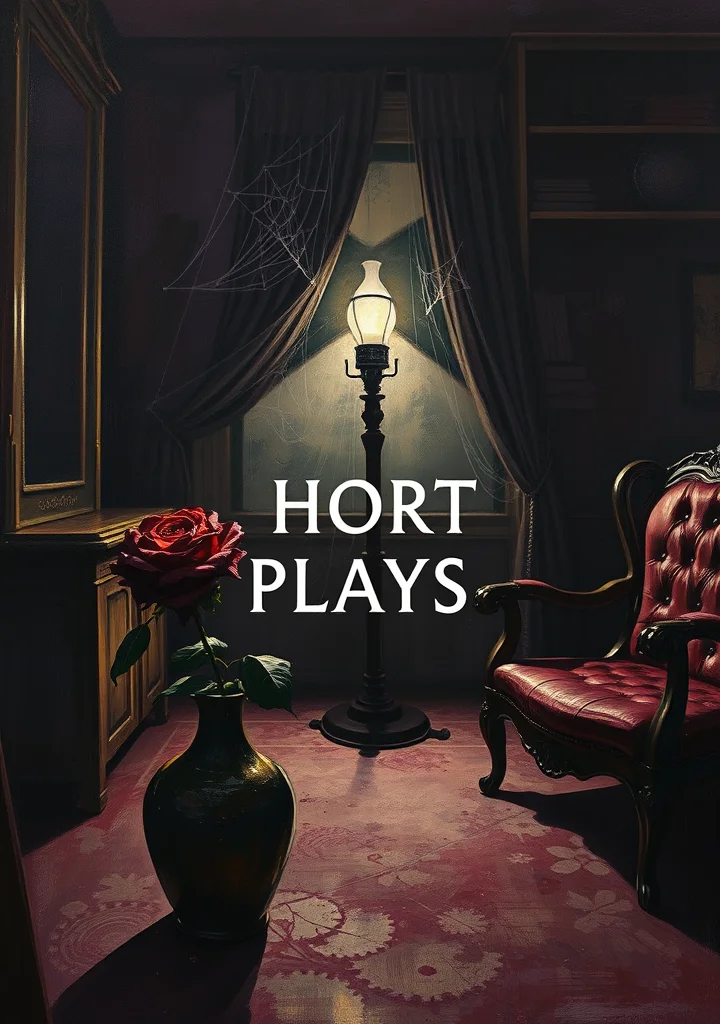
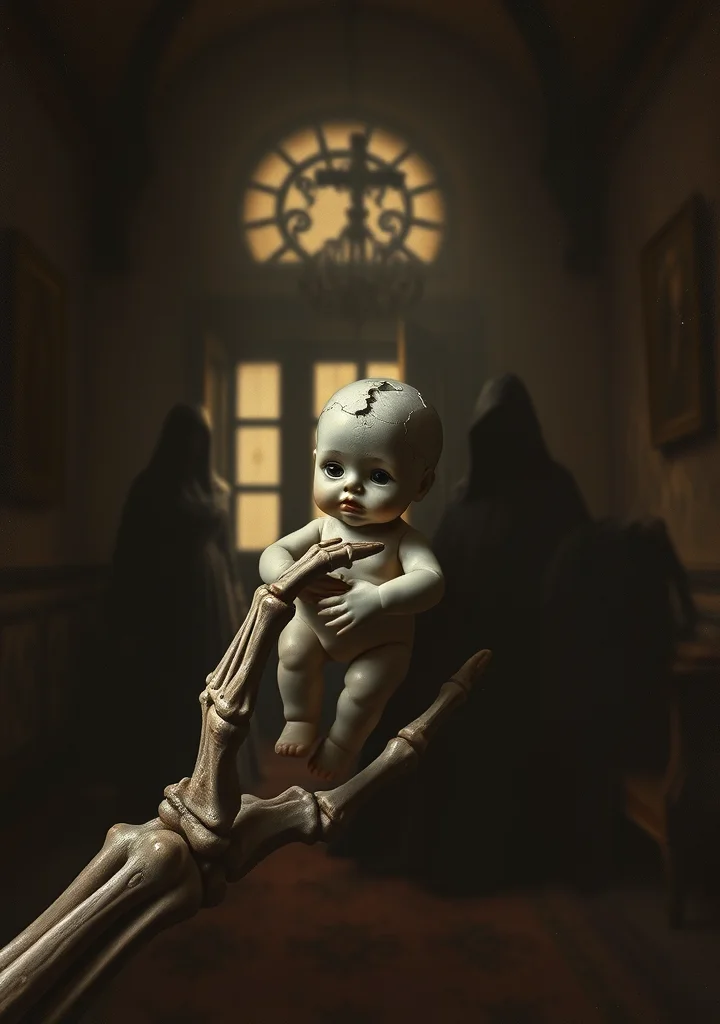
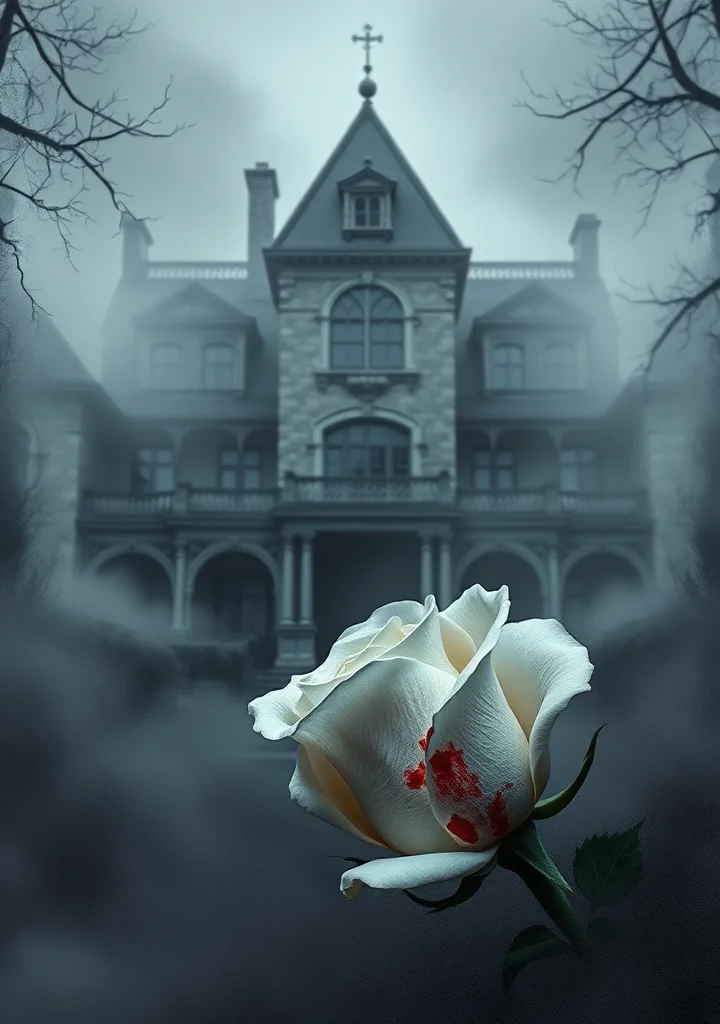
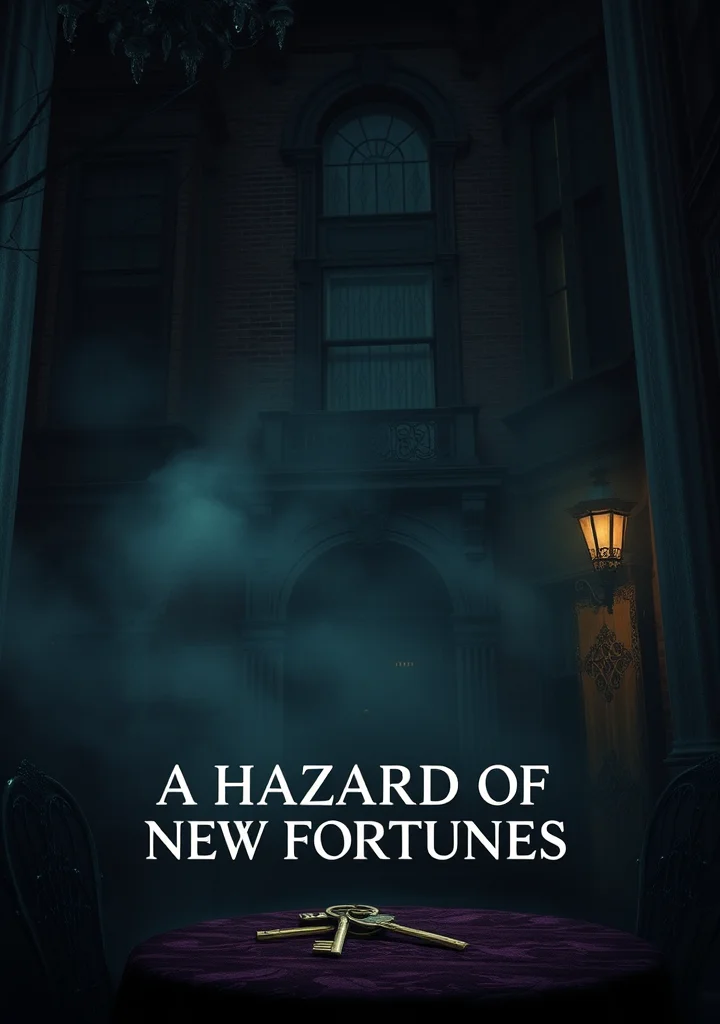
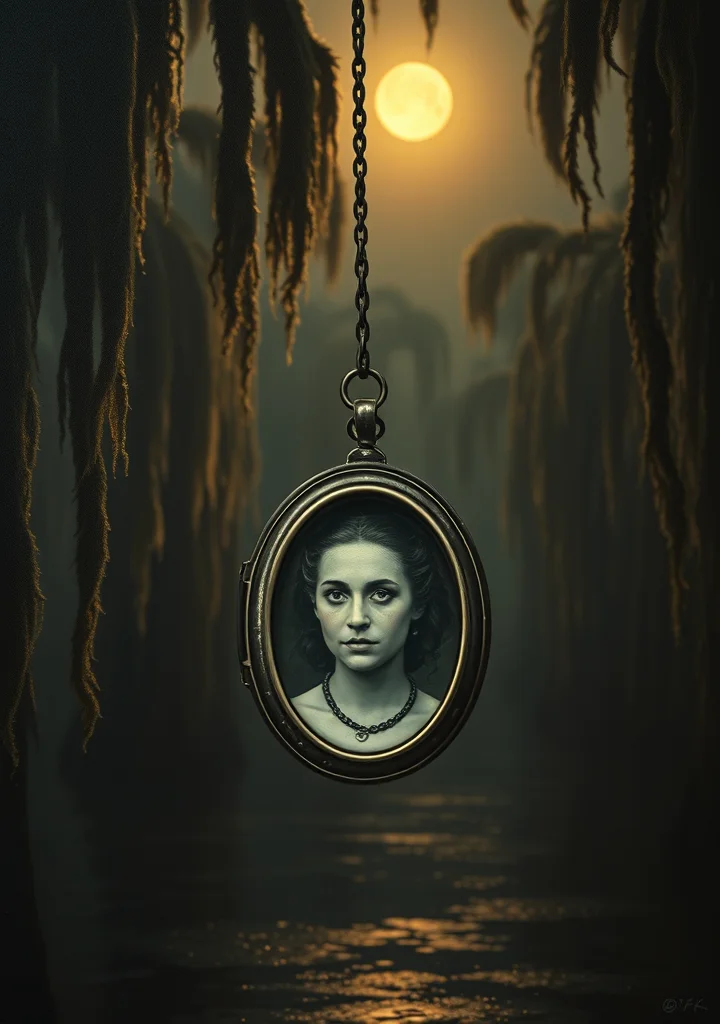
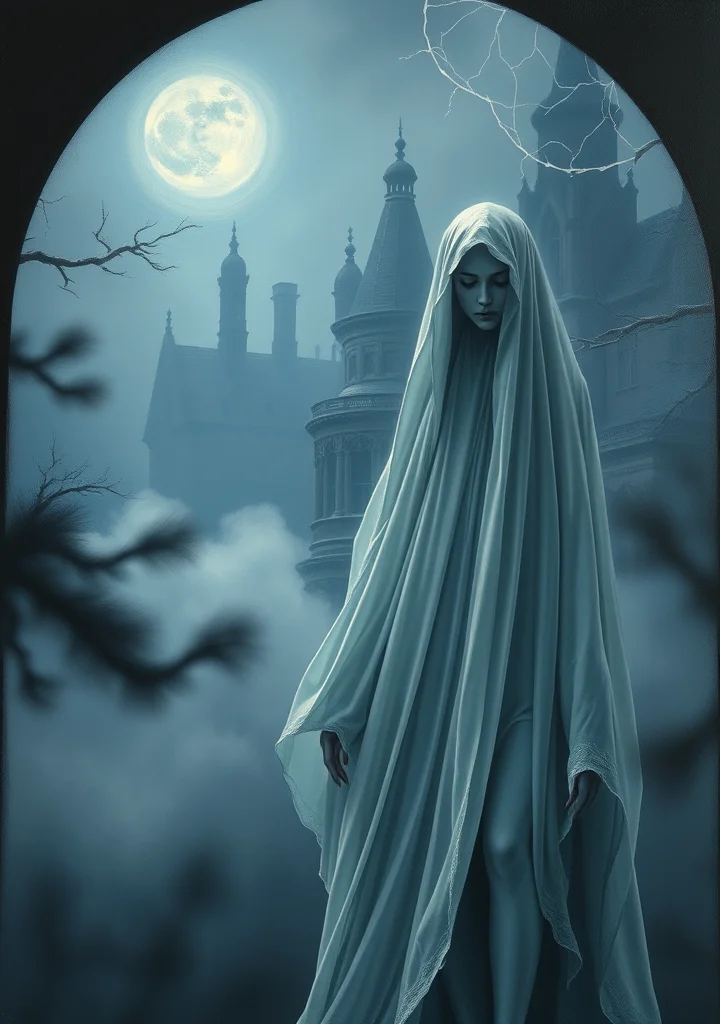
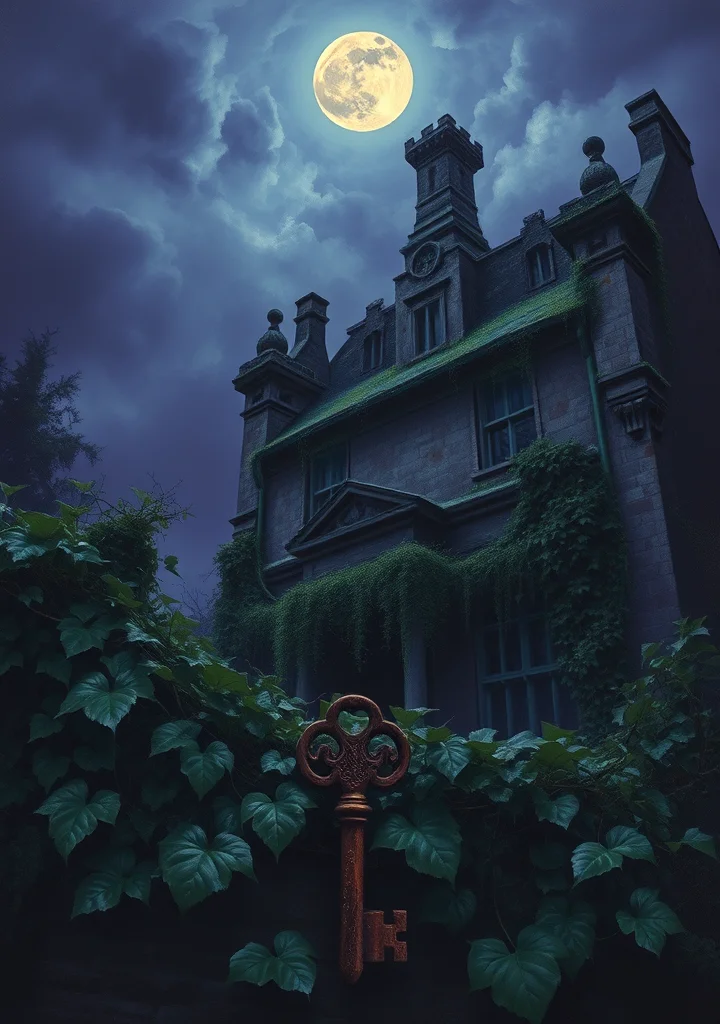
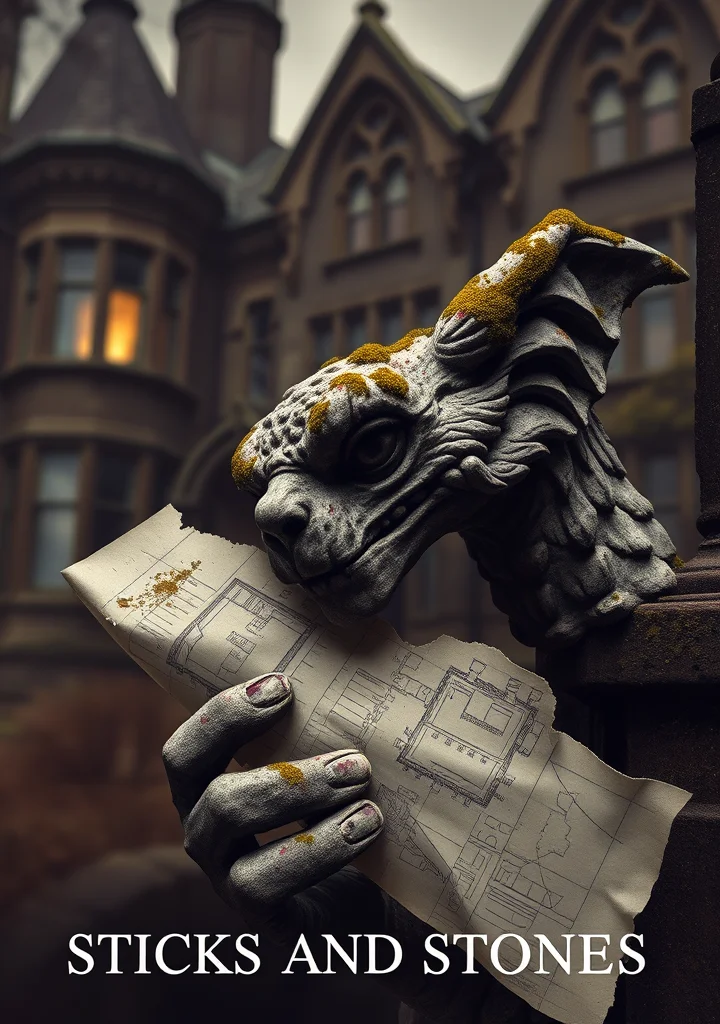
A creeping dread clings to the crumbling manor of Blackwood Grange, where Elias Thorne, a man haunted by the geometry of his own making, meticulously catalogues the detritus of a forgotten lineage. Each chipped brick, each weathered beam, whispers of a past he is compelled to understand, yet fears to unearth. The estate isn’t merely decaying; it’s *remembering*. Mumford weaves a suffocating atmosphere of isolation—the land itself seems to press in, a suffocating weight of loam and bone-white mist. Thorne's obsession with the stones and timber isn’t scholarship, but a desperate attempt to anchor himself against the shifting sands of memory, for the house breathes with the ghosts of children lost to the bog, and the stones themselves seem to bleed the stories of their demise. The very air tastes of rot and regret, and as Thorne descends deeper into the Grange’s labyrinthine heart, he discovers the stones aren’t just holding the house *up*, they’re holding something terrible *down*. The silence isn't emptiness, but the stretched membrane before a scream, a waiting darkness punctuated by the dry rattle of branches against the windowpanes—a sound that mimics the fracturing of sanity itself. Each discovered shard, each unearthed root, peels back another layer of a festering wound within the land, until Thorne realizes he isn’t cataloging Blackwood Grange’s past, but excavating his own.
Copyright: Public Domain
This license allows anyone to use your story for any purpose, including printing, selling, or adapting it into a film freely.
This license allows anyone to use your story for any purpose, including printing, selling, or adapting it into a film freely.
Chapter List
-
« Sticks and Stokes »📖 Continue Reading
-
« Chapter_3 »
-
« Chapter_4 »
-
« Sticks and Stones »
-
« I »
-
« I »
-
« II »
-
« III »
-
« IV »
-
« II »
-
« I »
-
« II »
-
« III »
-
« IV »
-
« III »
-
« I »
-
« II »
-
« III »
-
« IV »
-
« IV »
-
« I »
-
« II »
-
« III »
-
« IV »
-
« V »
-
« I »
-
« II »
-
« III »
-
« IV »
-
« VI »
-
« I »
-
« II »
-
« III »
-
« VII »
-
« I »
-
« II »
-
« III »
-
« IV »
-
« V »
-
« VIII »
-
« I »
-
« II »
-
« III »
-
« IV »
-
« V »
-
« VI »
-
« Envoi »
-
« Notes on Books »
-
« I »
-
« II »
-
« III »
-
« IV »
-
« V »
-
« VI »
54
-
« Sticks and Stokes »
-
« Chapter_3 »
-
« Chapter_4 »
-
« Sticks and Stones »
-
« I »
-
« I »
-
« II »
-
« III »
-
« IV »
-
« II »
-
« I »
-
« II »
-
« III »
-
« IV »
-
« III »
-
« I »
-
« II »
-
« III »
-
« IV »
-
« IV »
-
« I »
-
« II »
-
« III »
-
« IV »
-
« V »
-
« I »
-
« II »
-
« III »
-
« IV »
-
« VI »
-
« I »
-
« II »
-
« III »
-
« VII »
-
« I »
-
« II »
-
« III »
-
« IV »
-
« V »
-
« VIII »
-
« I »
-
« II »
-
« III »
-
« IV »
-
« V »
-
« VI »
-
« Envoi »
-
« Notes on Books »
-
« I »
-
« II »
-
« III »
-
« IV »
-
« V »
-
« VI »
More like this