
The Jealousies of a Country Town
  • 56
  • 0
  • 7
  • Reads 56
  • 0
  • Part 7
Completed, First published Mar 02, 2026

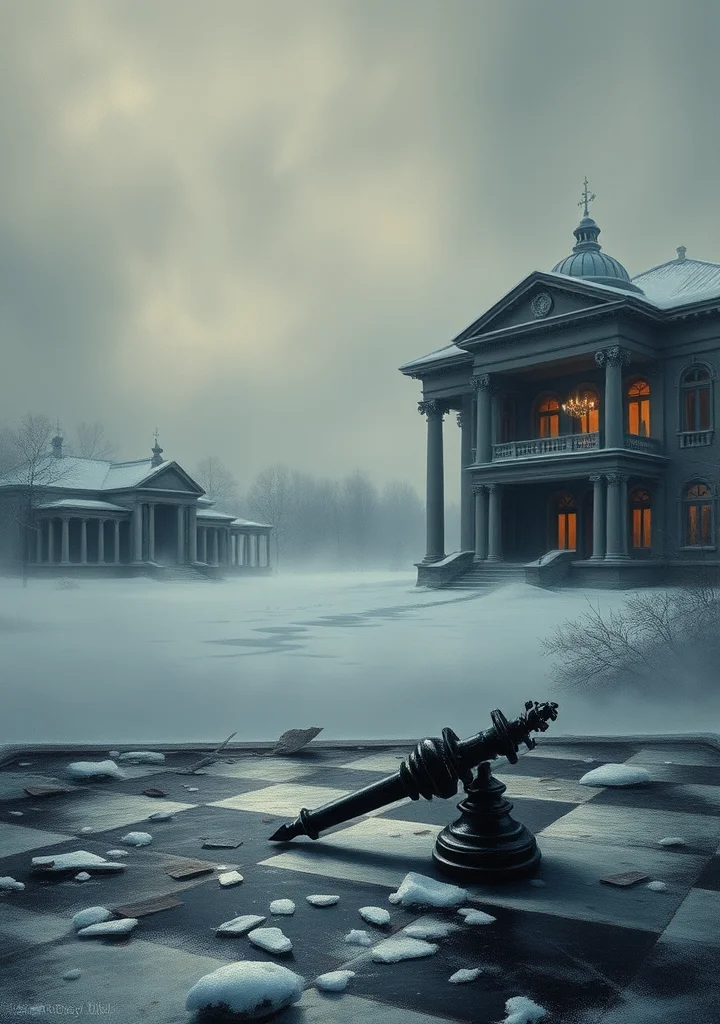
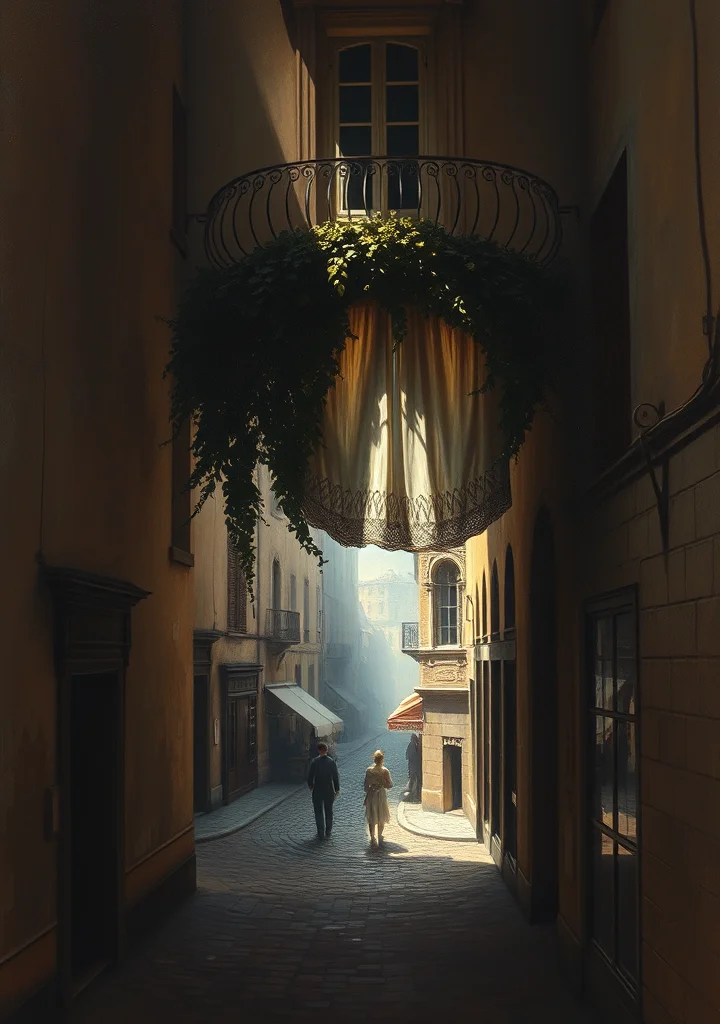
Dust motes dance in the perpetual twilight of a provincial French town, where ambition curdles into envy and secrets fester like rot beneath cobblestones. Balzac’s narrative unfolds not as a story of grand passions, but as a slow, suffocating bleed of resentment. The air hangs thick with the scent of damp earth and decaying lace, mirroring the moral decay within the tightly-knit community. Every glance is weighted with calculation, every kindness a veiled barb. A stifling stillness permeates the lives of its inhabitants, their desires contorting into grotesque shapes within the confines of their limited world. Shadows stretch long from the looming manor houses, concealing not just illicit affairs, but the gnawing hunger for social ascension, and the bitterness of those left behind. The landscape itself seems to conspire in the deception, mirroring the subtle betrayals that unravel the fragile order of this place. It is a world where reputation is a brittle currency, and the slightest fracture can shatter a life into ruin. The novel doesn't offer explosive drama, but a creeping dread, a sense of being watched by the suffocating gaze of a town consumed by its own petty grievances.
Copyright: Public Domain
This license allows anyone to use your story for any purpose, including printing, selling, or adapting it into a film freely.
Recommended for you
58 Part
Dust motes dance in the perpetual twilight of Palazzo Rucce, mirroring the slow decay of innocence within its shadowed halls. The air hangs thick with the scent of dying roses and the hushed whispers of Venetian canals, a city built on secrets and submerged desires. A young American, emboldened by naive ambition and a thirst for European refinement, finds herself drawn into the orbit of a charismatic expatriate, a master of veiled intentions. But beneath the polished veneer of Italian society, a predatory elegance unfolds. The palazzo itself breathes with a suffocating beauty, its marble floors cold beneath bare feet, its gilded mirrors reflecting not truth, but distorted fragments of a soul unraveling. A creeping sense of enclosure permeates every gilded room, a gilded cage for a heart ensnared by its own longing. The narrative isn't one of grand gestures, but of insidious erosion—the slow leaching of vitality from a spirit starved for passion, yet fed only with polite deceits. Each encounter is a tightening coil, a subtle shift in the balance of power, veiled in courteous conversation. The weight of unacknowledged expectation, the sting of unfulfilled promises, settles like a frost upon the bones. It is a portrait not of a lady’s triumph, but of her exquisite, agonizing unraveling—a descent into a gilded ruin where ambition is measured in the currency of lost futures and the only escape lies in the hollow echo of what might have been. The pallid light of waning hope casts long shadows on the marble busts, silent witnesses to a tragedy unfolding with the languid grace of a dying swan.
26 Part
A creeping dread emanates from the snow-blinded peaks surrounding the Castle, a fortress not of stone and mortar but of suffococating bureaucracy and fractured logic. The protagonist, nameless and adrift, is drawn into its labyrinthine corridors not by invitation, but by an insidious compulsion, a need to understand its impossible laws. Each attempt to reach its masters, the unseen Archduke and his attendants, is met with echoing silence, mirrored by the villagers who speak of the Castle only in hushed, fearful whispers. The landscape itself is a character – a perpetual twilight descends, smothering the world in a gray, suffocating weight. Rooms stretch into impossible distances, hallways twist into mirroring repetitions, and the very architecture seems designed to frustrate comprehension. The air is thick with the scent of damp stone and decaying paper, a testament to decades of unfulfilled petitions. A pervasive sense of futility clings to every interaction. The Castle’s inhabitants, pale and withdrawn, engage in rituals of pointless administration, their faces etched with a hollow resignation. Hope is not extinguished, but slowly eroded, replaced by a gnawing awareness of one’s own insignificance within a system that exists solely to perpetuate its own obscurity. The narrative unfolds as a descent into a waking nightmare, a prison built not of bars, but of endless, incomprehensible protocols. The Castle isn’t merely a location; it’s a symptom of a deeper, unknowable malaise, an infection of the soul.