
The Titan
  • 252
  • 0
  • 64
  • Reads 252
  • 0
  • Part 64
Completed, First published Mar 02, 2026

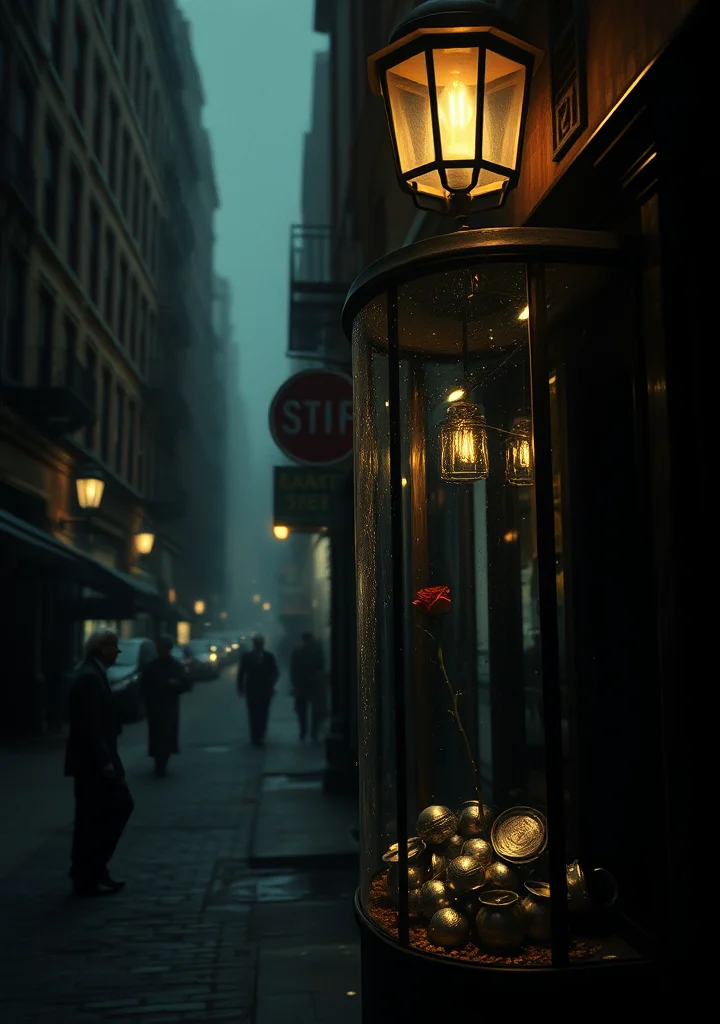
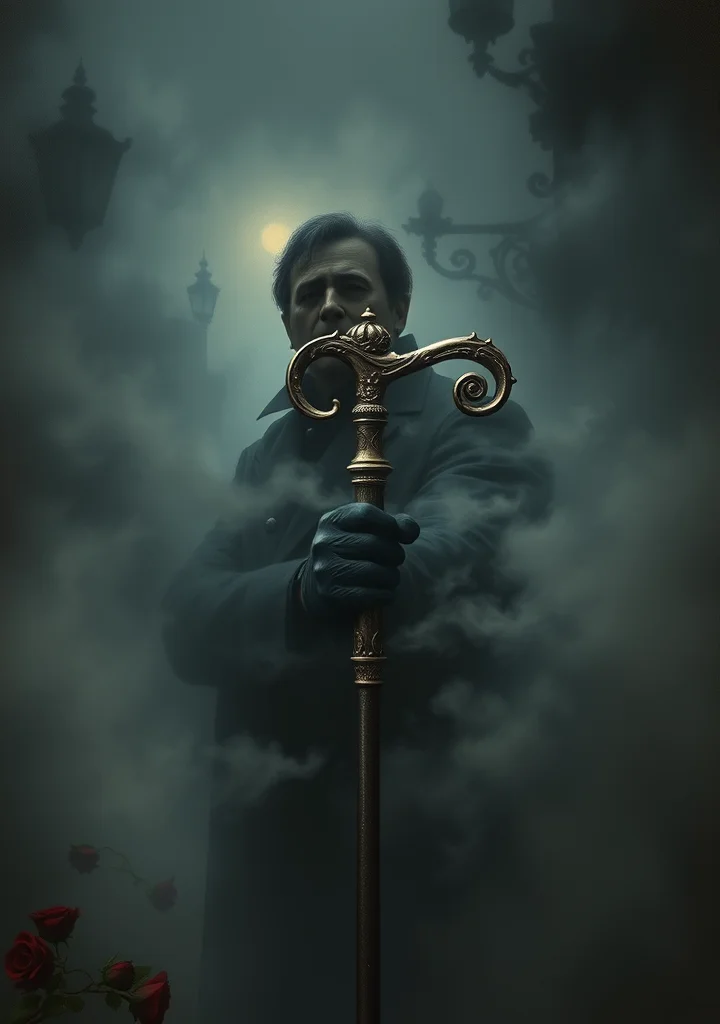
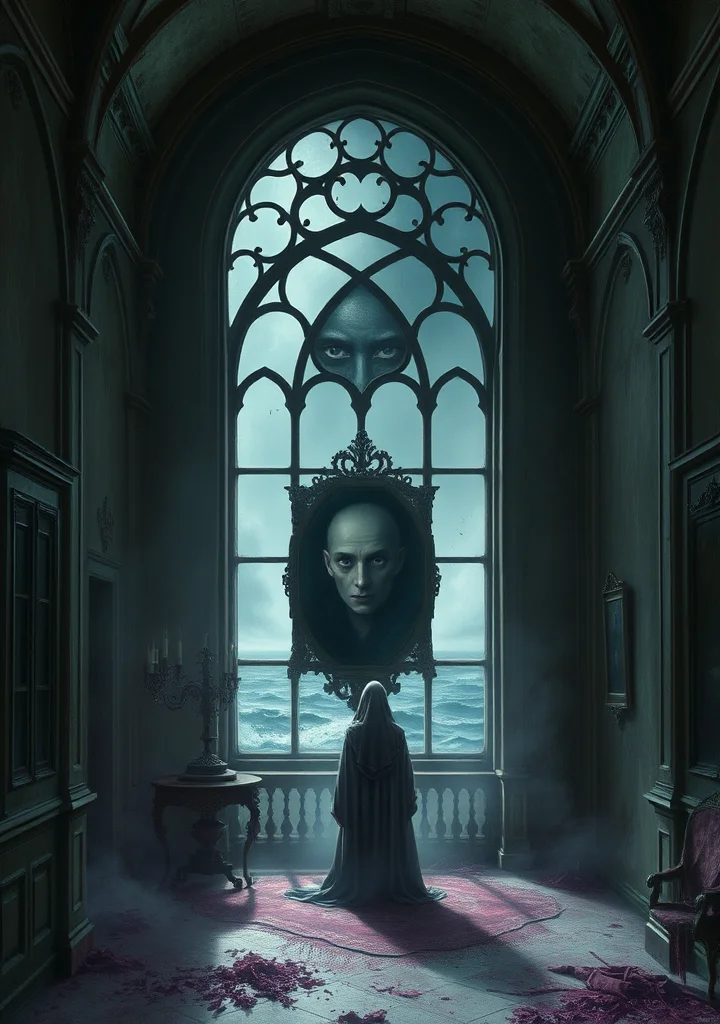
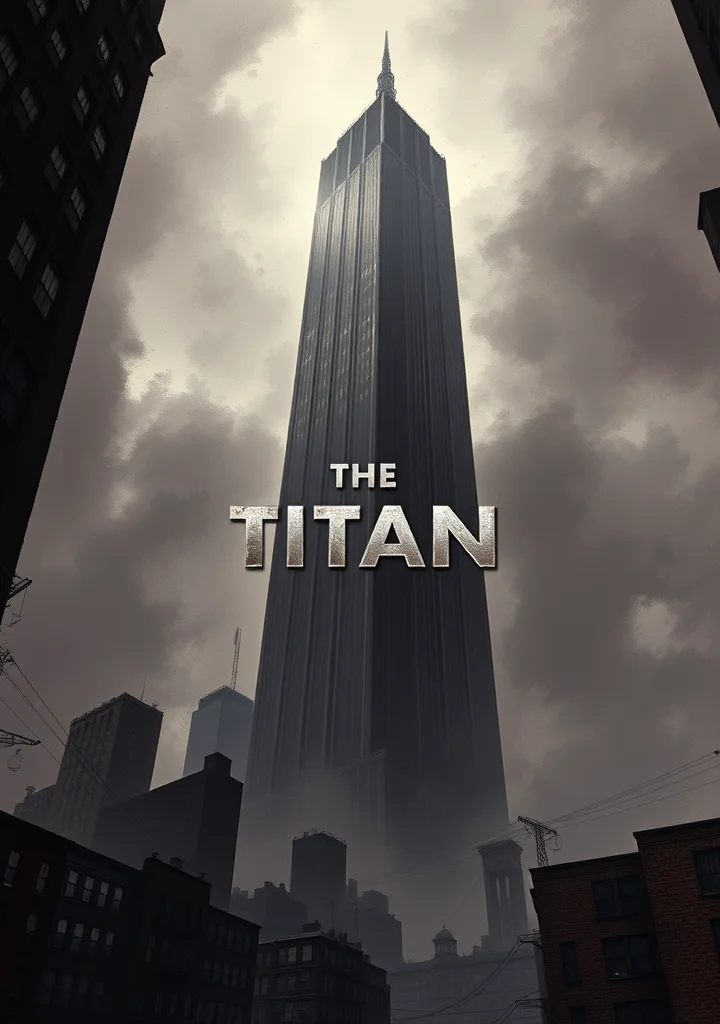
A creeping dread clings to the shadowed avenues of New York, mirroring the suffocating ambition of Silas Thorne. Dreiser paints a city not of gilded promise, but of iron bone and suffocating brick, where Thorne’s ascent – fueled by ruthless calculation and the hollow echo of inherited wealth – casts a lengthening pall over all who dare to witness it. The narrative unfolds not as a story of triumph, but as a slow, agonizing compression of the human spirit, each step on Thorne’s staircase to power marked by the crumbling residue of lives discarded as if they were merely stones in his foundation. Fog-choked streets become a labyrinth of moral decay, mirroring the labyrinth within Thorne himself. His mansion, a monolith of granite and shadowed glass, isn’t a home, but a mausoleum for the living, each room echoing with the phantom weight of compromised ideals. The air thickens with the scent of decaying ambition, of secrets corroded by greed. The narrative doesn’t revel in grand spectacle, but in the subtle rot of complicity. It's a story whispered in darkened hallways, a chill felt in the periphery of Thorne's gaze. A sense of inevitability, of a crushing, mechanical doom, pervades the pages. The titan doesn’t conquer; he consumes, leaving behind a barren landscape of broken promises and the dust of extinguished souls. The city itself seems to hold its breath, waiting for the inevitable collapse of this monstrous edifice of a man. It's a darkness not of overt horror, but of a slow, inexorable suffocation.
Copyright: Public Domain
This license allows anyone to use your story for any purpose, including printing, selling, or adapting it into a film freely.
Chapter List

64

Recommended for you
36 Part
A creeping dread settles amidst the shadowed halls of reason. Locke’s treatises are not merely political arguments, but the cold, meticulous charting of a soul’s decay as it abandons divine right for the brittle embrace of individual will. The very air thickens with the scent of damp parchment and the phantom weight of relinquished authority. Each page feels less a declaration of liberty and more a testament to the fracturing of the ancient order—a splintering of the celestial hierarchy that births a hollow, echoing freedom. The gardens of natural law are overgrown with thorns of self-interest, and the estate of property is haunted by the spectral claims of those who once held dominion through grace. A pervasive unease clings to the text, suggesting that the contract, once sealed with blood and promise, now bleeds a slow poison into the foundations of society. The specter of rebellion, a gaunt figure glimpsed in the periphery of Locke’s measured prose, suggests a final, desperate act of severance—a severance not merely from the Crown, but from the very fabric of a world understood through faith. The silence following each assertion is not one of clarity, but of a widening abyss. It is a silence where the whispers of forgotten gods mingle with the rasping breaths of those who would forge a new world from the wreckage of the old, and it is a silence that promises only the chill of an unyielding, self-made winter. The treatise is a mausoleum built not of stone, but of ideas, and the air within is heavy with the dust of lost illusions.
19 Part
A creeping dread clings to Blackwood Manor, a labyrinth of shadowed corridors and forgotten wings where the scent of decay rivals the perfume of jasmine. Within its stone embrace, Lord Ashworth’s heir is found strangled amongst the clipped hedges of the maze, a silver locket clutched in his frozen hand. But the labyrinth isn’t merely a garden folly; it’s a living, breathing entity mirroring the twisted loyalties and long-buried sins of the Ashworth family. Rain lashes against the leaded windows as Inspector Davies unravels a web of whispered accusations, secret engagements, and a legacy of madness. Each turn in the maze seems to echo with the phantom footsteps of the deceased, the rustling of silk skirts hinting at a spectral presence guiding Davies toward a truth steeped in betrayal. The house itself seems to conspire to conceal its secrets, its portraits watching with hollow eyes as shadows dance with the flickering candlelight. A suffocating claustrophobia descends with each discovered clue. The maze isn’t just a place to get lost in; it’s a tomb where the past refuses to stay buried. The killer walks among the living, shrouded in the same deceptive elegance as the manor’s decaying grandeur. The air thickens with the taste of arsenic and regret, promising a final, harrowing confrontation within the maze’s heart, where stone bleeds into darkness and the line between hunter and hunted dissolves into the echoing silence.
32 Part
Dust motes dance in perpetual twilight within the crumbling manor of Blackwood, a shadow clinging to the Yorkshire moors. Old Man Hemlock, a recluse haunted by whispers of forgotten sins, claims the earth itself has shuddered – not from earthquake or war, but from a grief so ancient it cracks the very foundations of reality. The tremors coincide with the arrival of young Alistair, a scholar driven by feverish ambition to unearth Blackwood’s lineage. He finds not history, but echoes – a lineage stained by ritual, by bargains struck with something cold and vast beneath the peat bogs. The air thickens with the scent of damp earth and decaying roses, each room a sepulchre echoing with the laughter of children long dead. Alistair’s investigations are shadowed by the silent, watchful housekeeper, a woman whose face is etched with a sorrow that predates the manor itself. As the world *does* shake – subtly, sickeningly – a creeping dread seizes the village. Livestock vanish, shadows lengthen beyond reason, and the villagers speak of a stone circle awakened by Hemlock’s lamentations. The truth, when it surfaces, is less a revelation than an unraveling. Blackwood isn’t merely built upon ancient ground; it *is* the wound in the world, a place where the veil thins and the hunger of the old gods stirs. The tremors aren’t the earth’s agony, but the pulse of something vast and terrible rising from the depths, demanding to be remembered, to be *felt* once more. Alistair, caught in its orbit, must choose between oblivion and becoming another stone in the edifice of its dreadful, silent reign.
51 Part
A creeping dread clings to the shadowed halls of Lilith, a tale spun from the decaying threads of Victorian piety and the suffocating bloom of pre-Raphaelite melancholy. MacDonald doesn’t offer simple ghosts, but a haunting inheritance of sorrow woven into the very stones of a crumbling manor. The air is thick with the scent of damp earth and forgotten prayers, as a young woman, awakened from a feverish sleep, finds herself bound to a legacy of spectral griefs. Her world is one of languid decay, where portraits weep with unseen tears and the weight of ancestral despair presses down like velvet shrouds. The house itself breathes – a living organism of sorrow, its chambers echoing with the whispers of those long vanished. A strange, ethereal presence, both alluring and terrifying, claims dominion over the estate, weaving a web of influence that ensnares the heroine in a dance with shadows. The narrative unfolds not with the clang of gothic horror, but with the slow drip of melancholia, the rustle of unseen silk, and the chilling realization that the boundaries between dream and reality, life and death, are porous and fragile. It is a story of inheritance not of wealth, but of affliction, a descent into the labyrinthine depths of a soul haunted by a past it can scarcely comprehend, yet is irrevocably bound to endure. A subtle poison of unease permeates every page, promising not a violent climax, but a quiet, insidious unraveling of the self within the suffocating embrace of Lilith’s spectral dominion.