
-
Read 197
-
0
-
Part 2
Completed, First published Mar 02, 2026
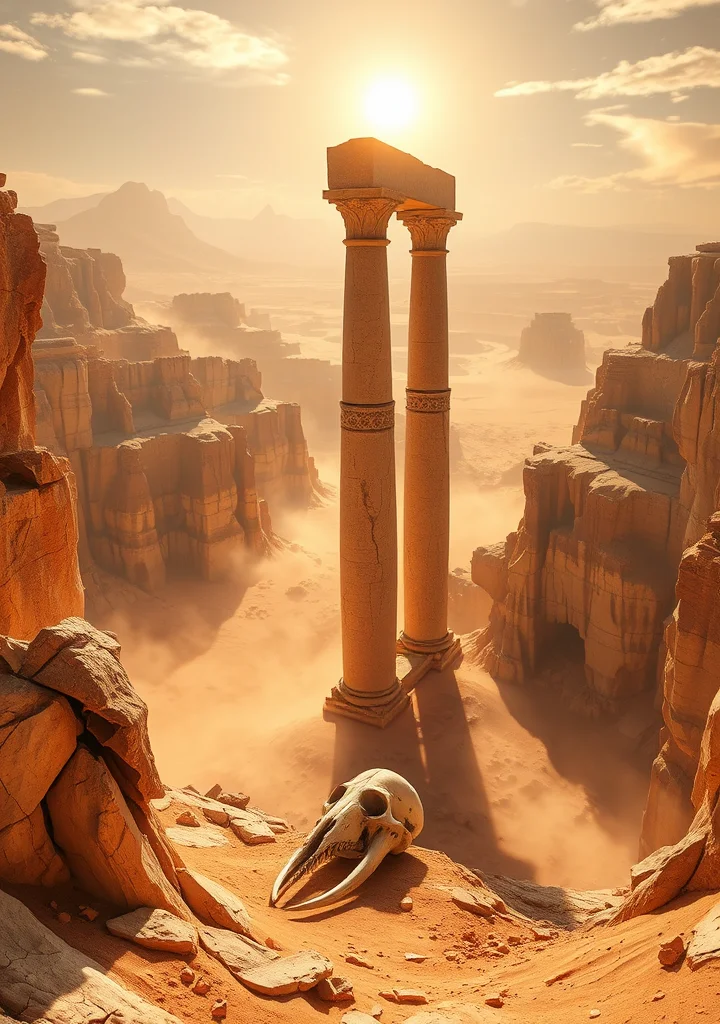
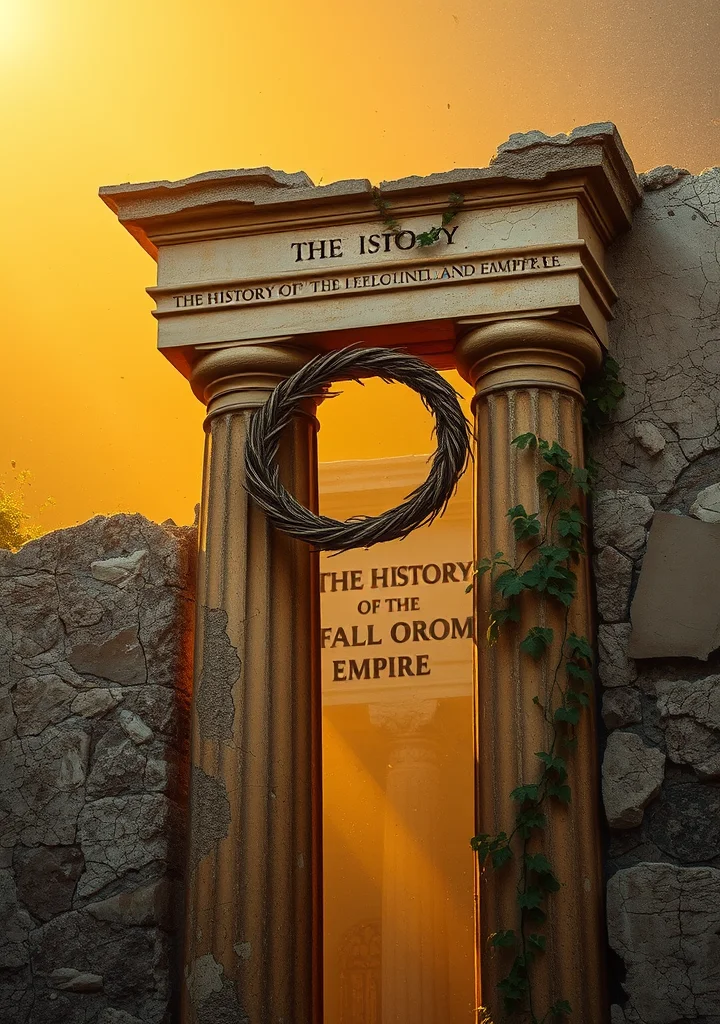
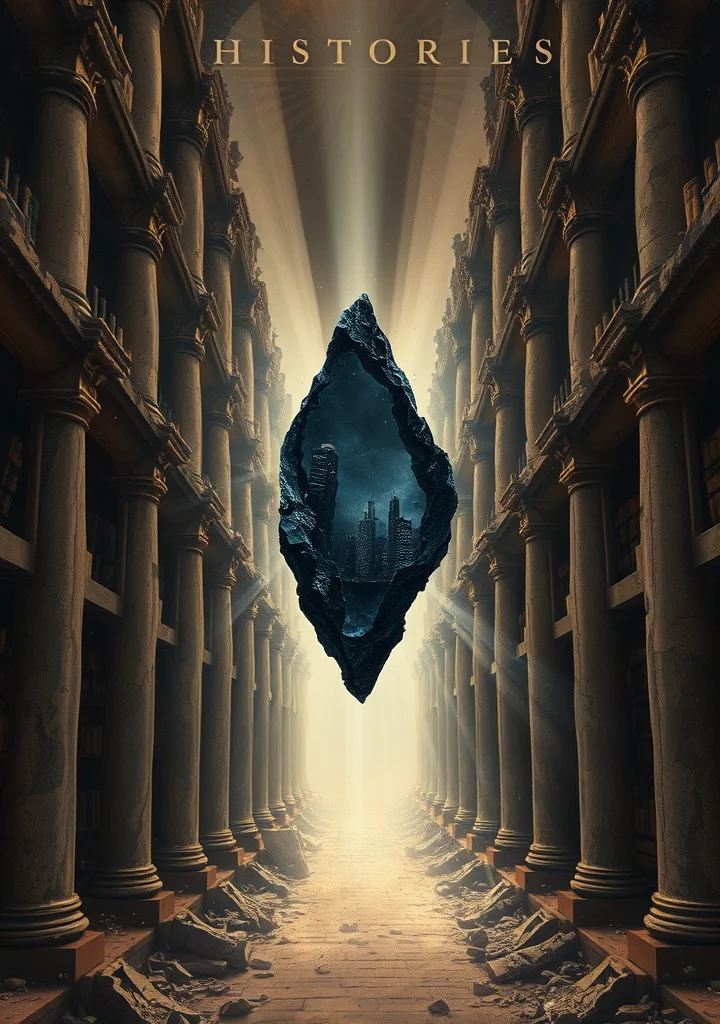
Dust motes dance in the fractured light of crumbling empires. A scent of brine and burnt offerings clings to every stone, every whispered name within these histories. Though penned by a scholar’s hand, the ink bleeds with the ghosts of forgotten kings and the lamentations of fallen cities. The narrative unfolds not as a procession of dates, but as a slow, creeping rot – a blossoming of decay across sun-bleached lands. Each tale is a shard of obsidian, reflecting the fractured soul of a world consumed by ambition and shadowed by prophecy. The air thickens with the weight of consequence, the echoes of battles fought in realms swallowed by sand. Here, victory is a fleeting reprieve, a gilded cage for the heart, and defeat…defeat is a slow unraveling into the darkness that waits beneath the dunes. The very language feels ancient, worn smooth by the touch of mourning priests and the rasp of desert winds. Observe, but do not seek to understand – for within these pages, the true horrors are not what is *told*, but what lingers in the silences between the lines, the suffocating heat of a sun that remembers too much. The weight of empires, broken and beautiful, presses down until you breathe the same air as the crumbling statues and taste the same dust as the lost gods.
Copyright: Public Domain
This license allows anyone to use your story for any purpose, including printing, selling, or adapting it into a film freely.
This license allows anyone to use your story for any purpose, including printing, selling, or adapting it into a film freely.
Chapter List
More like this