
-
Read 747
-
0
-
Part 41
Completed, First published Mar 02, 2026
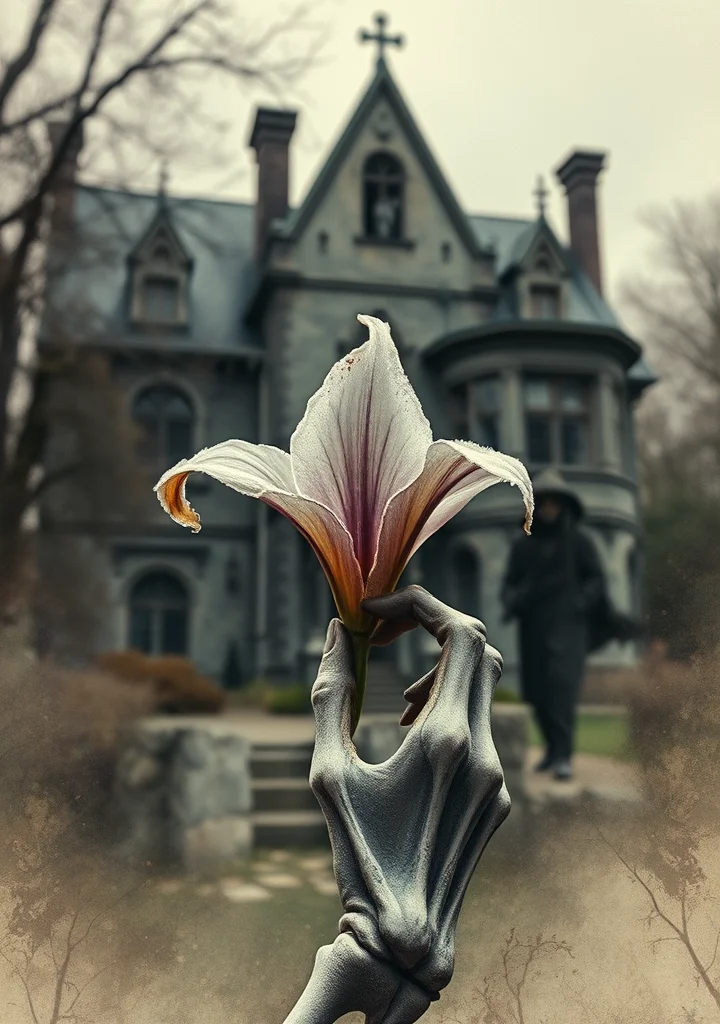
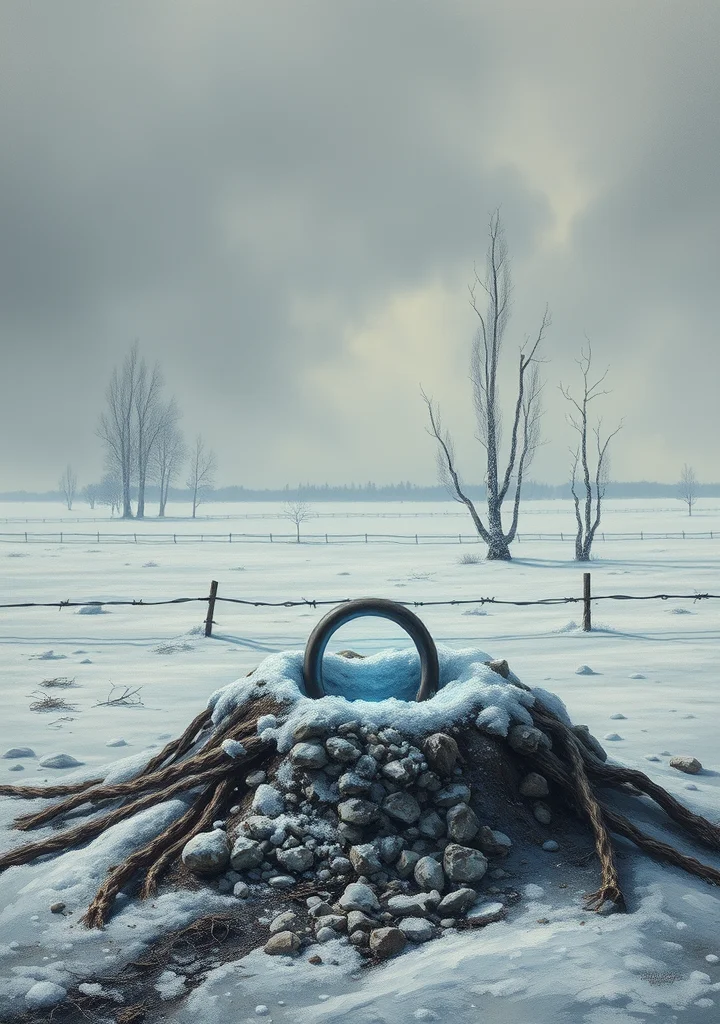
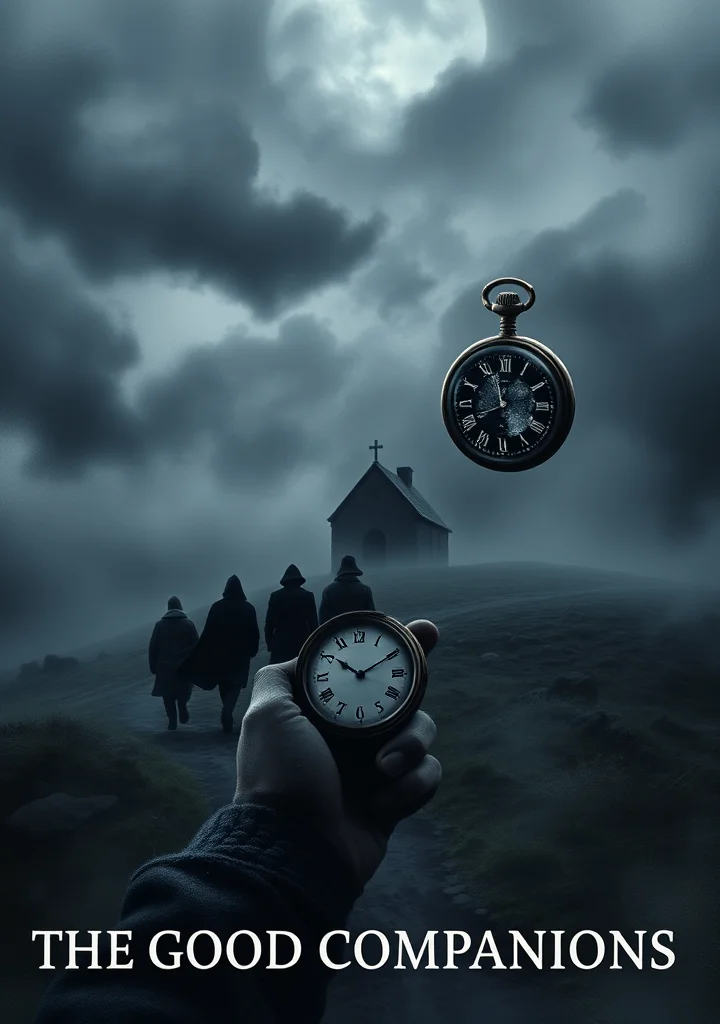
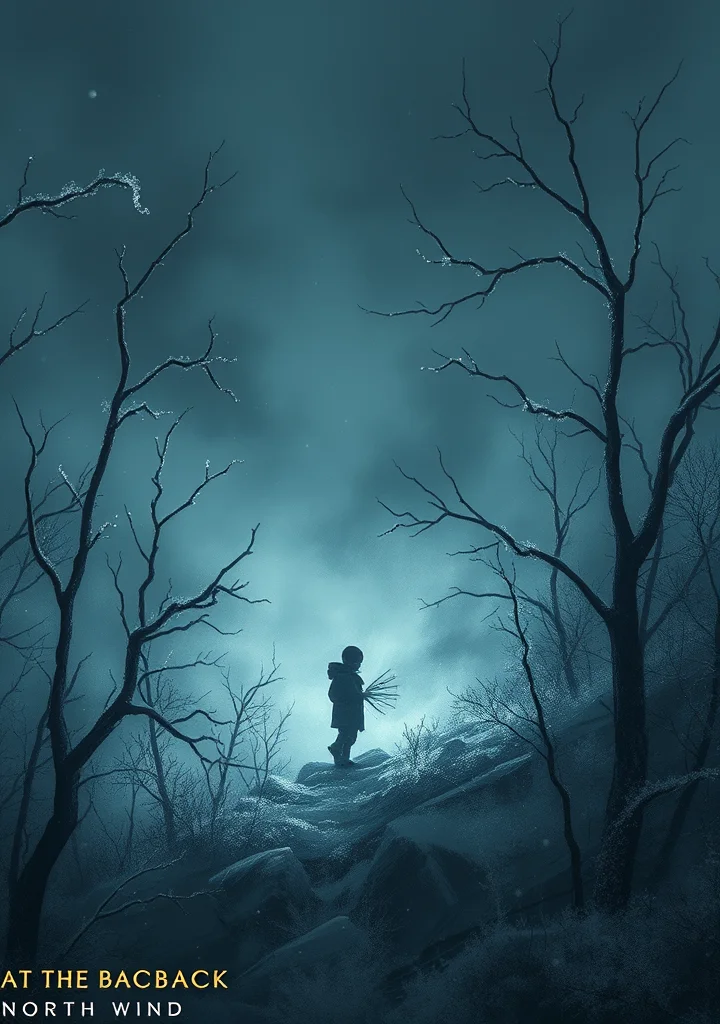
A perpetual twilight clings to the story of little Deal, snatched from a world of hearth and home by the capricious North Wind. He drifts through a realm woven from frost and shadow, a land where the very air whispers of forgotten sorrows. The narrative unfolds not as a linear journey, but as a slow unraveling of childhood wonder into a chilling awareness of mortality.
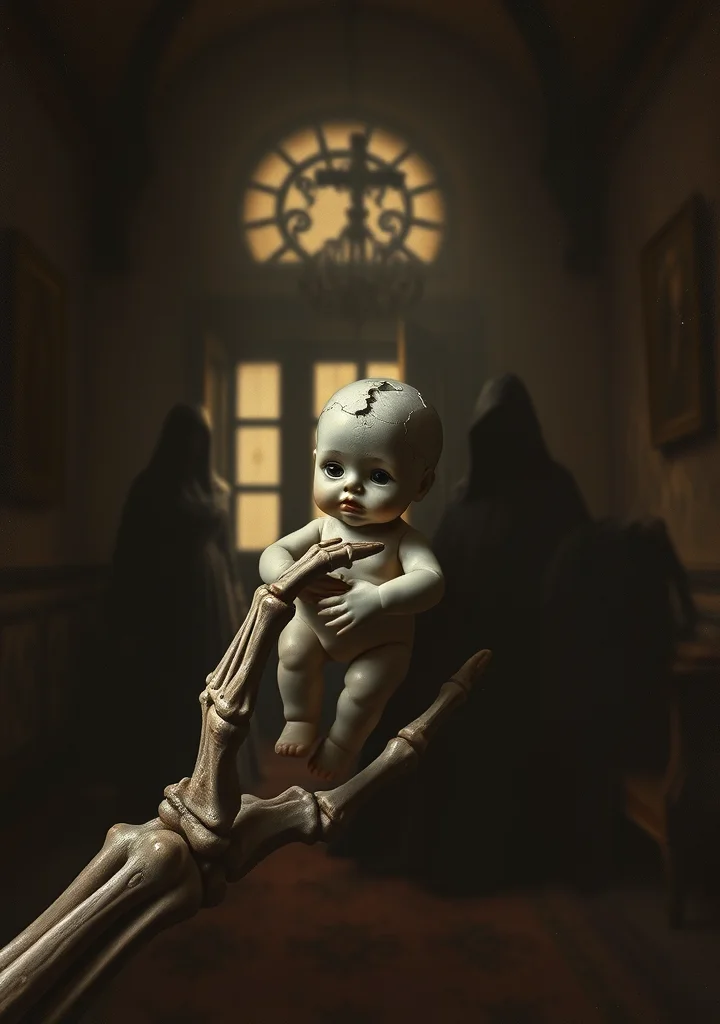
MacDonald doesn’t offer comfort, but a melancholic beauty in the face of loss. Deal’s journey is less a quest for return, and more a descent into the heart of winter's dominion, shadowed by spectral figures—a mother’s grief made visible, a raven’s omen, and the unsettling quiet of a world sculpted by the Wind’s icy breath.
Each encounter is steeped in a delicate dread, a sense of being watched by something ancient and indifferent. The story breathes with the stillness of snow-covered fields, and the hollow echo of distant bells. It’s a world where the boundary between dream and reality dissolves, leaving a residue of cold despair clinging to the pages, and a pervasive sense that the North Wind’s touch is not merely a chill, but a claiming. A haunting meditation on absence, and the fragile, ephemeral nature of belonging.
Copyright: Public Domain
This license allows anyone to use your story for any purpose, including printing, selling, or adapting it into a film freely.
This license allows anyone to use your story for any purpose, including printing, selling, or adapting it into a film freely.
Chapter List
-
« At the Back of the North Wind »📖 Continue Reading
-
« I »
-
« II »
-
« III »
-
« IV »
-
« V »
-
« VI »
-
« VII »
-
« VIII »
-
« IX »
-
« X »
-
« XI »
-
« XII »
-
« XIII »
-
« XIV »
-
« XV »
-
« XVI »
-
« XVII »
-
« XVIII »
-
« XIX »
-
« XX »
-
« Little Boy Blue »
-
« XXI »
-
« XXII »
-
« XXIII »
-
« XXIV »
-
« The True Story of the Cat and the Fiddle »
-
« XXV »
-
« XXVI »
-
« XXVII »
-
« XXVIII »
-
« XXIX »
-
« XXX »
-
« XXXI »
-
« XXXII »
-
« XXXIII »
-
« XXXIV »
-
« XXXV »
-
« XXXVI »
-
« XXXVII »
-
« XXXVIII »
41
-
« At the Back of the North Wind »
-
« I »
-
« II »
-
« III »
-
« IV »
-
« V »
-
« VI »
-
« VII »
-
« VIII »
-
« IX »
-
« X »
-
« XI »
-
« XII »
-
« XIII »
-
« XIV »
-
« XV »
-
« XVI »
-
« XVII »
-
« XVIII »
-
« XIX »
-
« XX »
-
« Little Boy Blue »
-
« XXI »
-
« XXII »
-
« XXIII »
-
« XXIV »
-
« The True Story of the Cat and the Fiddle »
-
« XXV »
-
« XXVI »
-
« XXVII »
-
« XXVIII »
-
« XXIX »
-
« XXX »
-
« XXXI »
-
« XXXII »
-
« XXXIII »
-
« XXXIV »
-
« XXXV »
-
« XXXVI »
-
« XXXVII »
-
« XXXVIII »
More like this