
The Enormous Room
  • 314
  • 0
  • 13
  • Read 314
  • 0
  • Part 13
Completed, First published Mar 02, 2026

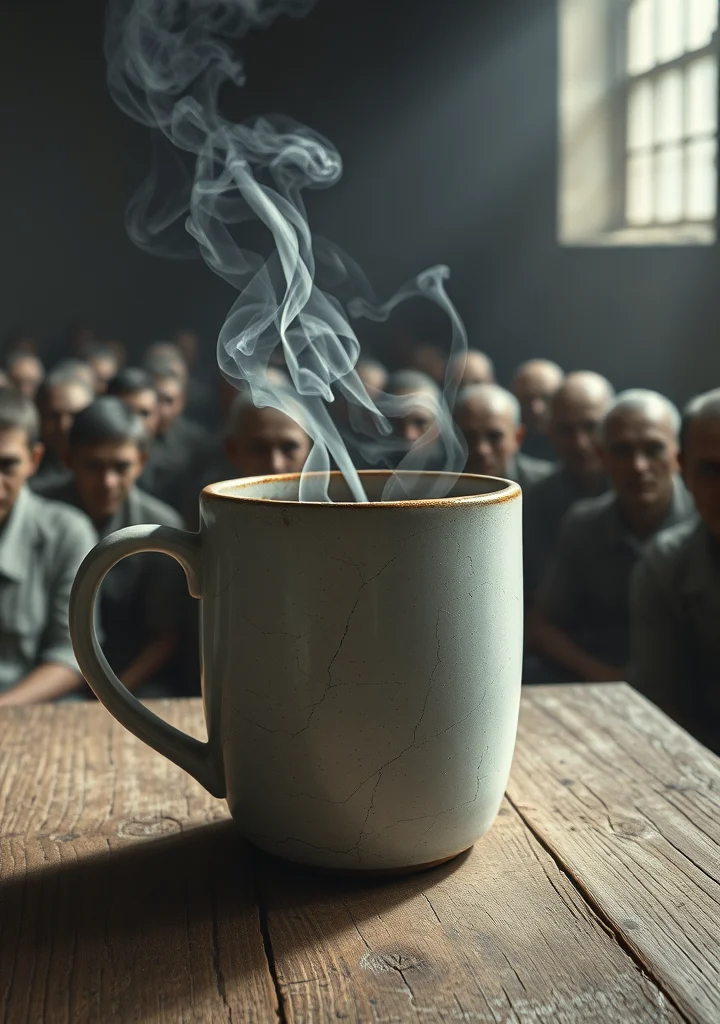
Dust motes dance in the perpetual twilight of a French prison camp, a suffocating stillness broken only by the rasp of coughs and the echoing, fractured pronouncements of men stripped bare. Not of flesh, but of identity. The narrative coils like smoke, less a linear progression than a haunting accretion of moments – a chipped mug, a shared cigarette, a stolen glance revealing a flicker of humanity within the bone-grey uniformity. It isn’t brutality that suffocates here, but an insidious erosion of self. The room itself breathes with a damp, earthy despair, its boundaries not walls of stone, but the unraveling threads of sanity. Cummings doesn’t deal in grand escapes or heroic resistance; he offers instead a claustrophobic descent into the fractured consciousness of men defined not by what they’ve done, but by what they *are becoming*. The prose is a fractured mirror, reflecting the shards of memory, the absurdities of authority, the slow, creeping dissolution of hope. It’s a prison not of bars, but of silence, of the unnameable weight of existing in a space deliberately designed to extinguish the flame of the individual. A creeping dread permeates every sentence, less a scream of anguish than a whisper of oblivion. The Enormous Room doesn’t reveal the horrors it witnesses; it *becomes* them.
Copyright: Public Domain
This license allows anyone to use your story for any purpose, including printing, selling, or adapting it into a film freely.
Recommended for you

8 Part
A suffocating stillness clings to the Gabler estate, a mausoleum of inherited wealth and decaying ambition. Within its shadowed parlors, Hedda, a bride newly returned, breathes a discontent that curdles the air. Not a tale of spectral hauntings, but of a hollowness that consumes from within. The scent of withered blooms and unsent letters permeates every room, mirroring the slow rot of Hedda’s spirit. A suffocating marriage, a stifled legacy—these become the bars of her gilded cage. The narrative unfolds as a slow bleed of frustration, a poisonous flowering of cruelty masked by polite society’s veneer. Each conversation, a brittle exchange of veiled threats and unspoken desires. A creeping dread settles with the dusk, fueled by whispered secrets and the echoes of past tragedies. The estate itself becomes a character, its oppressive architecture mirroring Hedda’s constriction, the scent of decay clinging to her every action. The air thickens with the weight of unfulfilled longing, a perverse obsession with control blooming in the shadows of her discontent. A sense of inevitable collapse permeates the story, not through grand catastrophe, but through the quiet, agonizing unraveling of a woman suffocated by expectation, driven to desperate measures within the suffocating confines of her own making. The ending lingers not as a resolution, but as a chilling residue—a cold, elegant despair that seeps into the very foundations of the house and the reader’s soul.
42 Part
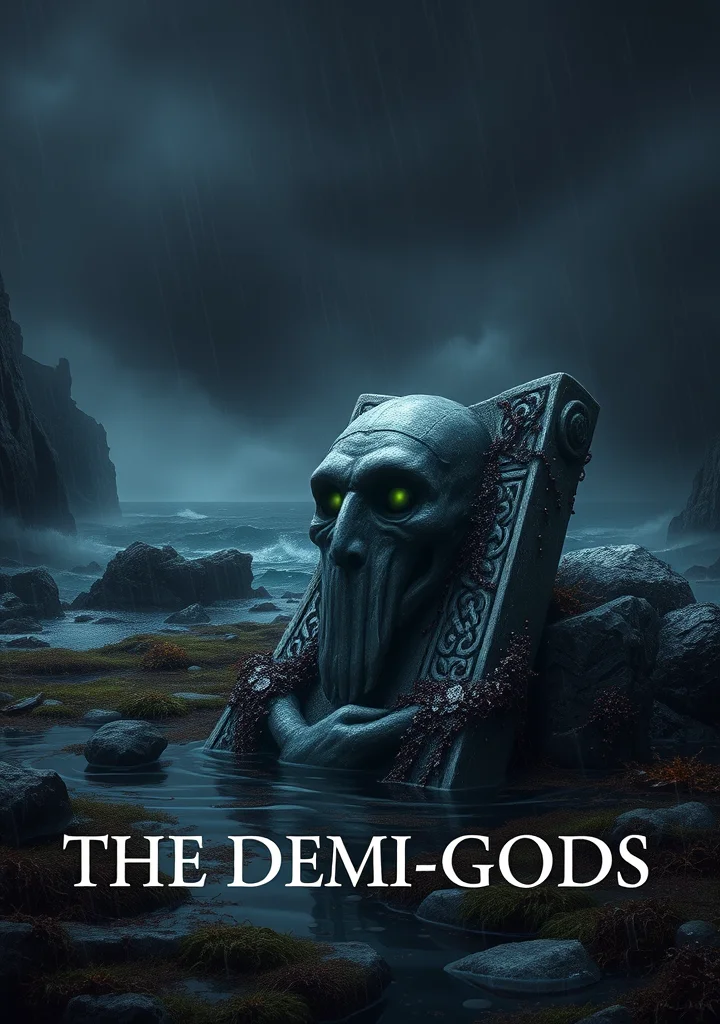
A creeping dread clings to the Irish coast, thick as the bog mire that swallows men whole. Stephens weaves a tale not of heaven or hell, but of the liminal spaces between, where the remnants of ancient, pagan deities bleed into the fractured lives of mortals. The narrative unfolds within a suffocating village steeped in superstition, where whispers of forgotten gods stir in the peat smoke and the sea’s cold breath carries the scent of something older than time. Each character is a fractured vessel—a priest haunted by visions, a woman possessed by a spectral sorrow, a boy touched by the cold hand of the otherworld. Their desires, their failures, their very breaths seem drawn from the decaying grandeur of a lost age. The world isn’t simply haunted; it *is* haunting—a slow rot of the soul mirroring the crumbling stone circles and the drowned chapels swallowed by the relentless tide. The prose itself feels like unearthed bone, brittle and cold, layered with the scent of brine and decay. Stephens doesn’t offer salvation, only a glimpse into the echoing emptiness where the gods once walked, leaving behind only echoes of their power and the lingering stain of their absence. It’s a world where the boundaries between reality and nightmare blur, where every shadow holds a watchful eye, and the very earth seems to breathe with a mournful, forgotten hunger. The air tastes of salt and regret, and the story unfolds like a slow, inexorable drowning in the grey light of a dying world.