
Short Fiction
  • 72
  • 0
  • 31
  • Reads 72
  • 0
  • Part 31
Completed, First published Mar 02, 2026

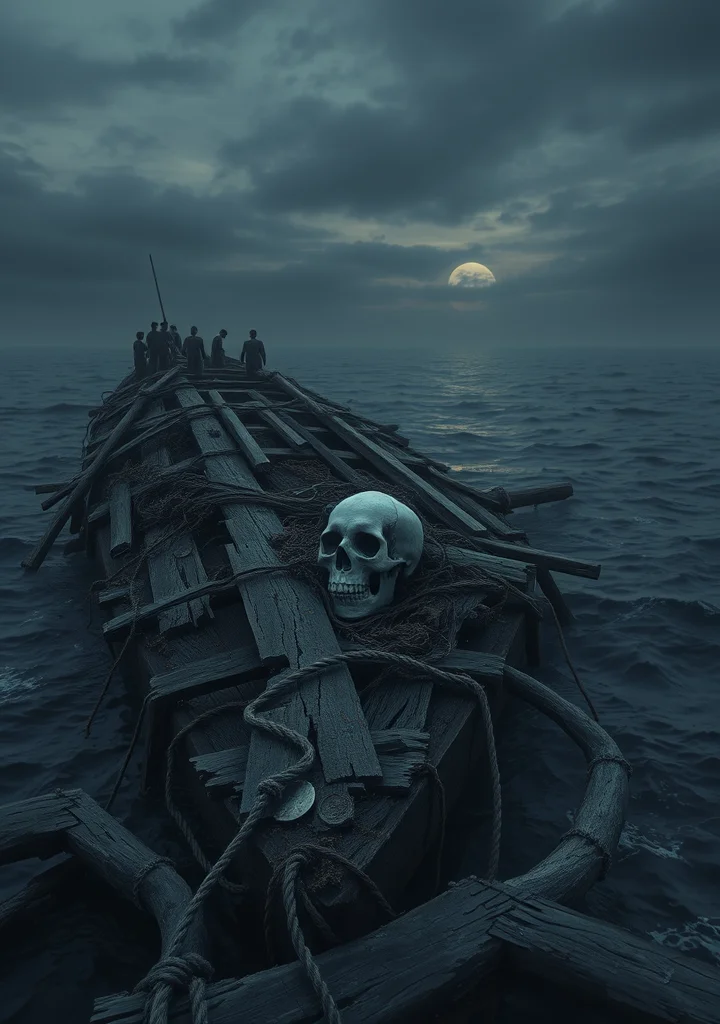
A creeping dread clings to these shadowed tales, born from the salt-stained heart of a man haunted by the vastness of his own making. Melville, even in brevity, conjures a world where the line between waking nightmare and cold reality dissolves like brine on weathered wood. Each story feels dredged from a forgotten wreck—fragments of obsession, glimpses of spectral grief, and the suffocating weight of isolation. The prose, though distilled, retains the marrow-deep chill of his larger works, hinting at monstrous forms lurking just beyond the lantern’s reach. These are not stories of adventure, but of the slow, insidious corrosion of the human spirit. A palpable sense of decay permeates each page, as if the very ink bleeds with the rot of submerged cities and the whispers of drowned men. Expect not grand spectacle, but the claustrophobic horror of a single, unraveling mind. A suffocating darkness settles with the first sentence, leaving the reader adrift on a sea of unease, bound by the mournful cadence of Melville’s spectral voice. The tales feel less *written* than *exhumed*, unearthed from a tomb where the air hangs thick with the scent of brine, madness, and the cold embrace of oblivion.
Copyright: Public Domain
This license allows anyone to use your story for any purpose, including printing, selling, or adapting it into a film freely.
Recommended for you
25 Part
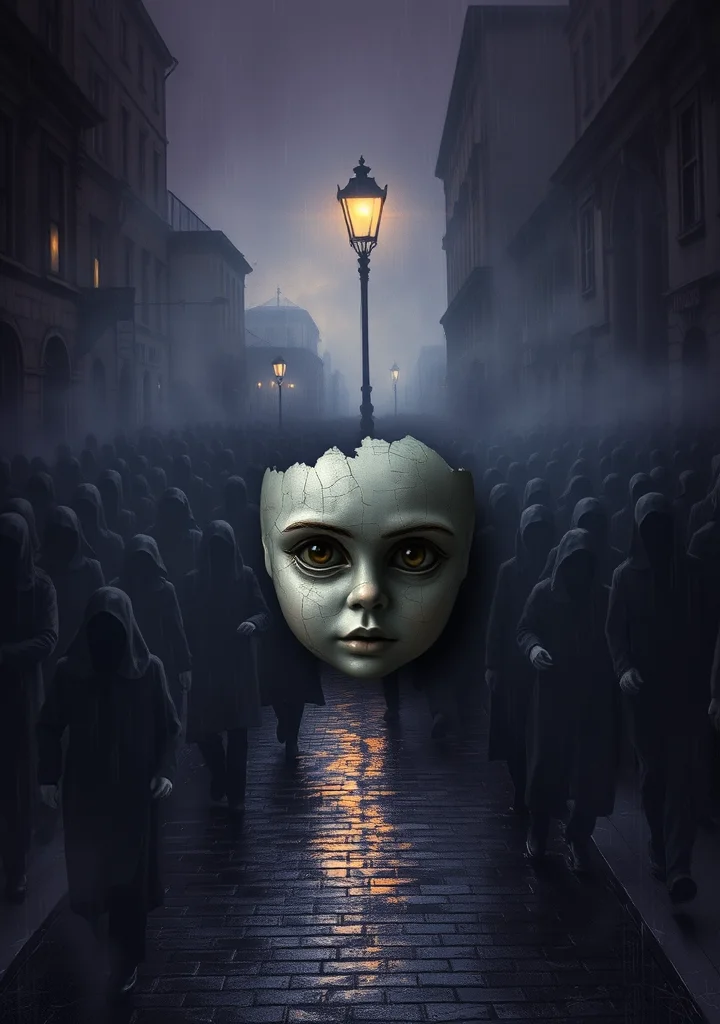
A creeping dread settles over the village of Lindeth, a place steeped in shadow and the scent of decaying grandeur. The Rector, a man haunted by quiet grief and a past he cannot outrun, finds himself inexorably drawn into the orbit of the Doctor’s family – a brittle, decaying lineage clinging to respectability amidst whispers of inherited madness. The house itself, a stone leviathan overlooking the grey expanse of the moor, breathes with a suffocating stillness, mirroring the suffocated lives within. A subtle unraveling begins, a slow bleed of secrets into the damp air. The Doctor's wife, a woman carved from ice and regret, watches her children with a chilling detachment, while their very existence feels predicated on a delicate, unspoken bargain. The Rector’s attempts at benevolent observation become entangled in a web of suppressed resentments, hidden debts, and a history of heartbreak that stains every antique surface. Fog clings to the cobbled streets, mirroring the obscuring influence of family history. The narrative moves not with swift shocks, but with the slow, deliberate chill of a winter frost. Each act of kindness, each offered prayer, feels tainted by the pervasive sense that something unspeakable is being prolonged, not prevented. A suffocating claustrophobia descends as the Rector's sympathy becomes complicity, and the house, the family, and the moor itself conspire to conceal a darkness at the heart of Lindeth’s soul. It is a story of the living dead, bound by obligation and circumstance, where the true horror lies not in what is revealed, but in what remains forever buried within the stone walls and fractured hearts.
62 Part
Dust motes dance in the fading light of provincial chateaux, mirroring the slow decay of ambition and the brittle fragility of hope. These letters, unearthed from forgotten bureaux and damp attics, whisper of two women bound by circumstance and the suffocating weight of societal expectation. One, a bride purchased for lineage, haunted by the spectral echoes of a loveless marriage. The other, a bride of convenience, her youth traded for the preservation of a crumbling estate. The narrative unfolds not in grand pronouncements, but in the tremor of a penned word, the bleed of ink mirroring the slow erosion of their spirits. Each missive is a fragment of a fractured life, stained with the bitter residue of betrayal, the chill of isolation, and the gnawing desperation for a love that exists only in the shadowed corners of their dreams. A pervasive melancholy clings to the pages, thick as the fog that shrouds the ancestral homes. The air hangs heavy with the scent of dying roses and the unspoken resentments that fester beneath layers of silk and lace. The landscapes—bleak vineyards, crumbling manors, and the oppressive silence of shadowed forests—become extensions of the women's internal landscapes: barren, desolate, and haunted by the ghosts of promises broken. The letters themselves are not merely communication, but desperate pleas cast into a void, each echoing with the chilling realization that they are trapped within a labyrinth of obligation and despair, their fates inextricably intertwined with the decaying grandeur of a bygone era.
313 Part
A descent into shadowed valleys where morality itself is a crumbling edifice. The air hangs thick with the scent of decay, not of flesh, but of belief. This is a landscape carved from the obsidian of doubt, where the sun bleeds into a perpetual twilight and the echoes of forgotten gods whisper through fractured minds. It isn’t a story of villains to be vanquished, but of masks discarded, revealing the cold, magnificent indifference beneath. Each chapter unfolds like a slow unraveling—a descent not into sin, but beyond its very definition. The narrative clings to the jagged edges of reason, tracing the contours of a will to power that consumes not with fire, but with a glacial, irresistible logic. Shadows stretch from the ruins of old values, twisting into monstrous forms born of ambition and ressentiment. There are no heroes here, only climbers scaling the precipice of their own self-overcoming, their hands stained with the dust of shattered idols. The silence between the lines is a vast, echoing chasm—a void mirroring the abyss within each self-proclaimed ‘good’ man. It’s a chronicle of becoming, of forging a new dawn from the embers of a dying world, a world where the only truth is the will to create, to destroy, to *become* beyond the shackles of pity and remorse. The landscape is one of perpetual internal warfare, where the battlefield is the self, and the stakes are nothing less than the remaking of existence itself.