
-
Read 341
-
0
-
Part 12
Completed, First published Mar 02, 2026
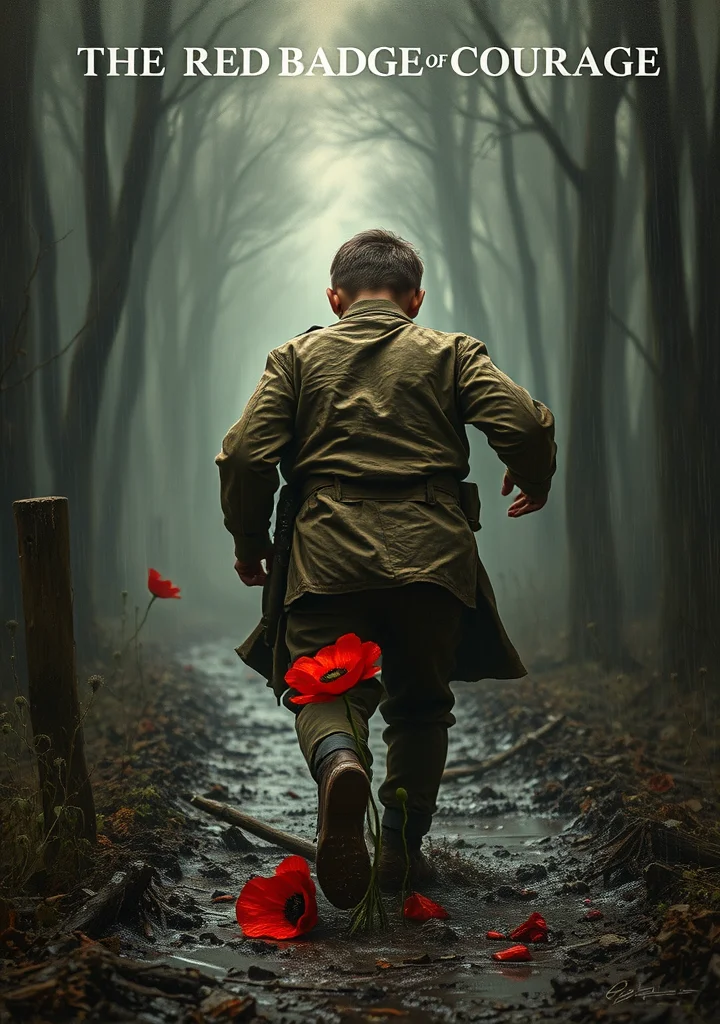
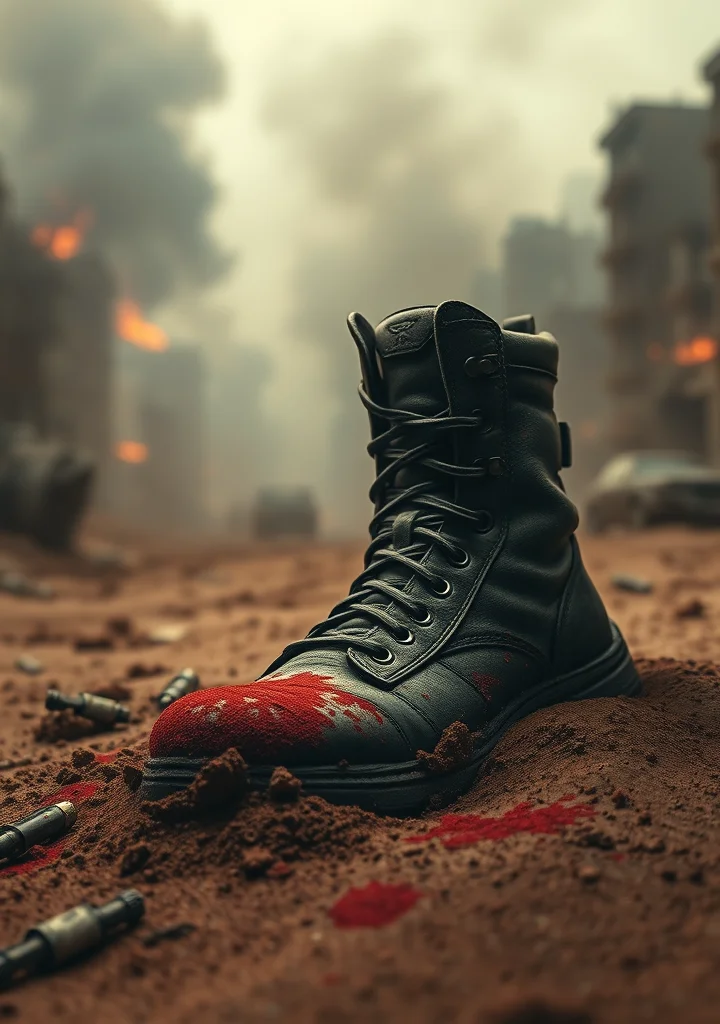
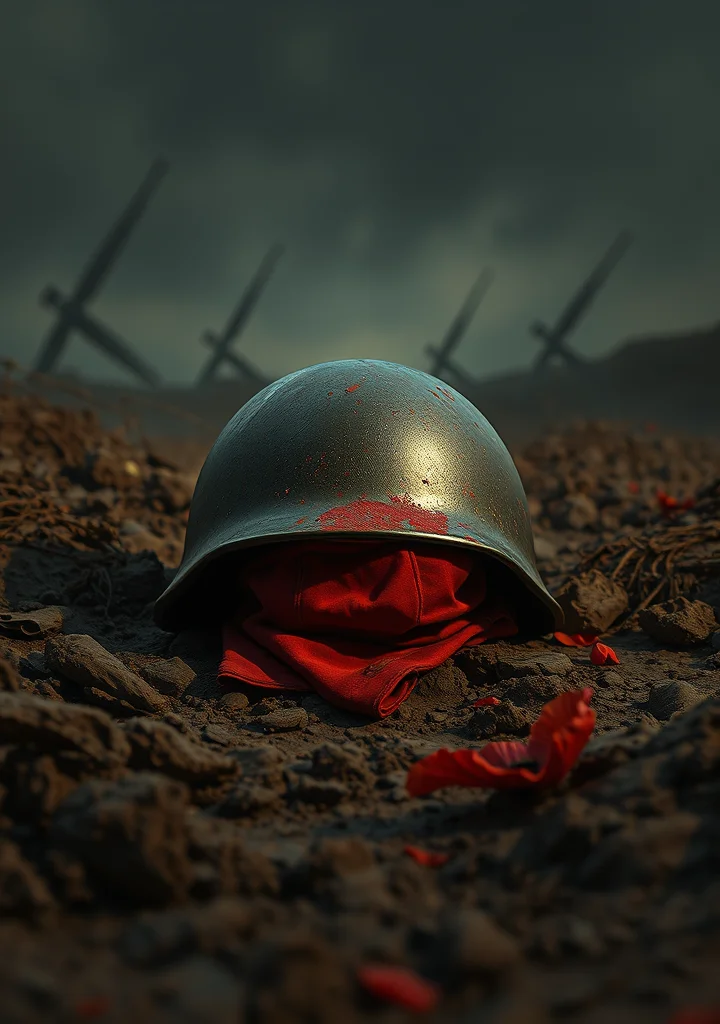
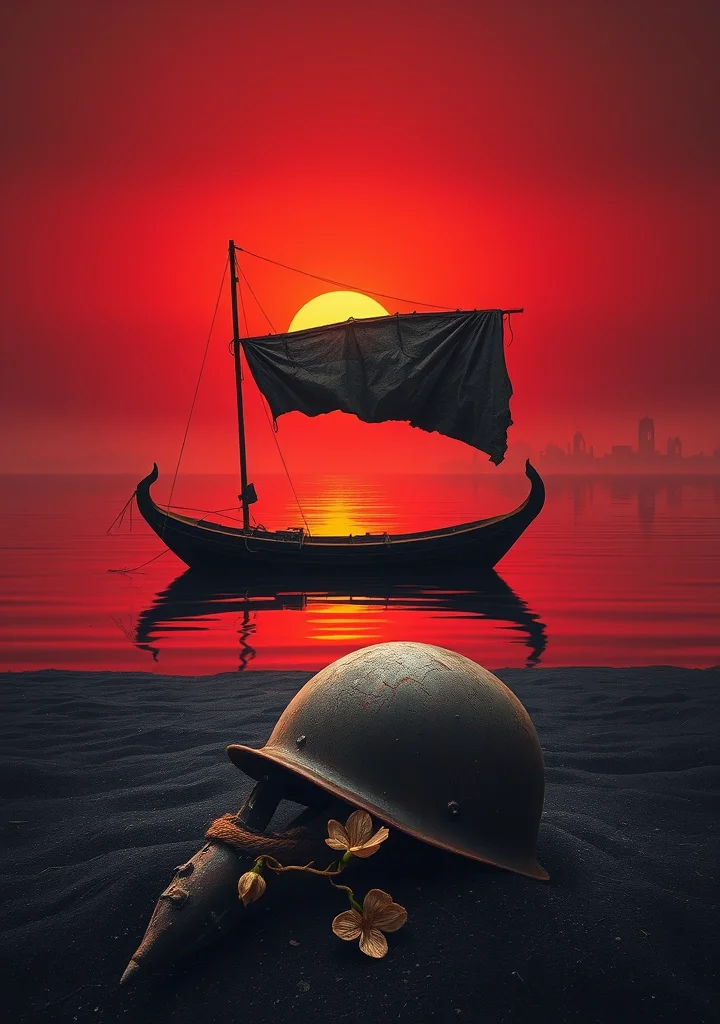
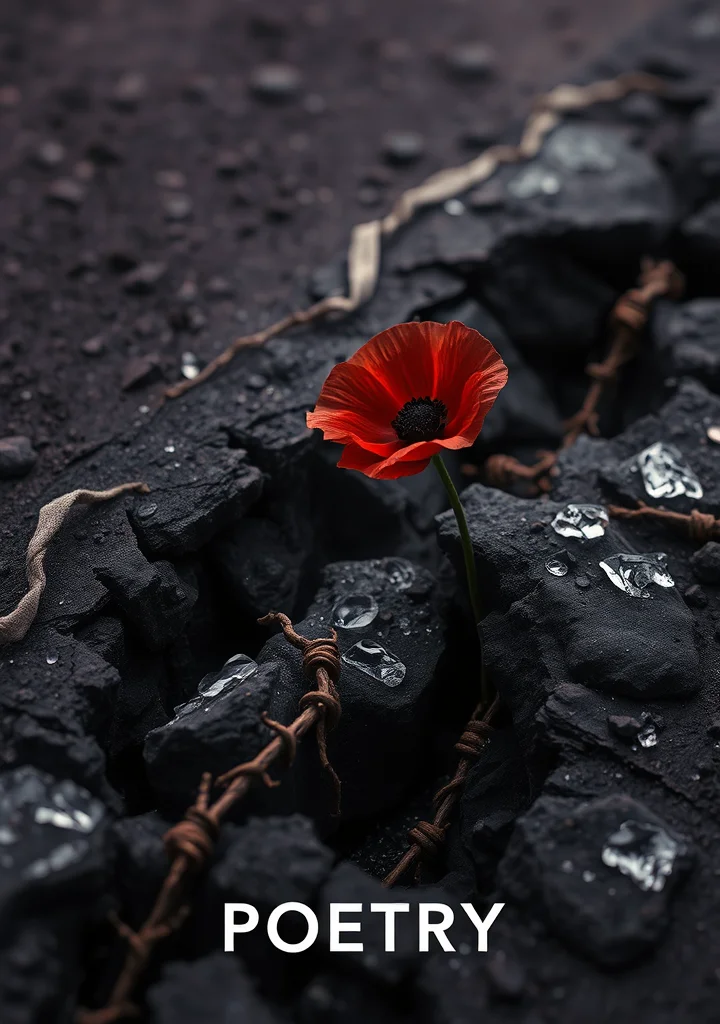
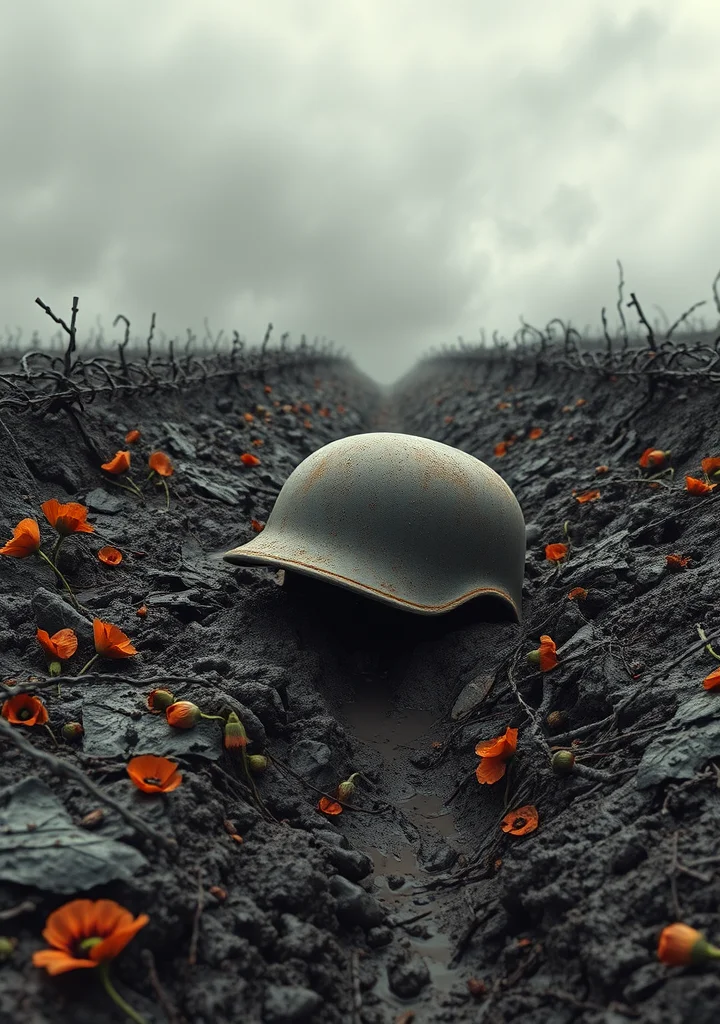
The mud breathes with the dead. A creeping, grey rot consumes not just bodies, but the very souls of young men fed into the maw of a war that offers no glory, only the slow, agonizing dissolution of hope. This is a landscape of shattered teeth and whispered prayers swallowed by artillery fire. The trenches aren’t merely lines on a map, but open wounds in the earth, bleeding a perpetual twilight of fear. Every shell blast doesn’t just tear flesh, it fractures the illusion of youth, leaving behind hollowed men haunted by phantom limbs and the faces of comrades dissolved into the smoke. The air hangs thick with the metallic tang of blood and the cloying sweetness of decay, a perfume of oblivion clinging to every ragged breath. There’s no heroism here, only the animal instinct to survive, gnawing at the edges of sanity. The silence, when it comes, isn't peace, but the muffled echo of screams swallowed by the earth, a quietude bought with the lives of boys who will never again feel the sun on their faces, only the cold, damp weight of the mud above their vacant eyes. It’s a descent into a darkness where the boundaries between life and death blur, and the only certainty is the relentless, grinding march toward an ending that offers no redemption, only the final, suffocating stillness.
Copyright: Public Domain
This license allows anyone to use your story for any purpose, including printing, selling, or adapting it into a film freely.
This license allows anyone to use your story for any purpose, including printing, selling, or adapting it into a film freely.
More like this