
-
Read 159
-
0
-
Part 10
Completed, First published Mar 02, 2026
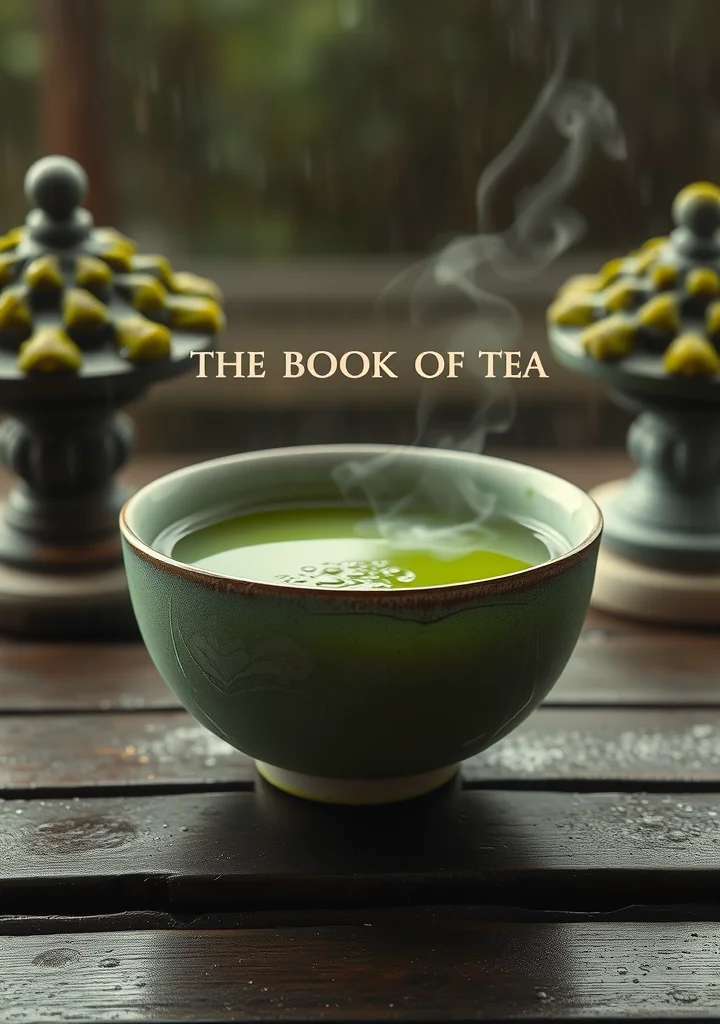
A stillness clings to these pages, a damp chill rising not from ink and paper, but from the shadowed gardens of forgotten temples. The scent of rain-soaked moss and aged cedarwood permeates every line, a fragrance of ritual and decay. Here, not within tales of specters or crumbling manors, but in the quietude of a cup, a melancholic dread unfolds. It is a world where the very act of brewing becomes a communion with ghosts – the spirits of artisans, the sigh of ancestors, the lingering echoes of empires consumed by dust. Each chapter feels less a reading, and more a slow descent into a twilight landscape, mirroring the delicate fragility of a porcelain bowl against an infinite blackness. The narrative isn't one of overt horror, but of exquisite, creeping loneliness; a refinement of sorrow until it becomes indistinguishable from the pale, translucent light filtering through paper screens. A creeping unease that the ceremony, so perfectly executed, is not a celebration of life, but a solemn farewell to all that once breathed. The book holds a quiet desperation, as if the last embers of a dying culture are being meticulously arranged, then extinguished, in the steam of a single cup.
Copyright: Public Domain
This license allows anyone to use your story for any purpose, including printing, selling, or adapting it into a film freely.
This license allows anyone to use your story for any purpose, including printing, selling, or adapting it into a film freely.
More like this