
Voodoo Planet
  • 60
  • 0
  • 9
  • Reads 60
  • 0
  • Part 9
Completed, First published Mar 02, 2026

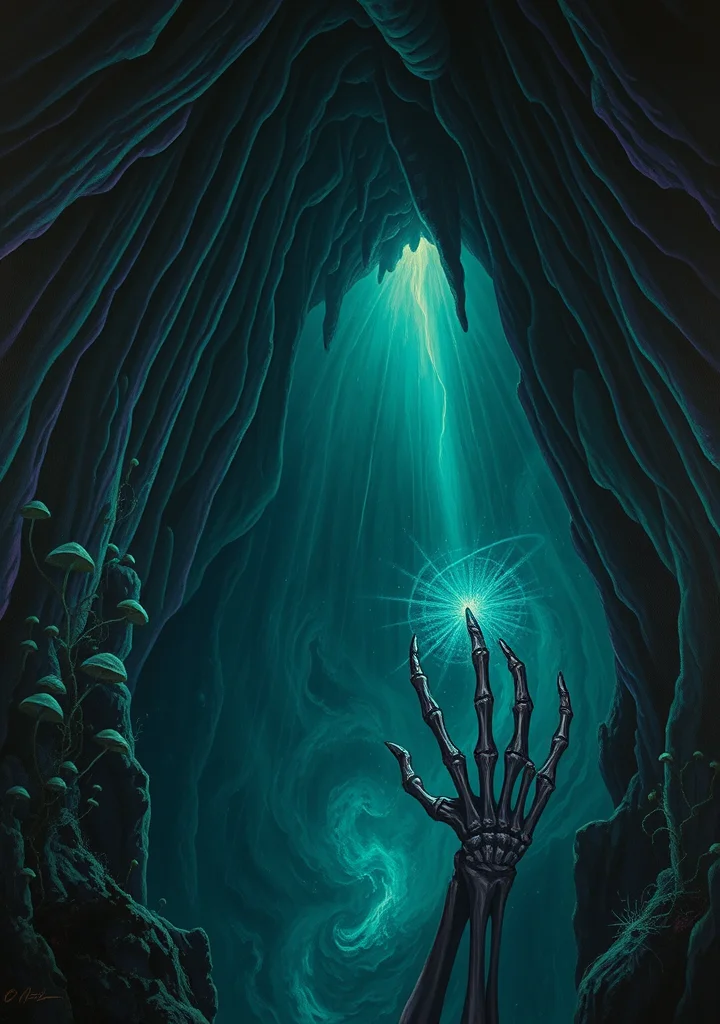
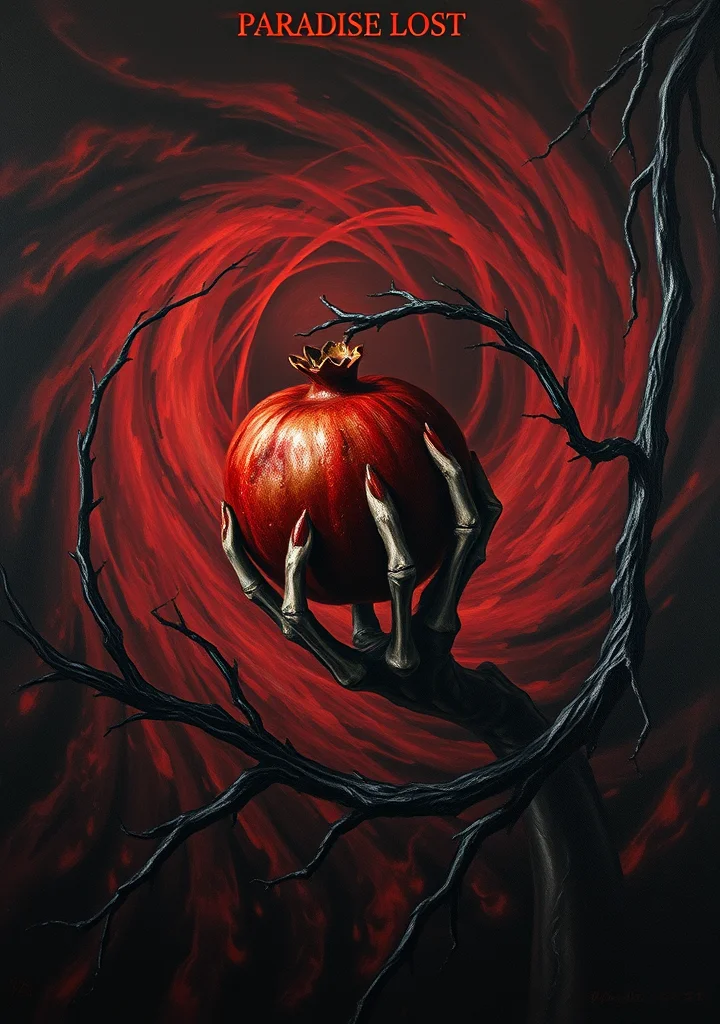
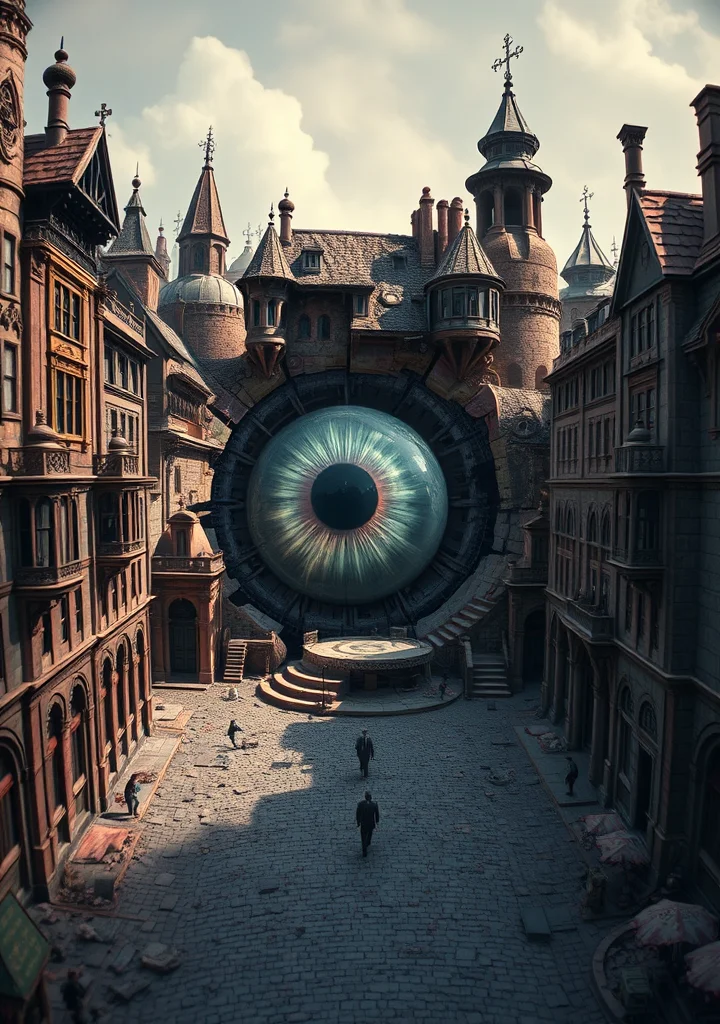
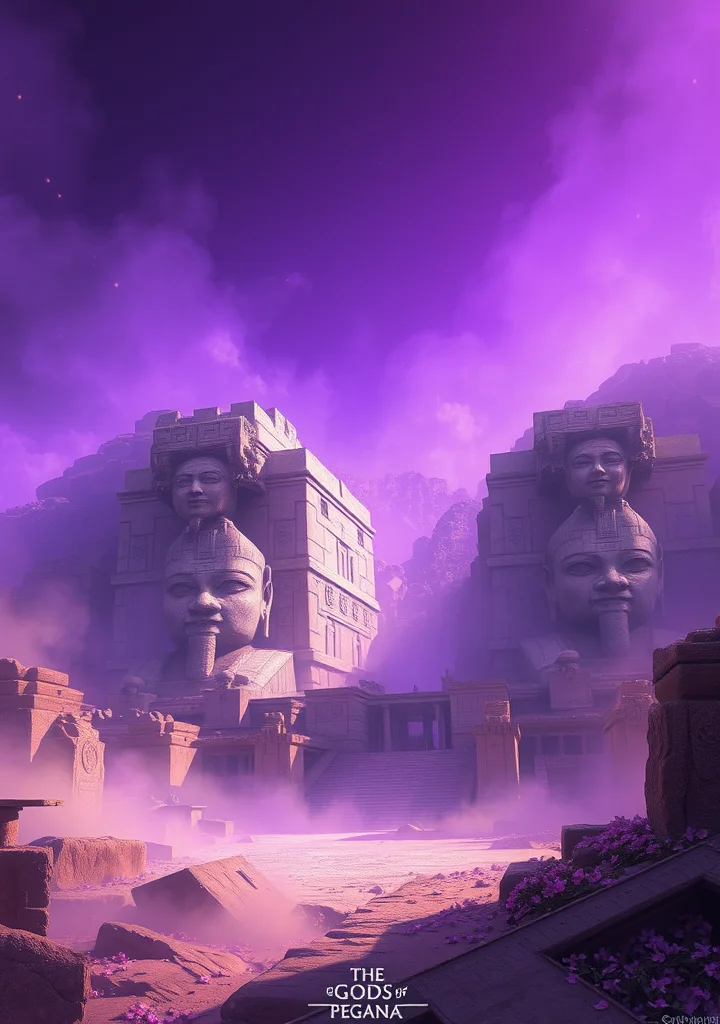
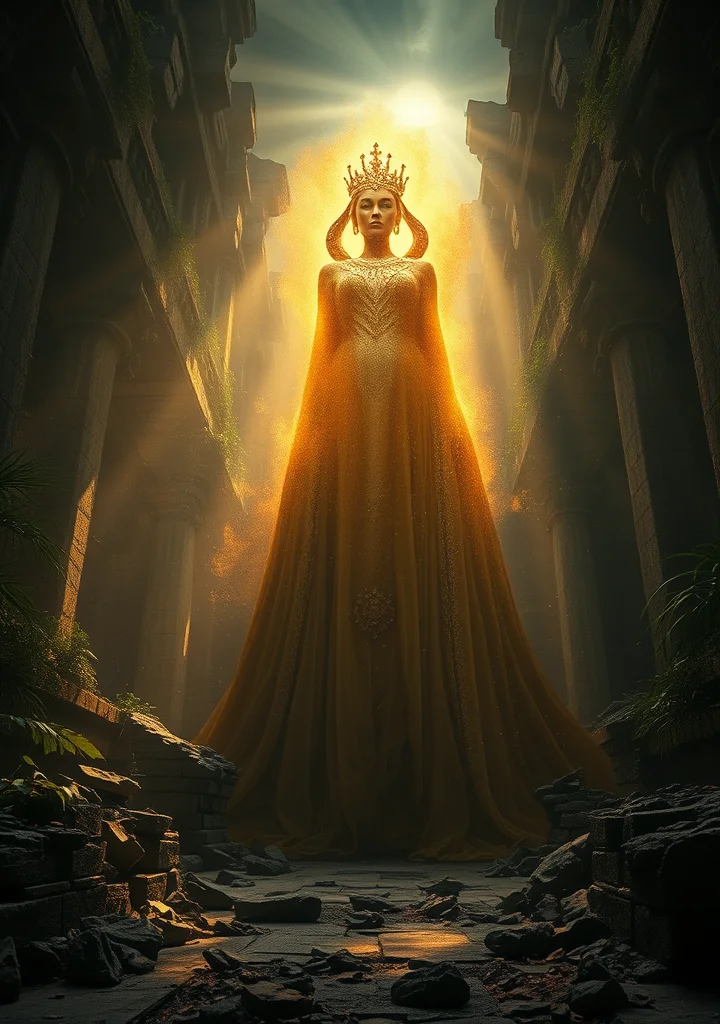
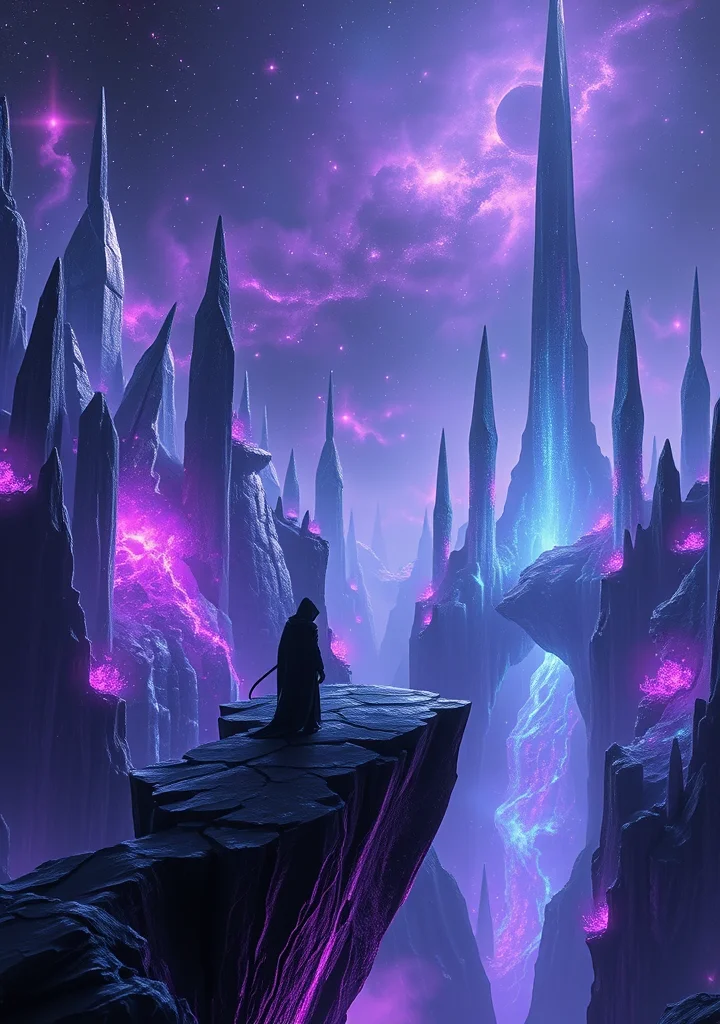
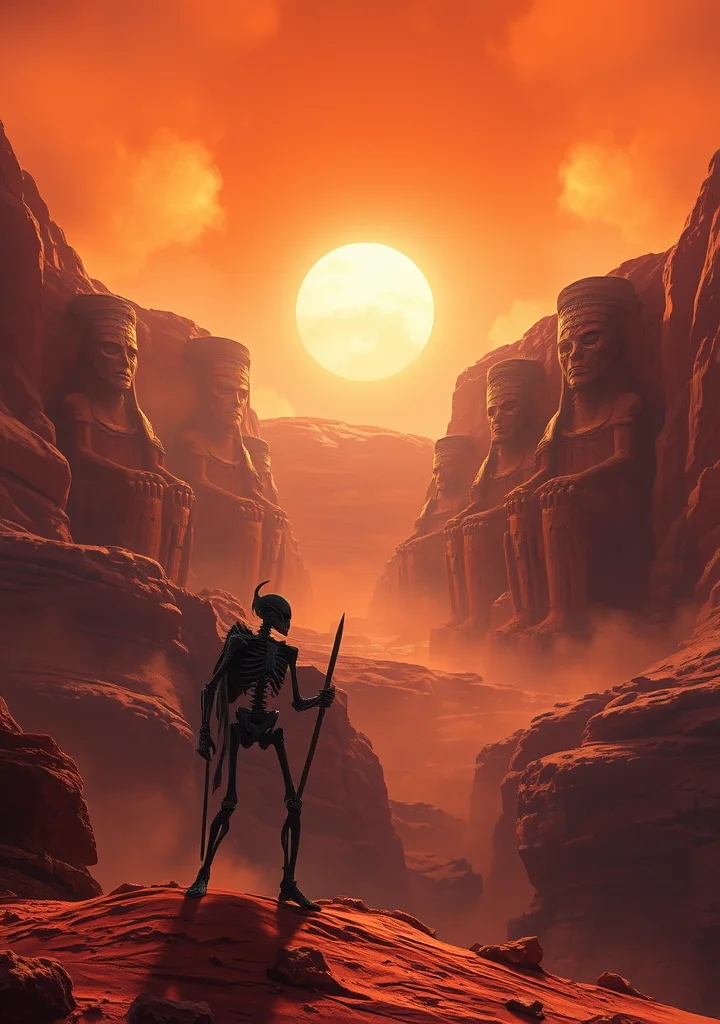
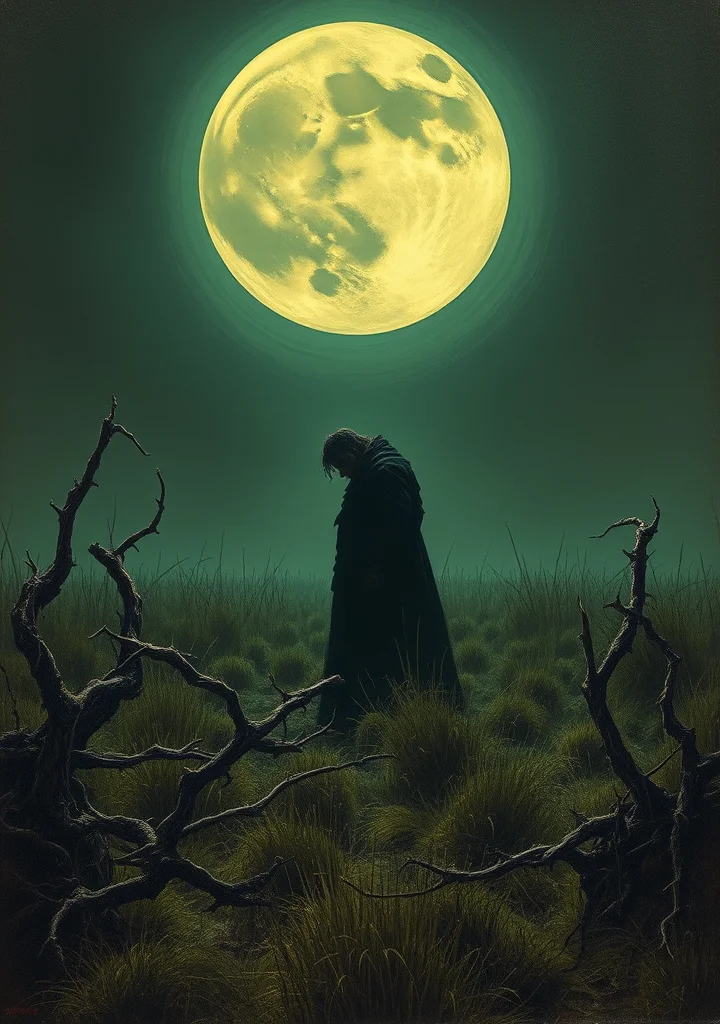
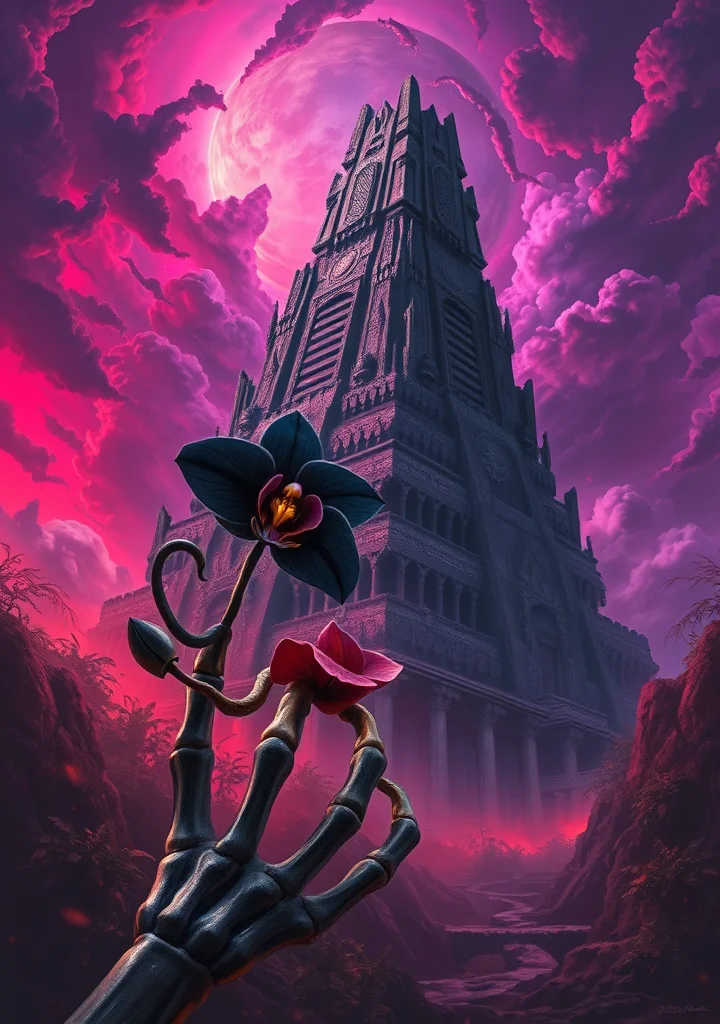
Dust-choked cities bloom amidst the crimson jungles of Xylos, a world steeped in the residue of forgotten gods and the slick, humid breath of ancient sorceries. Here, beneath a bruised violet sky, the echoes of a fallen empire cling to crumbling ziggurats and whisper in the bone-white sands. The air itself is thick with the scent of decaying blooms and the metallic tang of ritual sacrifice. A creeping dread permeates the narrative, not of monstrous beasts or alien invaders, but of something far more insidious: the slow, suffocating unraveling of sanity within a populace bound to a decaying voodoo priesthood. Shadows stretch long and hungry from the monolithic structures, concealing both the predatory grace of the Xylosian natives and the desperate, fever-haunted machinations of the exiled Earthborn seeking to exploit the planet’s dark heart. The narrative unfolds within a claustrophobic maze of decaying grandeur, where every crumbling stone seems to pulse with a latent, venomous life. The atmosphere is one of oppressive heat, stifling incense, and the ever-present hum of unseen rituals. A sense of being watched—not by eyes of flesh and blood, but by the spectral gaze of ancestral spirits—infuses every shadowed corner. It’s a world where the boundaries between dream and nightmare blur, where the rot of the past threatens to consume the present, and where the very soil seems to weep with the memories of unspeakable acts. The pulse of Xylos is a slow, deliberate drumbeat drawing you toward a darkness from which no light returns.
Copyright: Public Domain
This license allows anyone to use your story for any purpose, including printing, selling, or adapting it into a film freely.
Recommended for you
11 Part
The Alpine air chills not just the skin, but the very bone, in Johanna Spyri’s *Cornelli*. This is not a tale of pastoral idyll, but of a fractured inheritance clinging to a precipice of stone and shadow. The story unfolds within a fortress of a farmhouse, carved into a mountainside that seems to bleed into the grey sky. A young woman, adrift from a fractured family, finds herself bound to this lonely place – a ward of its ancient, echoing rooms and the silence that clings to them like a shroud. The weight of generations presses down with every gust of wind, and the surrounding peaks seem to watch with cold, unforgiving eyes. The narrative doesn’t rush, but *seeps* into the reader’s consciousness, mirroring the slow erosion of the mountains themselves. It’s a landscape of muted colours, of perpetual twilight, where even the sun feels distant and spectral. The house itself breathes with a history of loss and isolation, each room a mausoleum of forgotten lives. A creeping sense of dread permeates the narrative, not from any overt horror, but from the suffocating weight of loneliness and the unyielding grip of the mountains. *Cornelli* is a novel of confinement, not merely physical, but within the echoing chambers of a haunted past, where the secrets of the land and the family’s history are buried as deep as the roots of the ancient pines. The atmosphere is one of pervasive melancholy, a slow, beautiful decay that clings to the reader long after the final page is turned.

35 Part
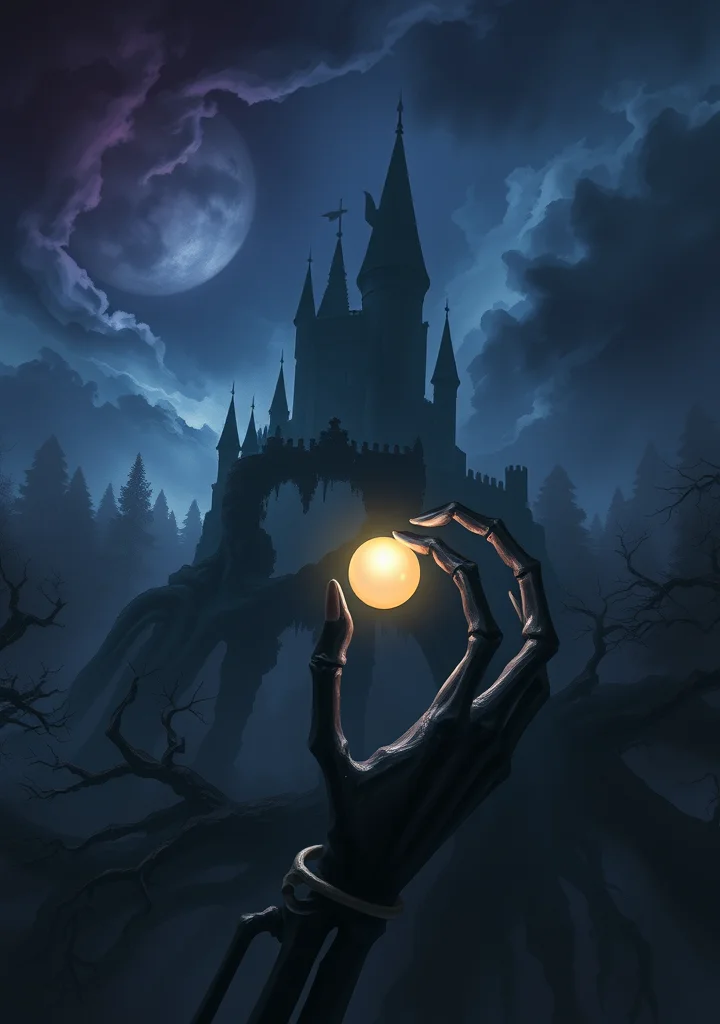
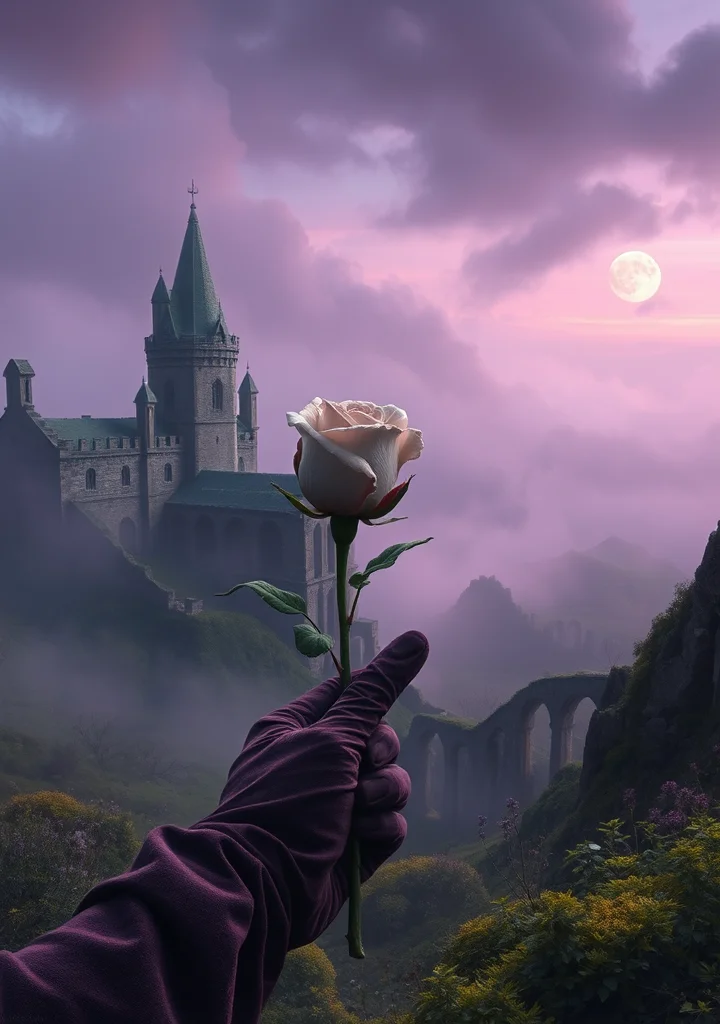
A creeping dread clings to the crumbling estates of the Rohmer estate, a legacy steeped in shadow and whispered blasphemies. The air hangs thick with the scent of decay and the cloying sweetness of night-blooming jasmine, mirroring the rot within the ancestral line. Here, amidst the suffocating grandeur of decaying manor houses and forgotten crypts, a lineage cursed by ancient pacts stirs. The narrative unfolds as a descent into a suffocating matriarchy—a dynasty of women who weave their power from the loam of the land, from the bones of their ancestors. Each generation births a witch-queen, her beauty a gilded cage concealing an iron will and a hunger that transcends mortality. A chilling wind howls through the skeletal branches of ancient oaks, carrying the screams of those who dared to cross the threshold of the Black Abbey—the heart of the Queen’s dominion. The shadows lengthen, twisting into monstrous shapes that writhe with the secrets of the family’s pact with the darkness. This is not a tale of mere witchcraft, but a chronicle of possession, of bodies and wills surrendered to a hunger that predates the stones themselves. It’s a suffocating atmosphere of inherited madness and the insidious corruption of bloodlines, where every kiss is a binding, every birth a sacrifice to the Queen's insatiable hunger. The very earth breathes with her malice, and the ancient stones weep with the sorrow of those consumed by her shadow. The narrative is a spiral into a darkness where the veil between worlds thins, and the boundaries between sanity and oblivion dissolve into a suffocating, sweet-rotted haze.