
-
Read 383
-
0
-
Part 25
Completed, First published Mar 02, 2026
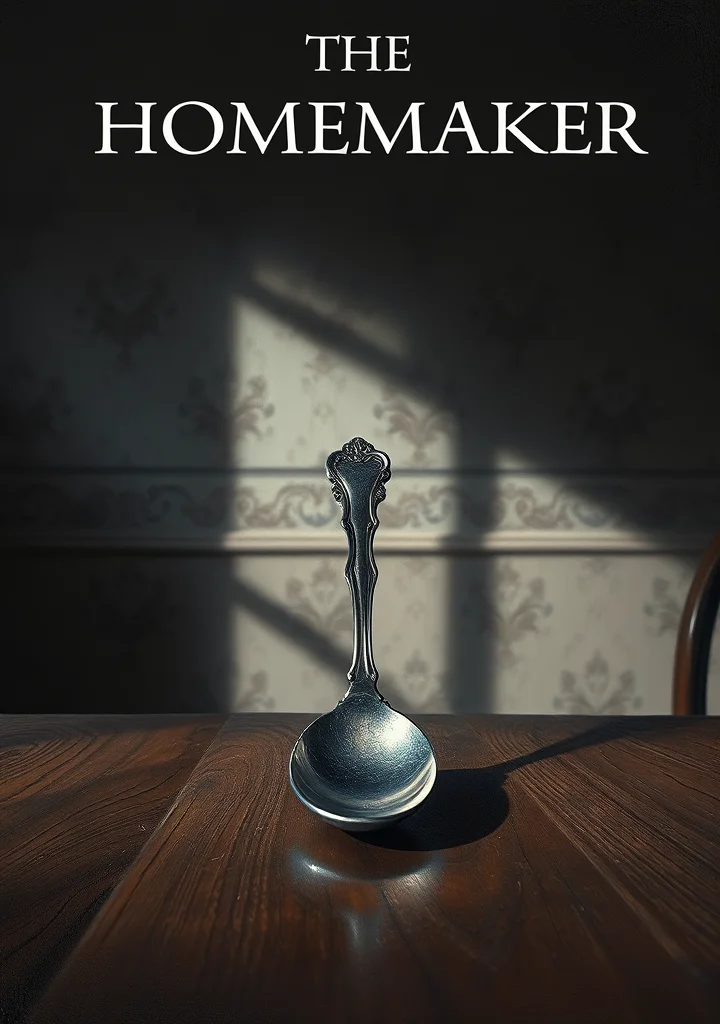
A creeping dread settles amongst the polished wood and floral wallpaper of Edith Archer’s meticulously ordered life. The novel unfolds not with grand horrors, but with the slow, suffocating weight of unspoken desires and the rot beneath a perfect facade. Fisher weaves a chilling portrait of domesticity warped by ambition, a house becoming less a haven and more a gilded cage for a woman consumed by the hunger to *become*—to prove her worth in a world that measures it by hearth and home. The narrative clings to the shadows lengthening in the parlor, mirroring the insidious growth of Edith’s obsession with efficiency, with “systems” that bleed the warmth from her marriage and the joy from her children’s faces. A sense of isolation permeates the pages, the house itself seeming to breathe with a cold, calculating intelligence as Edith remakes her world in her image. The scent of lemon polish and simmering resentment hangs heavy in the air, a premonition of something shattering, something irrevocably lost within the very walls Edith strives to perfect. It is a story where the quietest acts of control become monstrous, and the most insidious hauntings are found not in specters, but in the hollow spaces between a mother and her children, a wife and her husband, a woman and her own ambition.
Copyright: Public Domain
This license allows anyone to use your story for any purpose, including printing, selling, or adapting it into a film freely.
This license allows anyone to use your story for any purpose, including printing, selling, or adapting it into a film freely.
More like this