
Rachel Ray
  • 142
  • 0
  • 31
  • Reads 142
  • 0
  • Part 31
Completed, First published Mar 02, 2026

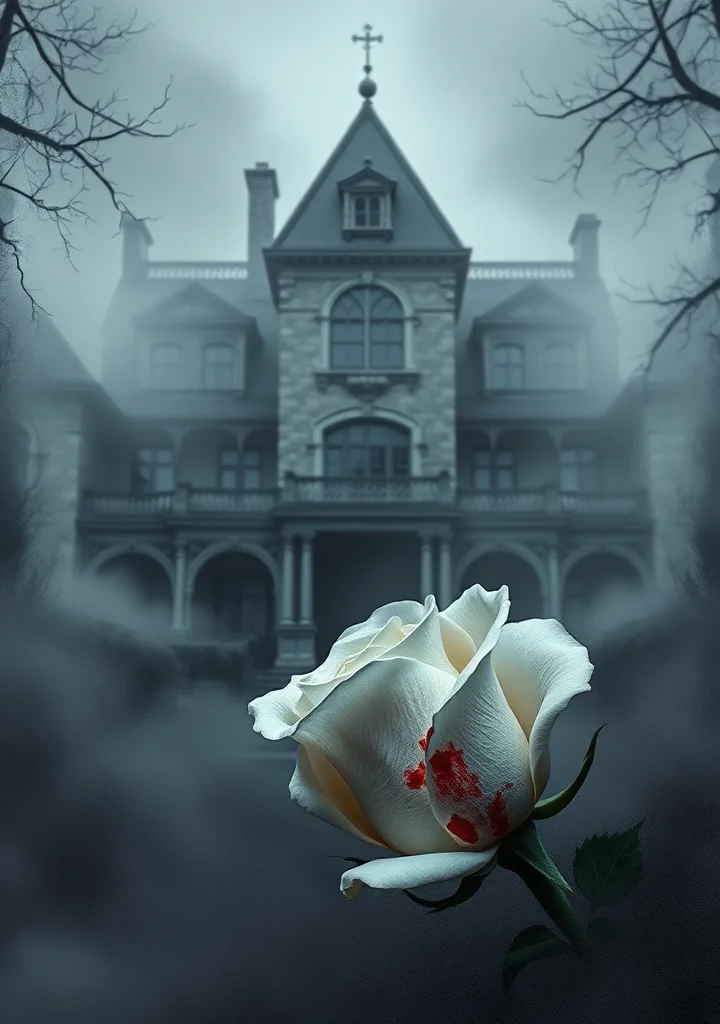
A creeping dread settles over the Yorkshire moors as Rachel Ray, a woman possessed of a quiet desperation, navigates a life hemmed in by expectation and shadowed by a spectral inheritance. The very stones of the manor house seem to weep with the grief of generations past, mirroring the melancholic decay within Rachel’s own heart. Trollope doesn’t offer grand horrors, but a suffocating claustrophobia born of provincial life, where duty chills the bone more effectively than any phantom. The narrative clings to Rachel like a shroud, her attempts at independence stifled by the oppressive weight of societal constraint and a looming, unspoken tragedy tied to her late husband’s affairs. Sunlight feels tainted with ash, and every act of kindness carries the icy tang of obligation. The atmosphere is one of perpetual twilight, where whispers linger in the draughty hallways and the scent of damp earth clings to every breath, hinting at secrets buried deeper than the roots of the ancient oaks surrounding Ray Hall. It is a story not of ghouls or specters, but of the slow, deliberate erosion of a woman’s spirit under the weight of a life not entirely her own, a haunting portrait of confinement within a gilded cage.
Copyright: Public Domain
This license allows anyone to use your story for any purpose, including printing, selling, or adapting it into a film freely.
Recommended for you
10 Part
A suffocating heat clings to the decks of the *Narcissus*, a heat mirroring the festering discontent within its crew. The ship, a coffin adrift on a sun-blistered sea, carries not just cargo, but a contagion of the soul. A single, enigmatic figure – a lascar, branded with a venomous nickname – becomes the crucible for their simmering prejudices, their buried anxieties. The narrative doesn’t offer escape, but a slow, deliberate descent into the claustrophobia of shared confinement, where the boundaries of sanity blur with the shimmering mirages of the tropics. The air hangs thick with the weight of unspoken desires and simmering resentments, each wave a whispered threat against the rotting timbers. The sea itself feels less a vast expanse than a tightening noose. The lascar’s presence isn't merely a disruption; it’s an unraveling. As the ship lurches through storm-wracked nights and sun-drenched days, the crew’s descent into madness isn’t a burst of violence, but a creeping rot, a quiet fracturing of their own humanity. The *Narcissus* isn’t just sailing *to* darkness, it *is* darkness, breeding within its hold, seeping into the very wood and bone of those aboard. It is a descent into a delirium where the line between man and beast, sanity and delirium, dissolves into the salt-soaked horizon. The true horror isn’t found in what is seen, but in what festers unseen, within the shadowed corners of the human heart.
35 Part
A creeping dampness clings to every page, mirroring the subterranean passage that dominates this fractured narrative. Here, the London streets exhale not into sunlight, but into a labyrinth of echoing brick and shadowed alcoves. The protagonist, adrift in a city both vast and suffocating, finds herself drawn – or perhaps driven – towards a network of tunnels beneath the city’s heart. These aren’t merely physical spaces, but corridors of memory, of unspoken desires, and of a creeping, nameless dread. The narrative unravels like damp thread, pulling at the edges of a life fractured by loss and yearning. A fractured, internal world is rendered through fragmented perceptions. Every encounter, every overheard fragment of conversation, feels weighted with a melancholic resonance. The air is thick with the scent of coal dust and decay, punctuated by the distant rumble of unseen machinery. There is a sense of being watched, of being drawn into a conspiracy of shadows, not by villains, but by the very fabric of the city itself. The tunnel is a metaphor, of course—a descent into the subconscious, a descent into a forgotten self. The prose is less about what is seen, and more about what is *felt* – the cold stone against skin, the suffocating weight of the earth above, the gnawing certainty of something lost, irretrievable, and buried deep within the echoing darkness. A claustrophobic, hypnotic descent into the heart of a woman’s unraveling, and a city’s hidden wounds.
61 Part
A creeping dread clings to the salt-laced air of the Cornish coast, where the manor of Blackwood stands sentinel against a bruised and perpetual twilight. Old Man Hemlock, keeper of the lighthouse and a soul weathered by decades of isolation, hears it first – a rasping, not of wind or wave, but something *within* the stone of the tower itself. It begins subtly, a disturbance in the rhythm of the beam, a tremor in the ancient masonry, but soon it worms its way into Hemlock’s mind, mirroring the decay of his own fractured memories. The rasp grows with the rising tide, echoing the secrets buried within Blackwood’s shadowed halls – tales of a drowned lineage, of a sea captain’s obsession with a spectral wreck, and of a creature dredged up from the abyss that now haunts the jagged cliffs. Every foghorn blast feels like a summons, every shadow a grasping hand. Hemlock's descent into madness is mirrored by the lighthouse's slow, agonizing surrender to the sea, as if the tower itself is becoming a grave for something ancient and hungry. The air thickens with the scent of brine and rot, and the rasp becomes a voice - a whisper of bone against stone, promising not rescue, but oblivion. A chilling, claustrophobic narrative unfolds where the boundaries between dream and reality, sanity and delirium, blur with the churning grey of the unforgiving sea. It’s a story of a man consumed by the echo of something monstrous, and a lighthouse that remembers a darkness older than time itself.