
-
Read 479
-
0
-
Part 15
Completed, First published Mar 02, 2026
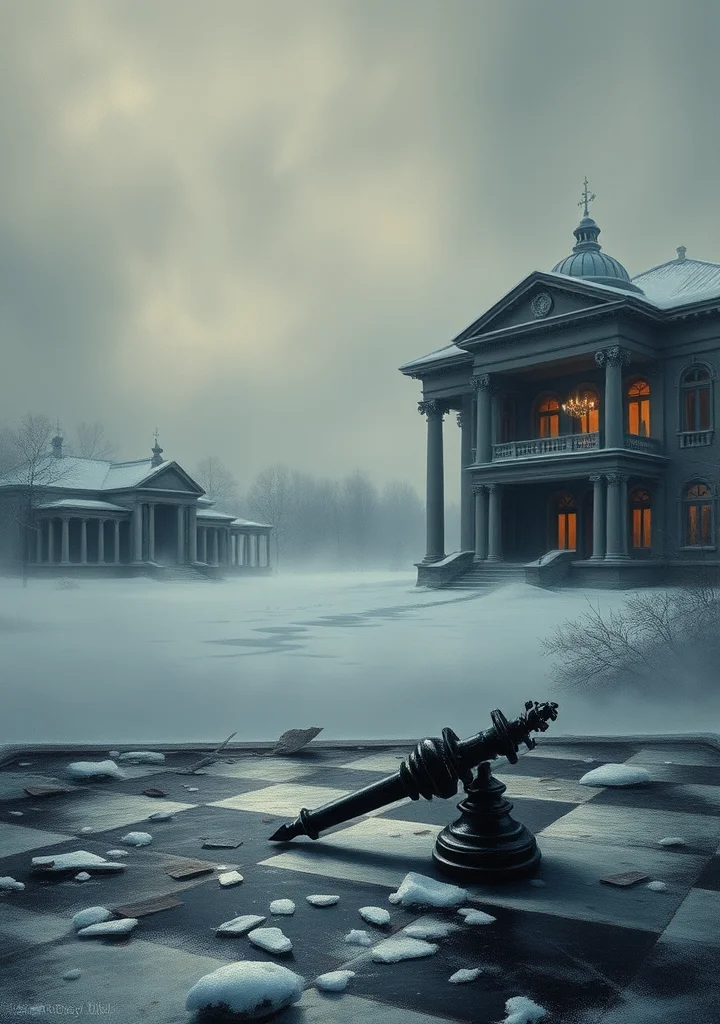
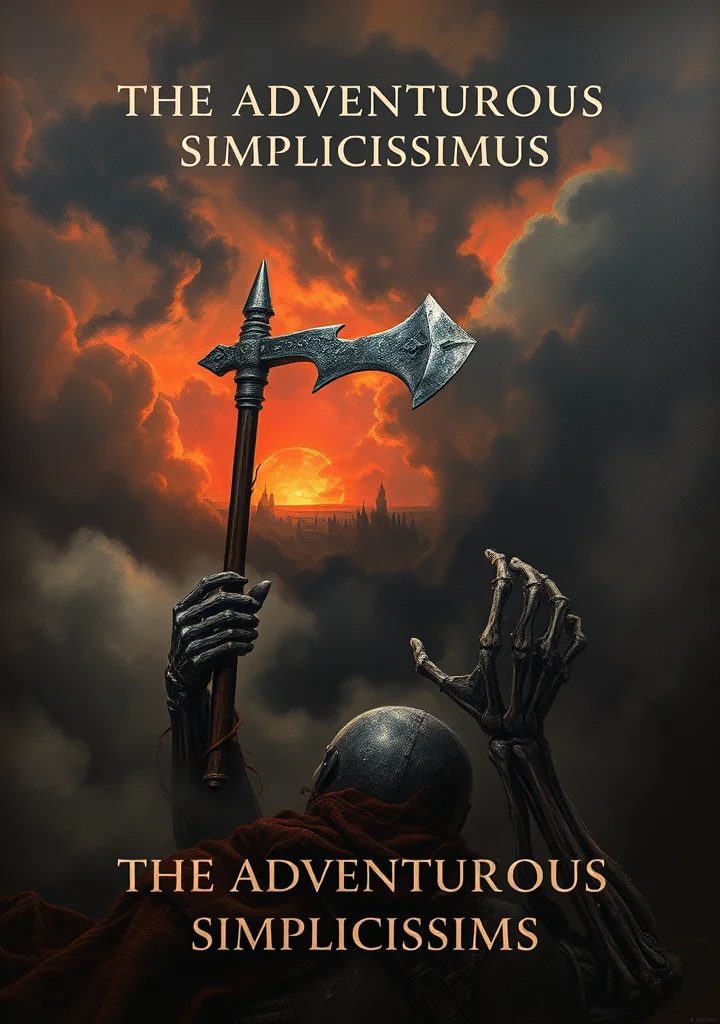
A suffocating miasma hangs over the provincial heartland of Russia, clinging to decaying estates and the spectral ambitions of its masters. Here, amidst crumbling manor houses and the relentless expanse of frozen fields, a man named Chichikov arrives, not seeking land, but the very *absence* of it. He purchases not living flesh, but the names of deceased serfs – ‘dead souls’ – to resurrect them on paper, claiming their phantom holdings for his own avarice.
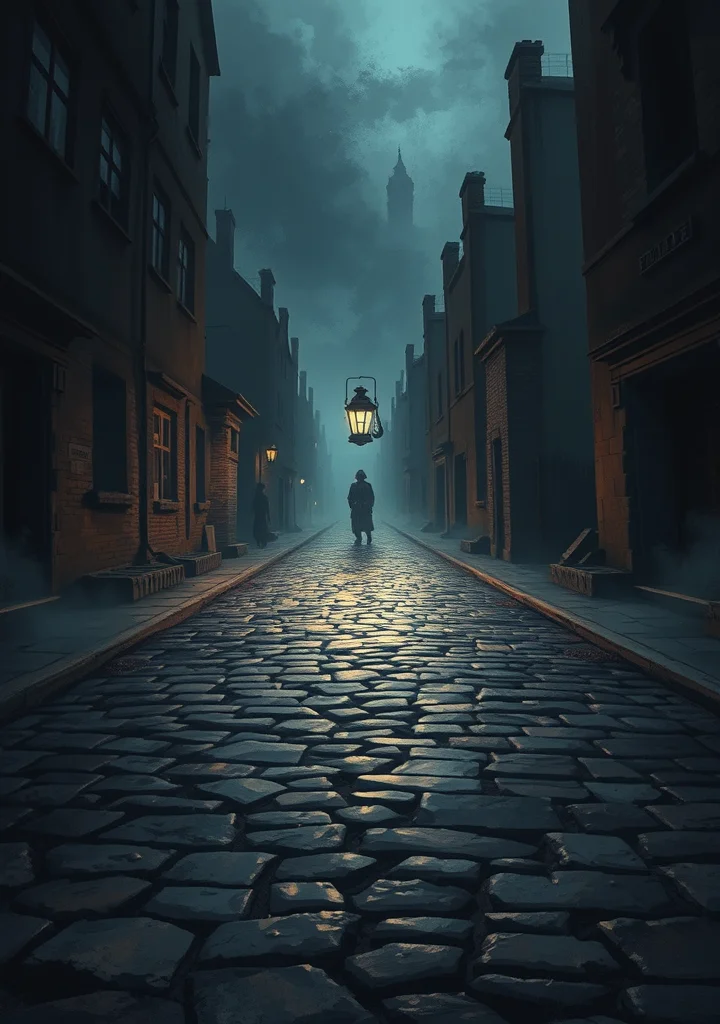
The air is thick with the stench of rot – not just of bodies in shallow graves, but of a society consumed by stagnation and parasitic need. Each provincial town is a mausoleum of faded grandeur, haunted by the petty tyrannies of landlords and the hollow echoes of their wasted lives. A creeping dread permeates the narrative, a sense that this isn’t merely a comedy of manners, but a descent into a perverse, bureaucratic hell.
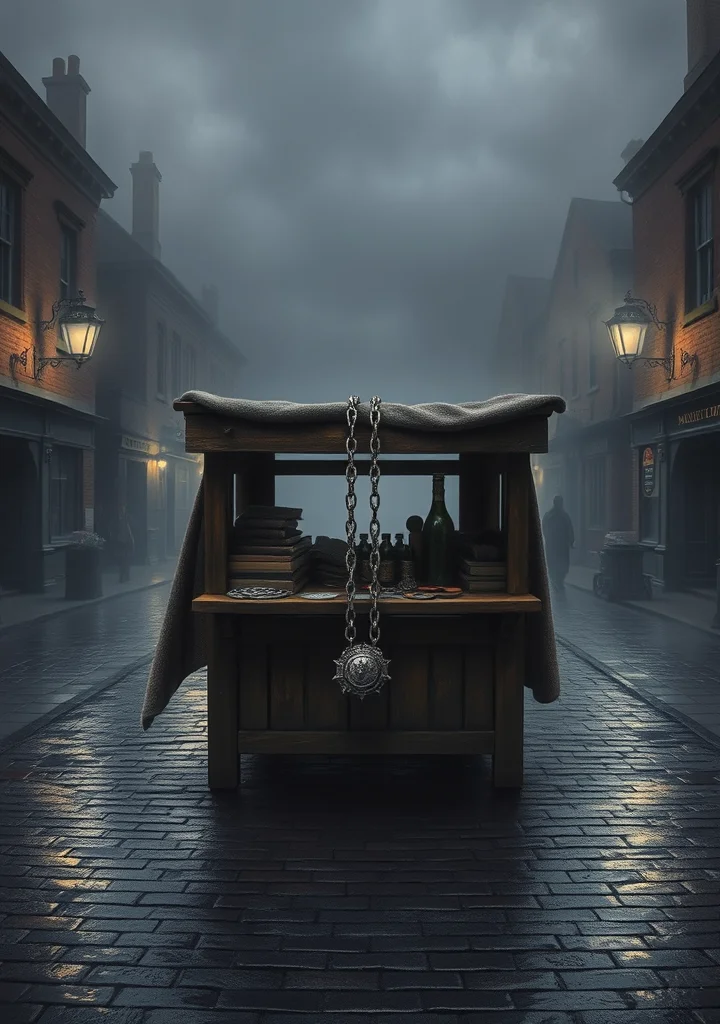
The landscape itself seems to mirror the moral decay, a grey, skeletal world where the boundaries between reality and nightmare blur. Fog clings to the roads, obscuring the faces of those encountered, hinting at hidden sins and the festering secrets buried within the soil. Chichikov’s journey is a macabre pilgrimage through a realm of spectral possession, where the ghosts of the dead are both commodity and curse, and the living are already half-rotted by their own corruption. The novel doesn't simply *tell* of decay; it *breathes* it, a suffocating weight pressing down on the reader, leaving a lingering chill long after the final page is turned.
Copyright: Public Domain
This license allows anyone to use your story for any purpose, including printing, selling, or adapting it into a film freely.
This license allows anyone to use your story for any purpose, including printing, selling, or adapting it into a film freely.
More like this