
Philoctetes
  • 55
  • 0
  • 5
  • Reads 55
  • 0
  • Part 5
Completed, First published Mar 02, 2026

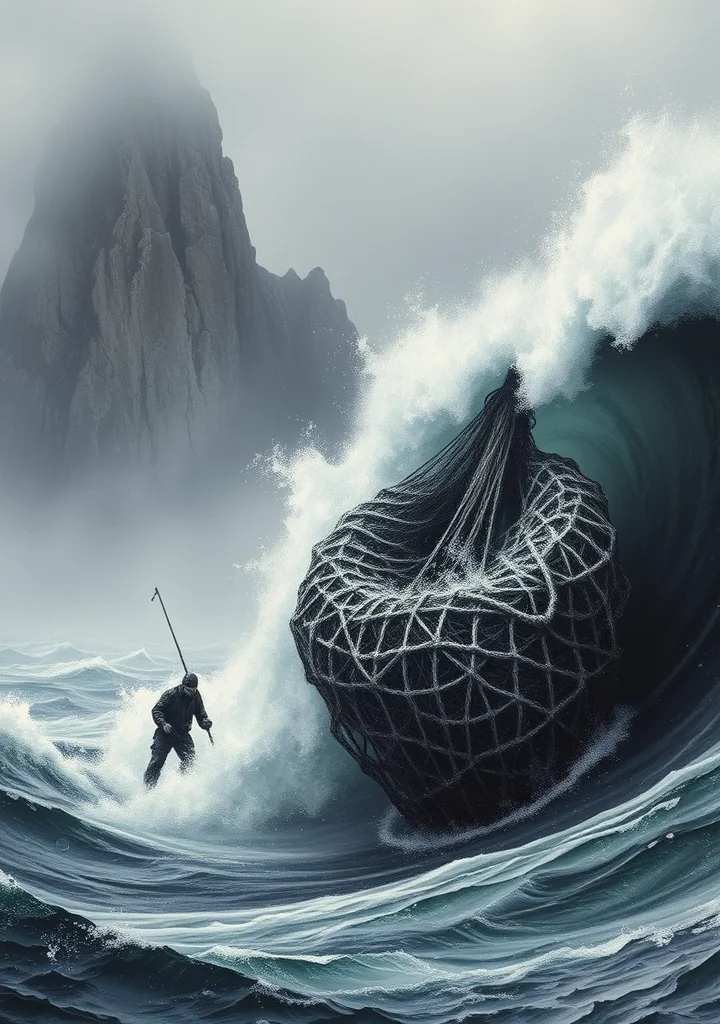
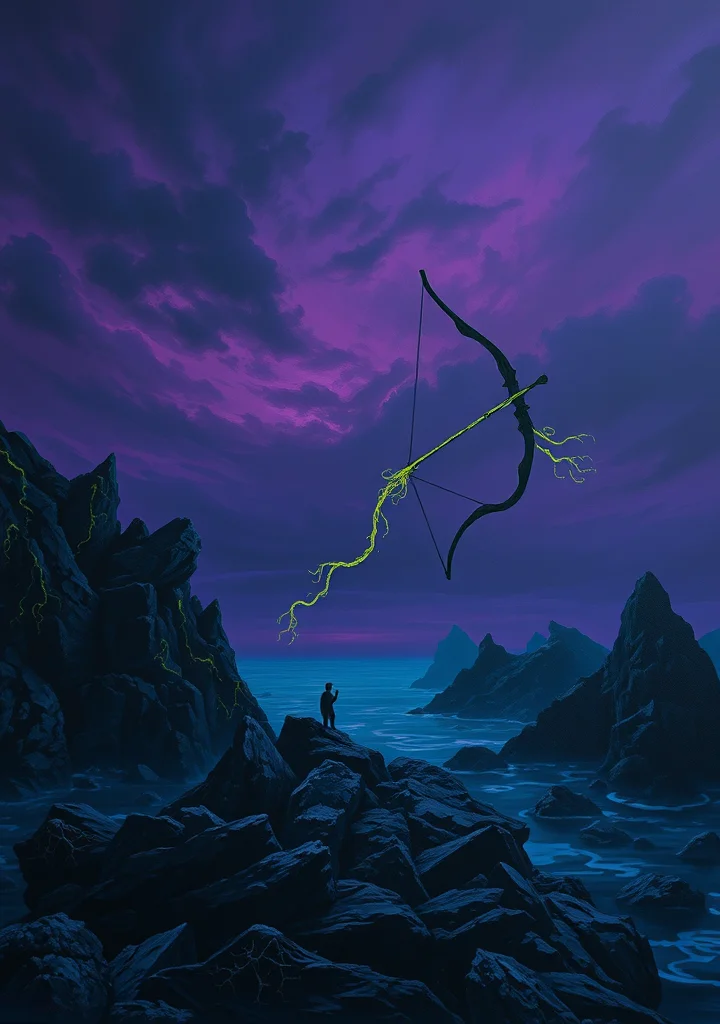
A creeping dread clings to the shores where Philoctetes is cast adrift, not by waves, but by the venomous whispers of betrayal. The air hangs thick with the salt of his suffering, a perpetual twilight bleeding across the barren isles. Each cry of the man abandoned to his agonizing wound echoes through a landscape sculpted by grief and shadowed by divine indifference. The stench of decay – not just of flesh, but of honor, of loyalty, of hope – permeates the crags and caves where he dwells. The sea itself becomes a monstrous thing, reflecting not sunlight, but the feverish glint of his agony. A desperate, animal hunger gnaws at him, mirrored in the circling vultures of circumstance. His solitude isn’t merely physical; it’s a severance from grace, a descent into a wilderness where the very stones weep with the memory of forgotten gods. The wind carries not promises, but the lamentations of a man undone, a testament to the brutal calculus of war and the chilling price of victory claimed by those who would weaponize a curse. The play unfolds not as a story, but as a slow, agonizing unraveling of a man’s spirit, witnessed by a cold, unforgiving horizon. It is a story where the wound is not merely a physical affliction, but a festering corruption of the soul itself.
Copyright: Public Domain
This license allows anyone to use your story for any purpose, including printing, selling, or adapting it into a film freely.
Recommended for you
2014 Part
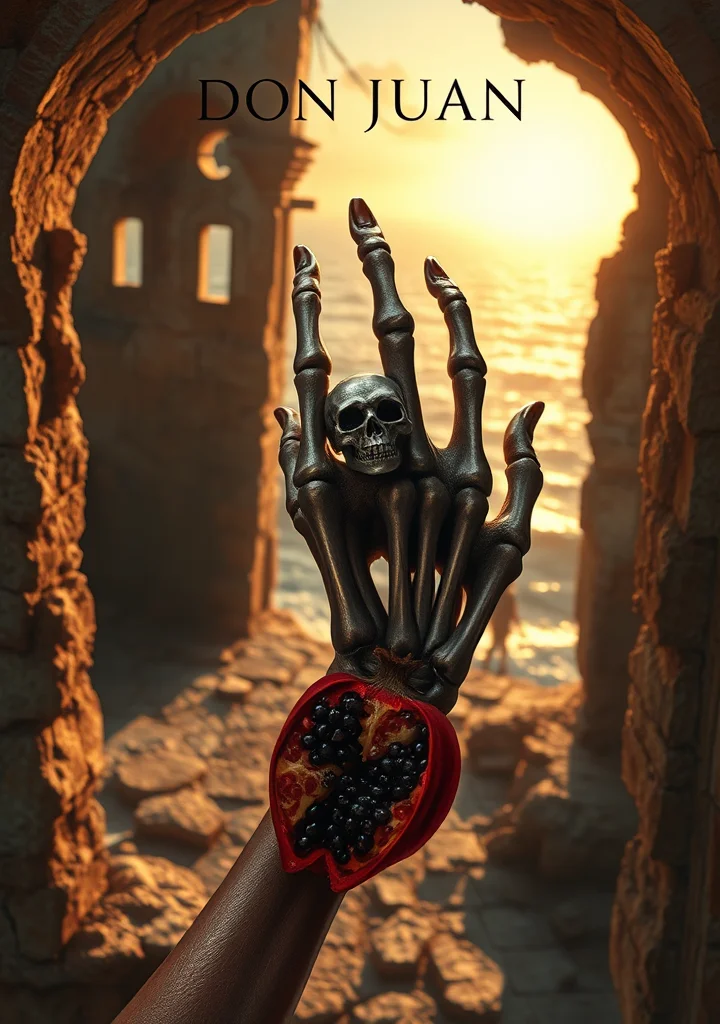
A chill wind whispers through sun-bleached Spanish ruins, carrying the scent of brine and decay. Don Juan is not merely a man, but a shadow stretched long across a continent, a fever dream of indulgence and disillusionment. His journey is one of restless flight, not from justice, but from the suffocating weight of a world built on hypocrisy. Each port, each encounter, peels back another layer of gilded rot, revealing a darkness that clings to him like the salt spray on a decaying mast. The narrative unravels through fractured confessions, a labyrinth of wit and weariness where cynicism blooms like night-blooming cereus. Every smile is a reprieve from a deeper, unspoken grief; every embrace, a fleeting warmth against an encroaching cold. The Mediterranean burns with a feverish brilliance, mirroring the protagonist’s own self-consuming passions, while the echoes of battles – both won and lost – resonate in the hollow chambers of his heart. He drifts through aristocratic salons and Moorish harems, a phantom observer caught between desire and despair. The sea itself seems to conspire with his melancholic fate, drawing him towards a horizon perpetually shrouded in mist. His is a tale of exquisite ruin, where beauty and brutality intertwine, leaving the reader adrift in a sea of unanswered questions and the lingering scent of jasmine and gunpowder. A perpetual twilight clings to his existence, a haunting reminder that even the most dazzling brilliance casts the longest shadows.
11 Part
A suffocating dread clings to the stone of Otranto, a castle steeped in ancient prophecy and shadowed by generations of ambition. Within its echoing halls, the weight of a forgotten lineage presses down, manifested in the monstrous size of a helmet descending from unseen heights, crushing a son on his wedding day. The air itself is thick with superstition—portents bleed from decaying tapestries, and the very architecture seems to conspire against the living. A labyrinthine network of secret passages, crumbling vaults, and forgotten chambers breathes with the ghosts of tyrannical ancestors. The narrative unravels amidst flickering candlelight, revealing a lineage cursed by a dark inheritance—a claim to power purchased with blood and sealed by generations of unlawful deeds. The castle is not merely a structure, but a prison woven from despair. Its chambers are haunted by whispers of stolen birthrights, and the scent of decay permeates every stone. A creeping claustrophobia descends as the characters become puppets in a drama dictated by ancient scrolls and the machinations of a relentless, consuming fate. The shadows lengthen with each revelation, revealing a world where the boundaries between the living and the dead blur, and where the foundations of sanity crumble beneath the weight of ancestral sin. The narrative coils tighter, drawing the reader into a suffocating darkness where every breath is shadowed by the promise of violence and the chilling inevitability of the past returning to claim its due.