
The Poisoned Chocolates Case
  • 156
  • 0
  • 21
  • Reads 156
  • 0
  • Part 21
Completed, First published Mar 02, 2026

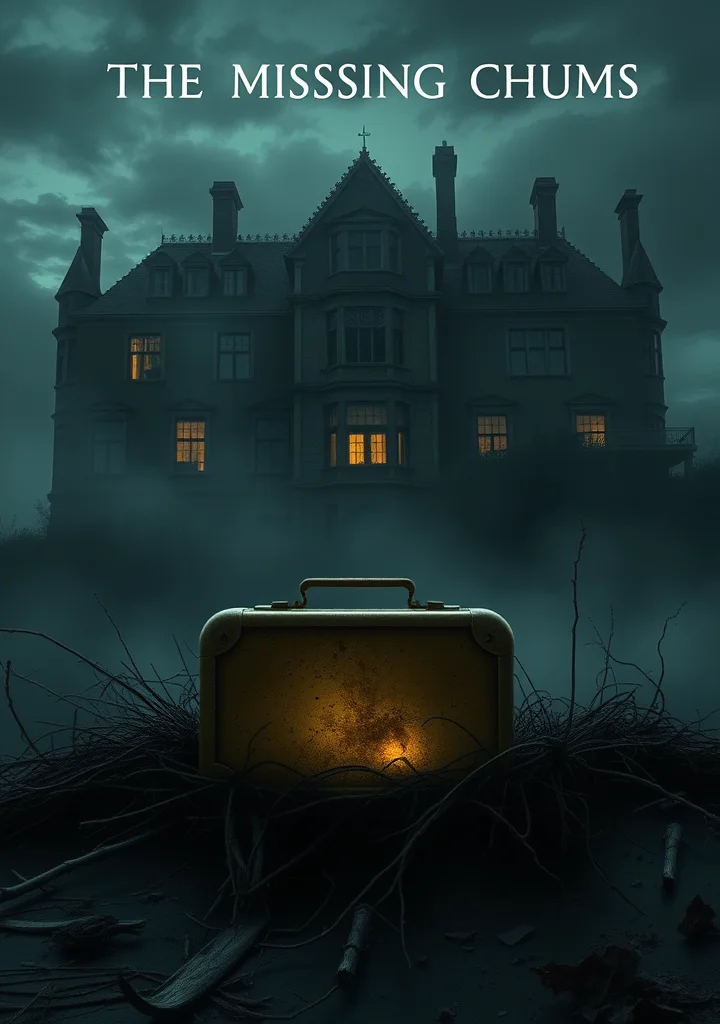
A creeping dread clings to the drawing rooms and country estates of 1920s England, thick as the cocoa dust coating Detective Lestrade’s fingers. Each meticulously crafted confection, a sugary lure concealing bitter malice. The scent of almonds, so delicate, so deadly, hangs in the air alongside whispered accusations and the brittle laughter of a society concealing rot beneath its polished veneer. Berkeley doesn’t offer a scream of horror, but a slow, suffocating unraveling—a parlor game of suspicion where every guest is a potential predator, every bite a gamble with fate. The investigation winds through shadowed hallways, past portraits whose eyes seem to follow your every move, and into the perfumed secrets of a family whose wealth cannot mask the poison blooming within their hearts. A suffocating elegance permeates every page, leaving you with the taste of ash and the chilling realization that even the sweetest indulgence can harbor a fatal dose. It’s not merely *who* committed the crime, but *why*—a slow, deliberate poisoning of trust, born of envy and desperation, until the final, exquisite bite.
Copyright: Public Domain
This license allows anyone to use your story for any purpose, including printing, selling, or adapting it into a film freely.
Recommended for you
37 Part
The air hangs thick with the scent of decaying silver and the dust of forgotten ambitions. A shadow stretches from the Cordillera, not of mountains, but of men consumed by avarice. Here, in the heart of a republic built on the bones of empires, a single name—Nostromo—becomes a phantom currency, a legend whispered in the fevered dreams of those who seek to claim a fortune wrested from the earth. But the silver, like a dark god, demands a reckoning. The jungle breathes with betrayal, and the hacienda walls echo with the hollow promises of loyalty. A slow rot creeps through the lives of those entangled in its claim: a captain adrift in a sea of moral compromise, a merchant haunted by the specter of loss, a woman caught between the fervor of revolution and the cold grip of her own desires. Each dawn bleeds into a landscape of simmering unrest, where the lines between honor and desperation blur into indistinguishable shades of grey. The weight of the silver, the weight of a nation’s birth, crushes beneath a suffocating heat. It is a story not of triumph, but of the erosion of faith, of how easily a man, even one of singular strength, can be undone by the very forces he seeks to command. The silence between the crumbling stones holds the screams of the dispossessed, the ghosts of a fortune bought with blood. A darkness rises from the depths of the mines, not just of ore, but of the human heart, and the jungle itself seems to mourn the fall of innocence into the abyss of greed.
11 Part
The Alpine air chills not just the skin, but the very bone, in Johanna Spyri’s *Cornelli*. This is not a tale of pastoral idyll, but of a fractured inheritance clinging to a precipice of stone and shadow. The story unfolds within a fortress of a farmhouse, carved into a mountainside that seems to bleed into the grey sky. A young woman, adrift from a fractured family, finds herself bound to this lonely place – a ward of its ancient, echoing rooms and the silence that clings to them like a shroud. The weight of generations presses down with every gust of wind, and the surrounding peaks seem to watch with cold, unforgiving eyes. The narrative doesn’t rush, but *seeps* into the reader’s consciousness, mirroring the slow erosion of the mountains themselves. It’s a landscape of muted colours, of perpetual twilight, where even the sun feels distant and spectral. The house itself breathes with a history of loss and isolation, each room a mausoleum of forgotten lives. A creeping sense of dread permeates the narrative, not from any overt horror, but from the suffocating weight of loneliness and the unyielding grip of the mountains. *Cornelli* is a novel of confinement, not merely physical, but within the echoing chambers of a haunted past, where the secrets of the land and the family’s history are buried as deep as the roots of the ancient pines. The atmosphere is one of pervasive melancholy, a slow, beautiful decay that clings to the reader long after the final page is turned.
8 Part
A suffocating dread clings to the cobbled streets of Saint Petersburg, mirrored in the hollowed eyes of Nikolai Semyonov, a man publicly branded a fool and stripped of his name. Andreyev doesn’t offer melodrama, but a slow, creeping asphyxiation of the spirit. Each calculated insult, each jeering dismissal isn’t simply humiliation, but a surgical carving of Semyonov’s identity. The narrative coils like a winter fog, obscuring the boundaries between sanity and delusion as Semyonov descends into a self-imposed exile, drawn to the dark magnetism of a circus performer, Diana. The circus itself is a charnel house of fractured souls, a stage for the macabre dance of obsession. Here, the air is thick with the scent of decay and the metallic tang of desperation. Diana, a goddess of broken glass and whispered promises, offers Semyonov not solace, but a reflection of his own fractured existence. His pursuit of her is a descent into a labyrinth of warped mirrors, where love and madness bleed into one another. The prose is less concerned with plot than with the erosion of the self. The city is a predator, the snow a shroud, and Semyonov, already marked for oblivion, willingly walks into the waiting shadows. It’s a story not of revenge, but of the beautiful, terrible grace of annihilation, a haunting testament to the power of societal cruelty to hollow a man until he is nothing but an echoing shell, eager to be shattered. The final act doesn't explode in violence, but implodes with a quiet, agonizing surrender.

42 Part
A creeping dread clings to the Irish coast, thick as the bog mire that swallows men whole. Stephens weaves a tale not of heaven or hell, but of the liminal spaces between, where the remnants of ancient, pagan deities bleed into the fractured lives of mortals. The narrative unfolds within a suffocating village steeped in superstition, where whispers of forgotten gods stir in the peat smoke and the sea’s cold breath carries the scent of something older than time. Each character is a fractured vessel—a priest haunted by visions, a woman possessed by a spectral sorrow, a boy touched by the cold hand of the otherworld. Their desires, their failures, their very breaths seem drawn from the decaying grandeur of a lost age. The world isn’t simply haunted; it *is* haunting—a slow rot of the soul mirroring the crumbling stone circles and the drowned chapels swallowed by the relentless tide. The prose itself feels like unearthed bone, brittle and cold, layered with the scent of brine and decay. Stephens doesn’t offer salvation, only a glimpse into the echoing emptiness where the gods once walked, leaving behind only echoes of their power and the lingering stain of their absence. It’s a world where the boundaries between reality and nightmare blur, where every shadow holds a watchful eye, and the very earth seems to breathe with a mournful, forgotten hunger. The air tastes of salt and regret, and the story unfolds like a slow, inexorable drowning in the grey light of a dying world.