
He Who Gets Slapped
  • 100
  • 0
  • 8
  • Reads 100
  • 0
  • Part 8
Completed, First published Mar 02, 2026

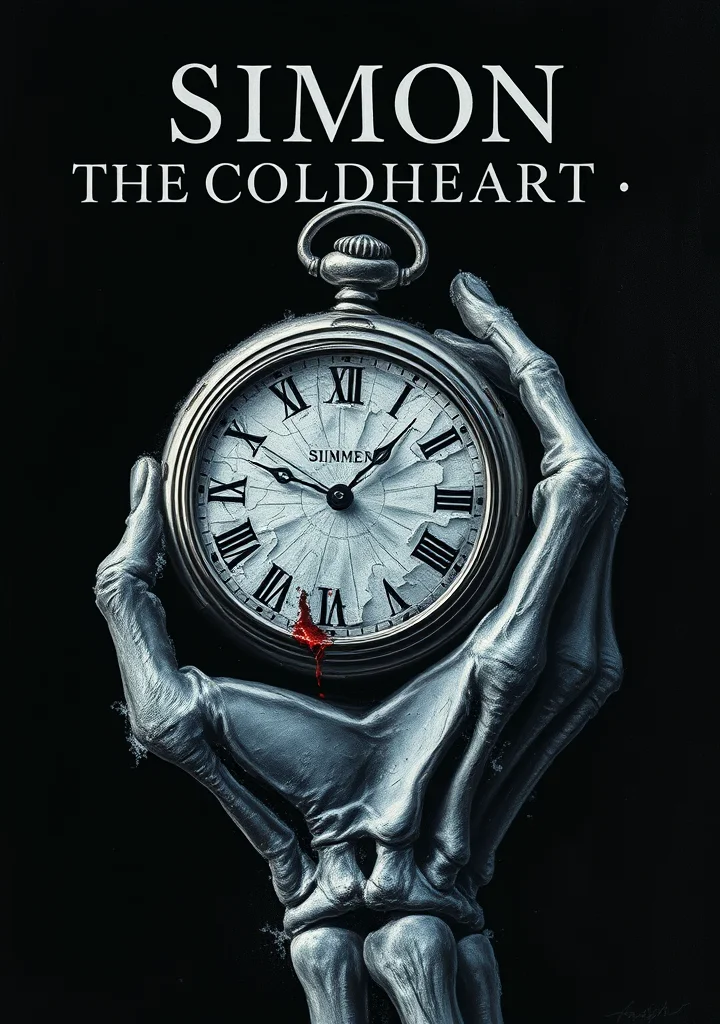
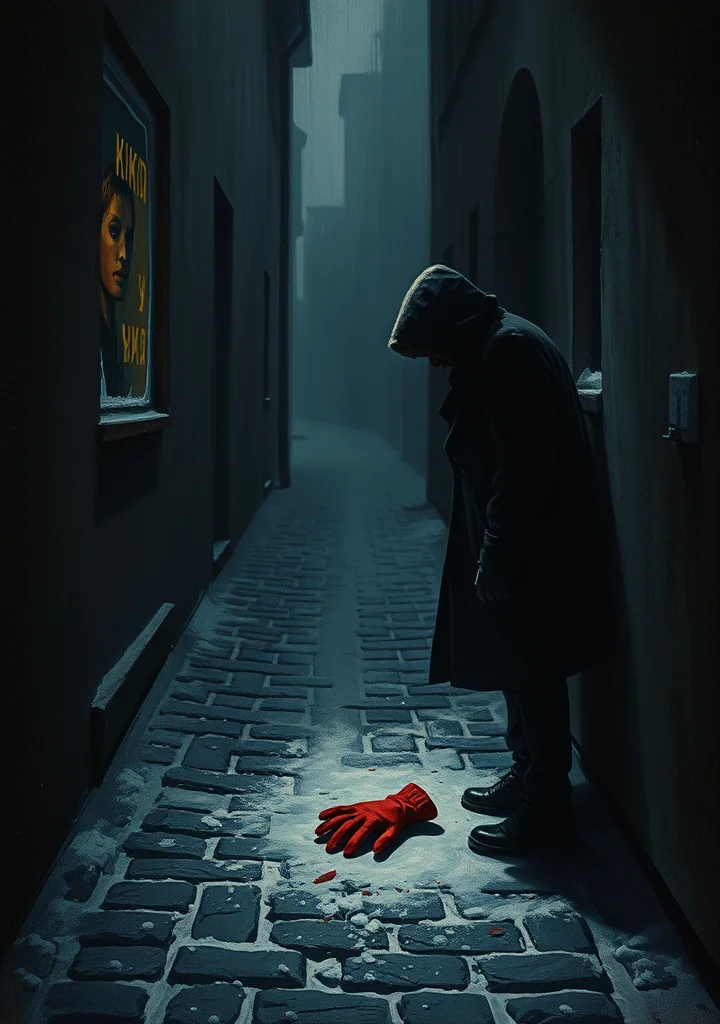
A suffocating dread clings to the cobbled streets of Saint Petersburg, mirrored in the hollowed eyes of Nikolai Semyonov, a man publicly branded a fool and stripped of his name. Andreyev doesn’t offer melodrama, but a slow, creeping asphyxiation of the spirit. Each calculated insult, each jeering dismissal isn’t simply humiliation, but a surgical carving of Semyonov’s identity. The narrative coils like a winter fog, obscuring the boundaries between sanity and delusion as Semyonov descends into a self-imposed exile, drawn to the dark magnetism of a circus performer, Diana. The circus itself is a charnel house of fractured souls, a stage for the macabre dance of obsession. Here, the air is thick with the scent of decay and the metallic tang of desperation. Diana, a goddess of broken glass and whispered promises, offers Semyonov not solace, but a reflection of his own fractured existence. His pursuit of her is a descent into a labyrinth of warped mirrors, where love and madness bleed into one another. The prose is less concerned with plot than with the erosion of the self. The city is a predator, the snow a shroud, and Semyonov, already marked for oblivion, willingly walks into the waiting shadows. It’s a story not of revenge, but of the beautiful, terrible grace of annihilation, a haunting testament to the power of societal cruelty to hollow a man until he is nothing but an echoing shell, eager to be shattered. The final act doesn't explode in violence, but implodes with a quiet, agonizing surrender.
Copyright: Public Domain
This license allows anyone to use your story for any purpose, including printing, selling, or adapting it into a film freely.
Recommended for you
17 Part
Dust motes dance in the perpetual twilight of ancestral halls, mirroring the slow decay of a lineage built on obsolescence. The air hangs thick with the scent of polished wood and regret, a suffocating perfume of inherited wealth and purposeless existence. Within these shadowed mansions, a subtle rot festers – not of brick and mortar, but of the human spirit, consumed by the exquisite art of doing *nothing*. A creeping dread permeates the very architecture, as the rituals of conspicuous consumption become increasingly desperate, brittle performances masking a hollow core. The narrative unfolds as a spectral autopsy of a dying aristocracy, where every idle gesture, every meticulously curated possession, is a symptom of a deeper, insidious malaise. Observe the ghostly procession of leisure, its cold elegance a shroud woven from boredom and the glittering chains of social obligation. The very foundations of civility seem to crumble with each perfectly timed sip of champagne, each languid glance across a ballroom floor. A suffocating stillness pervades, broken only by the echoing whispers of those who have become shadows of their own privilege, trapped in a gilded cage of their own making, slowly disappearing into the ornate, echoing emptiness. It is a study in sepulchral refinement, a haunting testament to the beautiful, tragic waste of a world on the brink of collapse, where the weight of history presses down like a tombstone.
54 Part
A creeping fog clings to the cathedral spires of Barchester, mirroring the insidious tendrils of ambition and deceit that tighten around the lives within its ancient walls. The air hangs heavy with the scent of damp stone and decaying gentility, a perfume of hushed scandal and simmering resentments. Here, amidst the shadowed cloisters and echoing halls, a web of delicate, yet poisonous, social machinations unfolds. Miss Eleanor Bold, adrift in a sea of inherited wealth and uncertain affections, finds herself a pale moth drawn to the flickering flames of power held by the ambitious and calculating Reverend Mr. Slope. But Barchester is a place where smiles are brittle as frost, and piety masks a hunger for advancement. Each stolen glance, each murmured secret, is weighted with the burden of expectation and the threat of ruin. The very stones seem to listen, absorbing the whispers of gossip and the slow, agonizing unraveling of reputations. A sense of claustrophobia permeates the narrative, not of physical confinement, but of the suffocating weight of convention. The story unfolds like a slow bloom of mildew, spreading across the polished surfaces of respectability, revealing the rot beneath. It is a world where the slightest transgression casts a long, chilling shadow, and where the pursuit of a comfortable life can lead one down corridors of unbearable loneliness and regret. The shadows lengthen as the novel progresses, obscuring the true motives of the characters, leaving only the hollow echo of their desires in the cavernous silence of Barchester Cathedral.
24 Part
Across cold, star-dusted voids where empires crumble to dust and the echoes of ancient wars linger as radiation, a shadow stretches from the birth of civilization to the dawn of humanity’s dominion. The Lensmen—a fractured brotherhood bound by loyalty and the spectral light of their implanted lenses—are the last bulwark against the insidious, creeping darkness of the pre-human races. But this is no simple struggle of good against evil; it is a descent into the hollow, metallic heart of galactic politics, a labyrinth of betrayals woven with the threads of forgotten gods. The narrative unfolds not as a linear path, but as a fractured memory, glimpsed through the shifting perspectives of those touched by the Lens. Each activation, each transmission, is a fragment of a larger, terrifying design. The stations themselves—distant, isolated citadels humming with the static of forgotten transmissions—are tombs of ambition, haunted by the ghosts of failed experiments and the chilling silence of perfect obedience. The air is thick with the metallic tang of desperation, and the star-fields beyond the viewports seem to pulse with the predatory hunger of the unseen. A creeping dread clings to every page, born of the realization that the true enemy isn’t simply *out there*, but woven into the very fabric of the Lensmen’s existence, a parasitic corruption that feeds on hope and blooms in the vacuum of interstellar isolation. The narrative doesn’t promise salvation, only the slow, agonizing unraveling of a universe teetering on the edge of annihilation.
61 Part
A creeping dread clings to the salt-laced air of the Cornish coast, where the manor of Blackwood stands sentinel against a bruised and perpetual twilight. Old Man Hemlock, keeper of the lighthouse and a soul weathered by decades of isolation, hears it first – a rasping, not of wind or wave, but something *within* the stone of the tower itself. It begins subtly, a disturbance in the rhythm of the beam, a tremor in the ancient masonry, but soon it worms its way into Hemlock’s mind, mirroring the decay of his own fractured memories. The rasp grows with the rising tide, echoing the secrets buried within Blackwood’s shadowed halls – tales of a drowned lineage, of a sea captain’s obsession with a spectral wreck, and of a creature dredged up from the abyss that now haunts the jagged cliffs. Every foghorn blast feels like a summons, every shadow a grasping hand. Hemlock's descent into madness is mirrored by the lighthouse's slow, agonizing surrender to the sea, as if the tower itself is becoming a grave for something ancient and hungry. The air thickens with the scent of brine and rot, and the rasp becomes a voice - a whisper of bone against stone, promising not rescue, but oblivion. A chilling, claustrophobic narrative unfolds where the boundaries between dream and reality, sanity and delirium, blur with the churning grey of the unforgiving sea. It’s a story of a man consumed by the echo of something monstrous, and a lighthouse that remembers a darkness older than time itself.