
The Middle Five
  • 102
  • 0
  • 21
  • Reads 102
  • 0
  • Part 21
Completed, First published Mar 02, 2026

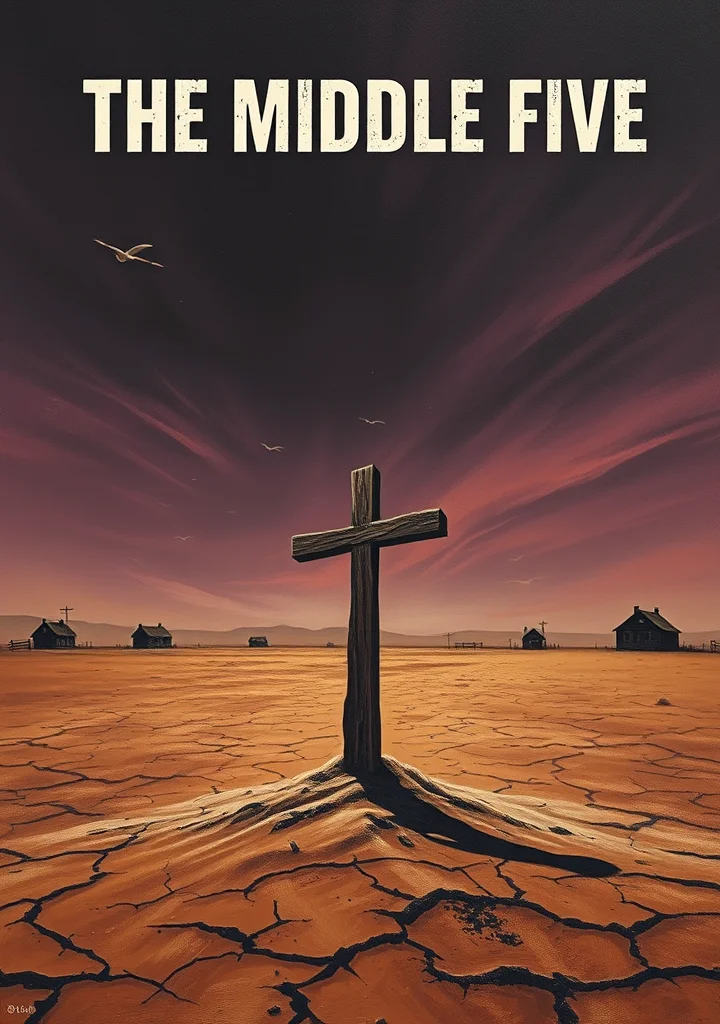
Dust motes dance in the perpetual twilight of the Nebraska Territory, clinging to the skeletal remains of homesteads and the hollowed-out eyes of those who remain. Francis La Flesche doesn’t deal in ghosts of the dead, but the living ghosts of abandonment. The story unfolds not in grand haunted houses, but in the spaces *between*—between claim and desert, between sanity and the creeping madness of isolation, between the five remaining families clinging to a parched earth. The land itself breathes a slow, suffocating dread. Each chapter is a chipped shard of memory, a sun-bleached photograph of a vanished life. The wind doesn’t howl here; it *remembers* – whispers of drought, of broken promises, of children lost to fever. The narrative is fractured, told through the fractured perspectives of those left behind, each voice laced with the brittle hope of a forgotten prayer. The middle five are not just families; they are relics, haunted by the weight of what was and the gnawing certainty of what will be. The silence between their farmsteads isn’t empty; it’s filled with the low thrum of a despair so profound it threatens to swallow the last vestiges of humanity. It’s a story less about what happened *to* them, and more about what unraveled *within* them, as the land slowly, irrevocably, claimed their souls. A suffocating, sun-cracked elegy for a forgotten corner of the American heartland.
Copyright: Public Domain
This license allows anyone to use your story for any purpose, including printing, selling, or adapting it into a film freely.
Recommended for you
45 Part
Dust motes dance in the perpetual twilight of Howards End, a house steeped in the slow decay of England’s soul. The scent of dying roses clings to the shadowed hallways, mirroring the stifled desires and unspoken griefs of those drawn to its orbit. It is a place where the past isn’t merely remembered, but *breathes* within the walls, a weight upon the chests of its inhabitants. A chill, born not of the English climate but of fractured inheritance, permeates the very brick and mortar. The narrative unfolds as a creeping fog, obscuring the boundaries between lives intertwined by circumstance and haunted by ancestral echoes. A delicate, brittle web of connection – and possession – stretches between the Schlegel sisters and the pragmatic, self-made Wilcox family. Each encounter is shadowed by a quiet desperation, a yearning for something lost or never possessed. The atmosphere is one of elegant claustrophobia: grand rooms filled with the silence of unfulfilled longing, gardens overgrown with the thorns of regret. A sense of inevitable entanglement pervades the prose, mirroring the insidious growth of ivy across the ancient stone. It is a story told in half-tones, in the rustle of silk against the gloom, in the unspoken tension of shared meals and stolen glances. The tragedy isn’t found in dramatic outburst, but in the slow erosion of hope, the stifling of breath within the gilded cage of social expectation. A haunting, pervasive melancholy clings to the pages like the damp earth of an English autumn.
11 Part
The Alpine air chills not just the skin, but the very bone, in Johanna Spyri’s *Cornelli*. This is not a tale of pastoral idyll, but of a fractured inheritance clinging to a precipice of stone and shadow. The story unfolds within a fortress of a farmhouse, carved into a mountainside that seems to bleed into the grey sky. A young woman, adrift from a fractured family, finds herself bound to this lonely place – a ward of its ancient, echoing rooms and the silence that clings to them like a shroud. The weight of generations presses down with every gust of wind, and the surrounding peaks seem to watch with cold, unforgiving eyes. The narrative doesn’t rush, but *seeps* into the reader’s consciousness, mirroring the slow erosion of the mountains themselves. It’s a landscape of muted colours, of perpetual twilight, where even the sun feels distant and spectral. The house itself breathes with a history of loss and isolation, each room a mausoleum of forgotten lives. A creeping sense of dread permeates the narrative, not from any overt horror, but from the suffocating weight of loneliness and the unyielding grip of the mountains. *Cornelli* is a novel of confinement, not merely physical, but within the echoing chambers of a haunted past, where the secrets of the land and the family’s history are buried as deep as the roots of the ancient pines. The atmosphere is one of pervasive melancholy, a slow, beautiful decay that clings to the reader long after the final page is turned.