
-
Read 240
-
0
-
Part 14
Completed, First published Mar 02, 2026
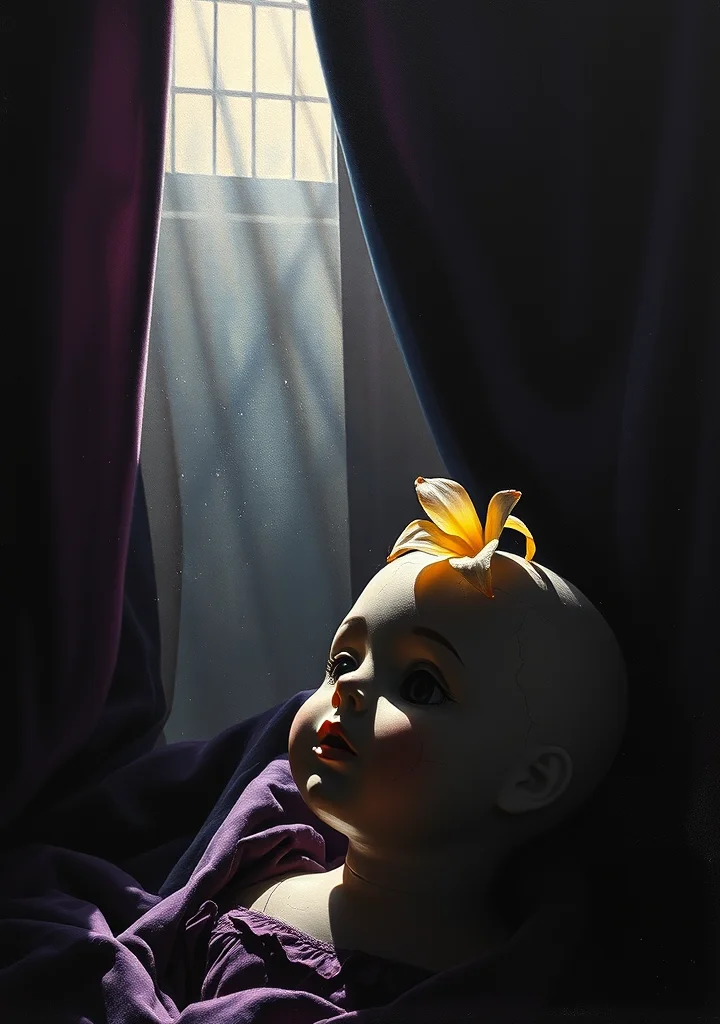
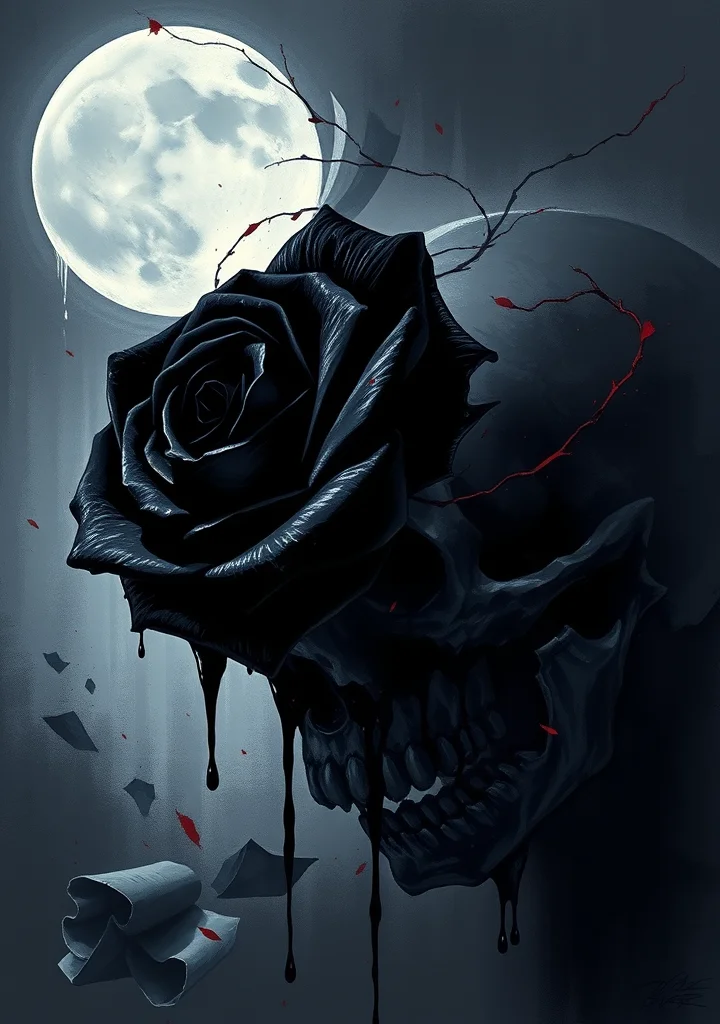
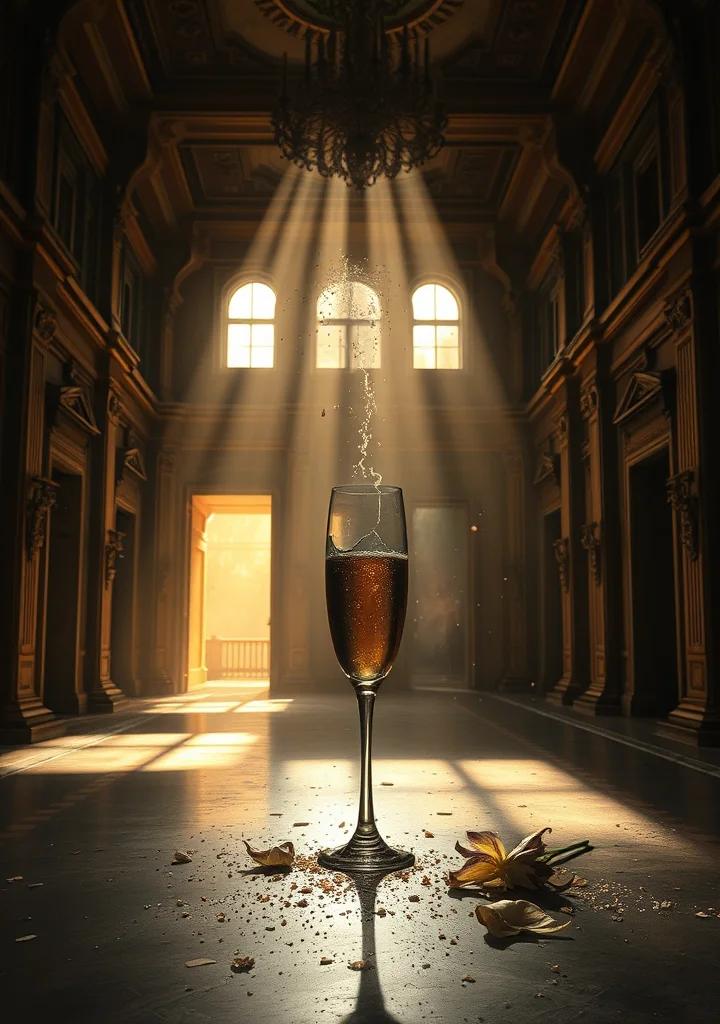
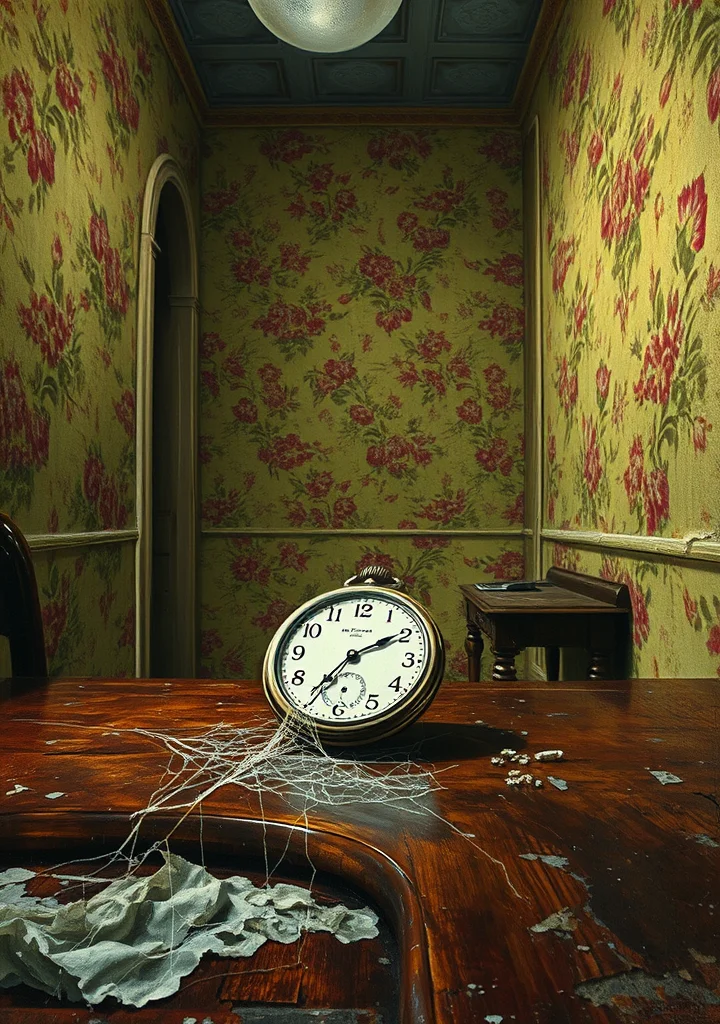
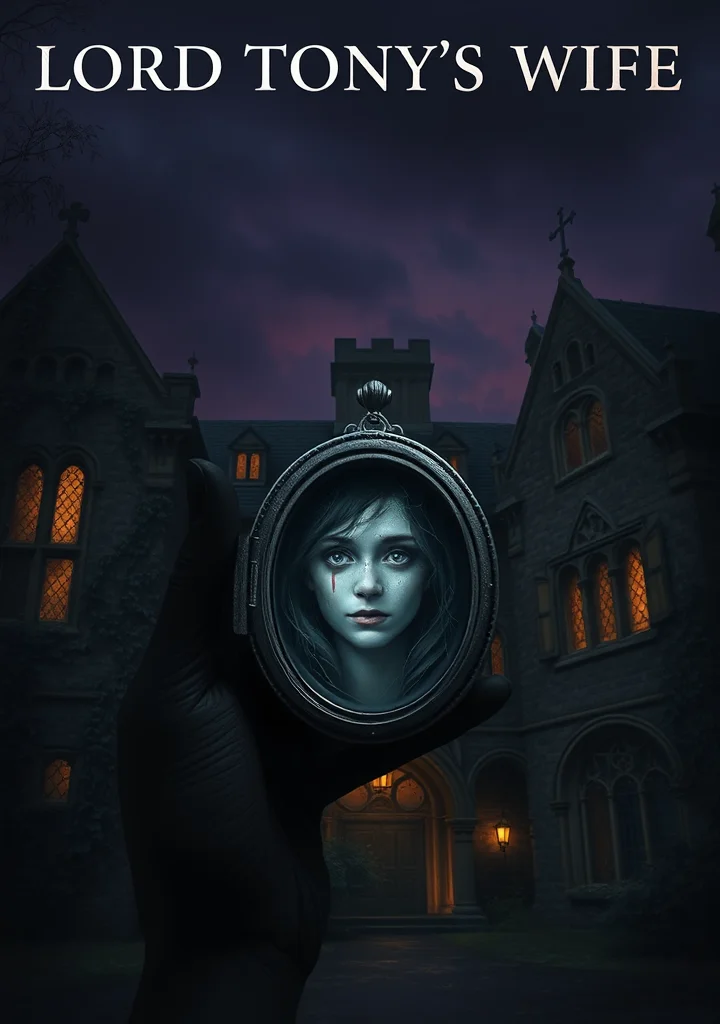
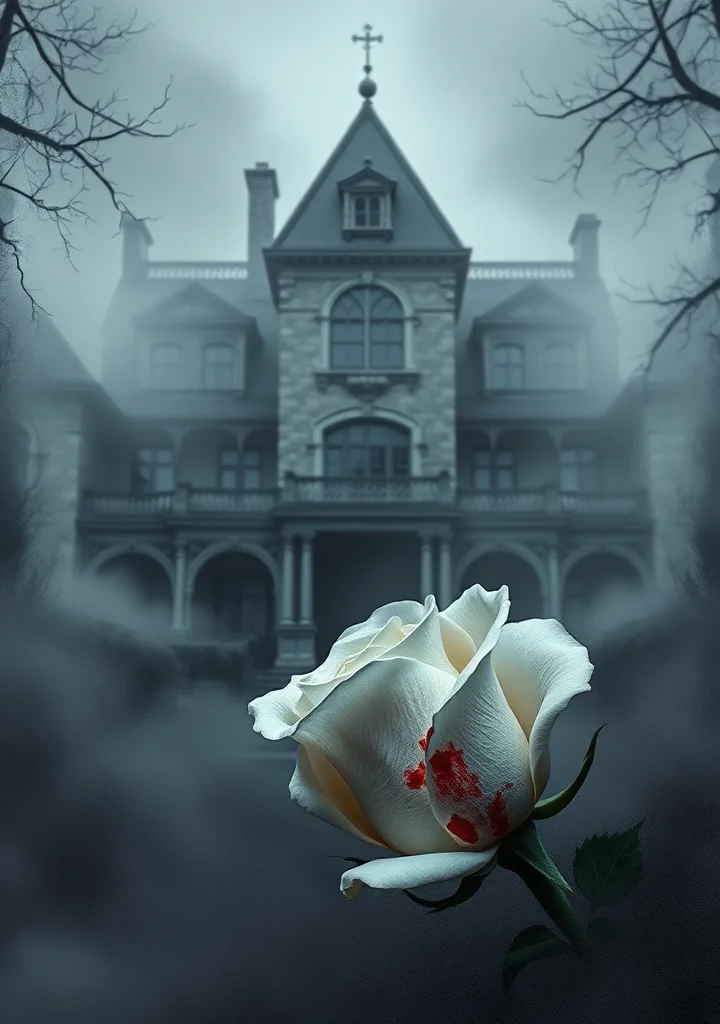
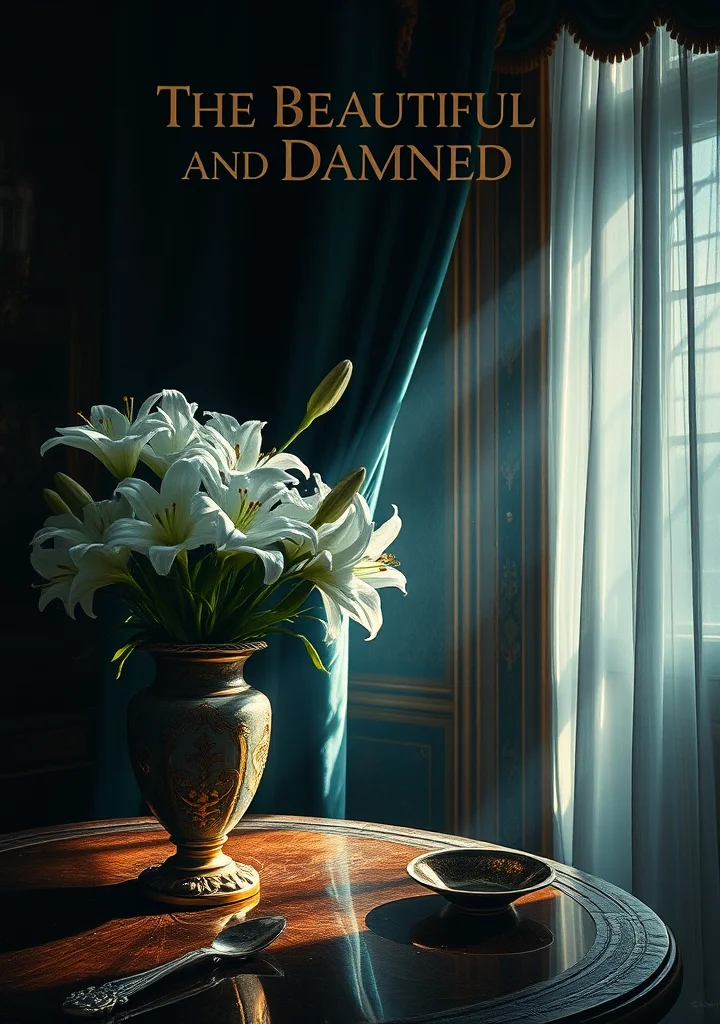
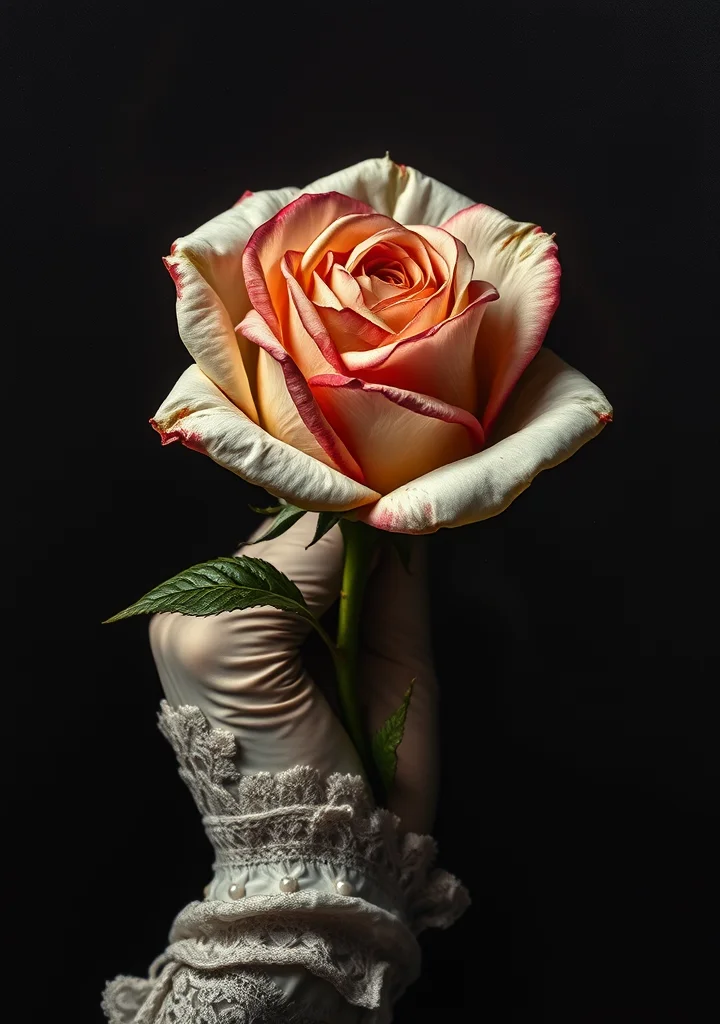
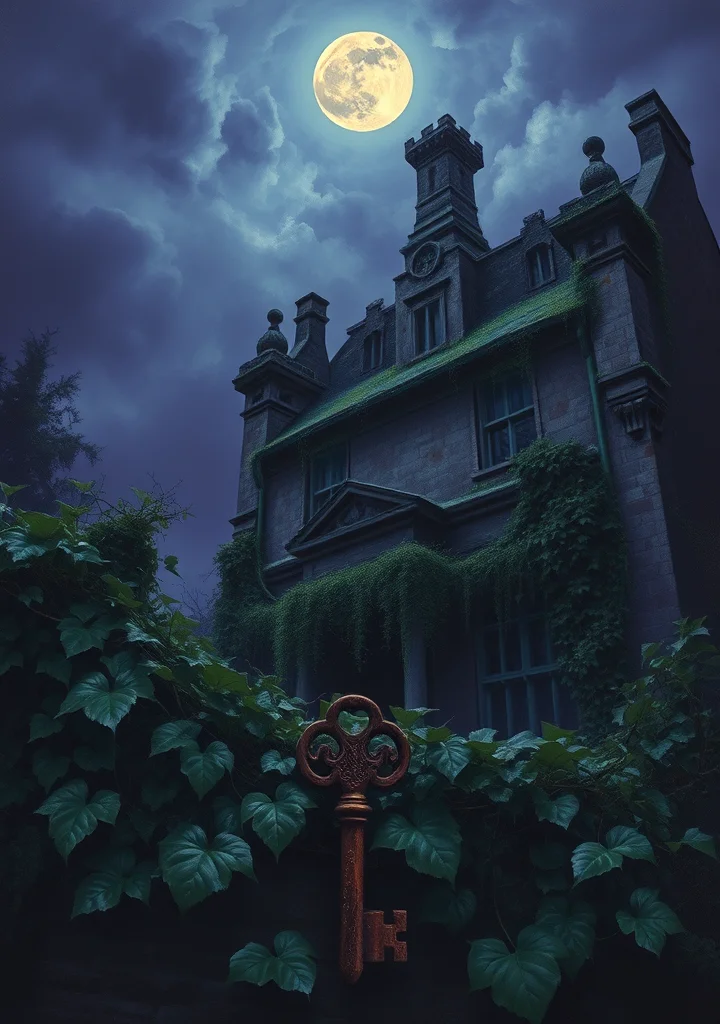
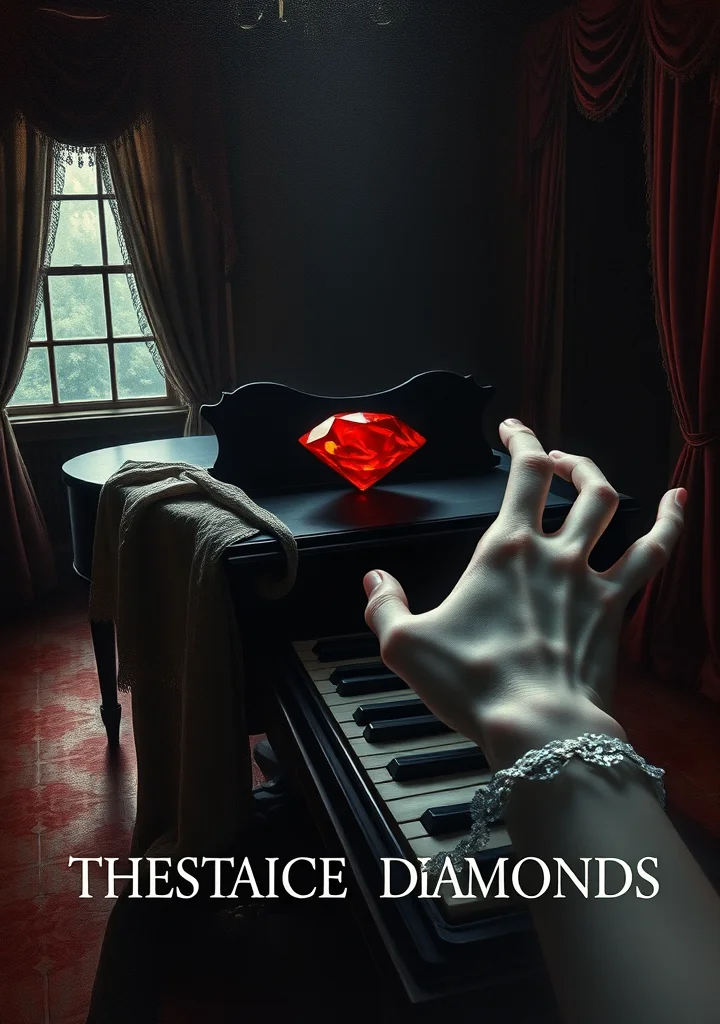
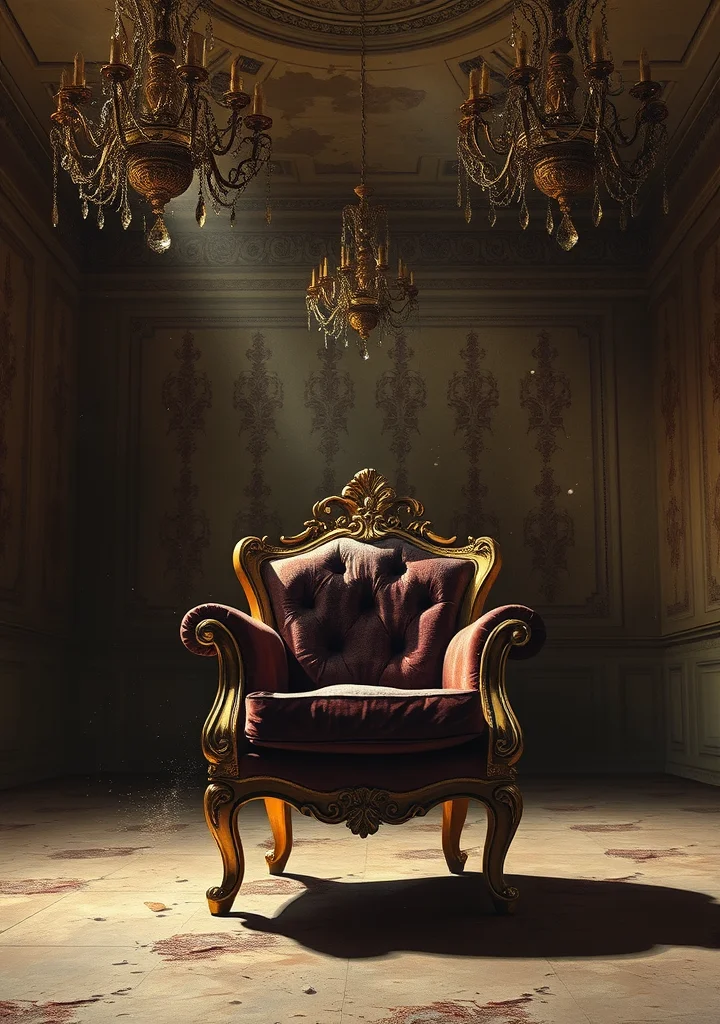
Dust motes dance in the perpetual twilight of ancestral halls, mirroring the slow decay of a lineage built on obsolescence. The air hangs thick with the scent of polished wood and regret, a suffocating perfume of inherited wealth and purposeless existence. Within these shadowed mansions, a subtle rot festers – not of brick and mortar, but of the human spirit, consumed by the exquisite art of doing *nothing*. A creeping dread permeates the very architecture, as the rituals of conspicuous consumption become increasingly desperate, brittle performances masking a hollow core. The narrative unfolds as a spectral autopsy of a dying aristocracy, where every idle gesture, every meticulously curated possession, is a symptom of a deeper, insidious malaise. Observe the ghostly procession of leisure, its cold elegance a shroud woven from boredom and the glittering chains of social obligation. The very foundations of civility seem to crumble with each perfectly timed sip of champagne, each languid glance across a ballroom floor. A suffocating stillness pervades, broken only by the echoing whispers of those who have become shadows of their own privilege, trapped in a gilded cage of their own making, slowly disappearing into the ornate, echoing emptiness. It is a study in sepulchral refinement, a haunting testament to the beautiful, tragic waste of a world on the brink of collapse, where the weight of history presses down like a tombstone.
Copyright: Public Domain
This license allows anyone to use your story for any purpose, including printing, selling, or adapting it into a film freely.
This license allows anyone to use your story for any purpose, including printing, selling, or adapting it into a film freely.
More like this