
A Study in Scarlet
  • 81
  • 0
  • 18
  • Reads 81
  • 0
  • Part 18
Completed, First published Mar 02, 2026

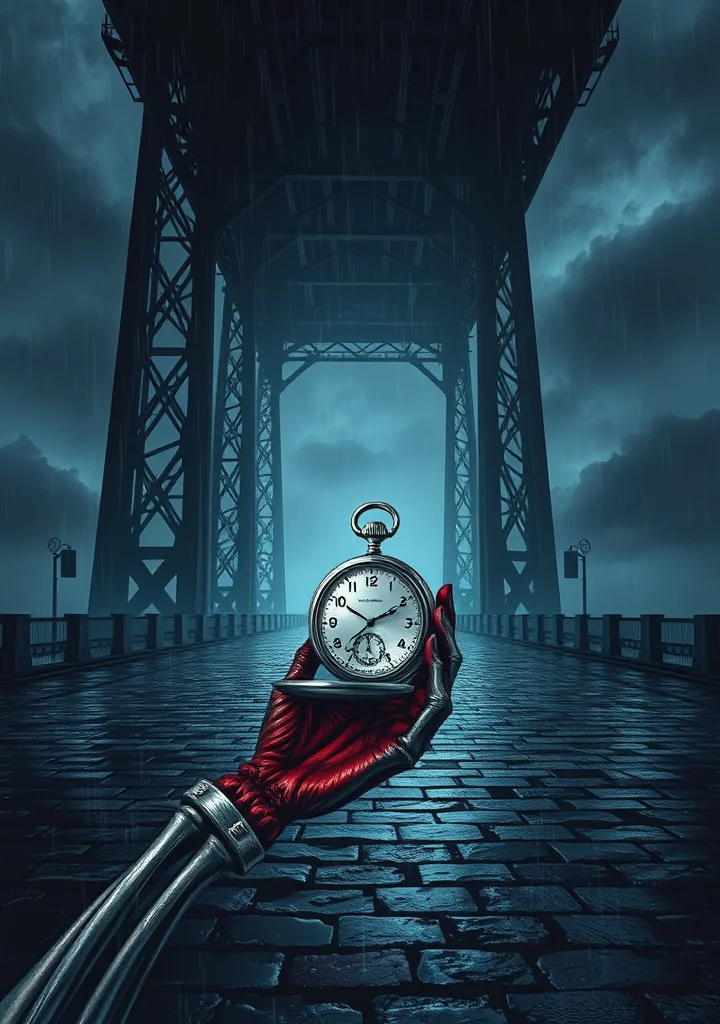
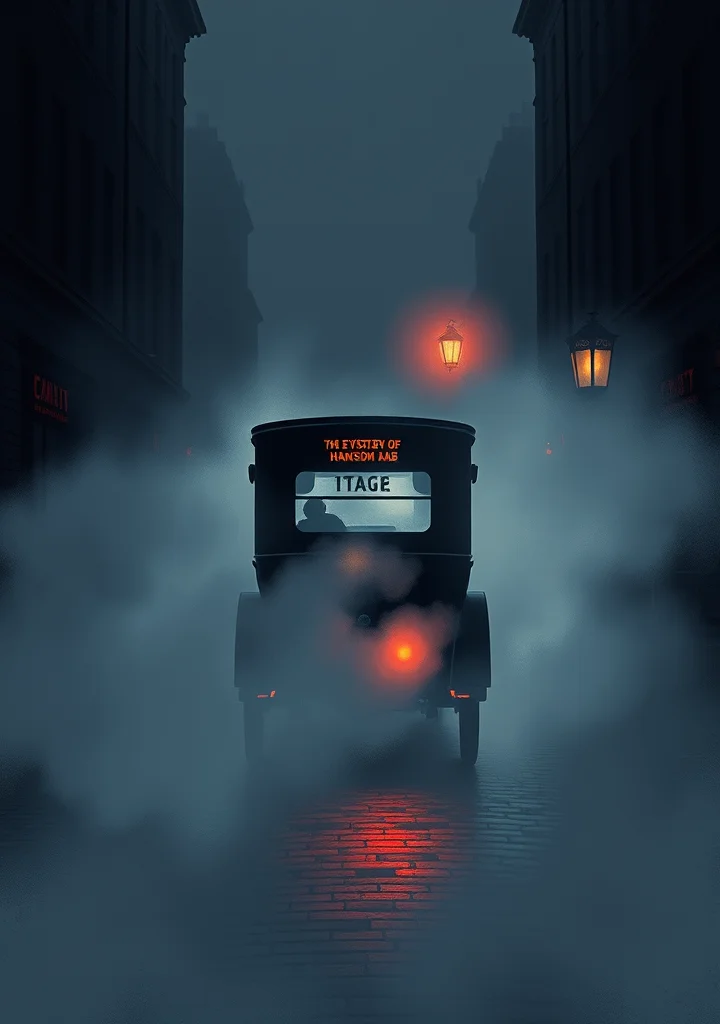
A suffocating London fog clings to the cobbled streets, mirroring the crimson stain that begins to unravel a web of vengeance. The narrative bleeds with the sickly sweet scent of decay, both moral and physical, as a grotesque murder—a body slashed with a peculiar, scarlet glyph—haunts the shadowed alleys of the city. A chilling stillness permeates the investigation, punctuated by the rasping coughs of a doctor returning from the desolate battlefields of Afghanistan, and the razor-sharp intellect of a consulting detective drawn into a labyrinthine case. The atmosphere is one of brittle Victorian respectability cracking under the weight of hidden horrors. Every darkened doorway whispers of secret societies and a past steeped in blood-soaked retribution. The scarlet letters, scrawled across walls and etched into flesh, promise a descent into the heart of a twisted mind, a descent into a darkness where the boundaries between hunter and hunted blur within a suffocating pall of gaslight and dread. The very air feels thick with a simmering rage, born not of London’s grime, but of a long-forgotten, desolate frontier where the thirst for revenge is as boundless as the American West itself. It is a cold, precise evil that leaves a residue of fear clinging to the very stones of the city.
Copyright: Public Domain
This license allows anyone to use your story for any purpose, including printing, selling, or adapting it into a film freely.
Recommended for you
33 Part
Dust motes dance in the cavernous halls of the Charterhouse, mirroring the fractured ambitions of the Lombard nobility within. Parma, a city choked by political machinations and simmering resentments, breathes a stifling air of decay. This is a story steeped in the scent of old stone and the rustle of silk concealing daggers. A young nobleman, torn between the fervor of revolutionary ideals and the suffocating grip of aristocratic expectation, finds himself adrift in a labyrinth of inherited debts, simmering passions, and the ghosts of a forgotten war. The narrative unfolds not as a burst of action, but as a slow erosion – a creeping dampness that seeps into the foundations of fortune and love. Each betrayal is a chipped tile in a mosaic of regret, each alliance forged in the shadows casts a lengthening pall over the characters’ fates. A feverish, almost claustrophobic obsession with gambling and ambition drives men to gamble away their lives, their legacies, their very souls. The air hangs heavy with the weight of unfulfilled desires, the stifled cries of a generation caught between the ancien régime and the storm of modernity. It is a world where the grandest gestures of heroism are undercut by the petty squabbles of ego, where the most ardent love is poisoned by the insidious tendrils of social constraint. The Charterhouse itself becomes a character – a decaying monument to ambition, a tomb for wasted potential, a haunting echo of a world on the brink of collapse. The reader is not merely told a story, but drawn into the suffocating, perfumed darkness of a city and a man consumed by his own self-destruction.

28 Part
Dust motes dance in the perpetual twilight of Mackenzie’s *Journals*, a collection bound in leather smelling faintly of brine and decay. The narrative unfolds not as a story, but as an unraveling – a slow, deliberate erosion of sanity documented in cramped, spidery script. Each entry is a fragment wrested from the encroaching darkness, detailing the slow, suffocating bloom of dread within a remote coastal manor. The sea itself is a character here, a grey, hungry maw that whispers of forgotten gods and the things they drag from the depths. The journals detail a descent into obsession with the manor’s previous inhabitants, a lineage plagued by melancholia and shadowed by ritual. Rooms breathe with the weight of past sorrows, their shadows stretching into grotesque shapes that mimic the author’s growing paranoia. The prose is laced with a creeping claustrophobia, mirroring the manor's labyrinthine corridors and the suffocating weight of inherited grief. There are no grand horrors here, only the exquisite torment of being watched by something unseen, the slow realization that the walls themselves listen. The scent of mildew and rot clings to every page, a tangible residue of despair. The journals are not merely *read*; they are *absorbed*, leaving the reader shivering in the cold, salt-laced air of a forgotten coastline, haunted by the echo of Mackenzie’s fracturing mind. They are a testament to the rot that blossoms not just in wood and stone, but within the very core of the self.