
-
Read 673
-
0
-
Part 54
Completed, First published Mar 02, 2026
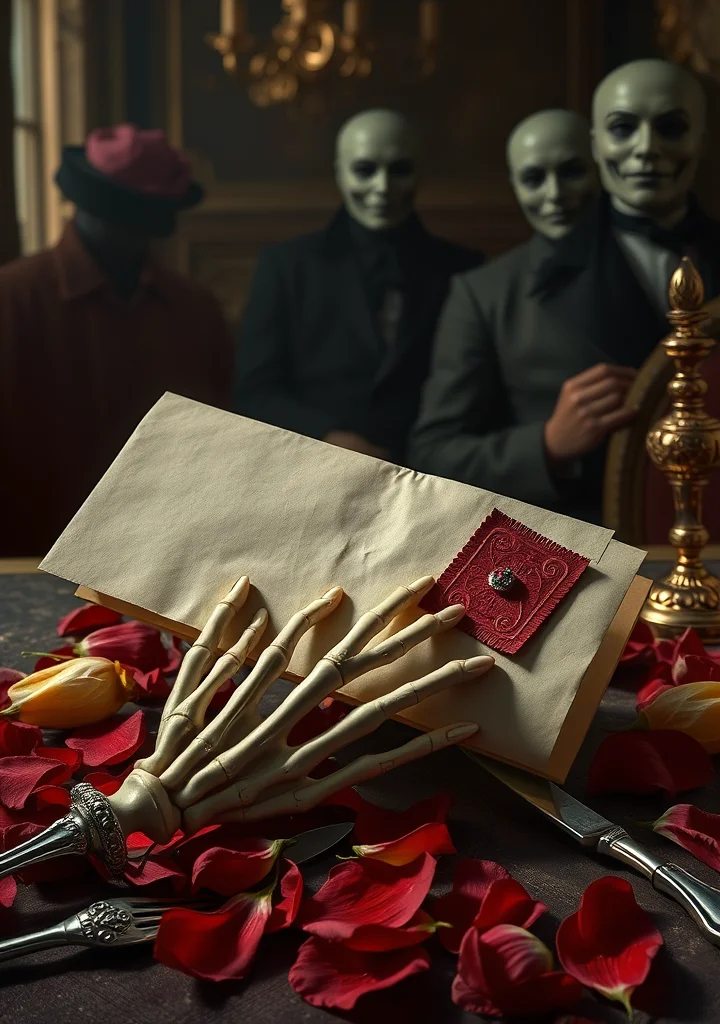
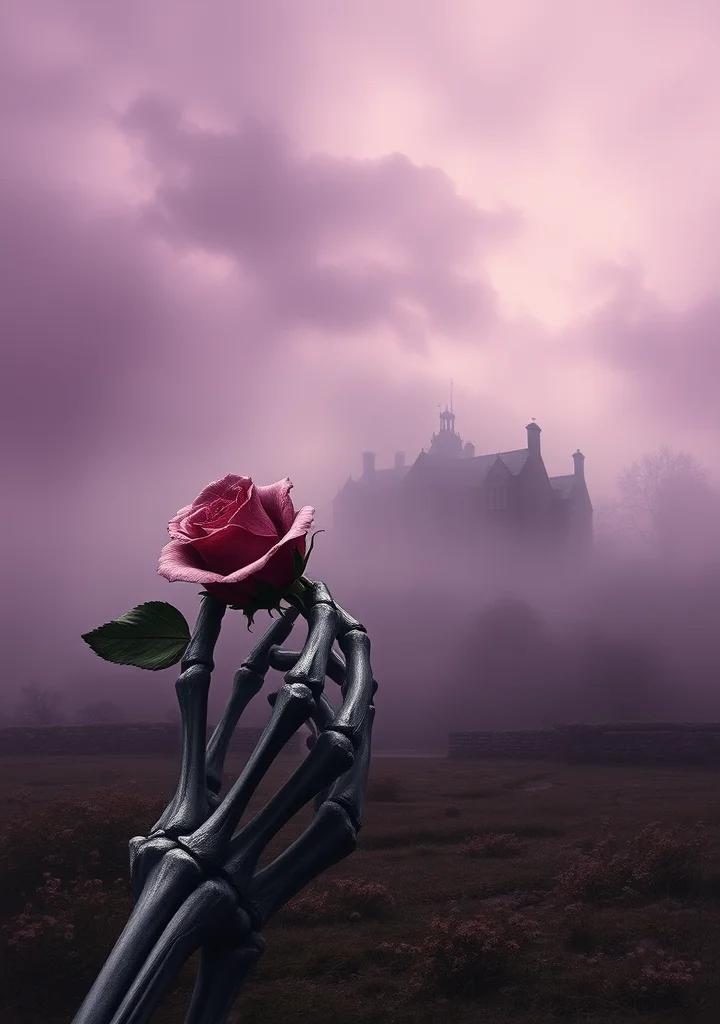
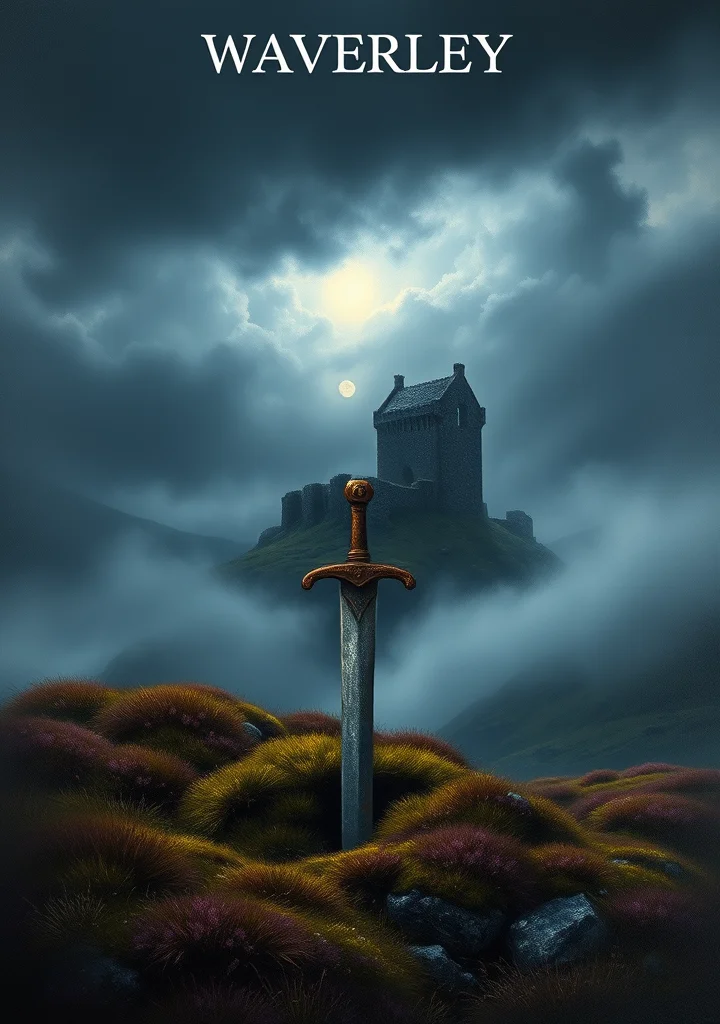
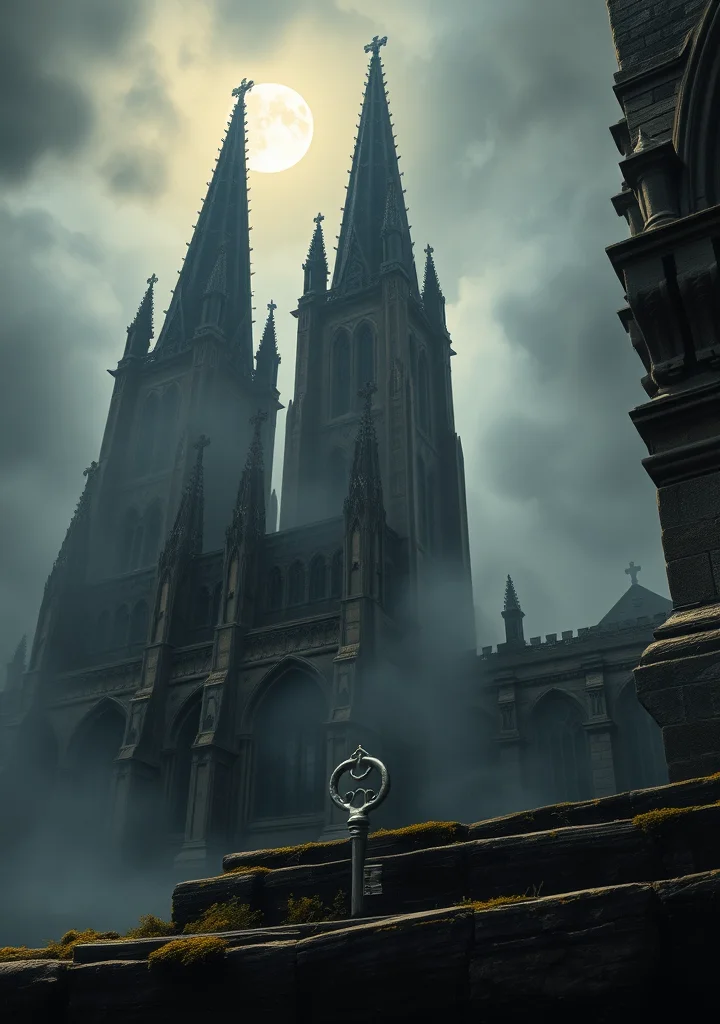
A creeping fog clings to the cathedral spires of Barchester, mirroring the insidious tendrils of ambition and deceit that tighten around the lives within its ancient walls. The air hangs heavy with the scent of damp stone and decaying gentility, a perfume of hushed scandal and simmering resentments. Here, amidst the shadowed cloisters and echoing halls, a web of delicate, yet poisonous, social machinations unfolds. Miss Eleanor Bold, adrift in a sea of inherited wealth and uncertain affections, finds herself a pale moth drawn to the flickering flames of power held by the ambitious and calculating Reverend Mr. Slope.
But Barchester is a place where smiles are brittle as frost, and piety masks a hunger for advancement. Each stolen glance, each murmured secret, is weighted with the burden of expectation and the threat of ruin. The very stones seem to listen, absorbing the whispers of gossip and the slow, agonizing unraveling of reputations. A sense of claustrophobia permeates the narrative, not of physical confinement, but of the suffocating weight of convention. The story unfolds like a slow bloom of mildew, spreading across the polished surfaces of respectability, revealing the rot beneath. It is a world where the slightest transgression casts a long, chilling shadow, and where the pursuit of a comfortable life can lead one down corridors of unbearable loneliness and regret. The shadows lengthen as the novel progresses, obscuring the true motives of the characters, leaving only the hollow echo of their desires in the cavernous silence of Barchester Cathedral.
Copyright: Public Domain
This license allows anyone to use your story for any purpose, including printing, selling, or adapting it into a film freely.
This license allows anyone to use your story for any purpose, including printing, selling, or adapting it into a film freely.
Chapter List
-
« Barchester Towers »📖 Continue Reading
-
« I »
-
« II »
-
« III »
-
« IV »
-
« V »
-
« VI »
-
« VII »
-
« VIII »
-
« IX »
-
« X »
-
« XI »
-
« XII »
-
« XIII »
-
« XIV »
-
« XV »
-
« XVI »
-
« XVII »
-
« XVIII »
-
« XIX »
-
« XX »
-
« XXI »
-
« XXII »
-
« XXIII »
-
« XXIV »
-
« XXV »
-
« XXVI »
-
« XXVII »
-
« XXVIII »
-
« XXIX »
-
« XXX »
-
« XXXI »
-
« XXXII »
-
« XXXIII »
-
« XXXIV »
-
« XXXV »
-
« XXXVI »
-
« XXXVII »
-
« XXXVIII »
-
« XXXIX »
-
« XL »
-
« XLI »
-
« XLII »
-
« XLIII »
-
« XLIV »
-
« XLV »
-
« XLVI »
-
« XLVII »
-
« XLVIII »
-
« XLIX »
-
« L »
-
« LI »
-
« LII »
-
« LIII »
54
-
« Barchester Towers »
-
« I »
-
« II »
-
« III »
-
« IV »
-
« V »
-
« VI »
-
« VII »
-
« VIII »
-
« IX »
-
« X »
-
« XI »
-
« XII »
-
« XIII »
-
« XIV »
-
« XV »
-
« XVI »
-
« XVII »
-
« XVIII »
-
« XIX »
-
« XX »
-
« XXI »
-
« XXII »
-
« XXIII »
-
« XXIV »
-
« XXV »
-
« XXVI »
-
« XXVII »
-
« XXVIII »
-
« XXIX »
-
« XXX »
-
« XXXI »
-
« XXXII »
-
« XXXIII »
-
« XXXIV »
-
« XXXV »
-
« XXXVI »
-
« XXXVII »
-
« XXXVIII »
-
« XXXIX »
-
« XL »
-
« XLI »
-
« XLII »
-
« XLIII »
-
« XLIV »
-
« XLV »
-
« XLVI »
-
« XLVII »
-
« XLVIII »
-
« XLIX »
-
« L »
-
« LI »
-
« LII »
-
« LIII »
More like this