
Cornelli
  • 84
  • 0
  • 11
  • Reads 84
  • 0
  • Part 11
Completed, First published Mar 02, 2026

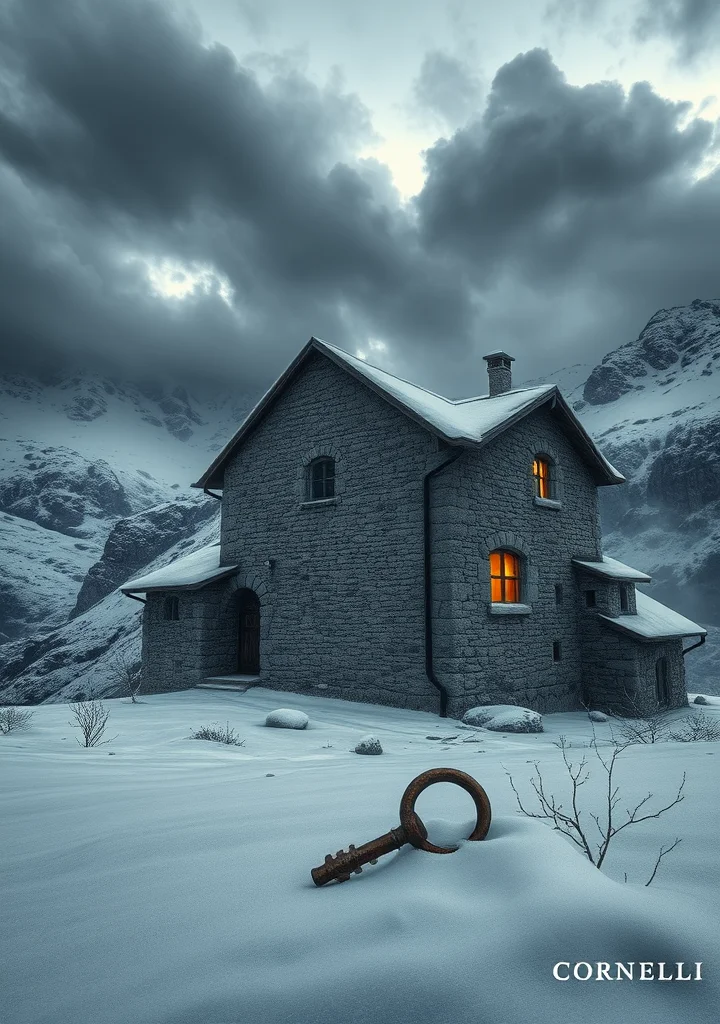
The Alpine air chills not just the skin, but the very bone, in Johanna Spyri’s *Cornelli*. This is not a tale of pastoral idyll, but of a fractured inheritance clinging to a precipice of stone and shadow. The story unfolds within a fortress of a farmhouse, carved into a mountainside that seems to bleed into the grey sky. A young woman, adrift from a fractured family, finds herself bound to this lonely place – a ward of its ancient, echoing rooms and the silence that clings to them like a shroud. The weight of generations presses down with every gust of wind, and the surrounding peaks seem to watch with cold, unforgiving eyes. The narrative doesn’t rush, but *seeps* into the reader’s consciousness, mirroring the slow erosion of the mountains themselves. It’s a landscape of muted colours, of perpetual twilight, where even the sun feels distant and spectral. The house itself breathes with a history of loss and isolation, each room a mausoleum of forgotten lives. A creeping sense of dread permeates the narrative, not from any overt horror, but from the suffocating weight of loneliness and the unyielding grip of the mountains. *Cornelli* is a novel of confinement, not merely physical, but within the echoing chambers of a haunted past, where the secrets of the land and the family’s history are buried as deep as the roots of the ancient pines. The atmosphere is one of pervasive melancholy, a slow, beautiful decay that clings to the reader long after the final page is turned.
Copyright: Public Domain
This license allows anyone to use your story for any purpose, including printing, selling, or adapting it into a film freely.
Recommended for you
9 Part
Dust motes dance in perpetual twilight within the crumbling estate of Herr von Schack, a man consumed by a singular, obsessive pursuit: the perfect breeding of fleas. But this is no mere entomological study; it is a descent into madness mirroring the decay of his ancestral home. Each meticulously curated generation of the tiny parasites reflects a fractured shard of his own psyche, a grotesque parody of lineage and ambition. The air hangs thick with the scent of decay—not just of rotting wood and damp stone, but of something far more insidious: a creeping dread born of miniature, chitinous horrors. Hoffmann weaves a suffocating claustrophobia, not within grand halls but within the suffocating confines of a glass bell jar, a miniature world of creeping legs and glistening carapaces mirroring the stifled desires of the master himself. The narrative unfolds as a slow unraveling, punctuated by feverish monologues detailing the flea’s “pedigree” and its grotesque “achievements.” A palpable sense of violation permeates the prose; the reader is not merely witnessing madness, but *invited* into its swarming, microscopic heart. Whispers cling to the shadowed corners of the estate, tales of a monstrous legacy woven into the very fabric of the von Schack bloodline, a legacy now manifested in the twitching, iridescent bodies of these miniature masters. The creeping unease isn't simply *about* the fleas, but the horrifying realization that they, and the man who breeds them, are reflections of something ancient and terrible lurking within the foundations of reason itself. The final, suffocating act is not a climax, but an infestation—a chilling descent into the abyss where obsession devours not just its subject, but the very soul of the observer.
12 Part
A suffocating dread clings to the steel decks and shadowed machinery of a transatlantic liner, where the brute force of labor grinds against a creeping, animalistic despair. The air itself is thick with coal dust and the greasy tang of engine rooms, mirroring the primal urges stirring within the hulking, ape-like figure of Paddy Donovan. He’s a man reduced to muscle and instinct, a creature of the hold, yet haunted by a phantom touch, a fleeting glimpse of something *other* than grime and iron. The narrative descends into a feverish, claustrophobic descent through the ship’s bowels—a world of flickering gaslight and the rhythmic throb of pistons, echoing the frantic beat of a caged heart. Donovan’s desperate attempts to connect, to *feel* something beyond the metallic clang of his existence, twist into a grotesque parody of yearning. The city above, glimpsed through grates and hatches, becomes a mocking reflection of a humanity he can no longer grasp. He is drawn to the grotesque carnival of the docks, to the desperate, predatory gazes of those who’ve lost their footing in the mire. The narrative bleeds into a brutal, fractured landscape of waterfront dives and shadowy alleys—a world where the ape’s rage finds a chilling resonance in the distorted cries of street preachers and the hollow laughter of the dispossessed. It is a slow, agonizing unraveling, a descent into a feral howl that echoes not with human protest, but with the guttural loneliness of a beast trapped in the ruins of its own making. The final, echoing space is one of concrete and cold, the raw, exposed nerve of a fractured soul finding its final, devastating release.