
-
Read 216
-
0
-
Part 12
Completed, First published Mar 02, 2026
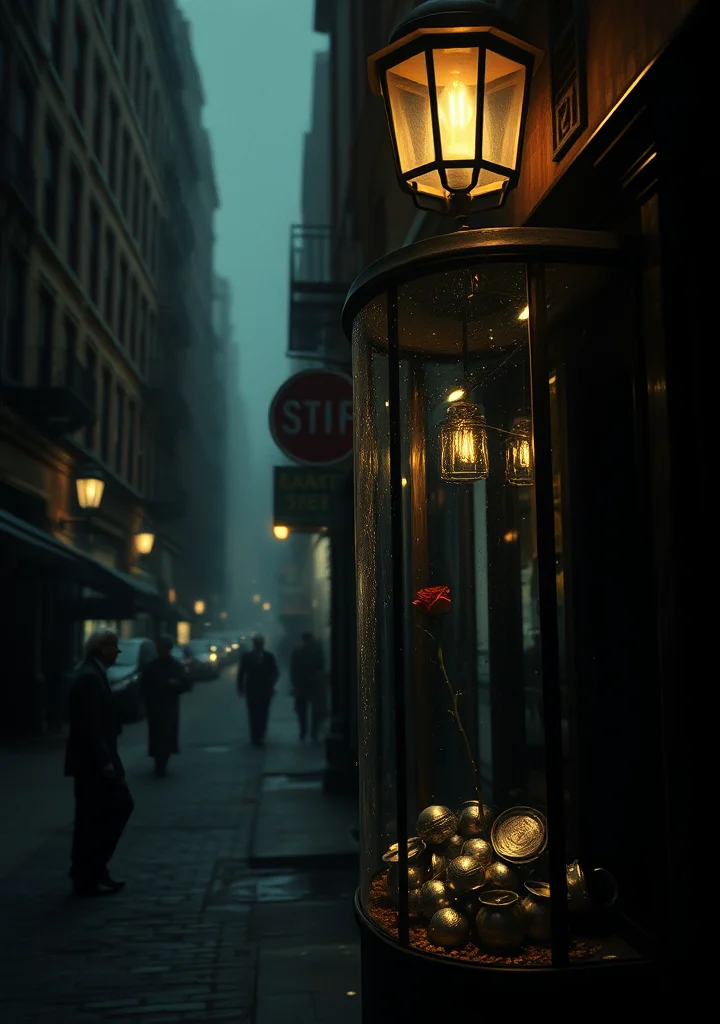
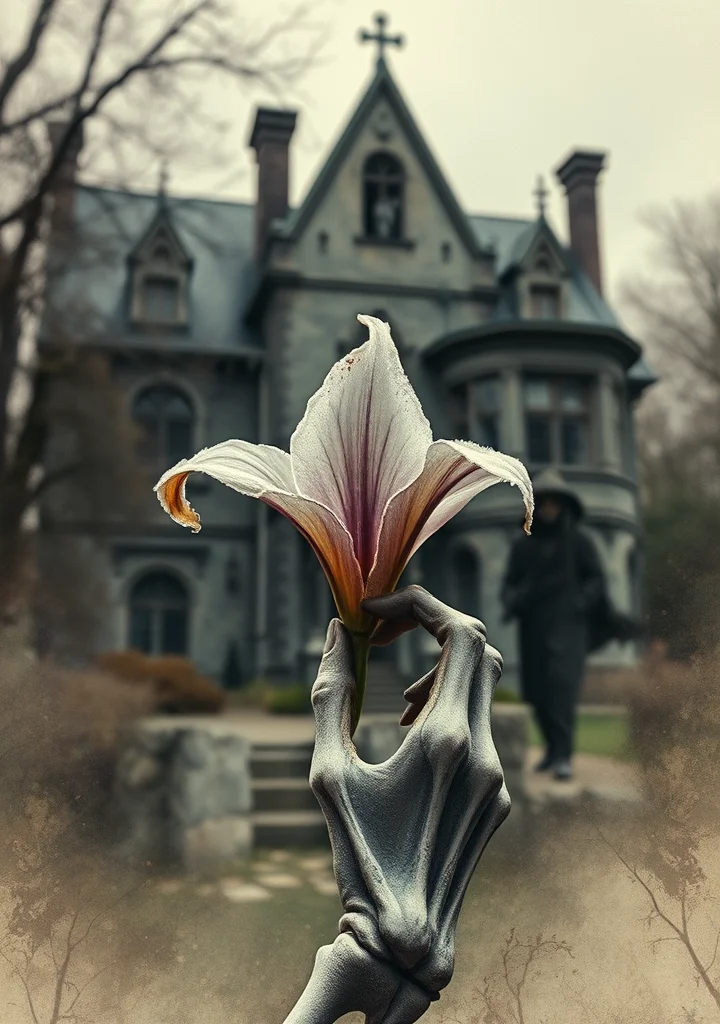
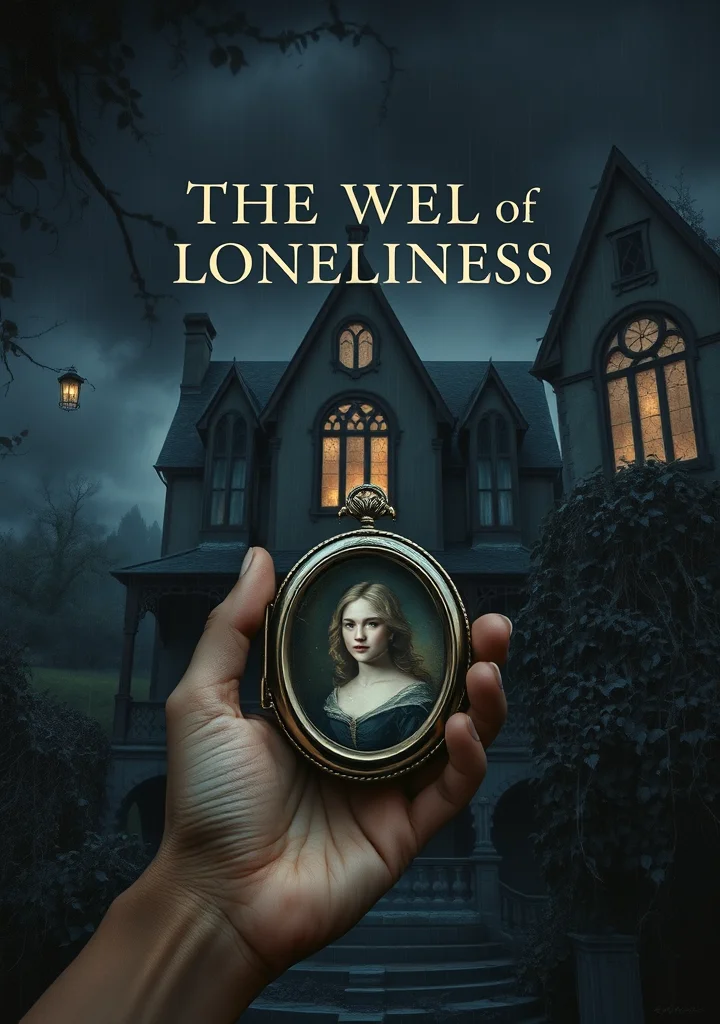
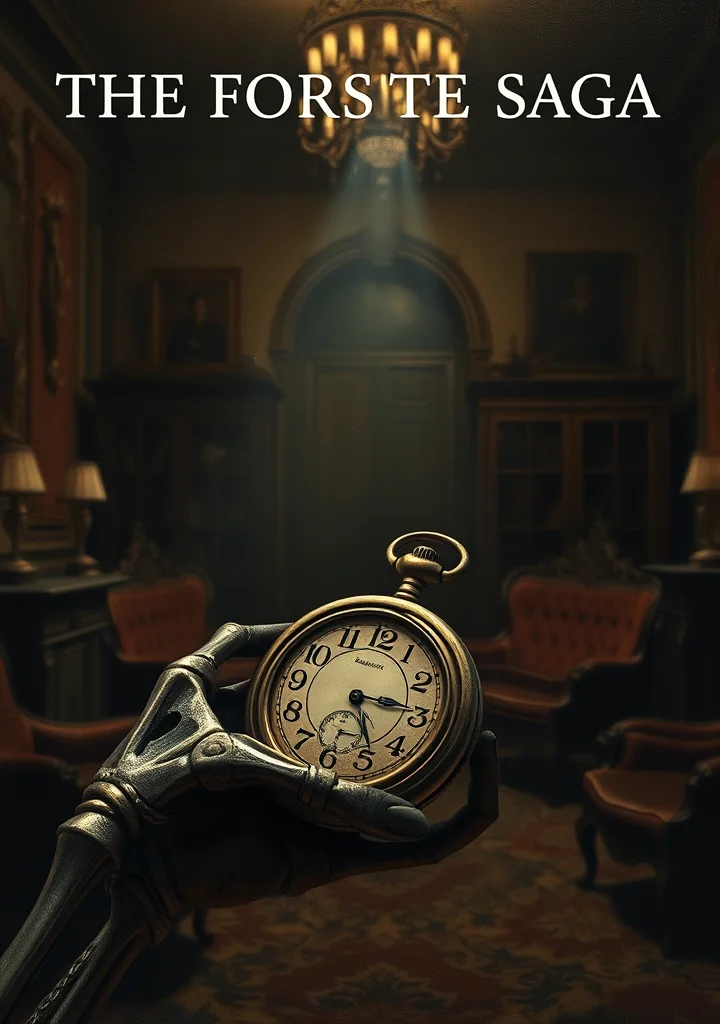
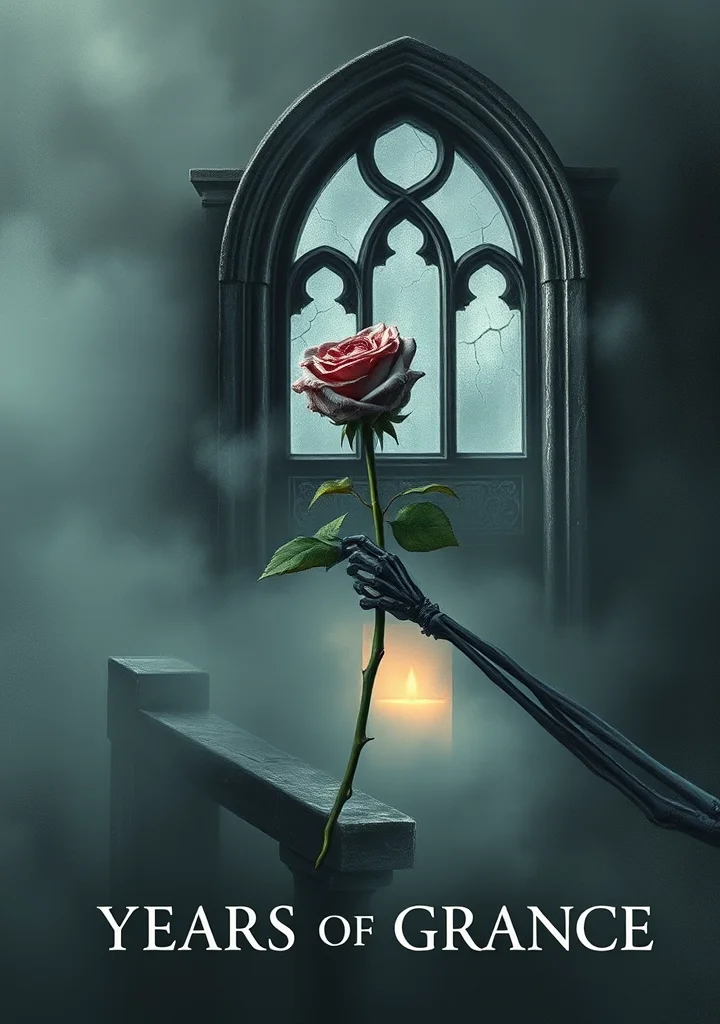
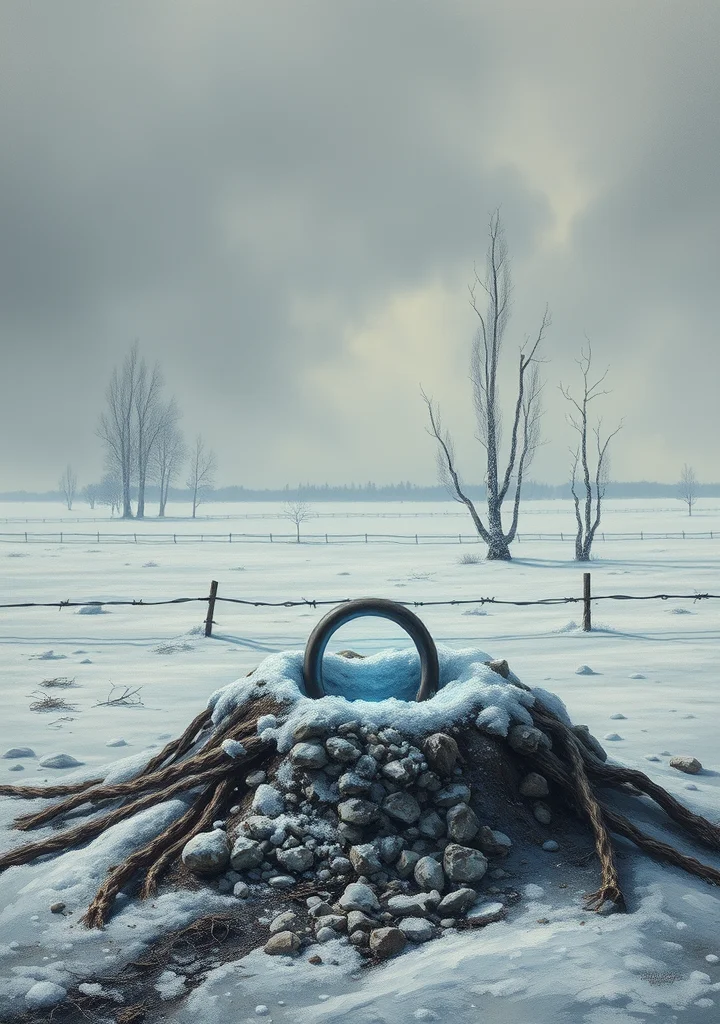
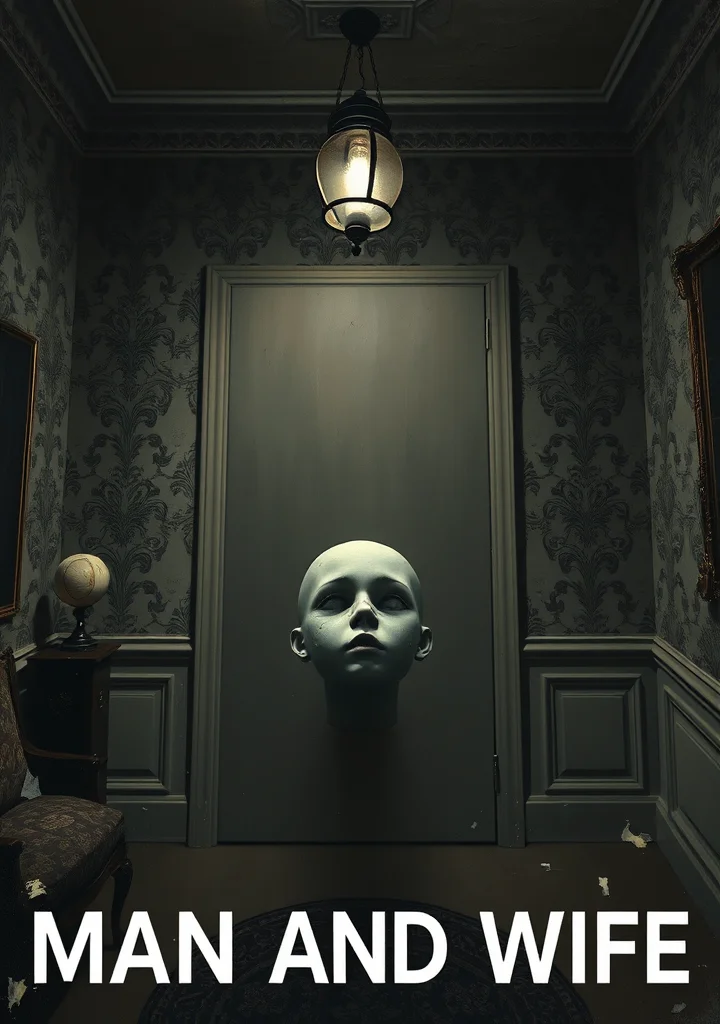
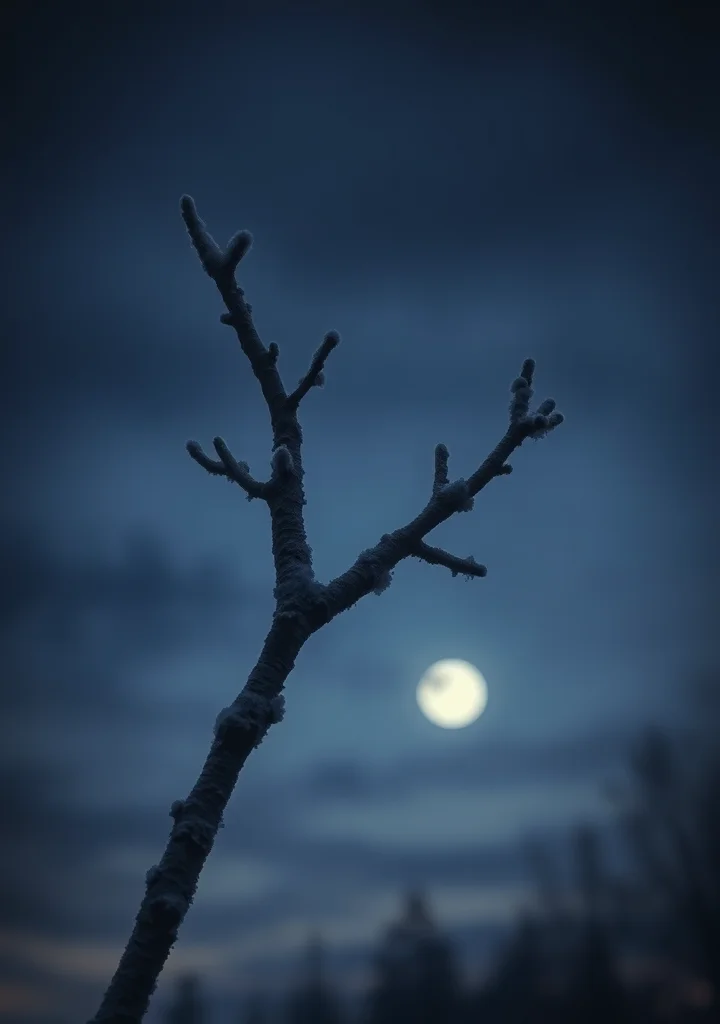
A chill wind whispers through the skeletal branches of New England birches, mirroring the isolation tightening around Betsy Ray. Not a tale of specters and crumbling manors, but a haunting of the spirit, a slow unraveling within the rigid confines of a well-meaning, yet suffocating, family. The narrative clings to the damp stone of a forgotten lineage, where expectations are mausoleums built around a girl's burgeoning self. Betsy’s ‘understanding’ isn’t kindness, but a subtle, insidious pruning of her wildness. Each forced lesson, each stifled impulse, is a frost creeping across the panes of her heart. The story unfolds in muted greys and browns, the color of regret and unshed tears. There’s a scent of dust motes dancing in sunbeams, illuminating the hollow spaces where Betsy’s authentic voice should bloom. A pervasive loneliness settles like fog, obscuring the paths to genuine connection, leaving only the echo of what might have been, had she not been so meticulously, tragically *understood*. The narrative breathes with the stifled cries of a girl buried alive beneath the weight of good intentions, a gothic study of domestic constraint where the true horror lies not in what’s done *to* Betsy, but in what is relentlessly *taken* from her.
Copyright: Public Domain
This license allows anyone to use your story for any purpose, including printing, selling, or adapting it into a film freely.
This license allows anyone to use your story for any purpose, including printing, selling, or adapting it into a film freely.
More like this