
Understood Betsy
  • 228
  • 0
  • 12
  • Read 228
  • 0
  • Part 12
Completed, First published Mar 02, 2026

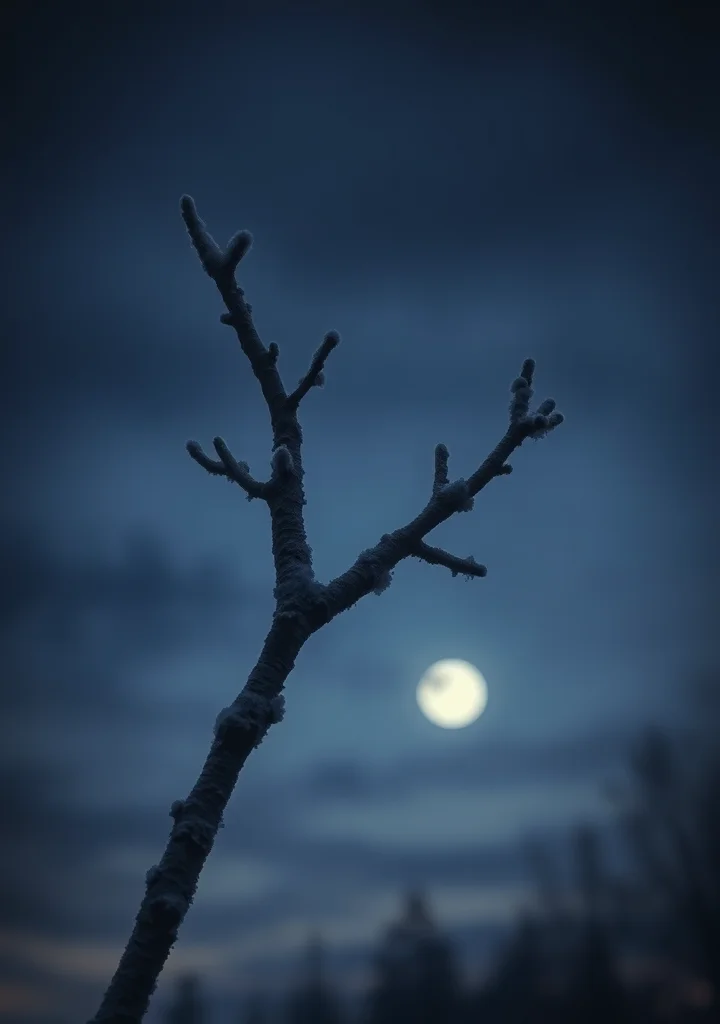
A chill wind whispers through the skeletal branches of New England birches, mirroring the isolation tightening around Betsy Ray. Not a tale of specters and crumbling manors, but a haunting of the spirit, a slow unraveling within the rigid confines of a well-meaning, yet suffocating, family. The narrative clings to the damp stone of a forgotten lineage, where expectations are mausoleums built around a girl's burgeoning self. Betsy’s ‘understanding’ isn’t kindness, but a subtle, insidious pruning of her wildness. Each forced lesson, each stifled impulse, is a frost creeping across the panes of her heart. The story unfolds in muted greys and browns, the color of regret and unshed tears. There’s a scent of dust motes dancing in sunbeams, illuminating the hollow spaces where Betsy’s authentic voice should bloom. A pervasive loneliness settles like fog, obscuring the paths to genuine connection, leaving only the echo of what might have been, had she not been so meticulously, tragically *understood*. The narrative breathes with the stifled cries of a girl buried alive beneath the weight of good intentions, a gothic study of domestic constraint where the true horror lies not in what’s done *to* Betsy, but in what is relentlessly *taken* from her.
Copyright: Public Domain
This license allows anyone to use your story for any purpose, including printing, selling, or adapting it into a film freely.
Recommended for you
19 Part
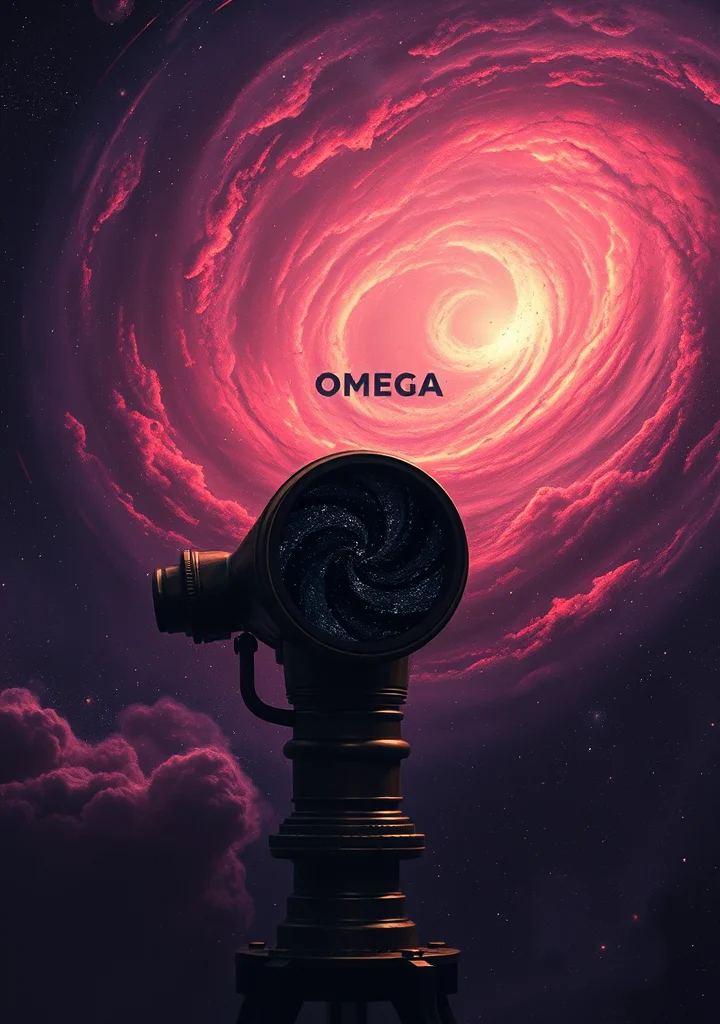
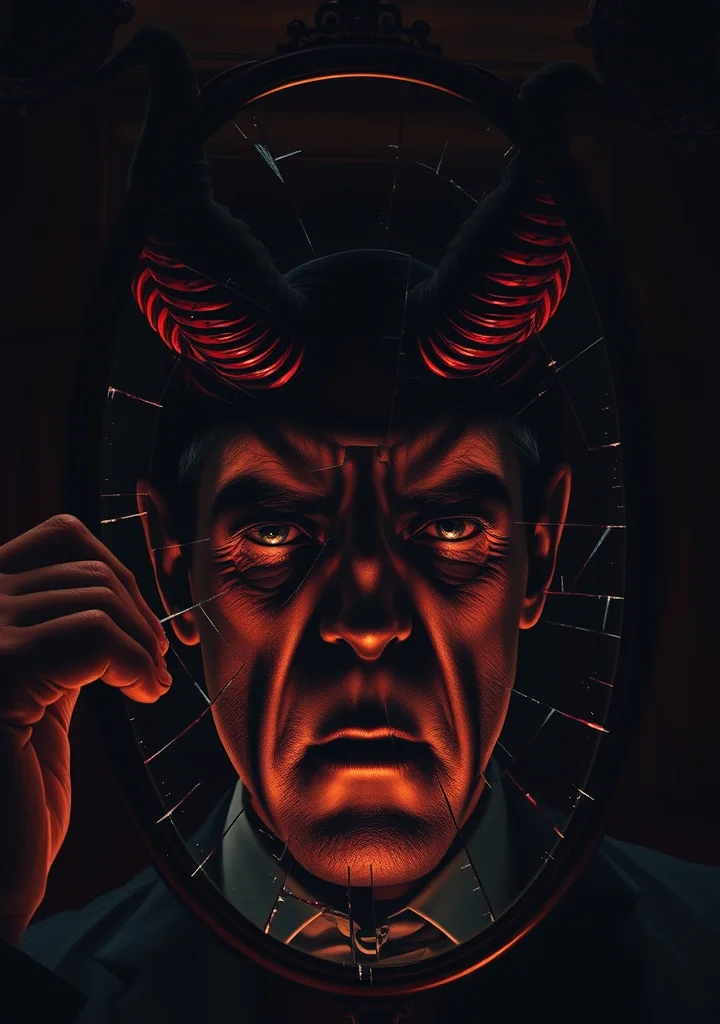
Dust motes dance in the perpetual twilight of the observatory, mirroring the spiraling descent into madness that consumes Dr. Elias Thorne. Flammarion’s *Omega* isn’t merely a tale of scientific obsession, but a slow erosion of sanity witnessed through the lens of a dying star. Thorne, charting the final collapse of a celestial body, finds his own reality fracturing—the boundaries between observation and hallucination, the known universe and the abyss, blurring with each passing night. The estate itself, a gothic monolith clinging to a windswept promontory, breathes with the same decaying rhythm as Thorne’s mind. Shadows lengthen, not from the setting sun, but from the encroaching void within. His journals, filled with frantic sketches and increasingly illegible equations, bleed into feverish pronouncements about a cosmic convergence—a point of ultimate dissolution where all things, including the self, return to the primal darkness. The air chills with the scent of ozone and decay, thick with the weight of unseen presences drawn to the observatory’s singular focus. A creeping dread seeps from the stone walls, mirroring the encroaching entropy of Thorne’s soul as he descends, not into the mysteries of the cosmos, but into the suffocating silence at its heart. The final pages, scrawled in a trembling hand, speak of a ritual—a desperate attempt to commune with the collapsing star, to *become* Omega, to embrace the oblivion that awaits all creation. It’s a descent not into hell, but into the echoing emptiness *beyond* it.
21 Part
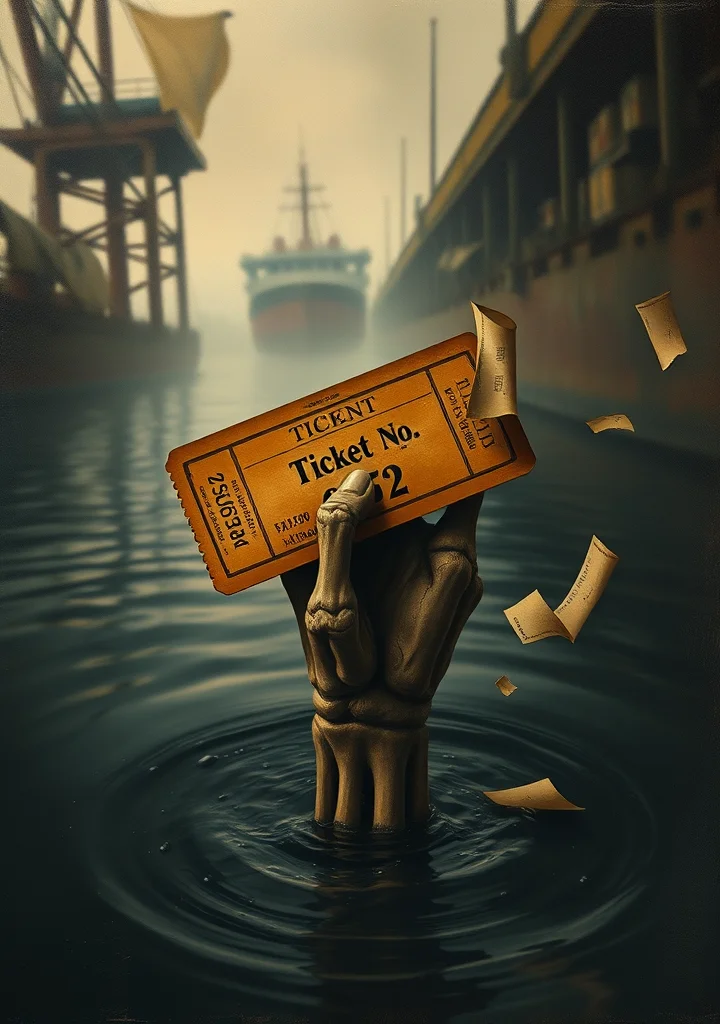
A suffocating heat clings to the docks of colonial Saigon, thick with the scent of jasmine and decay. The narrative unravels not with grand adventure, but with the stifled desperation of a man purchased – a phantom commodity traded between shadowy brokers. He’s known only as the Passenger, his origins a deliberate erasure etched in the ledger as ‘Ticket No. 9672.’ The air itself feels haunted by the weight of forgotten currencies, of lives quantified and sold. Each chapter is a peeling layer of circumstance, revealing a man consumed by a creeping, nameless dread. He exists in the humid confines of a crumbling mansion, a gilded cage furnished with the whispers of opium dens and the mournful cries of caged birds. His captors are less concerned with his loyalty than his silence—a silence he struggles to maintain as fragments of a former life bleed into the present. The story doesn't soar with rockets to the moon, but spirals downward into the claustrophobic labyrinth of a mind unraveling. The descriptions are saturated with the oppressive weight of velvet drapes, the glint of tarnished silver, and the sickly sweet aroma of rotting fruit. It’s a story of imprisonment not by bars, but by the insidious erosion of memory, the slow suffocation of identity within a system designed to erase every trace of self. The final pages hint at a reckoning not of escape, but of acceptance, as the Passenger discovers he's not merely owned—but *constructed* by the very forces he seeks to defy.