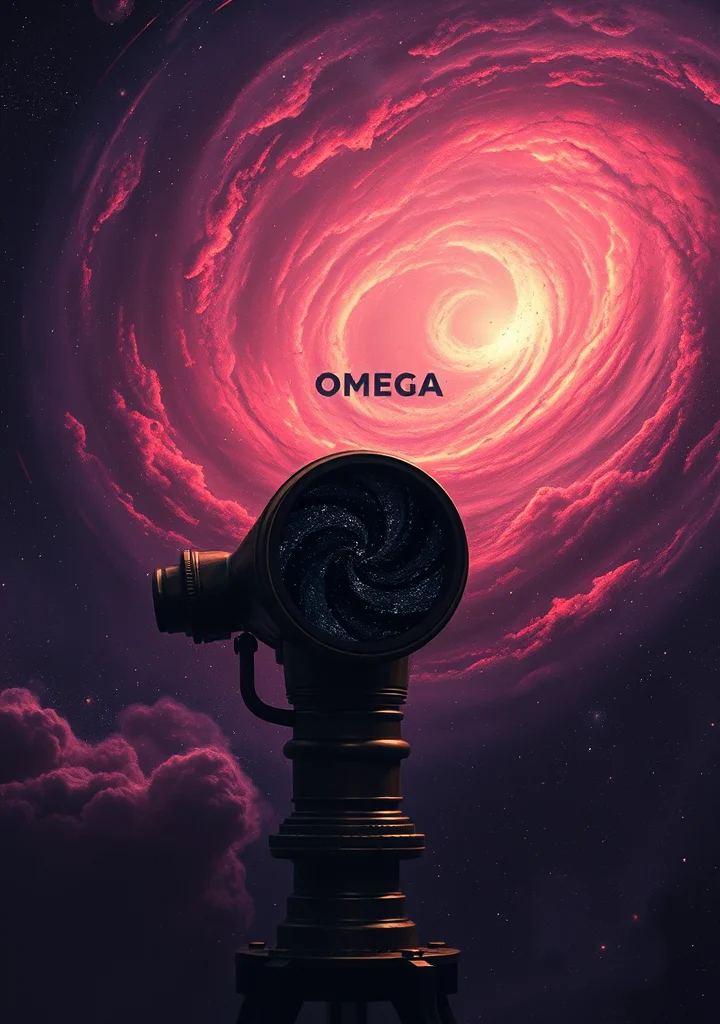

Omega
  • 119
  • 0
  • 23
  • Reads 119
  • 0
  • Part 23
Completed, First published Mar 02, 2026

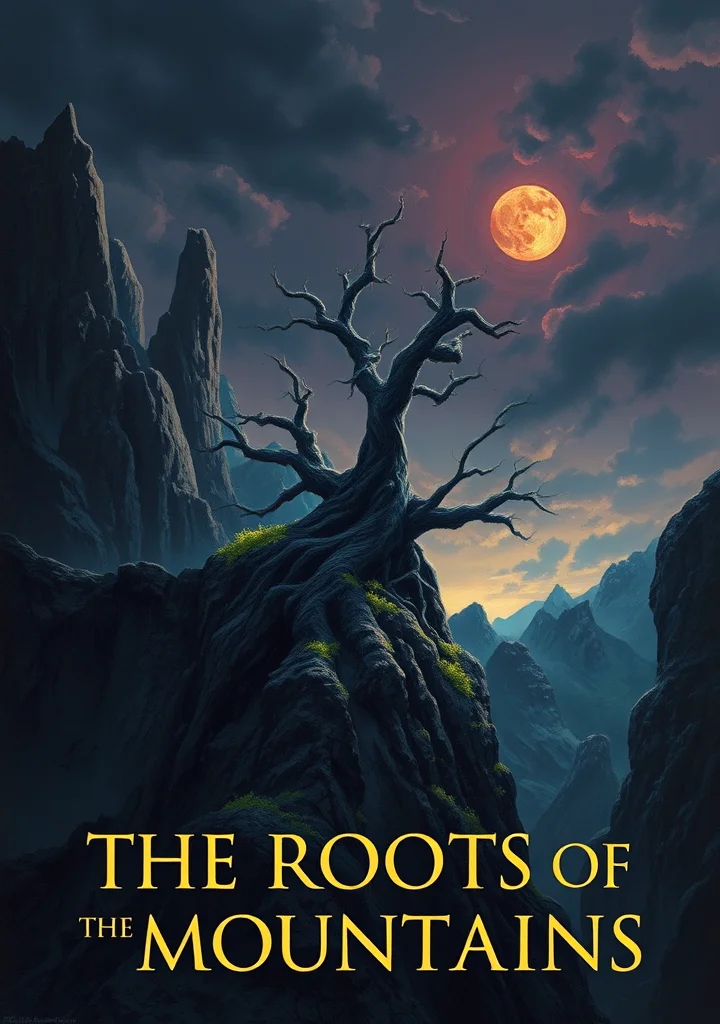
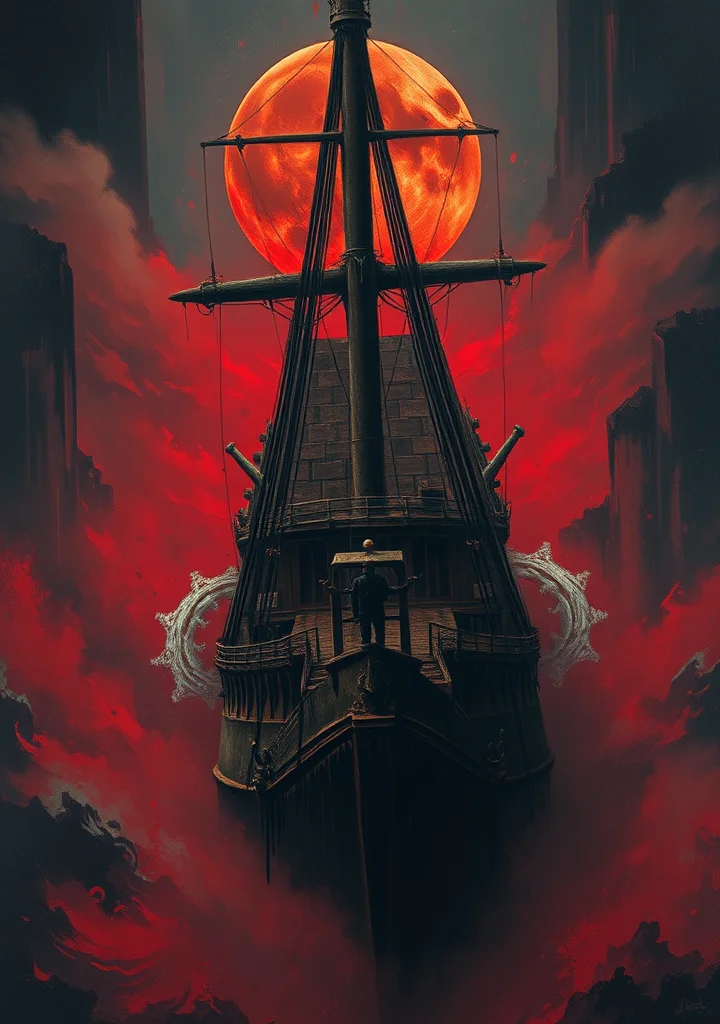
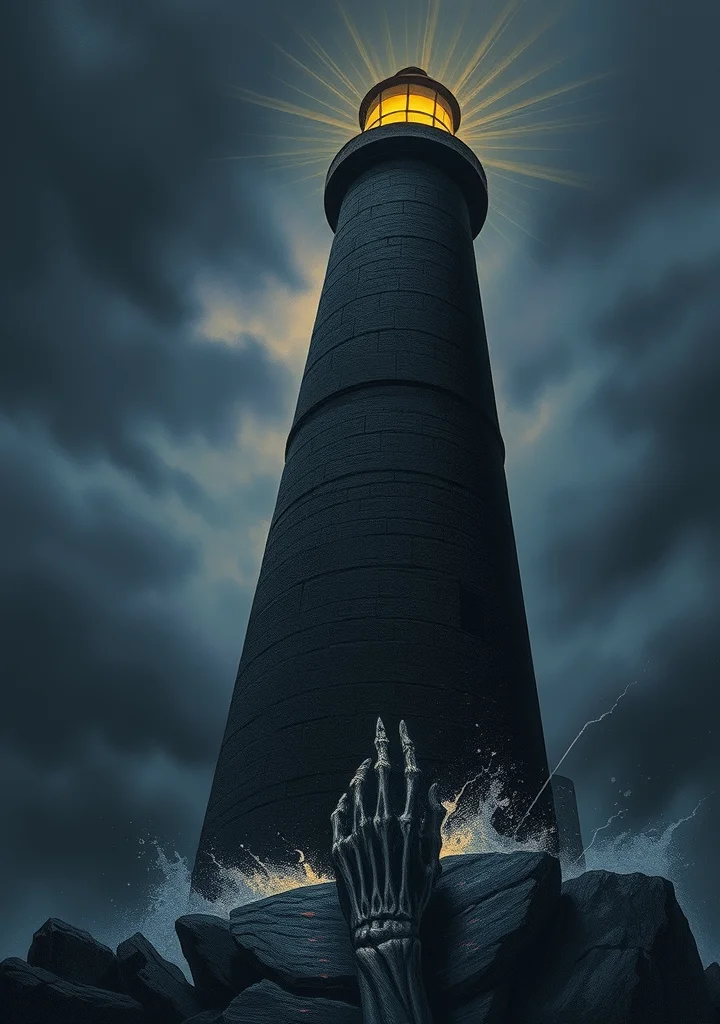
Dust motes dance in the perpetual twilight of the observatory, mirroring the spiraling descent into madness that consumes Dr. Elias Thorne. Flammarion’s *Omega* isn’t merely a tale of scientific obsession, but a slow erosion of sanity witnessed through the lens of a dying star. Thorne, charting the final collapse of a celestial body, finds his own reality fracturing—the boundaries between observation and hallucination, the known universe and the abyss, blurring with each passing night. The estate itself, a gothic monolith clinging to a windswept promontory, breathes with the same decaying rhythm as Thorne’s mind. Shadows lengthen, not from the setting sun, but from the encroaching void within. His journals, filled with frantic sketches and increasingly illegible equations, bleed into feverish pronouncements about a cosmic convergence—a point of ultimate dissolution where all things, including the self, return to the primal darkness. The air chills with the scent of ozone and decay, thick with the weight of unseen presences drawn to the observatory’s singular focus. A creeping dread seeps from the stone walls, mirroring the encroaching entropy of Thorne’s soul as he descends, not into the mysteries of the cosmos, but into the suffocating silence at its heart. The final pages, scrawled in a trembling hand, speak of a ritual—a desperate attempt to commune with the collapsing star, to *become* Omega, to embrace the oblivion that awaits all creation. It’s a descent not into hell, but into the echoing emptiness *beyond* it.
Copyright: Public Domain
This license allows anyone to use your story for any purpose, including printing, selling, or adapting it into a film freely.
Recommended for you
23 Part
Dust motes dance in the long shadows of plantation houses, even after the master’s reign has crumbled. This is not a tale of polished triumph, but one clawed from the earth with bleeding hands and a spirit forged in the kiln of hardship. A suffocating humidity clings to the narrative, thick with the scent of pine needles and the unspoken grief of generations. Every step forward is measured in loss—loss of kin, of dignity, of the very earth beneath bare feet. The weight of chains, though broken, echoes in the hollows of every achievement. The story breathes with the stifled cries of children sold like livestock, the rasp of a plow dragged across unforgiving soil, and the quiet desperation of a people rebuilding not just homes, but souls. It isn’t a light that illuminates this path, but a flickering ember—a fragile warmth against a backdrop of perpetual twilight. There’s a spectral presence in the classrooms built from scraps, a haunting in the faces of those who learn to read by the dim glow of a borrowed candle. The narrative doesn’t soar; it *rises* – slowly, agonizingly, from the mire of injustice. It’s a landscape etched with the ghosts of promises broken and the thorns of deferred dreams. A creeping unease permeates even the victories, for even in freedom, the shadow of the whip never fully dissipates. This is a story of resurrection, yes, but one born from the grave—a testament to endurance carved in bone and stained with tears.
8 Part
Dust motes dance in the perpetual twilight of a decaying ancestral manor, where the chill seeps not just from stone walls but from the very marrow of history. A physician, driven by morbid curiosity and shadowed by whispers of inherited madness, unravels the story of Charles Dexter Ward – a man consumed by a desperate, occult pursuit of immortality. The air thickens with the scent of grave mold and the sickly sweetness of forbidden alchemies. Each unearthed detail, each meticulously reconstructed fragment of Ward’s past, peels back layers of sanity, revealing a darkness that claws at the edges of reality. The narrative unfolds in a creeping dread, mirroring the gradual erosion of Ward’s mind as he is drawn into a vortex of nightmare rituals and ancient, malevolent entities. Shadows lengthen, distorting familiar shapes into grotesque parodies. Sleep offers no respite, only a descent into feverish visions mirroring the horrors Ward himself unleashed. A suffocating claustrophobia grips the reader, born not from physical confinement but from the encroaching awareness of an unspeakable truth – that the pursuit of life beyond the veil has awakened something far older and far hungrier than humanity can comprehend, something that lingers in the cold, damp corners of forgotten lore, waiting to claim its due. The very stones of the house seem to breathe with a spectral intelligence, complicit in the slow, inexorable corruption of Ward's soul.
26 Part
A creeping dread emanates from the snow-blinded peaks surrounding the Castle, a fortress not of stone and mortar but of suffococating bureaucracy and fractured logic. The protagonist, nameless and adrift, is drawn into its labyrinthine corridors not by invitation, but by an insidious compulsion, a need to understand its impossible laws. Each attempt to reach its masters, the unseen Archduke and his attendants, is met with echoing silence, mirrored by the villagers who speak of the Castle only in hushed, fearful whispers. The landscape itself is a character – a perpetual twilight descends, smothering the world in a gray, suffocating weight. Rooms stretch into impossible distances, hallways twist into mirroring repetitions, and the very architecture seems designed to frustrate comprehension. The air is thick with the scent of damp stone and decaying paper, a testament to decades of unfulfilled petitions. A pervasive sense of futility clings to every interaction. The Castle’s inhabitants, pale and withdrawn, engage in rituals of pointless administration, their faces etched with a hollow resignation. Hope is not extinguished, but slowly eroded, replaced by a gnawing awareness of one’s own insignificance within a system that exists solely to perpetuate its own obscurity. The narrative unfolds as a descent into a waking nightmare, a prison built not of bars, but of endless, incomprehensible protocols. The Castle isn’t merely a location; it’s a symptom of a deeper, unknowable malaise, an infection of the soul.