
-
Read 296
-
0
-
Part 19
Completed, First published Mar 02, 2026
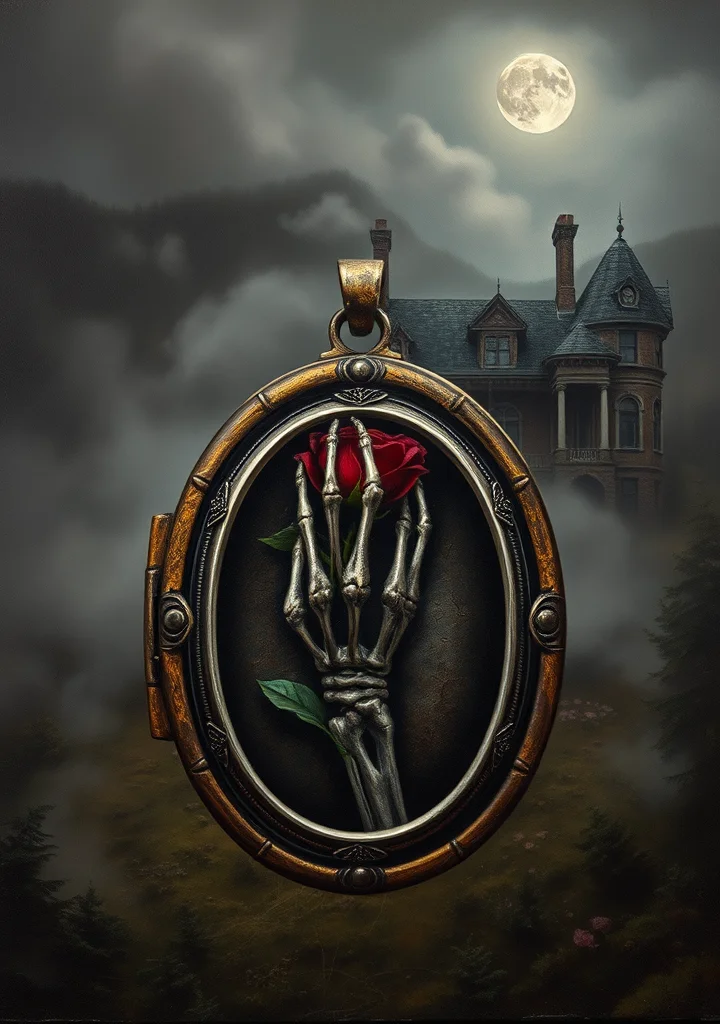
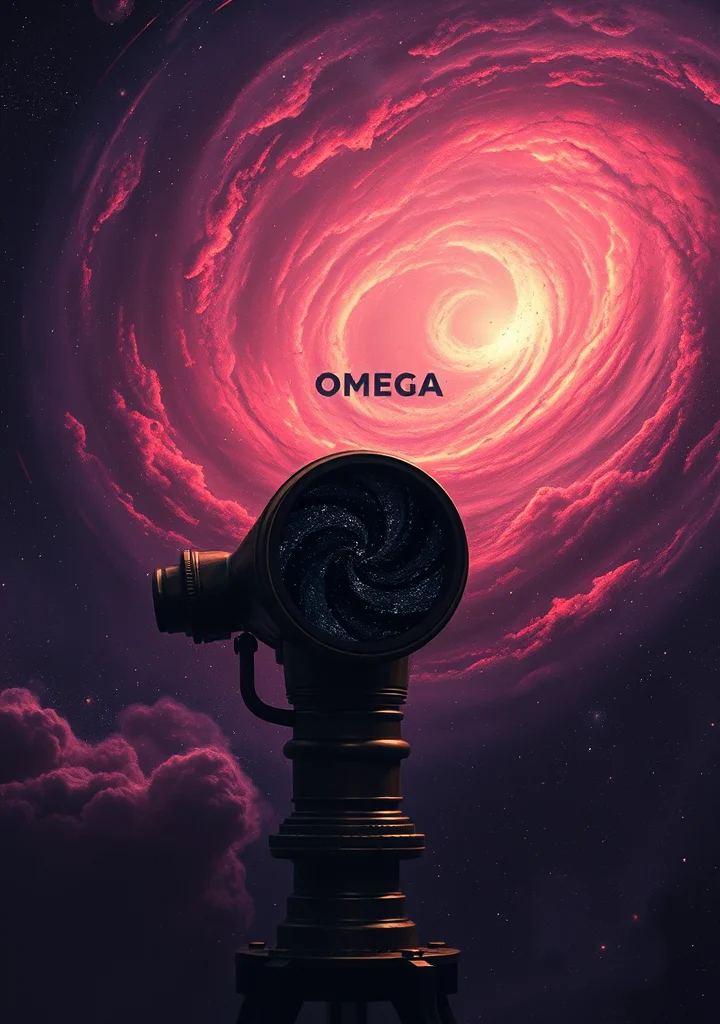
Dust motes dance in the perpetual twilight of the observatory, mirroring the spiraling descent into madness that consumes Dr. Elias Thorne. Flammarion’s *Omega* isn’t merely a tale of scientific obsession, but a slow erosion of sanity witnessed through the lens of a dying star. Thorne, charting the final collapse of a celestial body, finds his own reality fracturing—the boundaries between observation and hallucination, the known universe and the abyss, blurring with each passing night. The estate itself, a gothic monolith clinging to a windswept promontory, breathes with the same decaying rhythm as Thorne’s mind. Shadows lengthen, not from the setting sun, but from the encroaching void within. His journals, filled with frantic sketches and increasingly illegible equations, bleed into feverish pronouncements about a cosmic convergence—a point of ultimate dissolution where all things, including the self, return to the primal darkness. The air chills with the scent of ozone and decay, thick with the weight of unseen presences drawn to the observatory’s singular focus. A creeping dread seeps from the stone walls, mirroring the encroaching entropy of Thorne’s soul as he descends, not into the mysteries of the cosmos, but into the suffocating silence at its heart. The final pages, scrawled in a trembling hand, speak of a ritual—a desperate attempt to commune with the collapsing star, to *become* Omega, to embrace the oblivion that awaits all creation. It’s a descent not into hell, but into the echoing emptiness *beyond* it.
Copyright: Public Domain
This license allows anyone to use your story for any purpose, including printing, selling, or adapting it into a film freely.
This license allows anyone to use your story for any purpose, including printing, selling, or adapting it into a film freely.
Recommended for you