
-
Read 262
-
0
-
Part 12
Completed, First published Mar 02, 2026
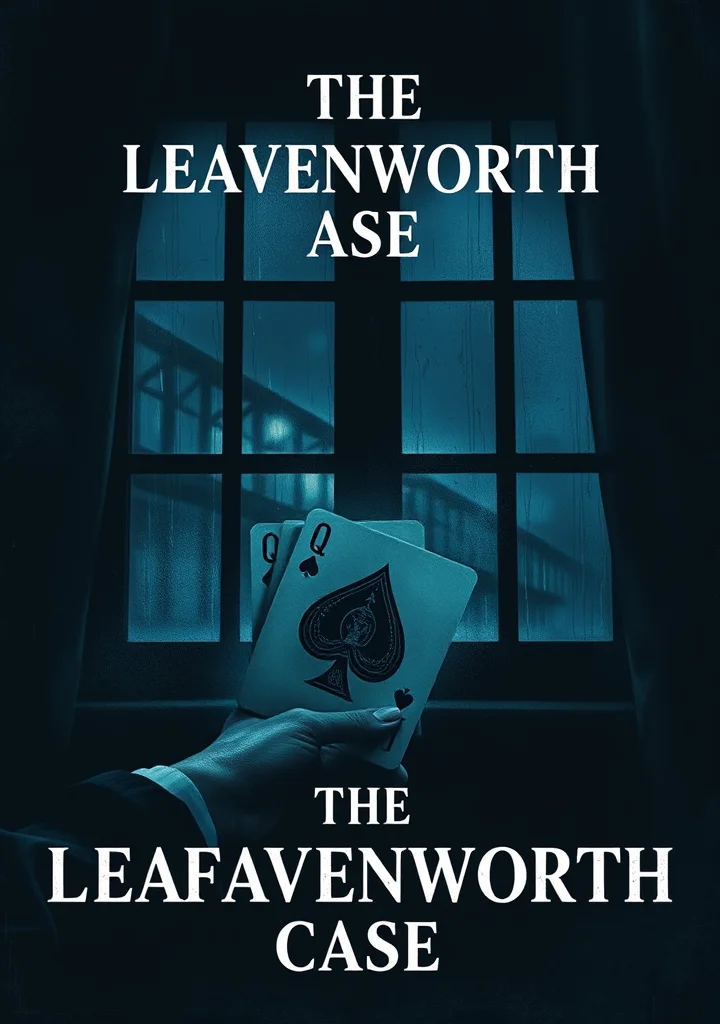
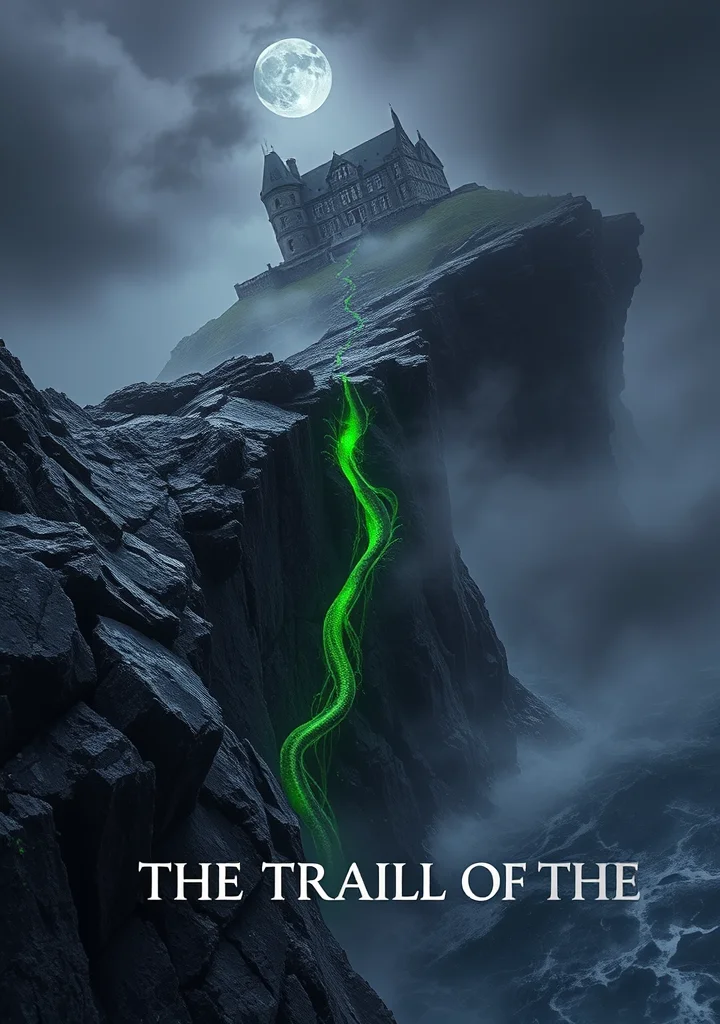
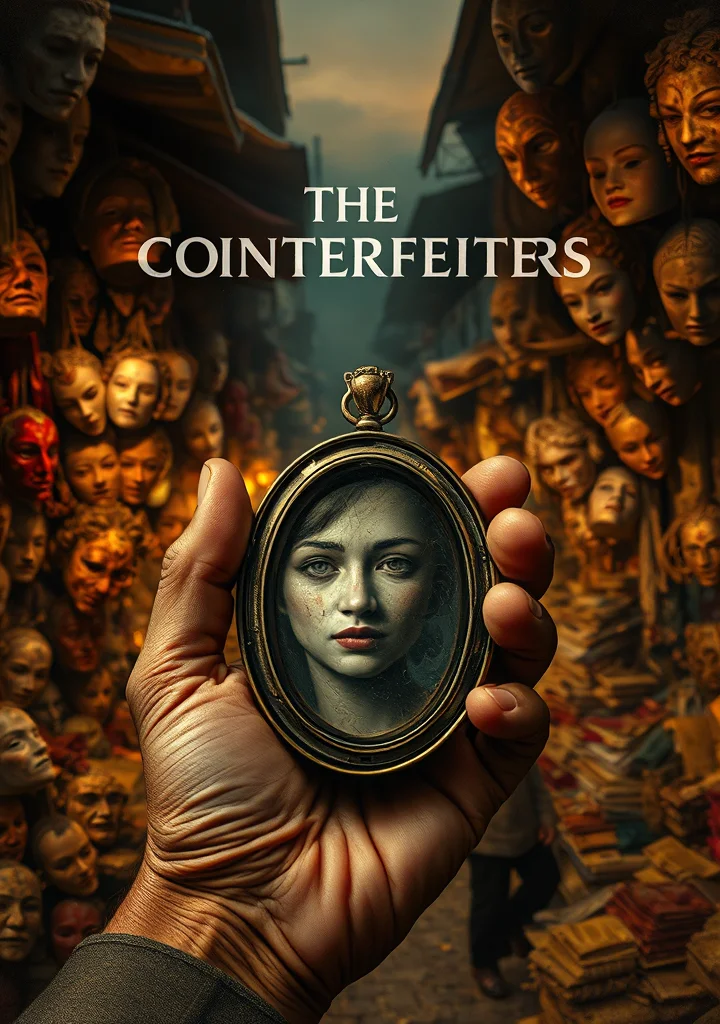
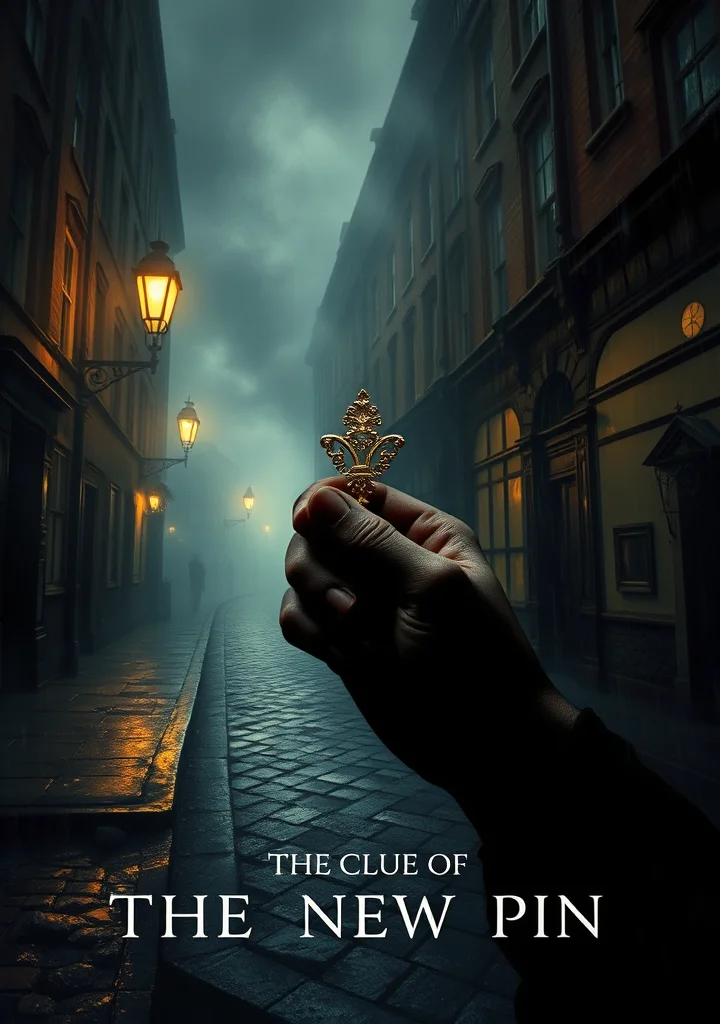
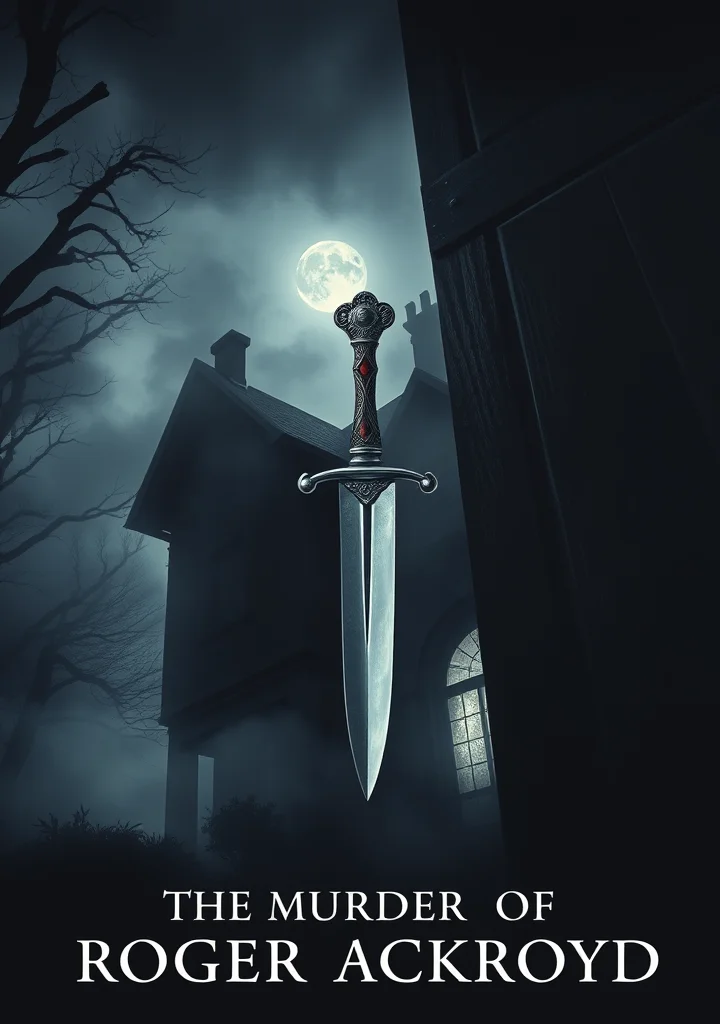
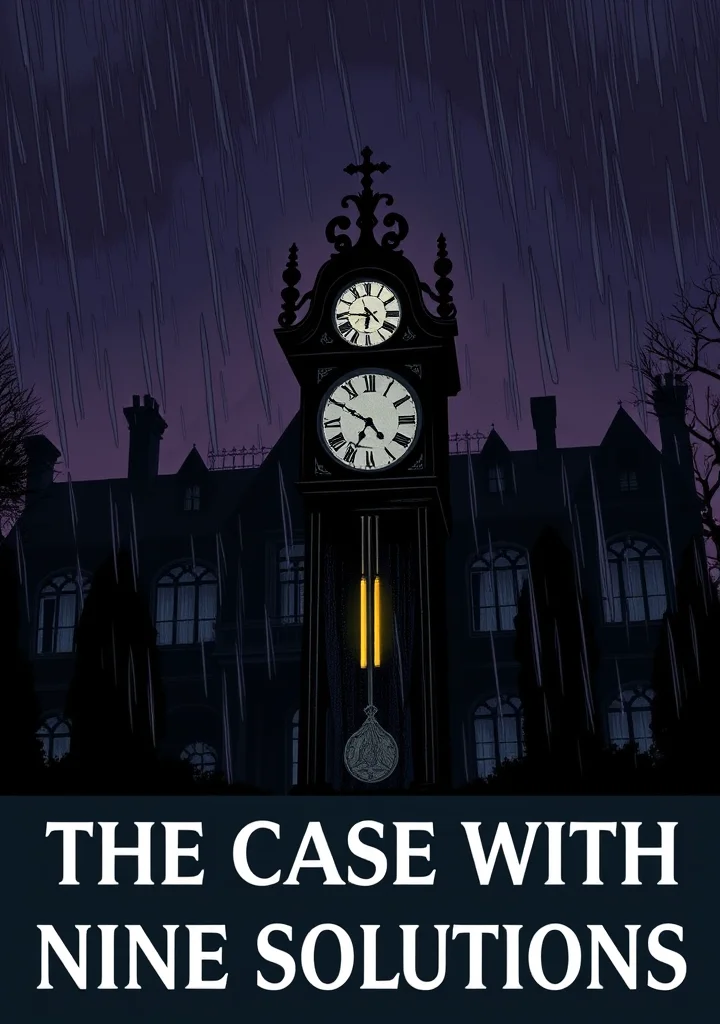
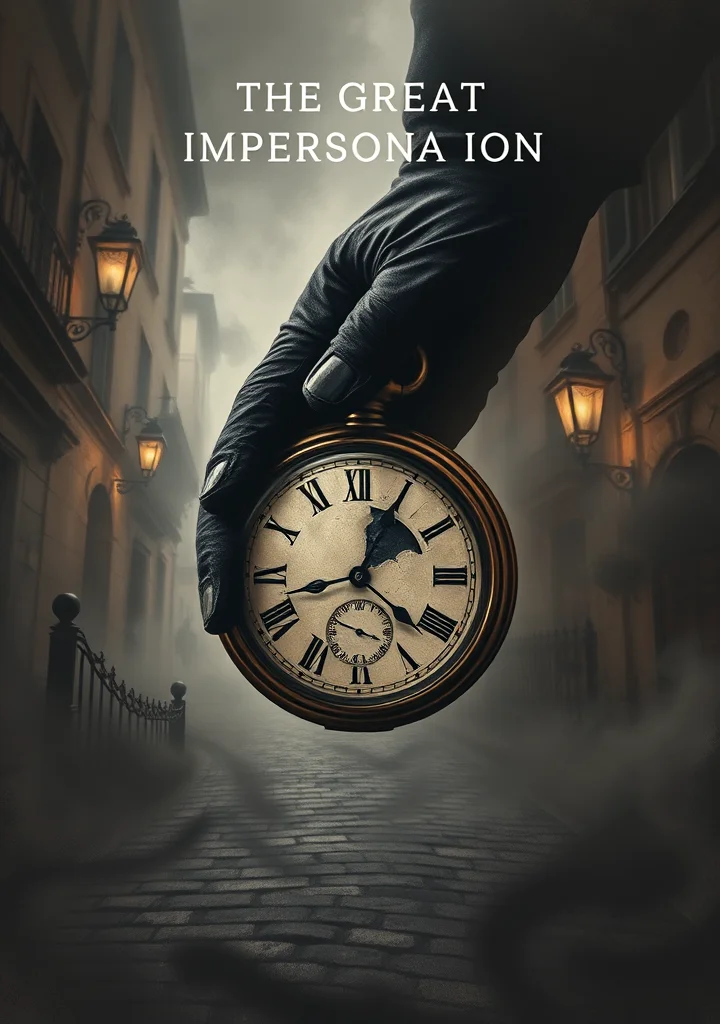
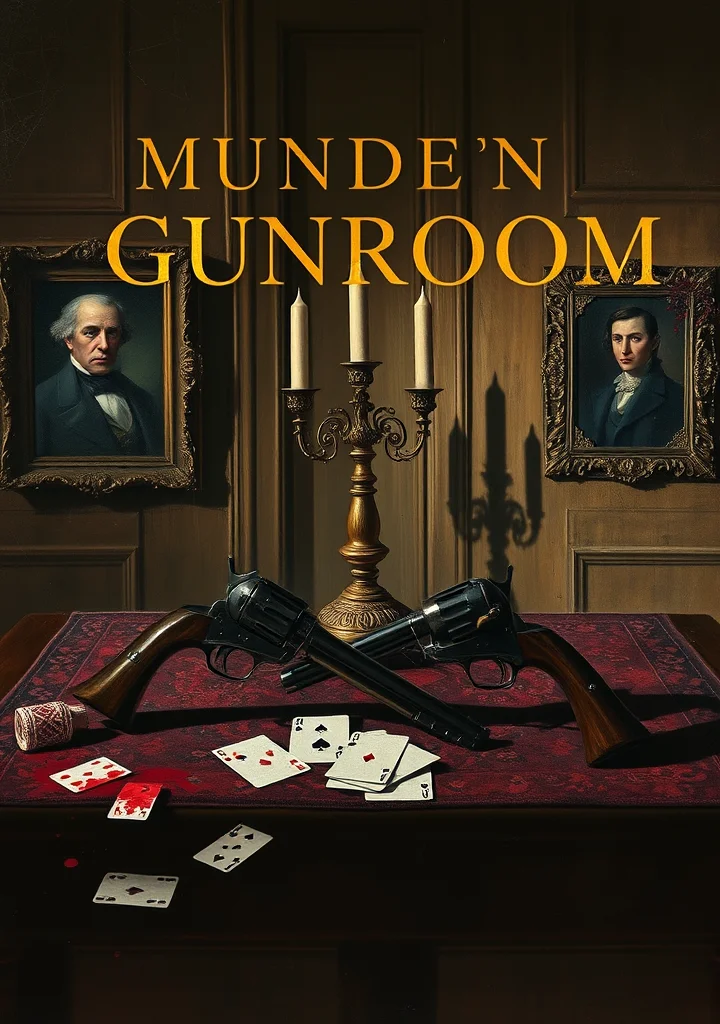
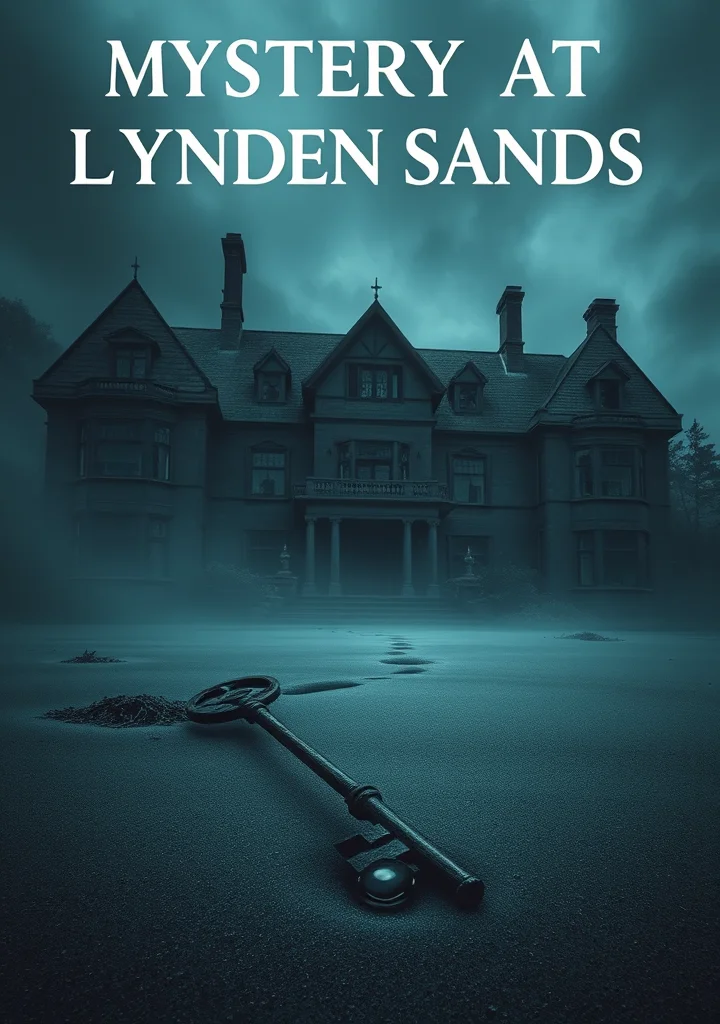
A creeping dread clings to the shadowed drawing rooms and fog-choked London streets. Though bearing the famed detective’s name, this is not merely a puzzle to unravel, but a descent into the stifling secrets of respectable society. Each case presented here feels less a crime solved and more a rot revealed – a peeling of varnish to expose the worm-eaten core of human ambition. The scent of stale perfume and regret hangs heavy, mirroring the suffocating silences between polite accusations. A fragile elegance masks a predatory hunger; every locked room a tomb holding not just evidence, but the ghosts of shattered reputations. The reader doesn’t observe Poirot’s deductions, but *feels* the chill of complicity, the weight of unspoken histories pressing in with each carefully worded interrogation. It’s a world where the darkness isn’t found in grand schemes, but in the small, suffocating betrayals that bloom in the heart of a gilded cage. The investigations themselves become a slow, meticulous unearthing of something profoundly, and terribly, human.
Copyright: Public Domain
This license allows anyone to use your story for any purpose, including printing, selling, or adapting it into a film freely.
This license allows anyone to use your story for any purpose, including printing, selling, or adapting it into a film freely.
Chapter List
-
« Poirot Investigates »📖 Continue Reading
-
« The Adventure of the Western Star »
-
« The Tragedy at Marsdon Manor »
-
« The Adventure of the Cheap Flat »
-
« The Mystery of Hunter’s Lodge »
-
« The Million Dollar Bond Robbery »
-
« The Adventure of the Egyptian Tomb »
-
« The Jewel Robbery at the Grand Metropolitan »
-
« The Kidnapped Prime Minister »
-
« The Disappearance ofMr.Davenheim »
-
« The Adventure of the Italian Nobleman »
-
« The Case of the Missing Will »
12
-
« Poirot Investigates »
-
« The Adventure of the Western Star »
-
« The Tragedy at Marsdon Manor »
-
« The Adventure of the Cheap Flat »
-
« The Mystery of Hunter’s Lodge »
-
« The Million Dollar Bond Robbery »
-
« The Adventure of the Egyptian Tomb »
-
« The Jewel Robbery at the Grand Metropolitan »
-
« The Kidnapped Prime Minister »
-
« The Disappearance ofMr.Davenheim »
-
« The Adventure of the Italian Nobleman »
-
« The Case of the Missing Will »
More like this