
The Pit
  • 135
  • 0
  • 16
  • Reads 135
  • 0
  • Part 16
Completed, First published Mar 02, 2026

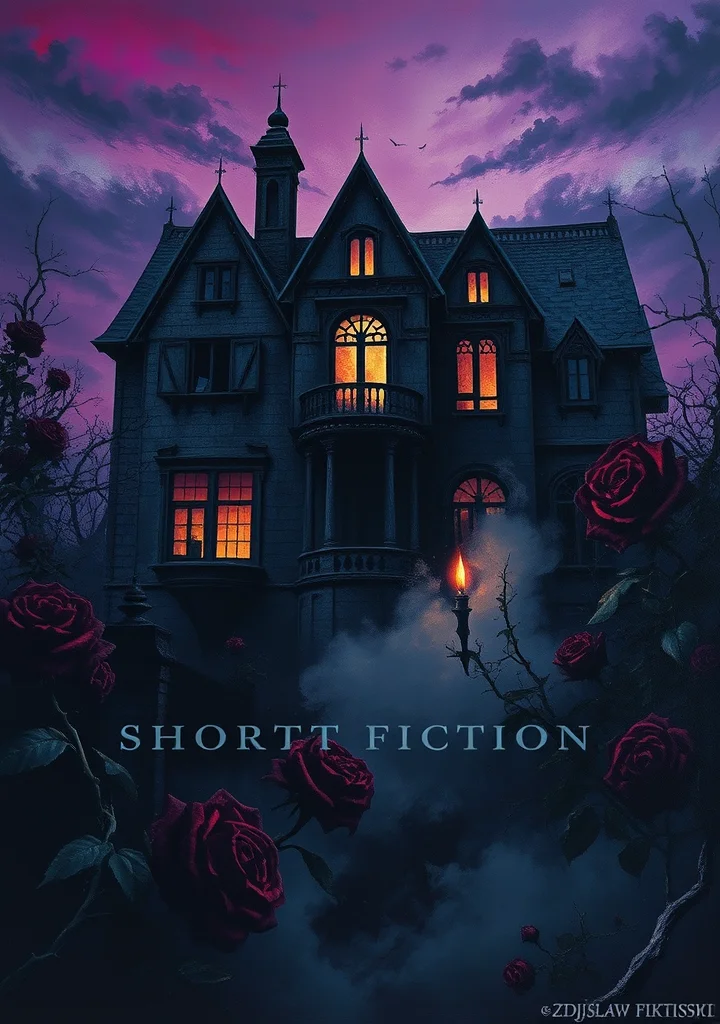
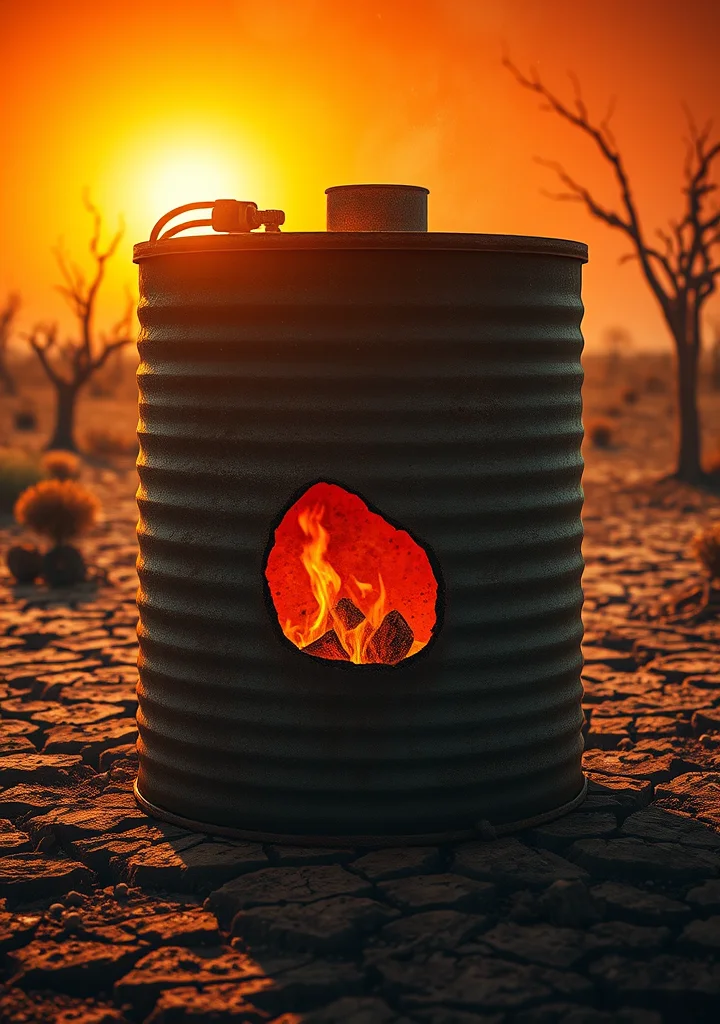
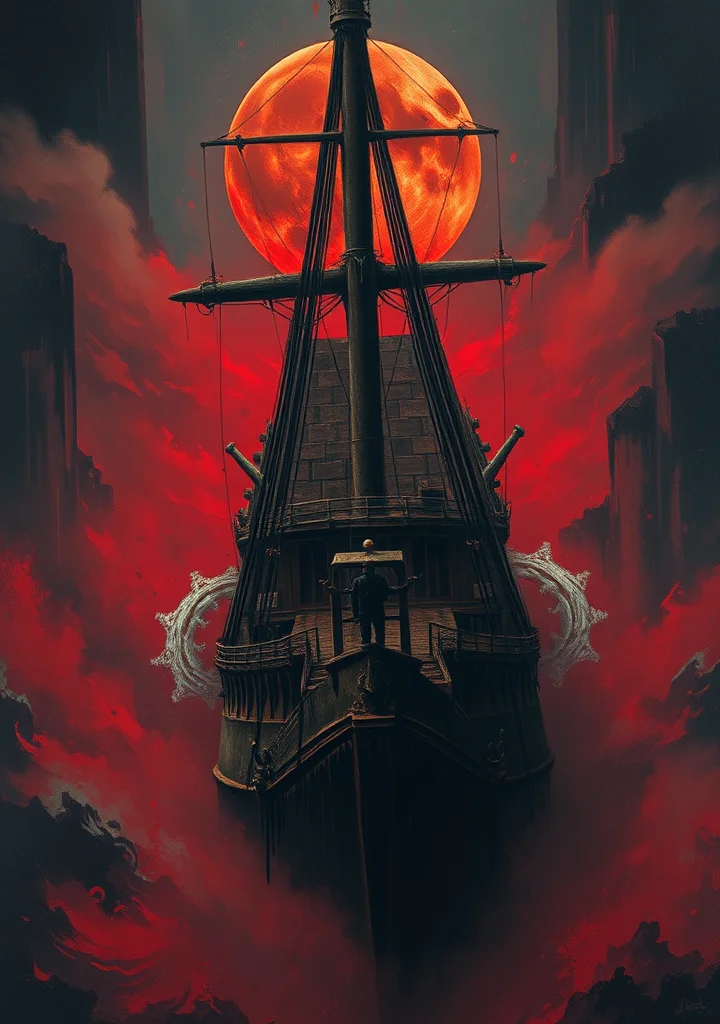
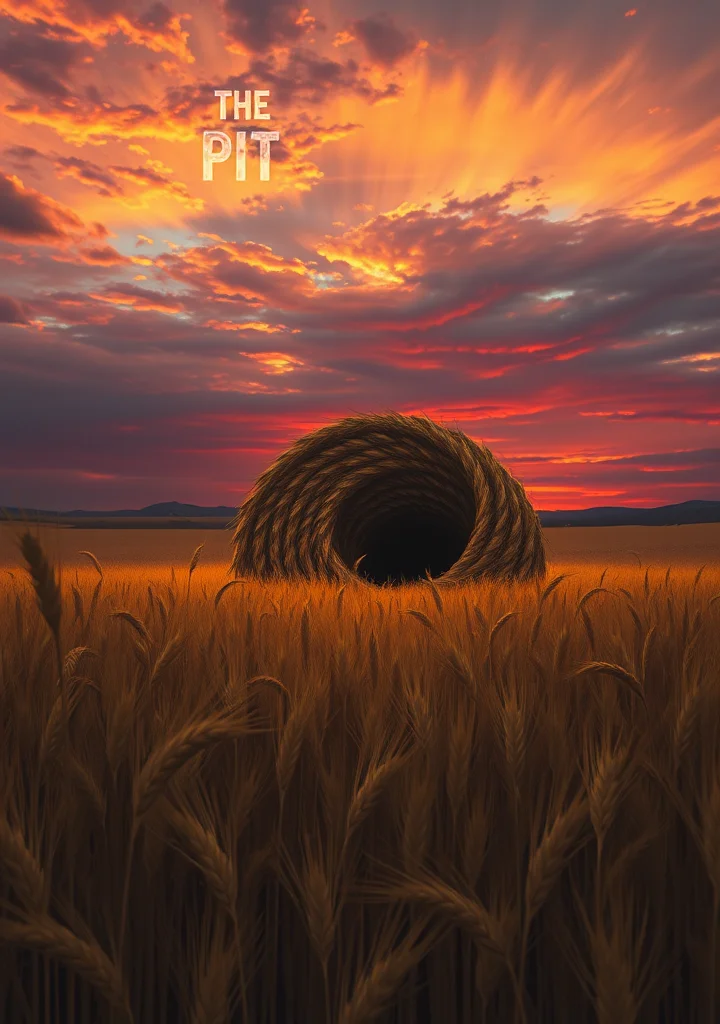
A suffocating dread clings to the wheatfields of California, a darkness born not of shadow but of avarice. The air hangs thick with the scent of ripening grain and the unspoken desperation of men driven to gamble their fortunes on a single, unseen hold. It is a story of hunger – not for bread, but for more, for the insatiable expansion of wealth that consumes all morality. The pit itself is not merely a market, but a vortex, pulling honest farmers toward ruin and twisting them into creatures of speculation. The narrative descends into a claustrophobic nightmare of escalating bets, fueled by whispers of manipulated prices and the feverish dreams of overnight riches. Dust devils dance with the specters of broken men, their faces gaunt with the same hollow hunger as the land itself. A creeping sense of inevitability pervades the prose, mirroring the relentless march toward a single, catastrophic moment. The author’s eye doesn’t flinch from the rot beneath the gilded surface, revealing a world where humanity is reduced to a calculation, and the only sound louder than the rattling wheat is the gnawing despair of those left with nothing but the void where their future once stood. The silence after the fall is the truest horror, a barren expanse mirroring the pit’s ultimate, echoing emptiness.
Copyright: Public Domain
This license allows anyone to use your story for any purpose, including printing, selling, or adapting it into a film freely.
Recommended for you
53 Part
A creeping dread clings to the marshes of northern England, a suffocating fog mirroring the insidious presence that stalks the lives of Arthur Grimstone and his neighbors. It begins with whispers—a monstrous shape glimpsed in the peat bogs, livestock mutilated with unnatural precision, a chillingly human intelligence behind acts of escalating violence. The village of Stilton, already steeped in the melancholy of isolation, is slowly consumed by a terror born of the mire, a thing both animalistic and eerily, deliberately *aware*. Grimstone, a man haunted by his own rigid morality and the suffocating weight of Victorian expectation, finds himself drawn into a desperate pursuit of this creature—a pursuit that unravels not just the boundaries of his sanity, but the very foundations of his world. The Beetle is not merely a beast; it is a distortion, a parasite of the soul, weaving itself into the fabric of their lives, mirroring their darkest desires and festering resentments. Each encounter leaves a residue of cold, damp fear, the scent of decay clinging to the air long after the creature vanishes. The narrative descends into a labyrinth of shadowed alleys, decaying workhouses, and the claustrophobic interiors of Victorian homes—a suffocating world where the line between hunter and hunted blurs, and the monstrous Beetle becomes a terrifying reflection of the darkness within us all. The creeping dread isn't merely *of* the creature, but of the creeping rot *within* the very heart of the village, and within Grimstone himself.
30 Part
A creeping dread settles over the fog-choked streets of London, a chill deeper than winter’s bite. Not from specters or ghouls, but from something far more insidious – a man unseen, unraveling the very fabric of reality with his absence. The narrative coils tight as a noose around the throat of normalcy, beginning with whispers of strange thefts, disrupted lodging houses, and a growing, inexplicable panic. Wells paints not a monster of claws and fangs, but a suffocating terror born of vanished form, of bandages swathing emptiness, of scientific hubris fracturing the boundaries of human perception. The air itself feels thick with paranoia as the story descends into a desperate scramble for containment, a hunt for a phantom who leaves only footprints in the snow and terror in the eyes of those who glimpse his unraveling. Each chapter bleeds into a mounting hysteria, mirroring the Invisible Man’s escalating desperation, his descent into brutal, desperate acts fueled by both scientific ambition and the crushing weight of his own invisibility. The story isn’t about *what* he does, but *how* his unseen presence poisons the very foundations of trust and order. A creeping sense of isolation permeates every shadowed corner, every locked room. The world shrinks to the perspective of those who can only guess at the shape of their fear, until even the most solid objects seem to warp and betray. The narrative becomes a labyrinth of shattered glass, broken windows, and the suffocating weight of a secret too terrible to bear, a descent into a nightmare where the only certainty is the absence of something… and the growing certainty that it’s watching *you*.