
-
Read 525
-
0
-
Part 10
Completed, First published Mar 02, 2026
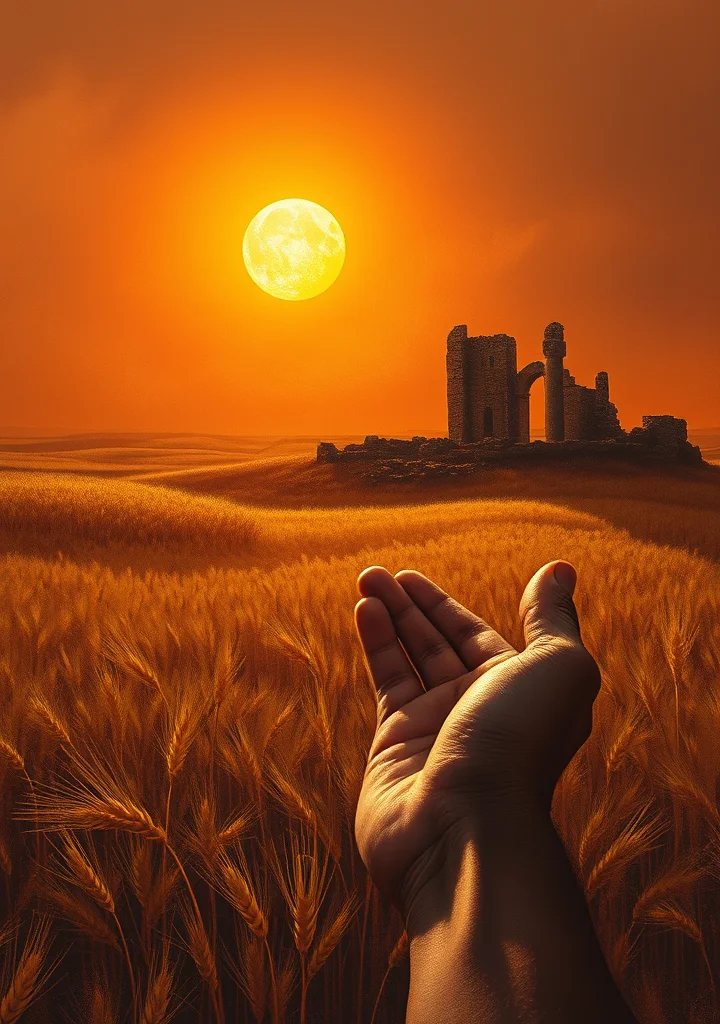
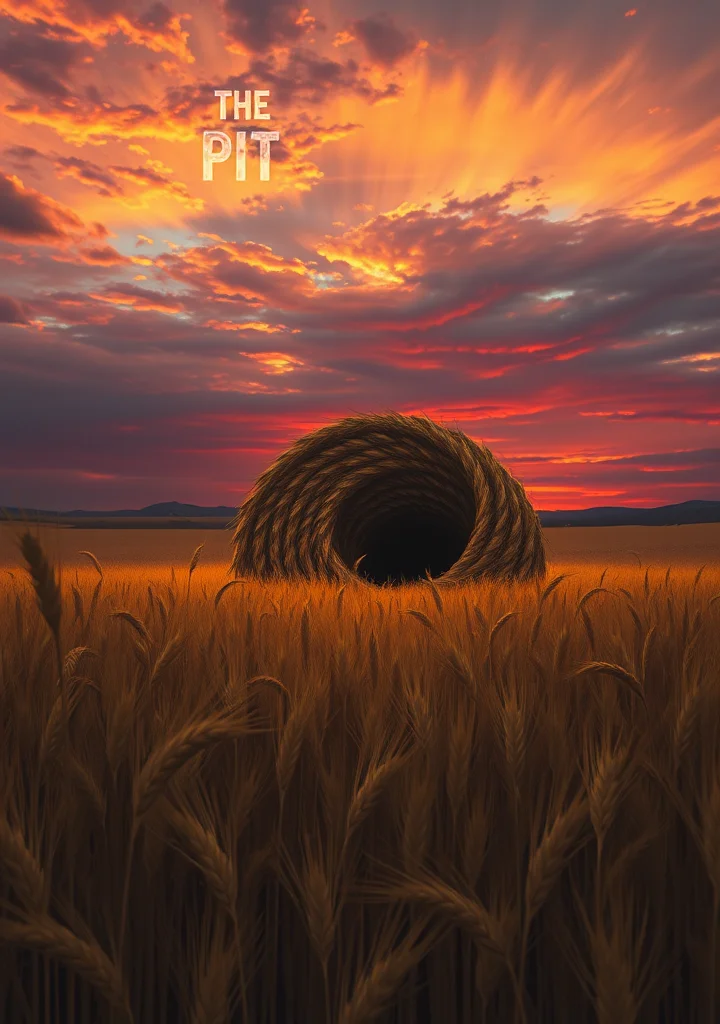
A suffocating dread clings to the wheatfields of California, a darkness born not of shadow but of avarice. The air hangs thick with the scent of ripening grain and the unspoken desperation of men driven to gamble their fortunes on a single, unseen hold. It is a story of hunger – not for bread, but for more, for the insatiable expansion of wealth that consumes all morality. The pit itself is not merely a market, but a vortex, pulling honest farmers toward ruin and twisting them into creatures of speculation.
The narrative descends into a claustrophobic nightmare of escalating bets, fueled by whispers of manipulated prices and the feverish dreams of overnight riches. Dust devils dance with the specters of broken men, their faces gaunt with the same hollow hunger as the land itself. A creeping sense of inevitability pervades the prose, mirroring the relentless march toward a single, catastrophic moment. The author’s eye doesn’t flinch from the rot beneath the gilded surface, revealing a world where humanity is reduced to a calculation, and the only sound louder than the rattling wheat is the gnawing despair of those left with nothing but the void where their future once stood. The silence after the fall is the truest horror, a barren expanse mirroring the pit’s ultimate, echoing emptiness.
Copyright: Public Domain
This license allows anyone to use your story for any purpose, including printing, selling, or adapting it into a film freely.
This license allows anyone to use your story for any purpose, including printing, selling, or adapting it into a film freely.
Recommended for you