
A Little Princess
  • 160
  • 0
  • 22
  • Reads 160
  • 0
  • Part 22
Completed, First published Mar 02, 2026

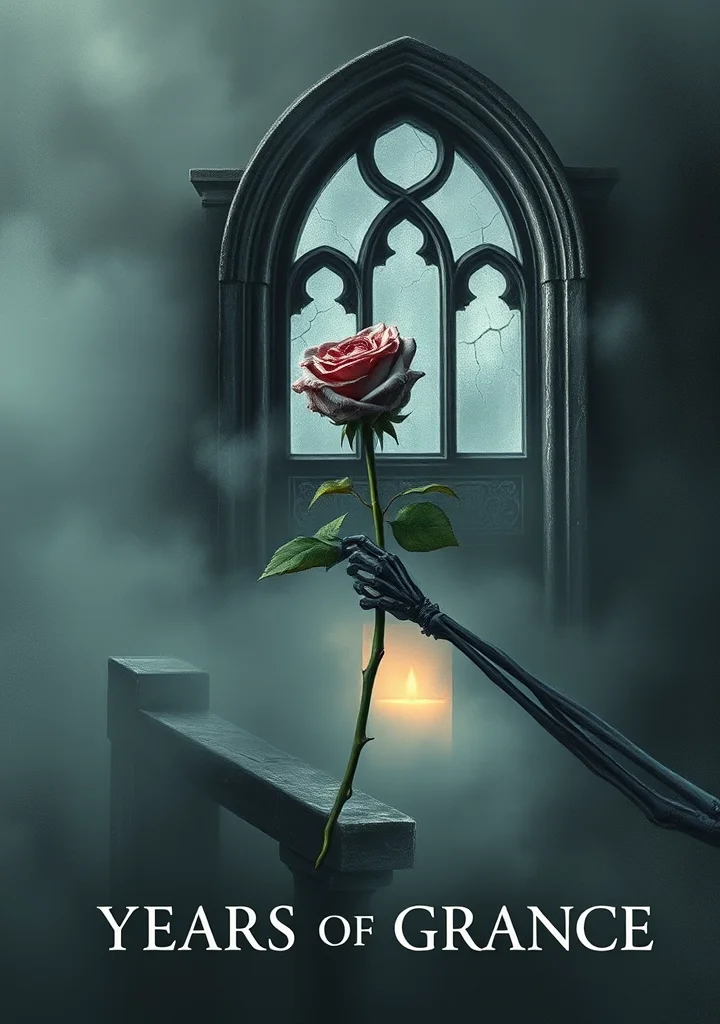
Dust motes dance in perpetual twilight within the shadowed halls of Misselton House, a boarding school steeped in the chill of London fog and the whispers of forgotten childhoods. Young Sara Crewe arrives, gilded in privilege, yet swiftly descends into a labyrinth of grey routine and stifled grief. Her father’s disappearance casts a pall over her days, mirroring the encroaching damp that clings to the stone walls and seeps into the very marrow of her bones. The narrative isn’t one of grand horrors, but of a slow, creeping despair, a brittle beauty blooming within a landscape of neglect. The grandeur of Sara’s past becomes a phantom limb, haunting her every waking moment. Each stolen moment of imagination, each ragged scrap of kindness offered in the attic, is lit by a flickering candle against the encroaching darkness. The air thickens with the scent of coal smoke and the stifled cries of lonely children, their stories swallowed by the vast, indifferent house. It’s a story not of monsters under the bed, but of the monstrous indifference of the world, and the fragile, tenacious flame of hope flickering against the wind. The very silence of the house feels alive with unspoken sorrows, and the gardens, glimpsed through frost-rimed windows, feel less like escape than extensions of a creeping, melancholic embrace. Even the smallest acts of cruelty feel like shards of glass in a winter wind, leaving Sara bleeding not with wounds, but with a chilling awareness of her own vulnerability. The world narrows to the dimensions of a forgotten room, and the narrative breathes with the same slow, suffocating rhythm as a heart breaking in the shadows.
Copyright: Public Domain
This license allows anyone to use your story for any purpose, including printing, selling, or adapting it into a film freely.
Recommended for you
129 Part
Dust motes dance in the fractured light of a crumbling tower, mirroring the fragments of a life shattered by exile and betrayal. Within these stone walls, a man—once a pillar of power, now stripped bare—grapples not with chains or bars, but with a grief that threatens to swallow him whole. He is haunted by the swift, cruel fall from grace, the whispers of accusations echoing in the hollows of his despair. But solace, or a twisted mockery of it, comes in the form of a spectral presence—Philosophy herself, a woman woven from starlight and sorrow, her voice a chilling balm against the wounds of the world. She leads him through labyrinthine corridors of thought, where reason battles with the phantom pain of loss. The air is thick with the scent of decay, both of the body politic and the soul. Visions of fortune’s wheel—a cruel, spinning device—loom large, showcasing the ephemeral nature of earthly power. Each argument, each carefully constructed verse, feels less like a comforting embrace and more like the cold touch of inevitability. The narrative is steeped in the grey of twilight, a perpetual autumn where every leaf falling is a reminder of what is lost. It is a meditation on the nature of good and evil, not as grand battles, but as insidious erosion, a slow poisoning of the spirit. The reader is drawn into a claustrophobic space where the only escape is through the labyrinth of the mind, where the architecture of despair is both beautiful and terrifying. Ultimately, the question lingers: is this consolation a true refuge, or merely a gilded cage built around a broken heart?
81 Part
Dust motes dance in the shadowed halls of memory, each recollection a chipped fragment of granite pulled from the bedrock of a life forged in iron. Though ostensibly a chronicle of command and strategy, Grant’s memoir bleeds with the chill of ambition’s long winters. It is not the roar of battle that lingers most keenly, but the hushed silences between orders, the spectral weight of responsibility pressing down upon a man who navigated not glory, but the grey expanse of consequence. The prose itself is a slow, deliberate march through the fog of recollection, each sentence a measured step toward a darkness masked as pragmatism. A relentless current of self-assessment, it leaves one shivering not from cold, but from the awareness of how easily a man can be hollowed out by the very wars he wages. The victories feel less like triumphs and more like the echoing emptiness within a fortress built upon the bones of the fallen. There is a peculiar, unnerving detachment – a dispassionate inventory of ruin that hints at a man already halfway to the grave, cataloging his life as if it were merely another terrain to be mapped and conquered. The very act of remembering feels like a haunting, a spectral revisiting of the fields stained crimson with the harvest of his deeds. The weight of the Union, the weight of failure, the weight of a man who, even in his self-reckoning, cannot quite escape the shadow of his own making. It is a memoir written not from triumph, but from the precipice of oblivion, and the echo of its pages is a long, cold draught from a forgotten tomb.


92 Part
The shadows of the Revolution linger, not in barricades of stone and blood, but in the haunted chambers of a fractured aristocracy. Twenty years have passed, yet the ghosts of ’89 walk alongside those who claim to have buried them. Paris breathes a false peace, gilded with ambition and rotting beneath with the festering wounds of unresolved vengeance. This is not a tale of simple retribution, but of a darkness blossoming in the hearts of those who believed themselves victorious. The air hangs thick with regret, laced with the scent of jasmine and decay. Dust motes dance in sunbeams that fail to penetrate the perpetual twilight of decaying estates. Each stolen glance, each whispered conspiracy, is rendered in shades of grey, blurring the lines between loyalty and betrayal. A creeping dread clings to the ornate wallpaper and the cracked marble floors—a sense of being watched by the specters of a history refusing to be silenced. The novel unfolds like a slow poison, each chapter revealing a rot beneath the polished veneer of respectability. It is a world where the weight of inherited sins crushes the living, and the pursuit of justice is less a noble cause than a descent into a labyrinth of shadowed motives. Every encounter is a performance, every alliance forged in a desperate need to survive. The city itself is a character—a beautiful corpse, adorned with the jewels of a vanished age, yet riddled with the maggots of discontent. It is a story where the past doesn’t merely haunt, but *becomes* the present, a suffocating embrace of what was lost, and what will inevitably be claimed once more.
28 Part
Salt-laced winds whisper through rigging stiff with brine, carrying tales not of glory, but of rot and ruin clinging to the splintered decks of forgotten vessels. This is not a chronicle of swashbuckling adventure, but a descent into the shadowed heart of the pirate world – a world where ambition is measured in the weight of gold and the slow drip of blood on stained canvas. Johnson’s history doesn’t celebrate, it *exposes*. Each captain is a phantom haunting the Caribbean, driven by avarice and shadowed by the ghosts of their victims. The pages reek of gunpowder and decay, filled with accounts of mutiny blossoming in the humid dark of ship holds, of marooned men gnawing on desperation, and the cold calculus of survival amongst men who’ve traded their souls for a share of plunder. It’s a history built on the fractured confessions of those who lived beyond the law, their voices echoing from the gallows and the fever-soaked jungles. But more than just recounting deeds, Johnson unveils the architecture of a pirate’s mind – the brutal pragmatism, the simmering paranoia, the terrifying ease with which they embraced violence as a currency. The sea itself becomes a character, a vast, indifferent judge presiding over a kingdom built on treachery and sustained by the desperate cries of men swallowed by the black maw of the ocean. It’s a history less of pirates *doing*, and more of them *becoming* – monstrous reflections in the storm-wracked mirror of a lawless age. A darkness clings to every name, every port, every captured vessel – a darkness that lingers long after the last cannon shot fades into the salt spray.