
Hunger
  • 40
  • 0
  • 7
  • Reads 40
  • 0
  • Part 7
Completed, First published Mar 02, 2026

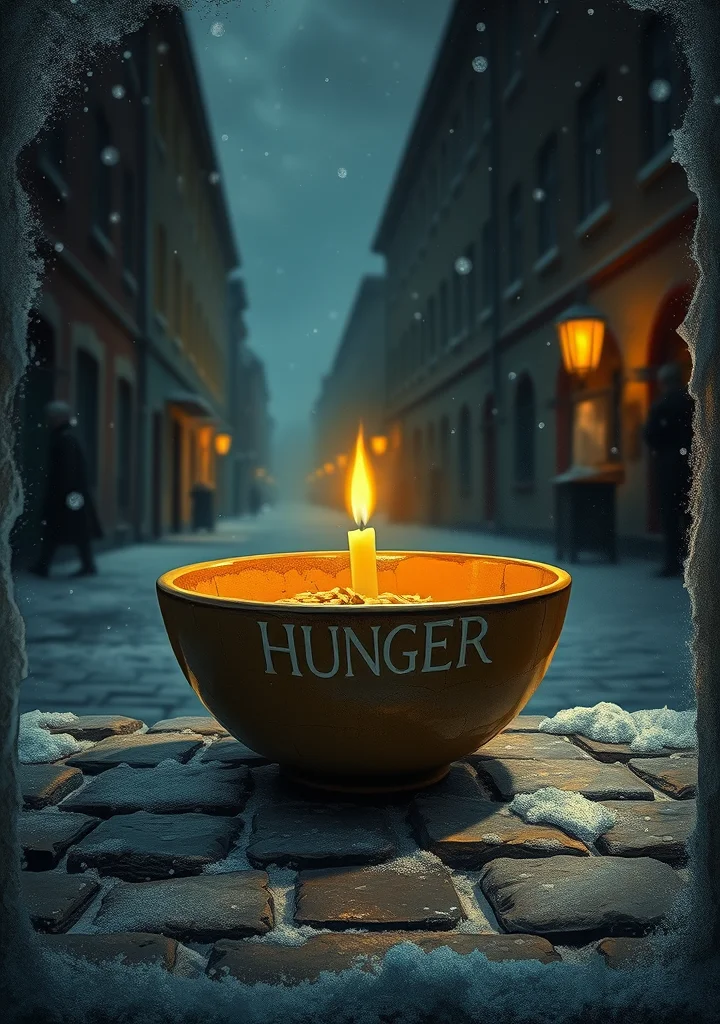
A creeping dread clings to the snow-dusted streets of late nineteenth-century Kristiania. Not a tale of monsters or specters, but of a starvation so profound it births its own phantom horrors within a struggling, ambitious young writer. The narrative coils tight around the relentless gnawing—not merely for food, but for recognition, for a foothold in a world that seems determined to grind its supplicants into dust. Each stolen crust, each desperate bargain, is rendered with a chilling intimacy, blurring the line between necessity and obsession. The city itself becomes a labyrinth of shadowed alleys and hushed, judgemental gazes, mirroring the fracturing sanity of the protagonist. A feverish, claustrophobic descent into a hollowed-out existence where the hunger consumes not just the body, but the very will to remain human. The air is thick with the scent of decay, both literal and moral, as the narrative spirals towards a precipice of ruin, fueled by pride and the agonizing, ever-present ache of emptiness. It’s a study in how easily brilliance can be devoured by the very desperation it seeks to overcome, leaving only a brittle shell haunted by the ghosts of ambition and the hollow echo of a perpetually unsatisfied craving.
Copyright: Public Domain
This license allows anyone to use your story for any purpose, including printing, selling, or adapting it into a film freely.
Recommended for you
42 Part
A creeping dread clings to the Irish coast, thick as the bog mire that swallows men whole. Stephens weaves a tale not of heaven or hell, but of the liminal spaces between, where the remnants of ancient, pagan deities bleed into the fractured lives of mortals. The narrative unfolds within a suffocating village steeped in superstition, where whispers of forgotten gods stir in the peat smoke and the sea’s cold breath carries the scent of something older than time. Each character is a fractured vessel—a priest haunted by visions, a woman possessed by a spectral sorrow, a boy touched by the cold hand of the otherworld. Their desires, their failures, their very breaths seem drawn from the decaying grandeur of a lost age. The world isn’t simply haunted; it *is* haunting—a slow rot of the soul mirroring the crumbling stone circles and the drowned chapels swallowed by the relentless tide. The prose itself feels like unearthed bone, brittle and cold, layered with the scent of brine and decay. Stephens doesn’t offer salvation, only a glimpse into the echoing emptiness where the gods once walked, leaving behind only echoes of their power and the lingering stain of their absence. It’s a world where the boundaries between reality and nightmare blur, where every shadow holds a watchful eye, and the very earth seems to breathe with a mournful, forgotten hunger. The air tastes of salt and regret, and the story unfolds like a slow, inexorable drowning in the grey light of a dying world.

25 Part
A creeping dread clings to the shadowed corners of Kay’s, a crumbling manor house where the scent of brine and decay mingle with the brittle laughter of forgotten things. Not the boisterous, sun-drenched world Wodehouse usually paints, but one submerged in perpetual twilight, where the sea gnaws at the foundations of sanity. The head, you see, is not a person, but a relic – a grotesque carving found wedged within the manor’s oldest tower, radiating a cold, insidious influence. The narrative unravels like seaweed on a corpse, choked with whispers of familial curses and the slow, suffocating weight of generations past. A young man, drawn to Kay’s by a dubious inheritance, finds himself trapped not by obligation, but by the house itself, its stone heart beating with a rhythm of madness. Fog rolls in with the tide, bringing with it fragmented memories, the ghosts of those who came before, and a chilling conviction that the head isn’t merely *found*, but *called* – summoned by a ritual of desperation, a pact made with something ancient and hungry in the depths. The rooms breathe with a suffocating stillness, each antique object a witness to a slow, unraveling horror. The air itself tastes of salt and regret. Even the sunlight, when it dares to pierce the gloom, feels tainted, reflecting off polished wood like the glint of teeth. A subtle rot pervades everything, a sense that the manor is not simply decaying, but actively *consuming* those who dare to linger within its walls, drawing them down into the suffocating darkness at the heart of Kay’s. The story is one of unraveling sanity, of a lineage haunted by its own desperate acts, and a growing, unbearable fear that the head isn't merely an object, but a gateway to something utterly, irrevocably lost.