
-
Read 642
-
0
-
Part 41
Completed, First published Mar 02, 2026
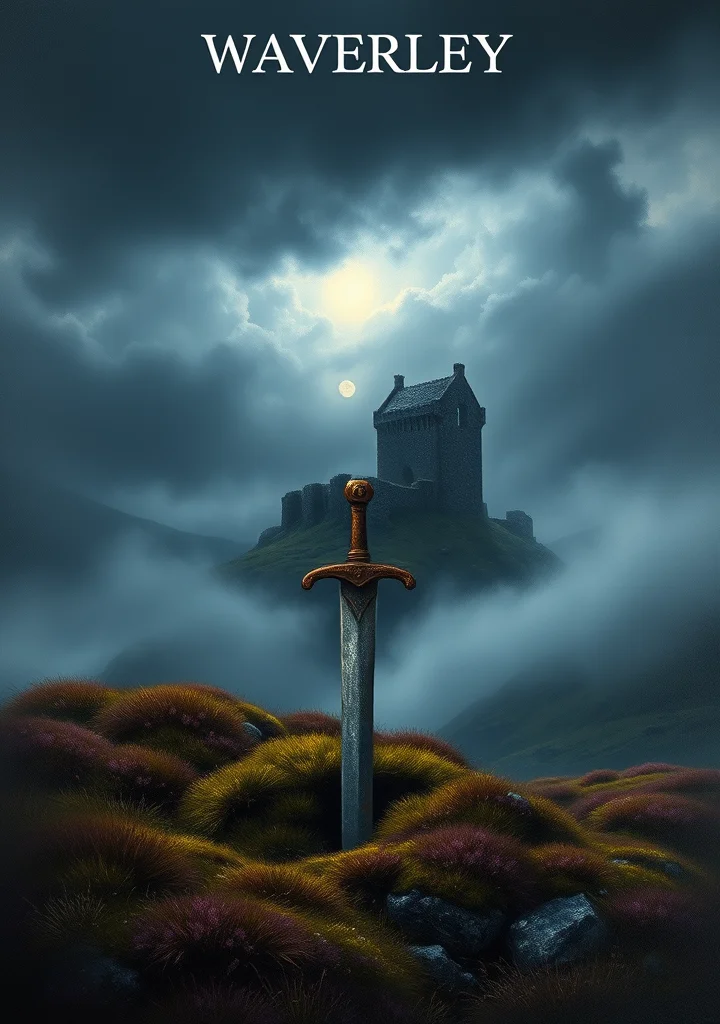
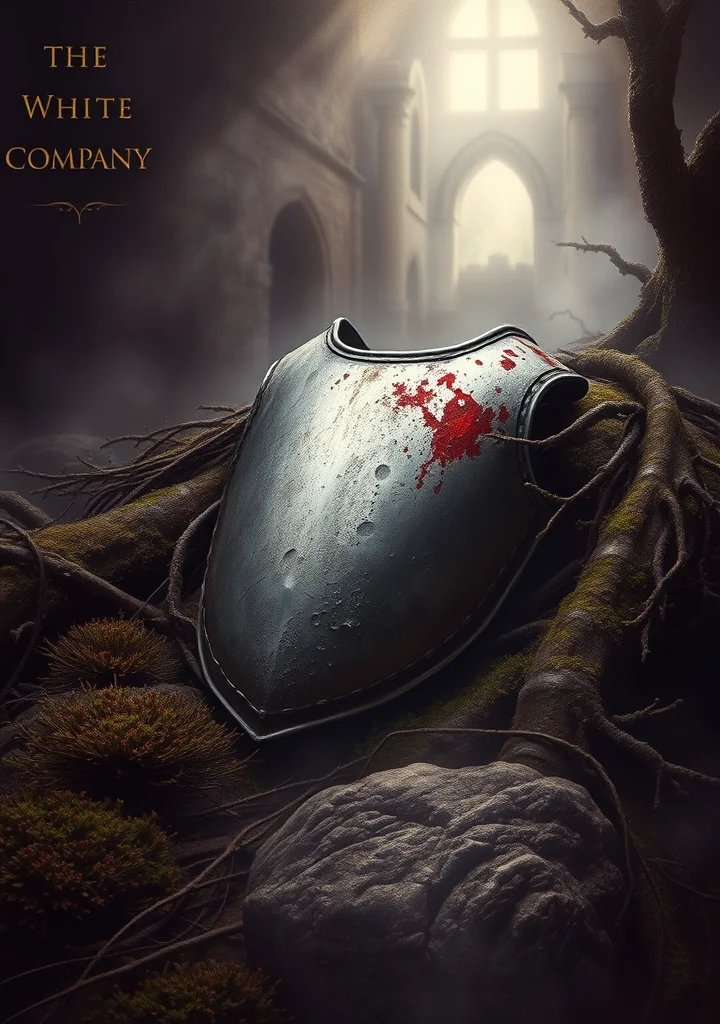
Dust motes dance in the perpetual twilight of the marches, clinging to the damp stone of crumbling abbeys and the rusted mail of forgotten soldiers. A chill, not of the season but of centuries, seeps from the shadowed forests where the remnants of old alliances fester. Here, where the borderlands bleed between England and Scotland, loyalty is a brittle thing, measured in the glint of steel and the cold weight of betrayal. The air tastes of peat smoke and damp earth, carrying whispers of ancient oaths and the hollow echoes of ambush. This is a land haunted by the ghosts of broken vows, where every stone holds a memory of a life lost to the raven’s shadow. A relentless fog clings to the moors, obscuring not only the paths between villages but the very lines between honour and savagery. The Company’s white surcoats, though symbols of their cause, are soon stained with the ochre of spilled blood, mirroring the slow decay of a kingdom clinging to its past. Each victory is purchased with a fragment of the soul, each shared meal shadowed by the knowledge of those who will never sup again. The very earth seems to sigh with the weight of its history, a history written in bone and the iron tang of fear. The promise of glory is a thin veneer over the rot of desperation, and the white company marches toward a reckoning where even salvation smells like ash.
Copyright: Public Domain
This license allows anyone to use your story for any purpose, including printing, selling, or adapting it into a film freely.
This license allows anyone to use your story for any purpose, including printing, selling, or adapting it into a film freely.
Chapter List
-
« The White Company »📖 Continue Reading
-
« Chapter_3 »
-
« The White Company »
-
« I »
-
« II »
-
« III »
-
« IV »
-
« V »
-
« VI »
-
« VII »
-
« VIII »
-
« IX »
-
« X »
-
« XI »
-
« XII »
-
« XIII »
-
« XIV »
-
« XV »
-
« XVI »
-
« XVII »
-
« XVIII »
-
« XIX »
-
« XX »
-
« XXI »
-
« XXII »
-
« XXIII »
-
« XXIV »
-
« XXV »
-
« XXVI »
-
« XXVII »
-
« XXVIII »
-
« XXIX »
-
« XXX »
-
« XXXI »
-
« XXXII »
-
« XXXIII »
-
« XXXIV »
-
« XXXV »
-
« XXXVI »
-
« XXXVII »
-
« XXXVIII »
41
-
« The White Company »
-
« Chapter_3 »
-
« The White Company »
-
« I »
-
« II »
-
« III »
-
« IV »
-
« V »
-
« VI »
-
« VII »
-
« VIII »
-
« IX »
-
« X »
-
« XI »
-
« XII »
-
« XIII »
-
« XIV »
-
« XV »
-
« XVI »
-
« XVII »
-
« XVIII »
-
« XIX »
-
« XX »
-
« XXI »
-
« XXII »
-
« XXIII »
-
« XXIV »
-
« XXV »
-
« XXVI »
-
« XXVII »
-
« XXVIII »
-
« XXIX »
-
« XXX »
-
« XXXI »
-
« XXXII »
-
« XXXIII »
-
« XXXIV »
-
« XXXV »
-
« XXXVI »
-
« XXXVII »
-
« XXXVIII »
More like this