
Orley Farm
  • 195
  • 0
  • 81
  • Reads 195
  • 0
  • Part 81
Completed, First published Mar 02, 2026

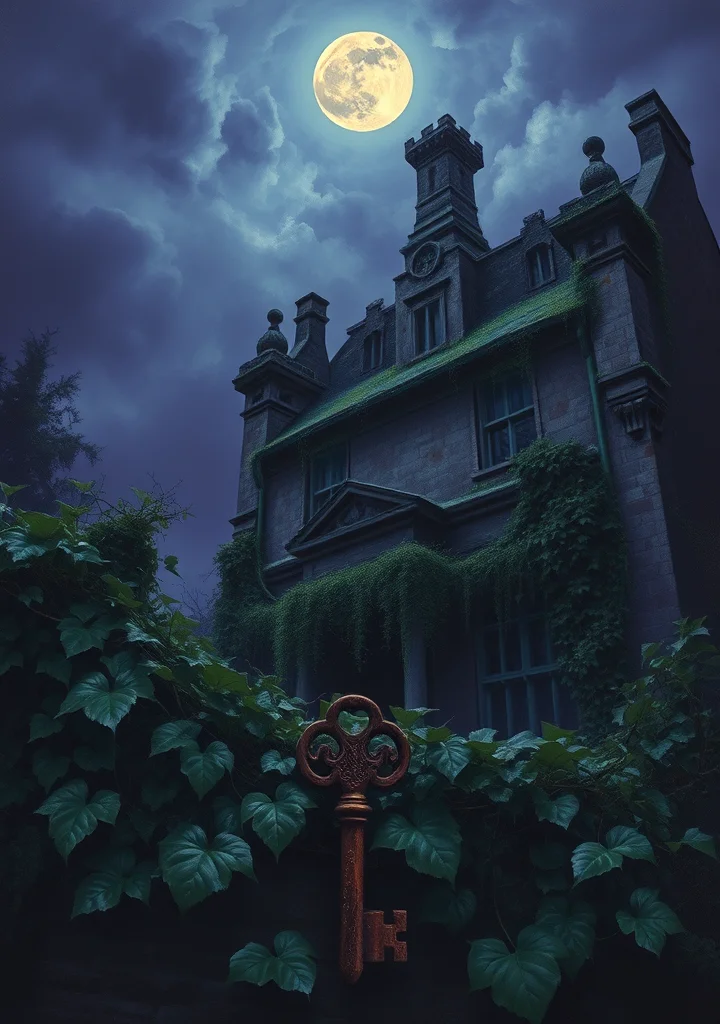
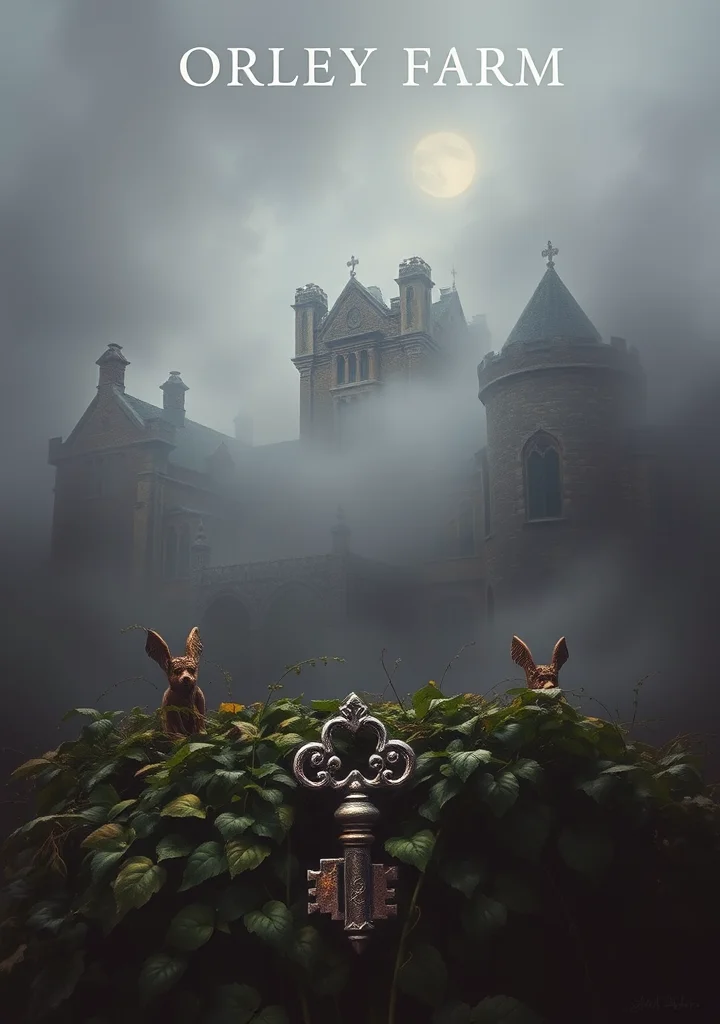
A creeping dread clings to the shadowed corners of Orley Farm, a place haunted less by specters than by the insidious decay of reputation. The manor itself, a stone-grey monolith against perpetual twilight, breathes with the stifled anxieties of those entangled in its fate. A web of legal shadows ensnares the lives of its inhabitants – whispers of contested inheritance, of a vanished fortune, and the brittle fragility of truth. The countryside, usually vibrant, is muted under a perpetual haze of suspicion, mirroring the moral ambiguity that permeates every drawing room and cobbled lane. Each character is etched in shades of melancholy, their smiles masking desperation, their silences concealing betrayals. A chilling stillness pervades, broken only by the rustling of unseen papers, the distant tolling of a bell, and the ever-present, suffocating weight of a past that refuses to remain buried. The farm itself becomes a prison of circumstance, where the very soil seems to absorb the secrets of those who claim it as their own, slowly poisoning them with quiet despair. It is a world where innocence is devoured by circumstance, and the scent of lavender and decay intertwine in a suffocating embrace.
Copyright: Public Domain
This license allows anyone to use your story for any purpose, including printing, selling, or adapting it into a film freely.
Chapter List

81

Recommended for you
44 Part
The air hangs thick with the scent of rot and damp earth, clinging to the cobblestones of a Manila steeped in shadow. Thirteen years have passed since the fever dream of rebellion cooled, yet the embers of discontent still smolder beneath a veneer of Spanish decree. This is not a tale of open blades and gunpowder, but one of creeping tendrils of corruption, slowly choking the life from a nation’s heart. The protagonist, Simoun, is a phantom born of grief and vengeance, cloaked in the guise of a wealthy jeweler. He moves through the opulent salons and shadowed alleys, a silent architect of a reckoning long deferred. His presence is a subtle erosion, a corrosive elegance that whispers of discontent amongst the privileged, and fuels a desperate hope in the oppressed. The narrative unfurls like a slow poison, revealing the intricate web of deceit woven by those who profit from suffering. Every gilded cage, every forced smile, every whispered confession is another brick in a mausoleum of broken promises. The streets themselves seem to weep with the weight of injustice, and the flickering lamplight casts elongated shadows that dance with the ghosts of those who perished under the yoke of colonial rule. There is a pervasive sense of decay—not merely of physical structures, but of morality, of faith, of the very soul of a people. The scent of jasmine and incense masks the stench of desperation, while the echoes of laughter ring hollow against the backdrop of impending doom. The narrative is a descent into a labyrinth of shadowed motives, where the line between savior and destroyer blurs with each passing chapter, leaving the reader gasping for breath in a suffocating atmosphere of betrayal and simmering rage. This is a story where hope itself is a flickering candle threatened by the suffocating darkness.
13 Part
A creeping dampness clings to the cobblestones of Harrowgate, mirroring the rot within the gilded cages of its elite. Tawney’s narrative exhumes a city suffocated not by plague, but by insatiable appetite—a hunger for legacy, for possessions, for the very husks of lives consumed by ambition. Each manor house exhales secrets in the draughty hallways, whispers of fortunes built on shadowed deals and the slow, deliberate erasure of inconvenient kin. The air is thick with the scent of beeswax polish masking decay, of velvet drapes concealing dust-motes dancing in the perpetual twilight. A brittle elegance permeates everything, a performance of refinement barely masking the desperation beneath. The protagonist, a scholar of inherited debts, is drawn into a labyrinth of estates where the acquisition of wealth has birthed a monstrous lineage, each heir a parasite feeding on the dwindling inheritance of their predecessors. Shadows stretch long from the gas lamps, revealing not merely figures in the gloom, but the spectral remnants of those whose possessions were claimed—their faces etched into the very wallpaper, their voices woven into the fabric of the antique furniture. The true horror isn’t the taking of things, but the hollowness that remains when everything has been bought and sold, leaving only the echoing emptiness of a soul willingly traded for another’s gain. A creeping dread permeates every room, a sense of being watched by the objects themselves, each piece of furniture a silent judge, each portrait a veiled accusation.
21 Part
A suffocating miasma hangs over the provincial heartland of Russia, clinging to decaying estates and the spectral ambitions of its masters. Here, amidst crumbling manor houses and the relentless expanse of frozen fields, a man named Chichikov arrives, not seeking land, but the very *absence* of it. He purchases not living flesh, but the names of deceased serfs – ‘dead souls’ – to resurrect them on paper, claiming their phantom holdings for his own avarice. The air is thick with the stench of rot – not just of bodies in shallow graves, but of a society consumed by stagnation and parasitic need. Each provincial town is a mausoleum of faded grandeur, haunted by the petty tyrannies of landlords and the hollow echoes of their wasted lives. A creeping dread permeates the narrative, a sense that this isn’t merely a comedy of manners, but a descent into a perverse, bureaucratic hell. The landscape itself seems to mirror the moral decay, a grey, skeletal world where the boundaries between reality and nightmare blur. Fog clings to the roads, obscuring the faces of those encountered, hinting at hidden sins and the festering secrets buried within the soil. Chichikov’s journey is a macabre pilgrimage through a realm of spectral possession, where the ghosts of the dead are both commodity and curse, and the living are already half-rotted by their own corruption. The novel doesn't simply *tell* of decay; it *breathes* it, a suffocating weight pressing down on the reader, leaving a lingering chill long after the final page is turned.

20 Part
A creeping dread clings to the salt-laced air of Blackwood Isle, where the crumbling manor of the Virgins stands sentinel against a bruised, perpetual twilight. Old Man Hemlock, the last of the island’s keepers, speaks in whispers of eleven daughters swallowed by the sea, each vanishing on her wedding night. They say the manor demands a bride—a virgin, untouched—to feed the ravenous hunger of its stone foundations. The latest ward, Elara, arrives not as a willing sacrifice, but a desperate castaway fleeing a mainland shame. But Blackwood Isle offers no true refuge, only a slow, suffocating unraveling. Shadows twist into the shapes of drowned girls in the manor’s echoing halls. The scent of brine and decay clings to every breath, and the rhythmic crash of waves against the cliffs feels less like a natural rhythm than a heartbeat counting down to Elara’s own watery demise. Each night, the manor’s hunger swells, manifesting as phantom touches, icy currents, and the haunting scent of lilies. The portraits of the lost Virgins seem to watch Elara with vacant, accusatory eyes, their painted smiles promising not salvation, but an endless descent into the cold embrace of the sea. Is Elara fleeing a sin, or walking willingly into the jaws of Blackwood’s ancient, monstrous appetite? The truth, like the Isle itself, is shrouded in a fog of salt and sorrow, promising a chilling revelation born of salt-stained lace and the ghosts of forgotten vows.
30 Part
A creeping dread clings to the crumbling chateau of Orcival, where shadows dance with secrets and the scent of decay permeates every stone. The narrative unfolds like a slow unraveling, a tapestry woven with whispers of madness and the weight of ancestral sins. Fog-choked valleys conceal not only the estate, but a legacy of betrayal that festers within the bloodline of the de Orcival family. Each room breathes with the ghosts of forgotten tragedies, the air thick with the suffocating loneliness of its sole inhabitant, the enigmatic marquis. The story is not one of swift action, but of insidious unraveling, of a mind fractured by isolation and haunted by a past it can no longer comprehend. Sunlight seems to recoil from Orcival’s walls, replaced by a perpetual twilight that mirrors the marquis’s descent into a labyrinth of delusion. Witnesses are scarce, and those who venture near the estate do so under the pallid glow of a waning moon, their testimony fragmented and laced with the chilling certainty of witnessing something utterly…wrong. The true mystery isn't a single crime, but the suffocating atmosphere itself—a suffocating dread that clings to the reader like cobwebs, leaving one questioning whether the horror resides within the chateau, or within the very heart of the man who dwells within. It is a story steeped in the gothic tradition, where the architecture itself is a character, and every shadow holds a piece of a fragmented truth.