
-
Read 720
-
0
-
Part 43
Completed, First published Mar 02, 2026
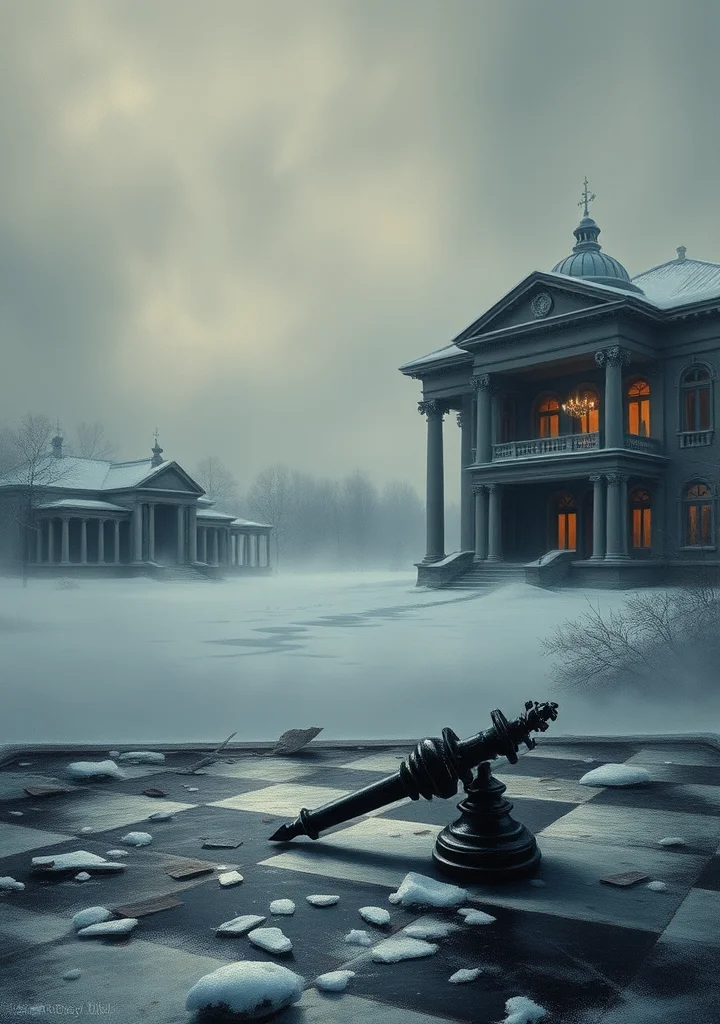
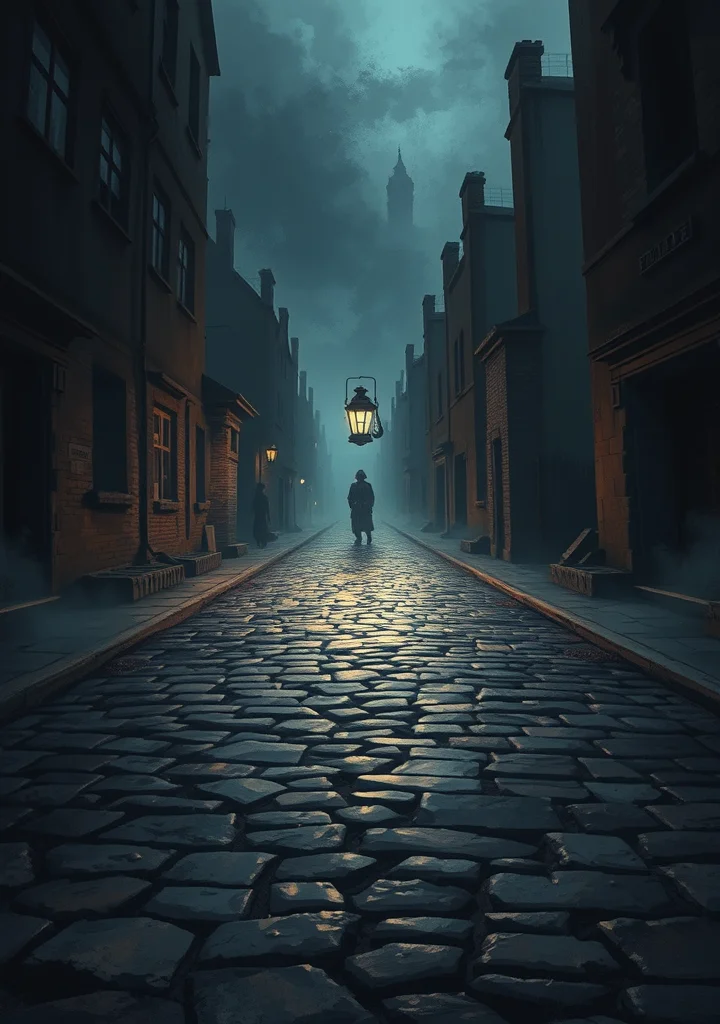
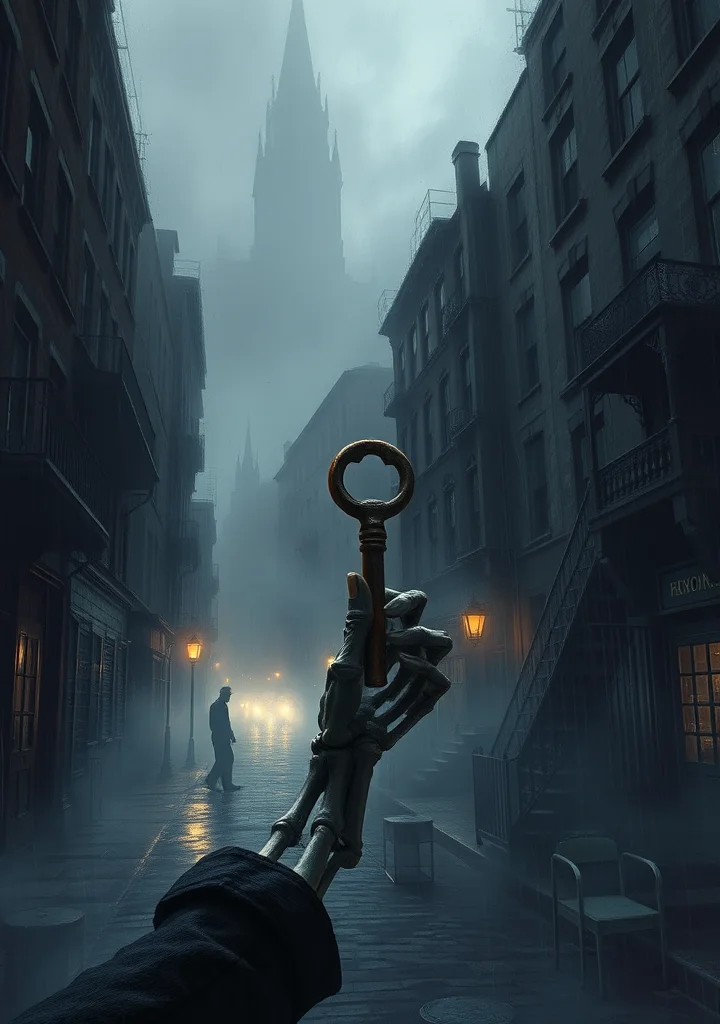
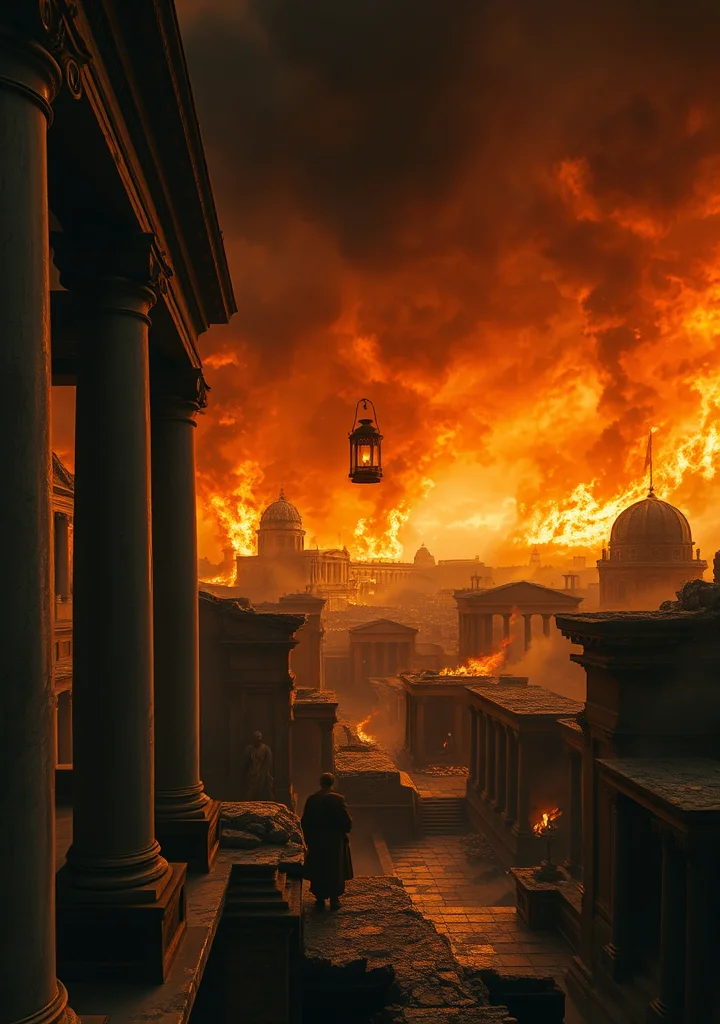
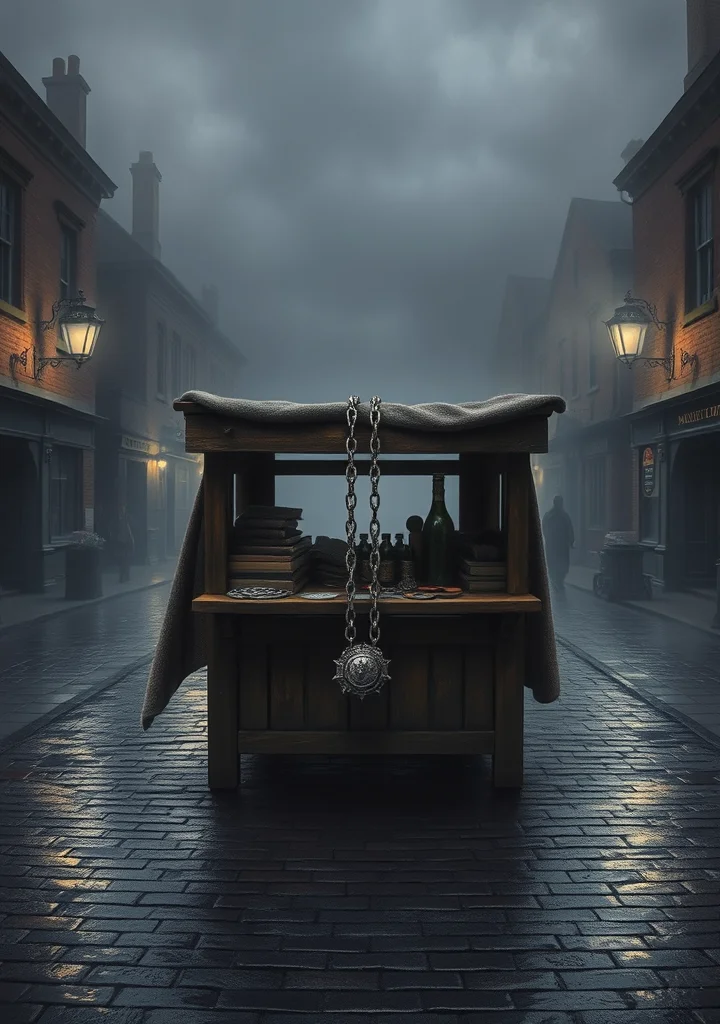
The air hangs thick with the scent of rot and damp earth, clinging to the cobblestones of a Manila steeped in shadow. Thirteen years have passed since the fever dream of rebellion cooled, yet the embers of discontent still smolder beneath a veneer of Spanish decree. This is not a tale of open blades and gunpowder, but one of creeping tendrils of corruption, slowly choking the life from a nation’s heart.
The protagonist, Simoun, is a phantom born of grief and vengeance, cloaked in the guise of a wealthy jeweler. He moves through the opulent salons and shadowed alleys, a silent architect of a reckoning long deferred. His presence is a subtle erosion, a corrosive elegance that whispers of discontent amongst the privileged, and fuels a desperate hope in the oppressed.
The narrative unfurls like a slow poison, revealing the intricate web of deceit woven by those who profit from suffering. Every gilded cage, every forced smile, every whispered confession is another brick in a mausoleum of broken promises. The streets themselves seem to weep with the weight of injustice, and the flickering lamplight casts elongated shadows that dance with the ghosts of those who perished under the yoke of colonial rule.
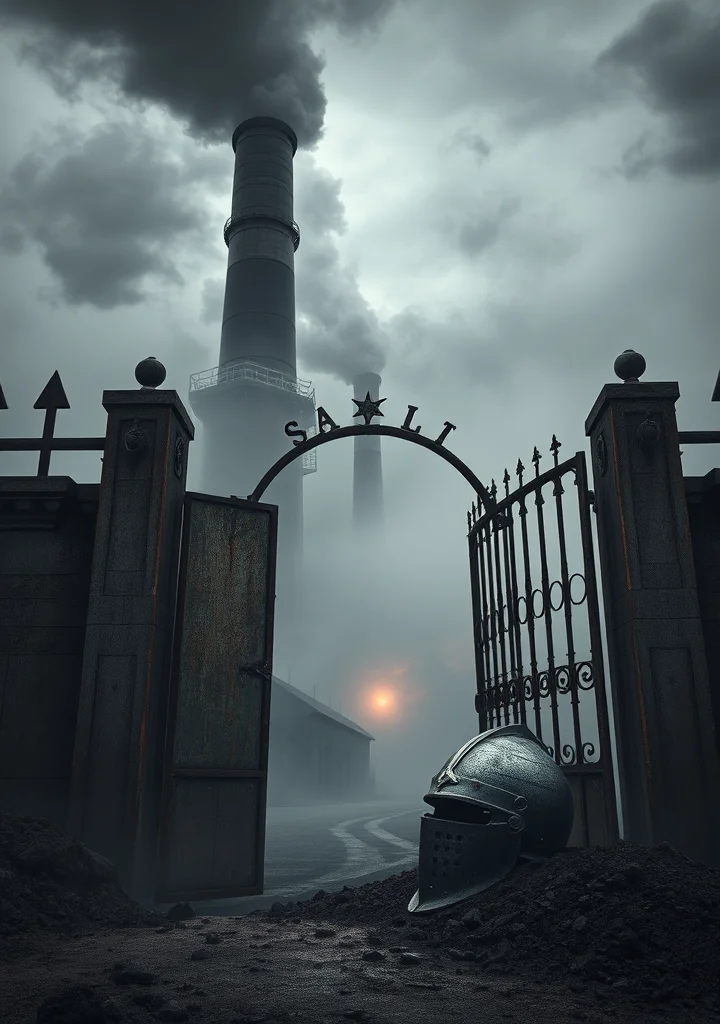
There is a pervasive sense of decay—not merely of physical structures, but of morality, of faith, of the very soul of a people. The scent of jasmine and incense masks the stench of desperation, while the echoes of laughter ring hollow against the backdrop of impending doom. The narrative is a descent into a labyrinth of shadowed motives, where the line between savior and destroyer blurs with each passing chapter, leaving the reader gasping for breath in a suffocating atmosphere of betrayal and simmering rage. This is a story where hope itself is a flickering candle threatened by the suffocating darkness.
Copyright: Public Domain
This license allows anyone to use your story for any purpose, including printing, selling, or adapting it into a film freely.
This license allows anyone to use your story for any purpose, including printing, selling, or adapting it into a film freely.
Chapter List
-
« El Filibusterismo »📖 Continue Reading
-
« Translator’s Introduction »
-
« Chapter_4 »
-
« Chapter_6 »
-
« II »
-
« Chapter_8 »
-
« IV »
-
« V »
-
« VI »
-
« VII »
-
« VIII »
-
« IX »
-
« X »
-
« XI »
-
« XII »
-
« XIII »
-
« XIV »
-
« XV »
-
« XVI »
-
« XVII »
-
« XVIII »
-
« XIX »
-
« XX »
-
« XXI »
-
« XXII »
-
« XXIII »
-
« Chapter_29 »
-
« XXV »
-
« XXVI »
-
« Chapter_32 »
-
« XXVIII »
-
« Chapter_34 »
-
« XXX »
-
« Chapter_36 »
-
« XXXII »
-
« XXXIII »
-
« XXXIV »
-
« Chapter_40 »
-
« XXXVI »
-
« Chapter_42 »
-
« XXXVIII »
-
« XXXIX »
-
« Glossary »
43
-
« El Filibusterismo »
-
« Translator’s Introduction »
-
« Chapter_4 »
-
« Chapter_6 »
-
« II »
-
« Chapter_8 »
-
« IV »
-
« V »
-
« VI »
-
« VII »
-
« VIII »
-
« IX »
-
« X »
-
« XI »
-
« XII »
-
« XIII »
-
« XIV »
-
« XV »
-
« XVI »
-
« XVII »
-
« XVIII »
-
« XIX »
-
« XX »
-
« XXI »
-
« XXII »
-
« XXIII »
-
« Chapter_29 »
-
« XXV »
-
« XXVI »
-
« Chapter_32 »
-
« XXVIII »
-
« Chapter_34 »
-
« XXX »
-
« Chapter_36 »
-
« XXXII »
-
« XXXIII »
-
« XXXIV »
-
« Chapter_40 »
-
« XXXVI »
-
« Chapter_42 »
-
« XXXVIII »
-
« XXXIX »
-
« Glossary »
More like this