
-
Read 198
-
0
-
Part 9
Completed, First published Mar 02, 2026
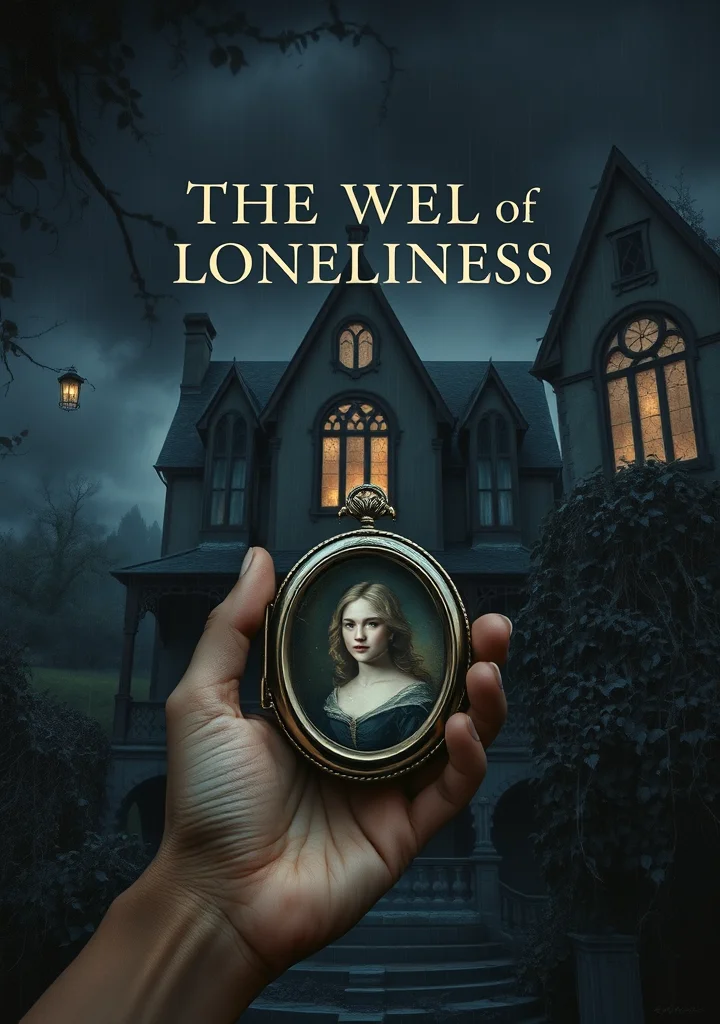
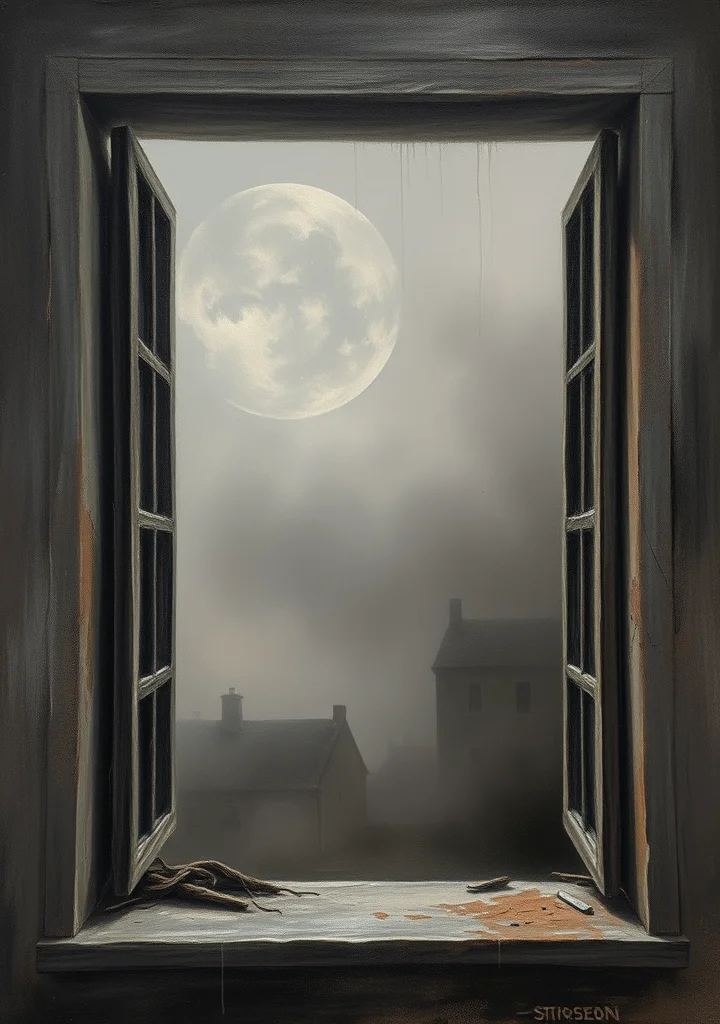
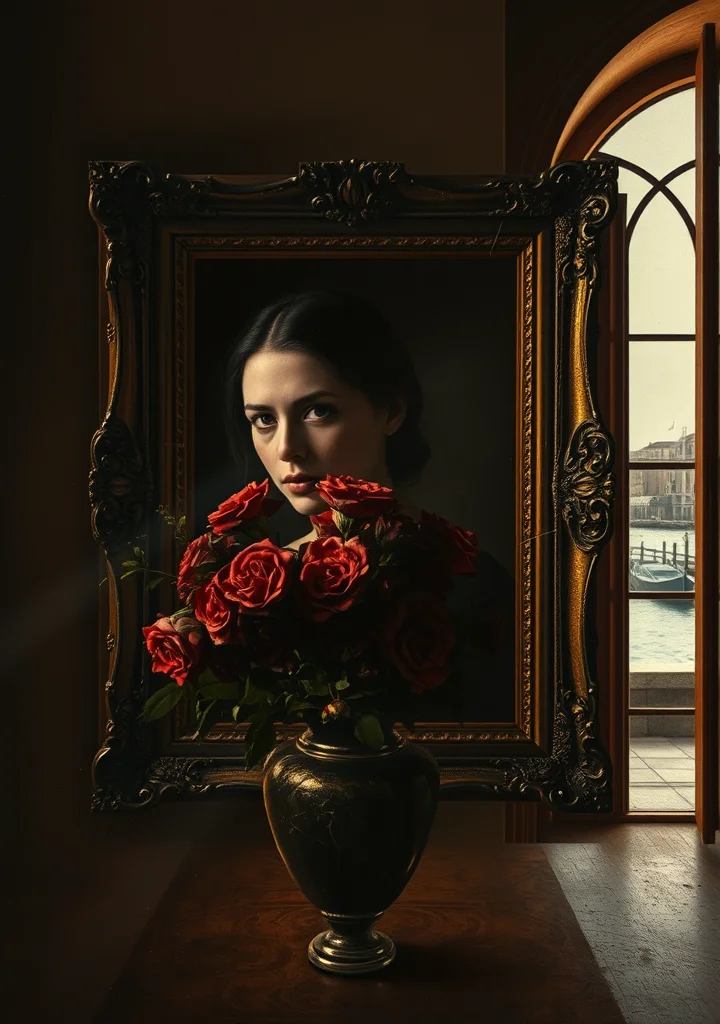
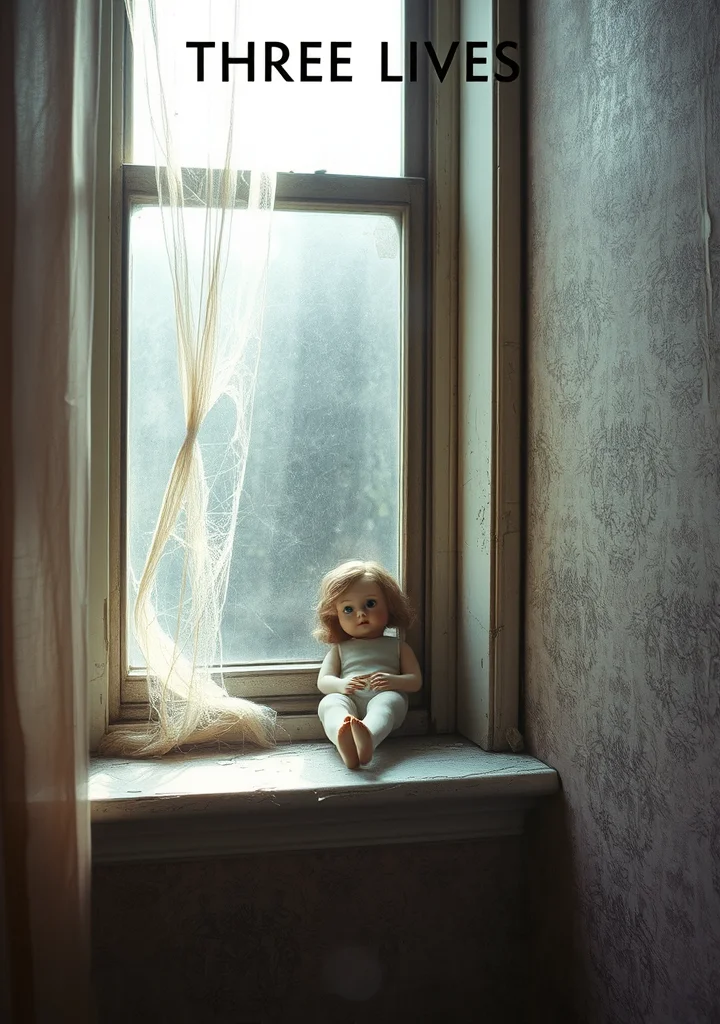
The salt-stained windows of a Pennsylvania boarding house breathe with the ghosts of women unseen, unheard, yet woven into the very fabric of the walls. A slow seepage of memory, of lives measured not in years but in the weight of unwritten letters, the chill of rooms left empty too long. This is not a story of grand tragedy, but of the quiet rot of repetition, the endless, looping corridors of domesticity. Each woman – the mother, the daughter, the other – exists as a fractured reflection, their identities bleeding into one another like watercolor stains on damp paper. The house itself is a character, a decaying archive of their unfulfilled longings. A perpetual twilight clings to the rooms, thick with the scent of dust and fading linen. The narrative drifts, a half-remembered dream, mirroring the fragmented consciousness of its subjects. A sense of being observed, of unseen presences lingering just beyond the periphery, permeates every sentence. It’s a study in the unmaking of self, the erosion of certainty, where the boundaries between past and present, reality and recollection, dissolve into a suffocating stillness. The weight of unspoken desires, the ache of lives lived in perpetual waiting, settles like a layer of frost on the windowpanes. It is a house of echoes, and within it, three lives unravel, not with a dramatic rupture, but with the slow, insidious grace of a dying ember.
Copyright: Public Domain
This license allows anyone to use your story for any purpose, including printing, selling, or adapting it into a film freely.
This license allows anyone to use your story for any purpose, including printing, selling, or adapting it into a film freely.
More like this