
-
Read 481
-
0
-
Part 33
Completed, First published Mar 02, 2026
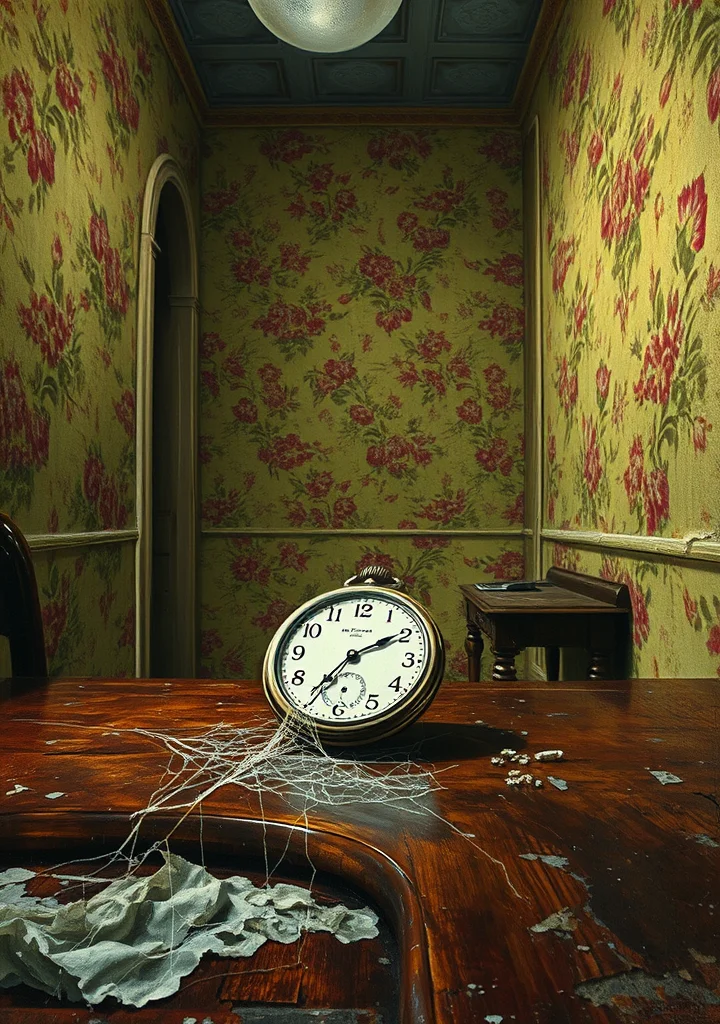
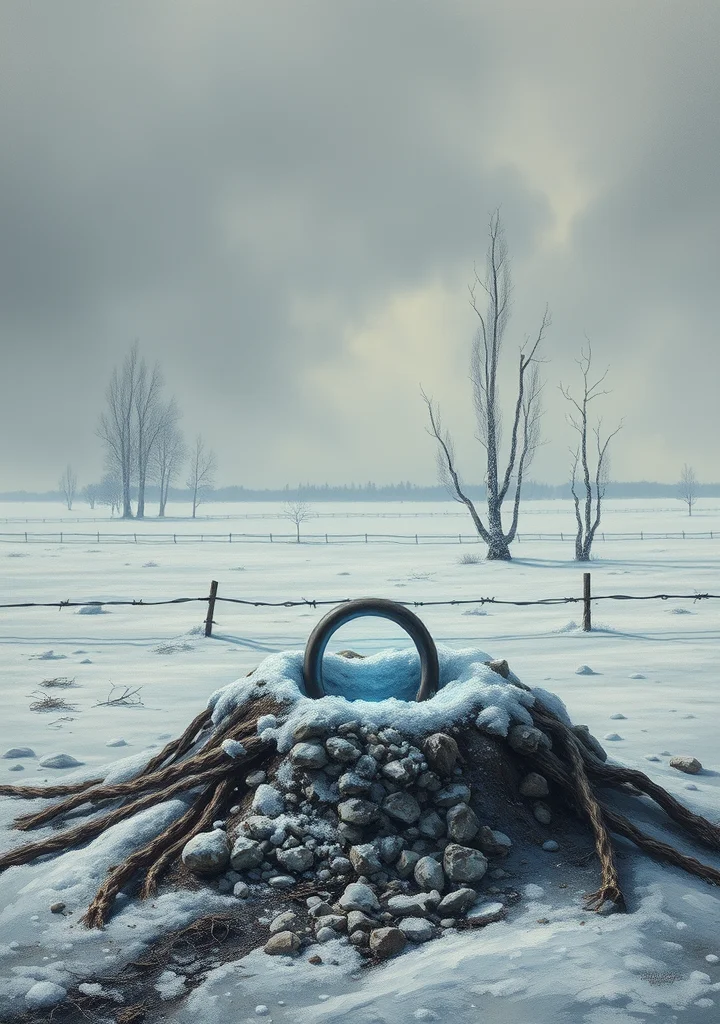
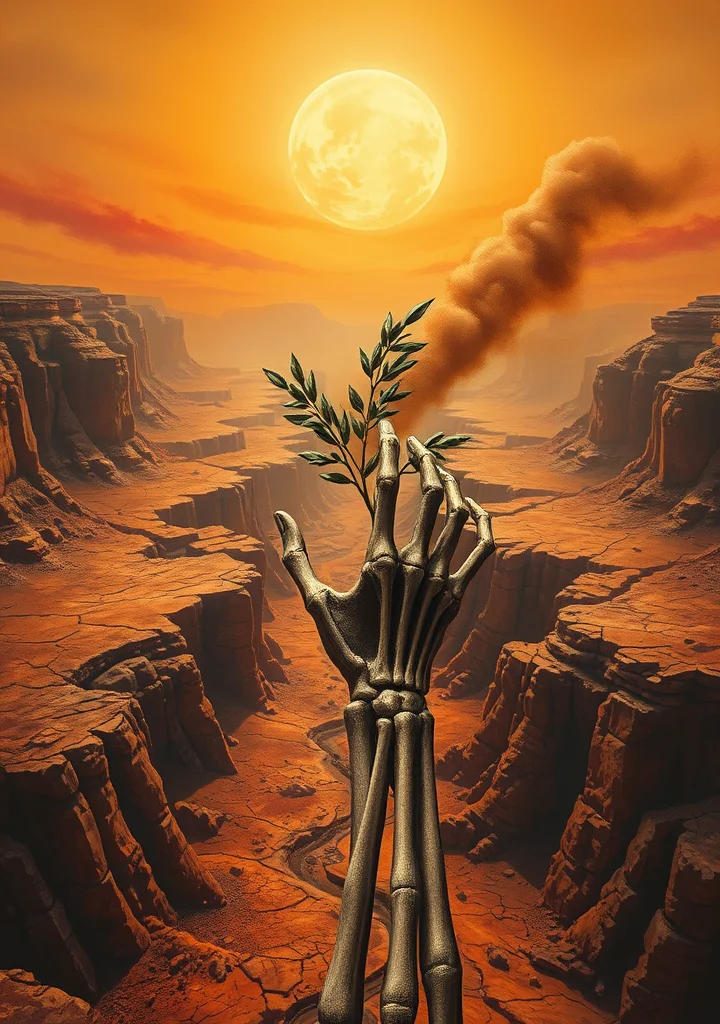
A creeping dread clings to the sun-bleached bones of Candide’s world, a land sculpted by the whims of cruelty and masked in a brittle optimism. Though ostensibly a journey, it’s a descent into a fractured Eden, where each paradise discovered is immediately poisoned by rot. The air hangs thick with the scent of burnt villages and the echoing screams of the violated. It is not merely misfortune that stalks Candide, but a deliberate unraveling of grace, a slow bleed of hope into a landscape of ash. The narrative chills like a winter wind through a charnel house, each encounter—from the Lisbon earthquake to the horrors of El Dorado—a shard of glass twisting in a fresh wound. A feverish, relentless pacing mirrors the protagonist’s flight, but also the tightening noose of despair. The gilded cages of the aristocracy are as terrifying as the savagery of the battlefield; both built upon a foundation of casual barbarity. There is a perverse elegance to the suffering, a meticulously crafted decay that clings to the skin long after the final page is turned. It is a world where innocence is not protected, but meticulously dissected, leaving only the hollow echo of a broken faith. The laughter feels brittle, brittle enough to shatter with the next tremor of the earth.
Copyright: Public Domain
This license allows anyone to use your story for any purpose, including printing, selling, or adapting it into a film freely.
This license allows anyone to use your story for any purpose, including printing, selling, or adapting it into a film freely.
Chapter List
-
« Candide »📖 Continue Reading
-
« Introduction »
-
« Candide »
-
« I »
-
« II »
-
« III »
-
« IV »
-
« V »
-
« VI »
-
« VII »
-
« VIII »
-
« IX »
-
« X »
-
« XI »
-
« XII »
-
« XIII »
-
« XIV »
-
« XV »
-
« XVI »
-
« XVII »
-
« XVIII »
-
« XIX »
-
« XX »
-
« XXI »
-
« XXII »
-
« XXIII »
-
« XXIV »
-
« XXV »
-
« XXVI »
-
« XXVII »
-
« XXVIII »
-
« XXIX »
-
« XXX »
More like this