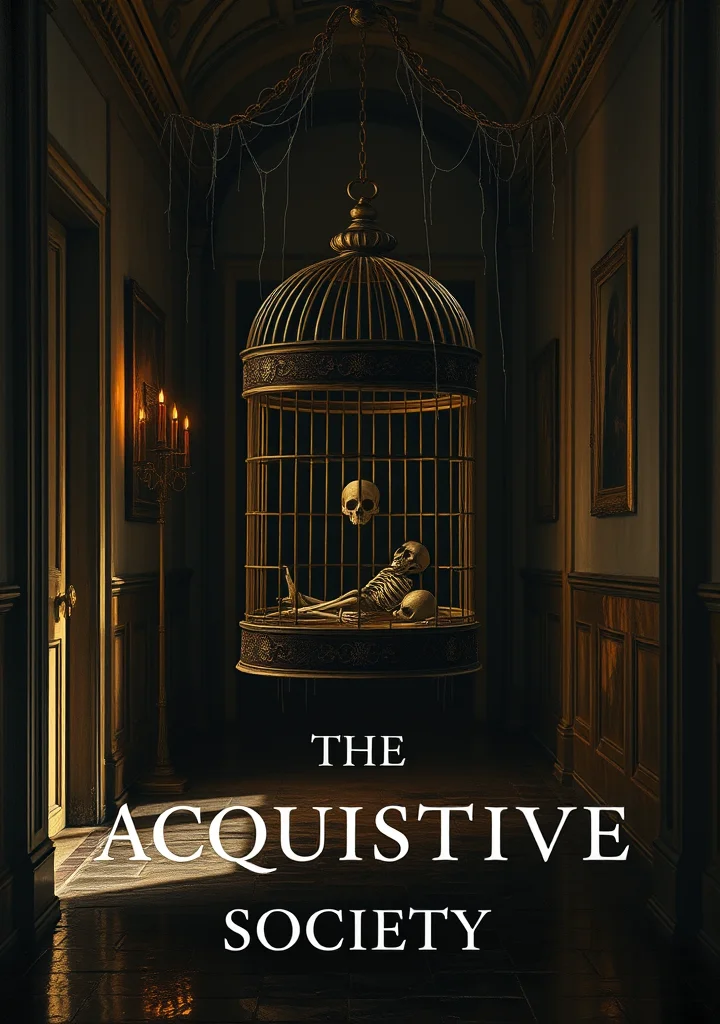

The Acquisitive Society
  • 58
  • 0
  • 13
  • Reads 58
  • 0
  • Part 13
Completed, First published Mar 02, 2026

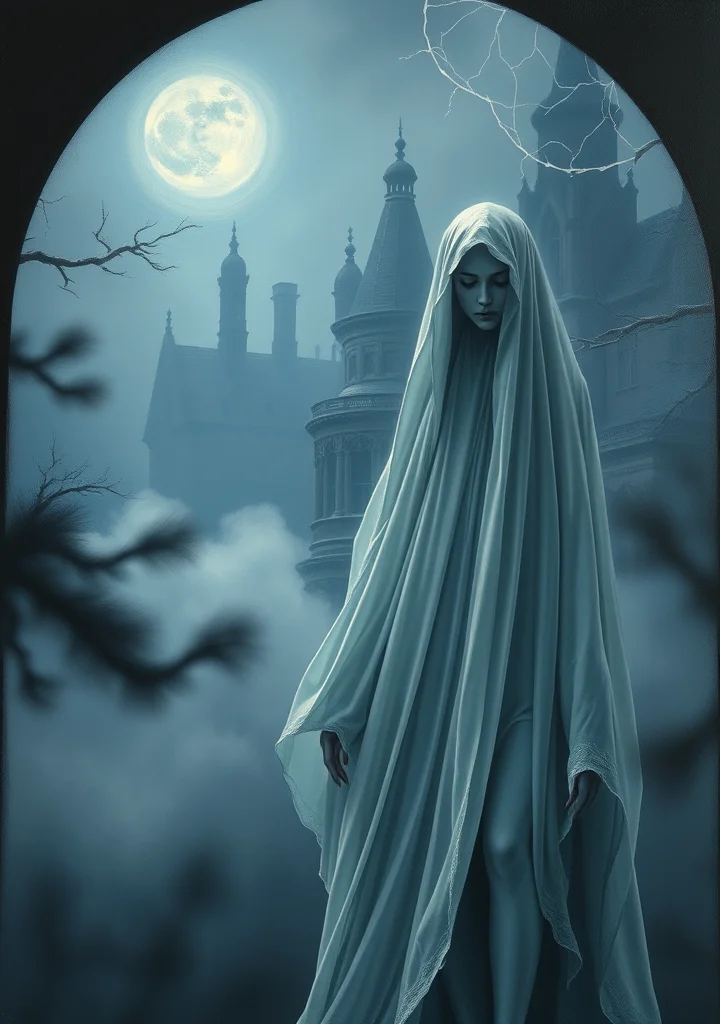
A creeping dampness clings to the cobblestones of Harrowgate, mirroring the rot within the gilded cages of its elite. Tawney’s narrative exhumes a city suffocated not by plague, but by insatiable appetite—a hunger for legacy, for possessions, for the very husks of lives consumed by ambition. Each manor house exhales secrets in the draughty hallways, whispers of fortunes built on shadowed deals and the slow, deliberate erasure of inconvenient kin. The air is thick with the scent of beeswax polish masking decay, of velvet drapes concealing dust-motes dancing in the perpetual twilight. A brittle elegance permeates everything, a performance of refinement barely masking the desperation beneath. The protagonist, a scholar of inherited debts, is drawn into a labyrinth of estates where the acquisition of wealth has birthed a monstrous lineage, each heir a parasite feeding on the dwindling inheritance of their predecessors. Shadows stretch long from the gas lamps, revealing not merely figures in the gloom, but the spectral remnants of those whose possessions were claimed—their faces etched into the very wallpaper, their voices woven into the fabric of the antique furniture. The true horror isn’t the taking of things, but the hollowness that remains when everything has been bought and sold, leaving only the echoing emptiness of a soul willingly traded for another’s gain. A creeping dread permeates every room, a sense of being watched by the objects themselves, each piece of furniture a silent judge, each portrait a veiled accusation.
Copyright: Public Domain
This license allows anyone to use your story for any purpose, including printing, selling, or adapting it into a film freely.
Recommended for you
10 Part
A creeping fog clings to the crumbling tenements of industrial cities, mirroring the stagnation within the minds of their inhabitants. This is not a tale of spectral hauntings, but of a more insidious decay—the erosion of connection, the calcification of habit. Within the labyrinthine streets, shadowed by factory smoke, faces blur, indistinguishable in their compliance. A suffocating sense of isolation permeates each brick edifice, each cobbled lane, a despair born not of malice, but of apathy. The narrative unfolds as a slow, suffocating descent into a world where individual will has been subsumed by the cold logic of the machine. Every transaction, every gesture, is a repetition of the meaningless. The weight of expectation, a leaden shroud, smothers any spark of genuine exchange. Voices, once vibrant with dissent, are reduced to murmurs, swallowed by the echoing chambers of a society built on pretense. A pervasive melancholy settles upon the reader, as they witness the quiet disintegration of shared purpose. The architecture itself seems to mourn, its decaying grandeur reflecting the decay of the civic spirit. A sense of dread permeates the very air—not a sudden, violent horror, but the chilling realization that the rot has taken root, and the edifice of public life is crumbling from within, leaving only hollow shells of expectation and regret. The silence is the loudest terror, a testament to the problem’s insidious, irreversible grip.
40 Part
Beneath a cyclopean stone, older than continents, lies a darkness mirroring the abyss of prehistory. Merritt’s Moon Pool is not merely a story of exploration, but a descent into a primeval nightmare sculpted from living rock and phosphorescent decay. The air hangs thick with the scent of brine and something ancient, something *wrong*—a fragrance of cyclopean carvings and the echoing cries of creatures birthed from lunar madness. Here, where the sun’s touch feels like a violation, the narrative clings to the slick, obsidian walls of a cavern carved by hands that predate humankind. A creeping dread permeates every passage, as the protagonists, drawn by obsession and the promise of immortality, find themselves swallowed by a world where the boundaries between dream and reality dissolve. The Pool itself pulses with a sickly luminescence, a beckoning grave for those who dare to gaze upon its depths. The architecture is less built than *grown*, a calcified labyrinth of forgotten gods and the skeletal remains of civilizations consumed by the stone. It is a place where the echoes of screams mingle with the rhythmic drip of water, and where the only certainty is the suffocating weight of the moon’s cold, unblinking gaze. Every shadow conceals something monstrous, every silence harbors the breath of something utterly alien. The narrative unfolds not as a progression, but as a slow, agonizing erosion of sanity, mirroring the slow dissolution of the explorers into the very stone that birthed their doom.
35 Part
Dust motes dance in the perpetual twilight of Procopius’s *The Secret History*, a novel steeped in the scent of decaying parchment and the chill of forgotten crypts. The narrative unfolds not as a chronicle of events, but as a slow erosion of sanity within the crumbling walls of a secluded manor—Blackwood Hall—where shadows cling to every surface and whispers coil like serpents in the corridors. A family, fractured by generations of inherited madness and a pact with something ancient and hungry, unravels under the weight of their ancestral sins. The prose itself is a creeping vine, strangling the reader with baroque sentences and suffocating detail. Each chapter bleeds into the next, mirroring the Hall’s labyrinthine layout and the blurring of reality within its confines. A suffocating dread permeates every page, born not of overt horror, but of the insidious suggestion that the very stones of Blackwood Hall remember every atrocity committed within its walls. The story is told through fragmented diary entries, brittle letters, and the testimony of a fever-haunted caretaker—voices warped by isolation and the encroaching darkness. The air thickens with the scent of brine and rot, with the distant tolling of unseen bells and the faint, rhythmic dripping of water—always water—from somewhere deep within the Hall’s foundations. It is a history not of kings and conquests, but of rot and ruin, a testament to the suffocating power of silence, and the monstrous legacy left to those who inherit the weight of secrets better left undisturbed. The reader is left to wander the echoing chambers alongside the doomed characters, breathing in the same poisoned air, and ultimately, to question if Blackwood Hall has claimed not just its inhabitants, but a piece of their own soul as well.
24 Part
A creeping dread clings to the salt-laced air around the Gables, a house steeped in the shadowed legacy of Pyncheons and their avarice. Within its decaying timbers, generations of sorrow have woven themselves into the very mortar, a silent chorus of regret echoing through dust-laden chambers. The scent of brine and decay permeates every corner, mingling with the spectral weight of unfulfilled desires. Sunlight seems to falter before reaching its gabled peaks, as if the house itself actively resists illumination. A stifling claustrophobia settles upon all who enter, born not of cramped spaces but of the suffocating weight of the past. Here, secrets fester like slow-blooming mold, and the line between the living and the dead blurs with each rustle of wind through the withered rose bushes. The house breathes with a mournful cadence, its darkened windows offering glimpses into a world where the sins of ancestors cast long, skeletal shadows, and the yearning for redemption is forever trapped within its crumbling embrace. A palpable sense of isolation permeates the narrative, a sense that the Gables stand not merely as a dwelling, but as a mausoleum for a fractured lineage, slowly succumbing to the rot of time and the insatiable hunger of its own history. The very stones seem to weep with the weight of forgotten promises, and the silence within is a tangible thing, heavy with the unspoken grief of those who dared to dream within its shadowed walls.