
-
Read 237
-
0
-
Part 13
Completed, First published Mar 02, 2026
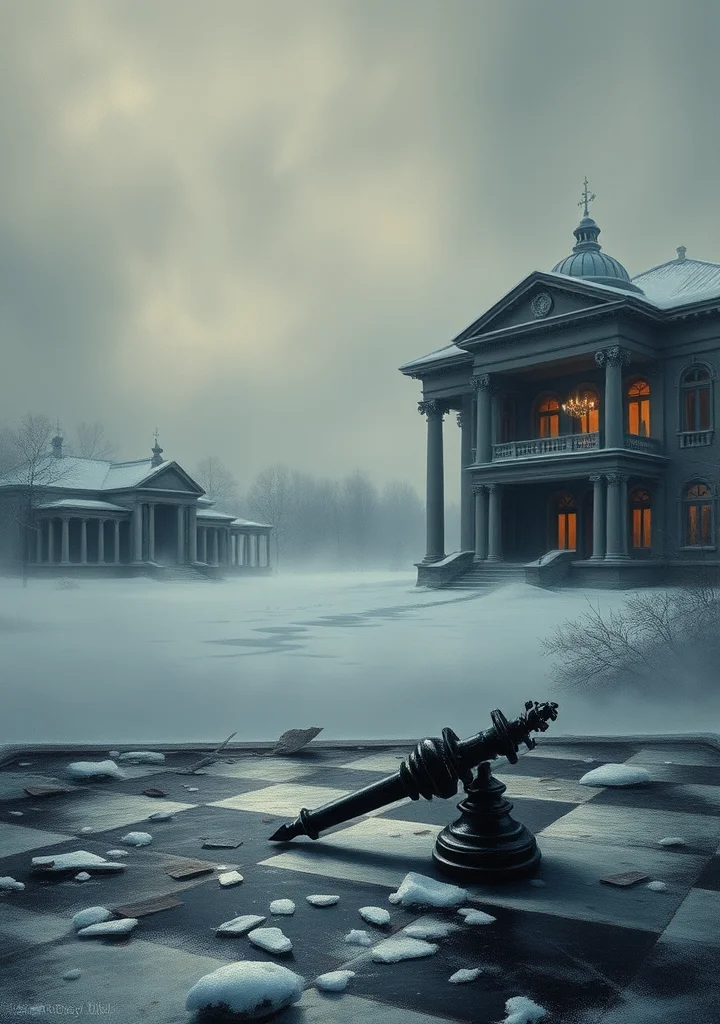
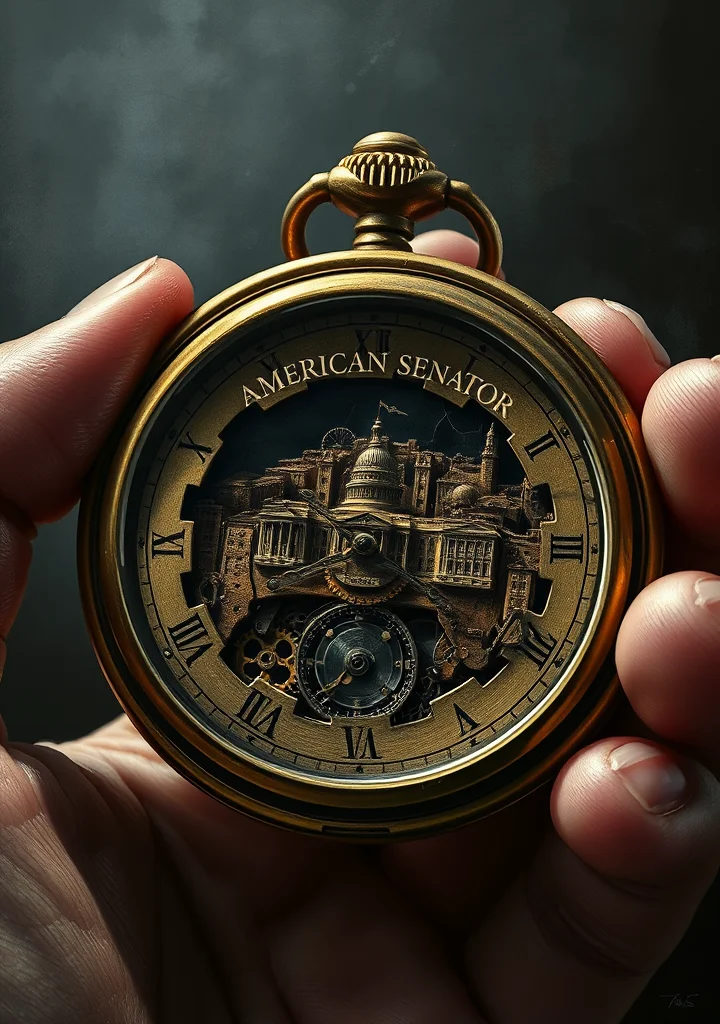
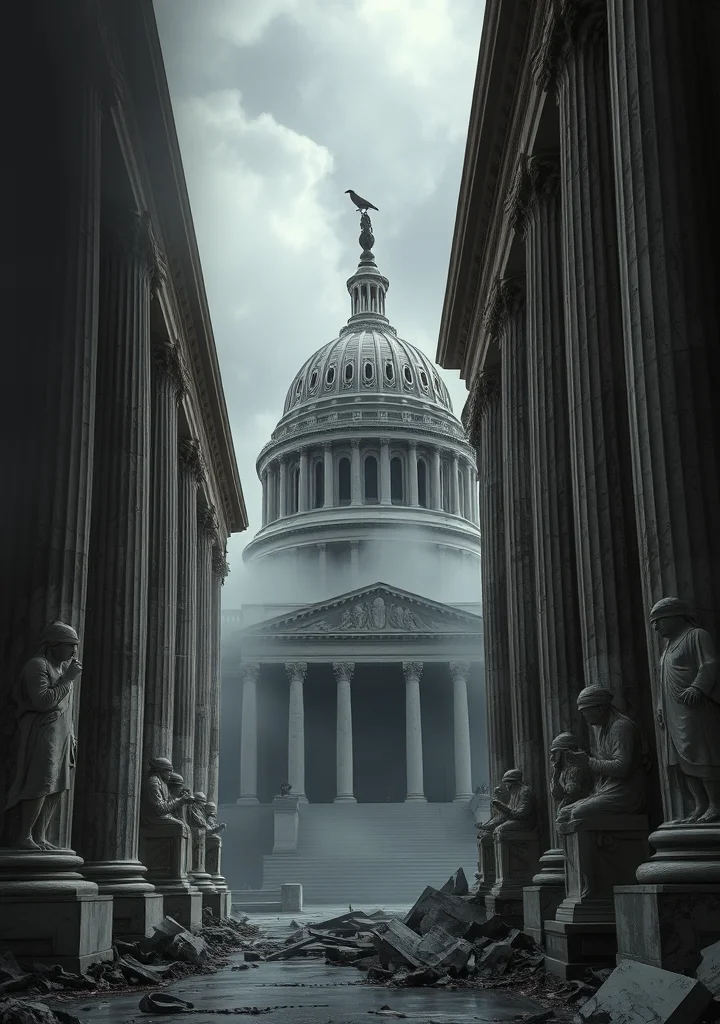
A suffocating fog of disillusionment clings to the late nineteenth century, thickening with each failed promise of progress. Adams doesn’t offer narrative in the traditional sense, but a spectral autopsy of American ambition. The grand cathedrals of power – Congress, the White House – are rendered not as bastions of liberty, but as mausoleums haunted by the ghosts of thwarted ideals. A creeping sense of entropy permeates the prose, mirroring the decay of a gilded age. The weight of history, not celebrated, but felt as a crushing burden, presses down on characters who become less agents of will than pale reflections in a tarnished mirror. It’s a world of iron rails and suffocating parlors, where the machine age doesn't herald liberation, but a tightening of unseen chains. The Virginian railway, a symbol of this nation’s hubris, becomes a cold, steel artery pumping out the lifeblood of a dying aristocracy. The narrative itself is a fractured, fragmented descent into the labyrinth of a fractured republic, a slow unraveling witnessed through the lens of a grieving, spectral observer. It's not a story of triumph, but of a beautiful, terrible erosion – a civilization slowly swallowed by its own shadows.
Copyright: Public Domain
This license allows anyone to use your story for any purpose, including printing, selling, or adapting it into a film freely.
This license allows anyone to use your story for any purpose, including printing, selling, or adapting it into a film freely.
More like this