
-
Read 442
-
0
-
Part 29
Completed, First published Mar 02, 2026
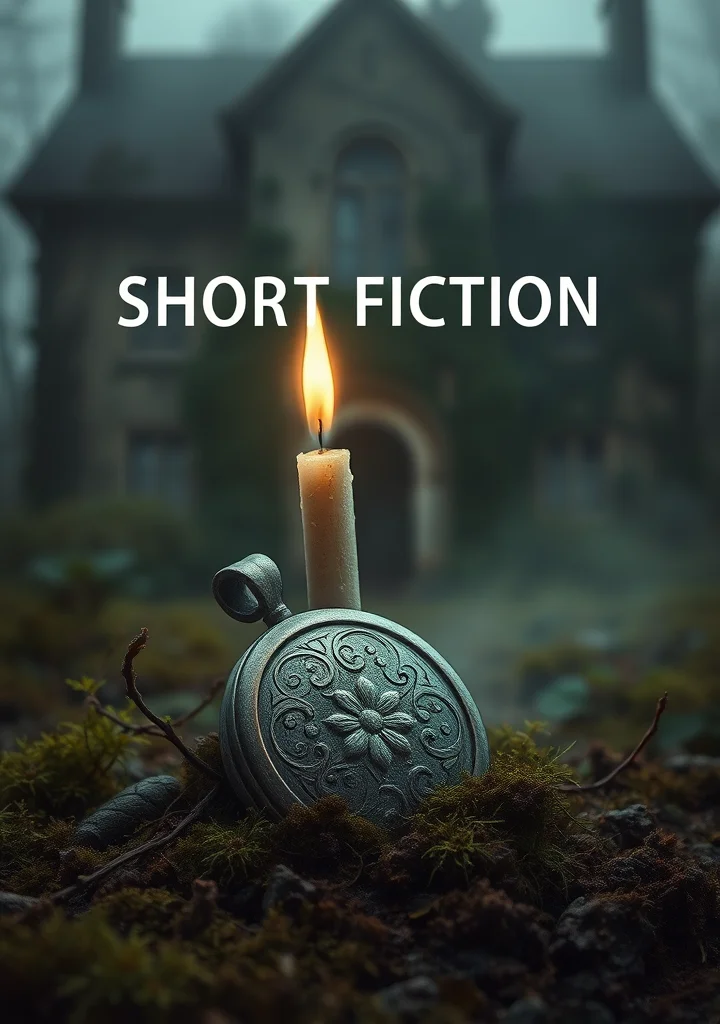
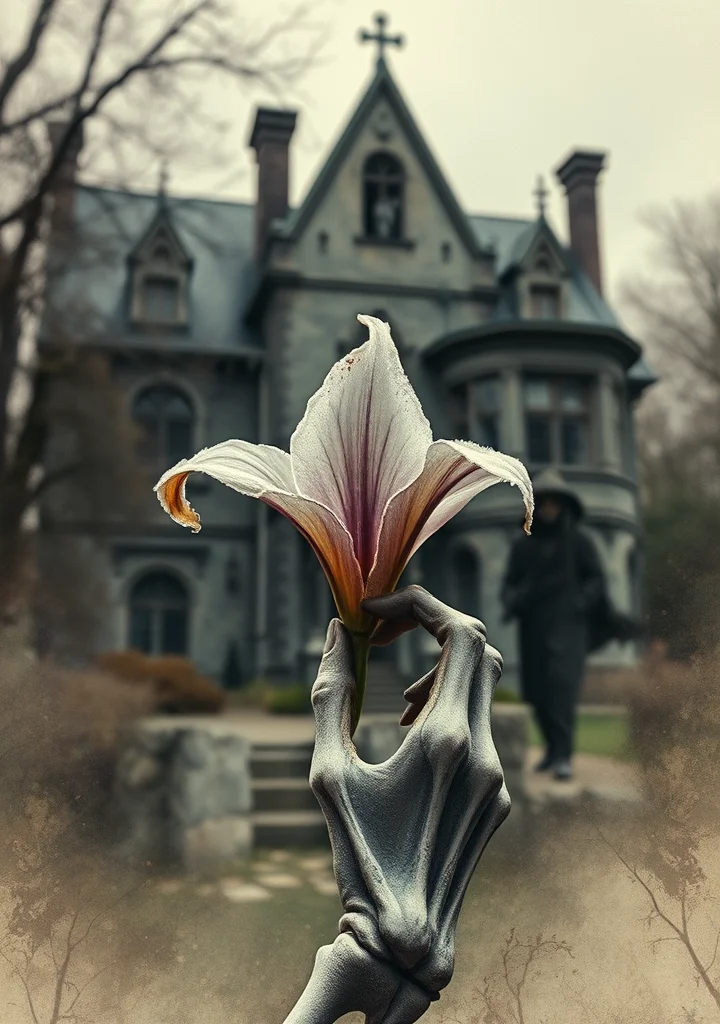
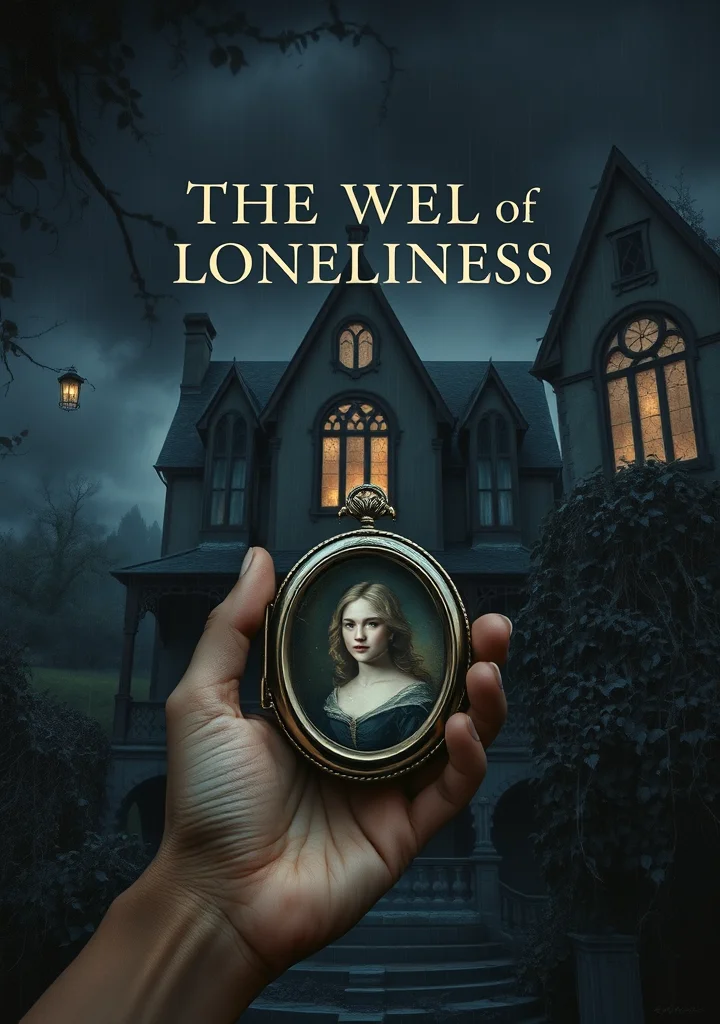
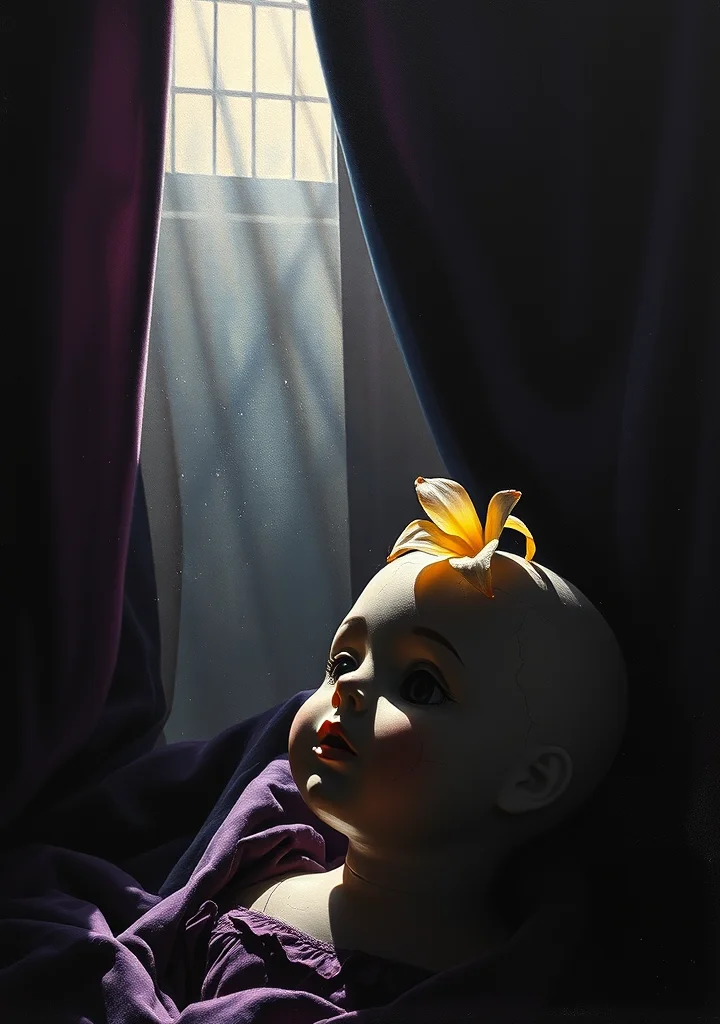
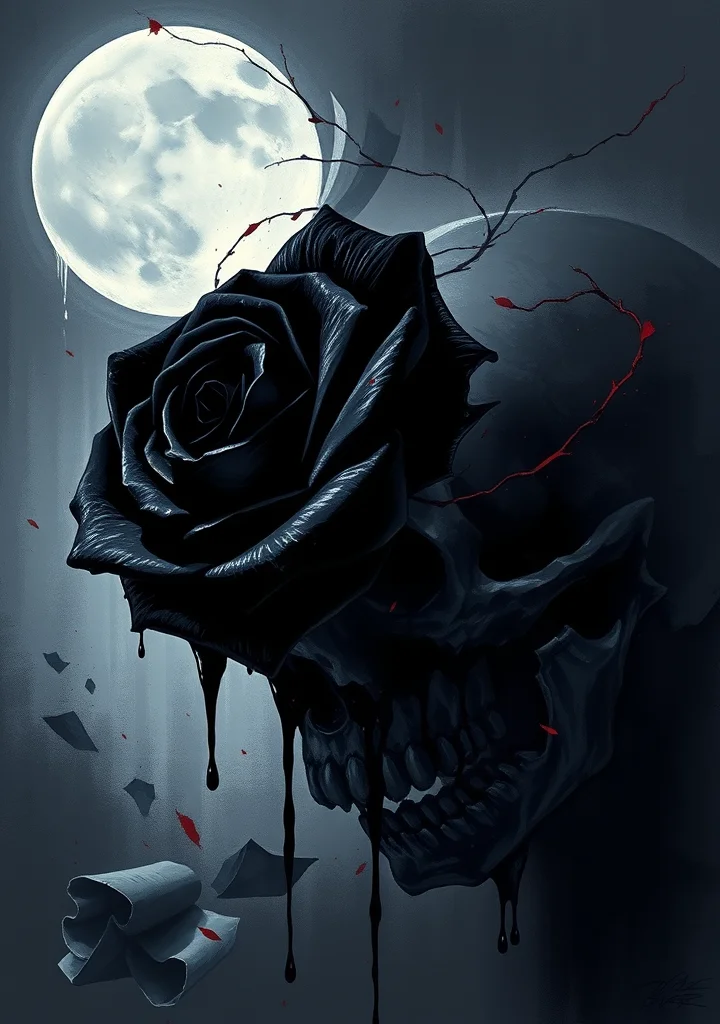
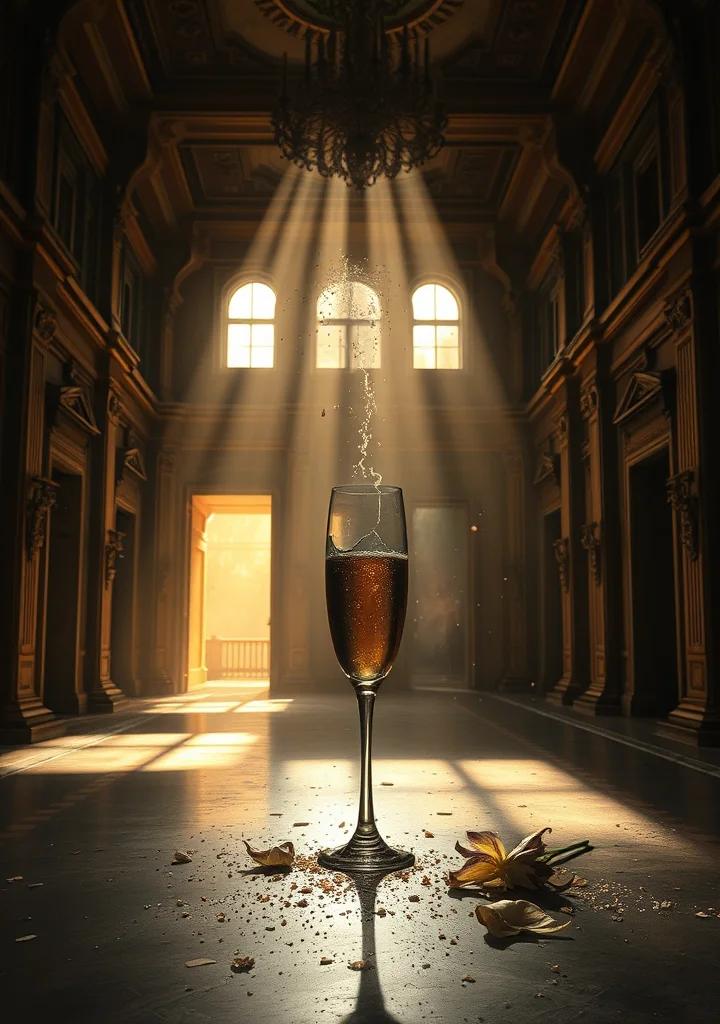
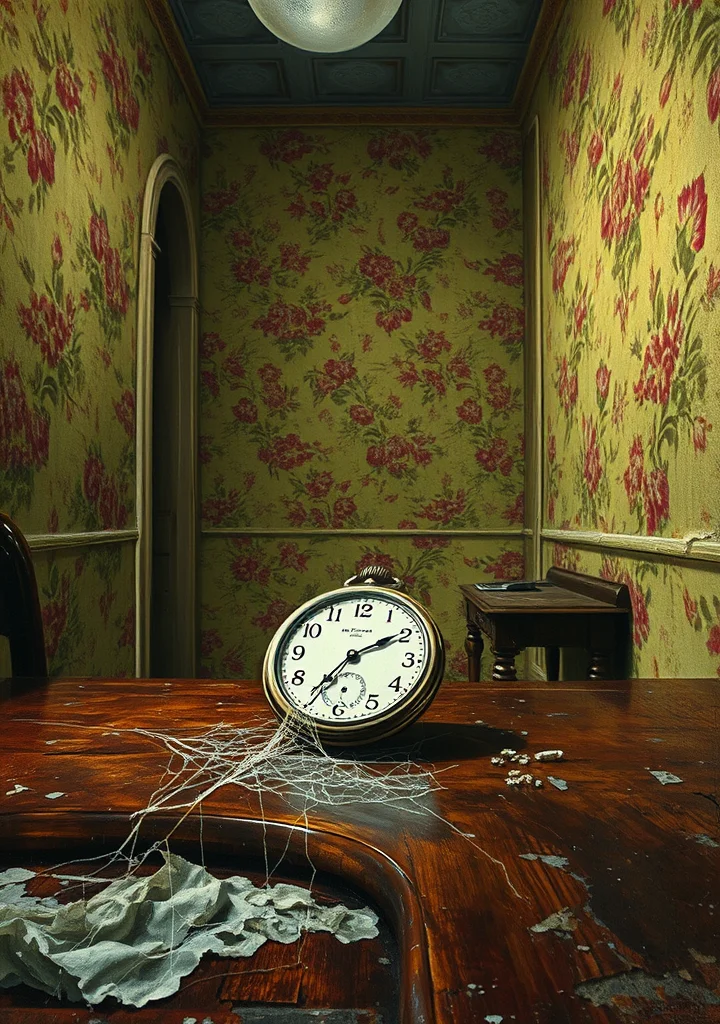
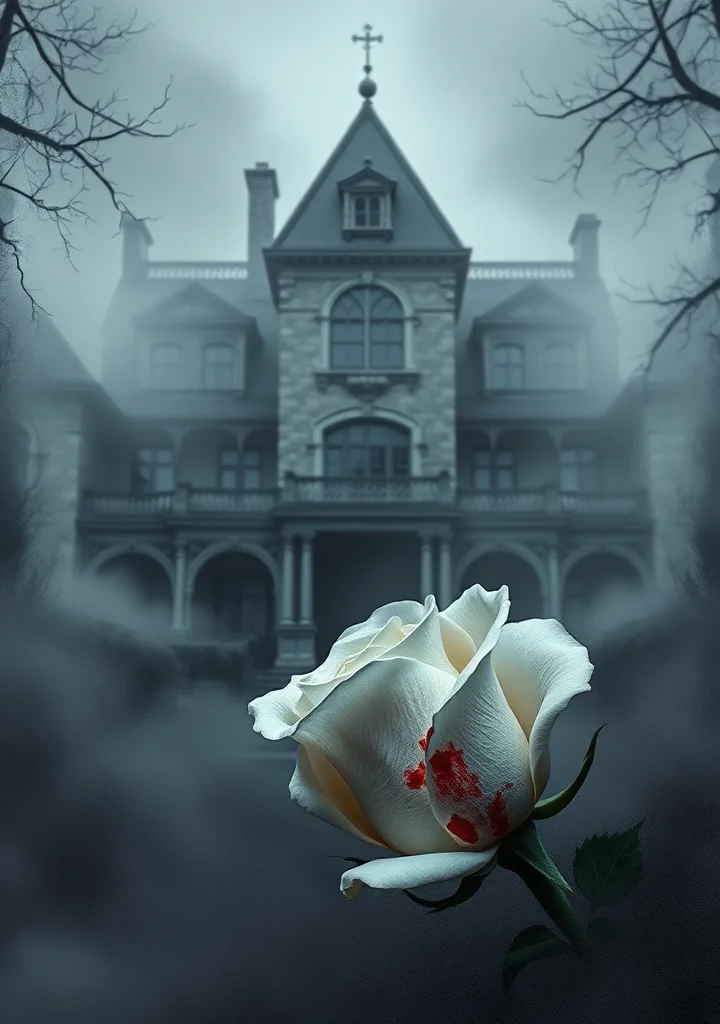
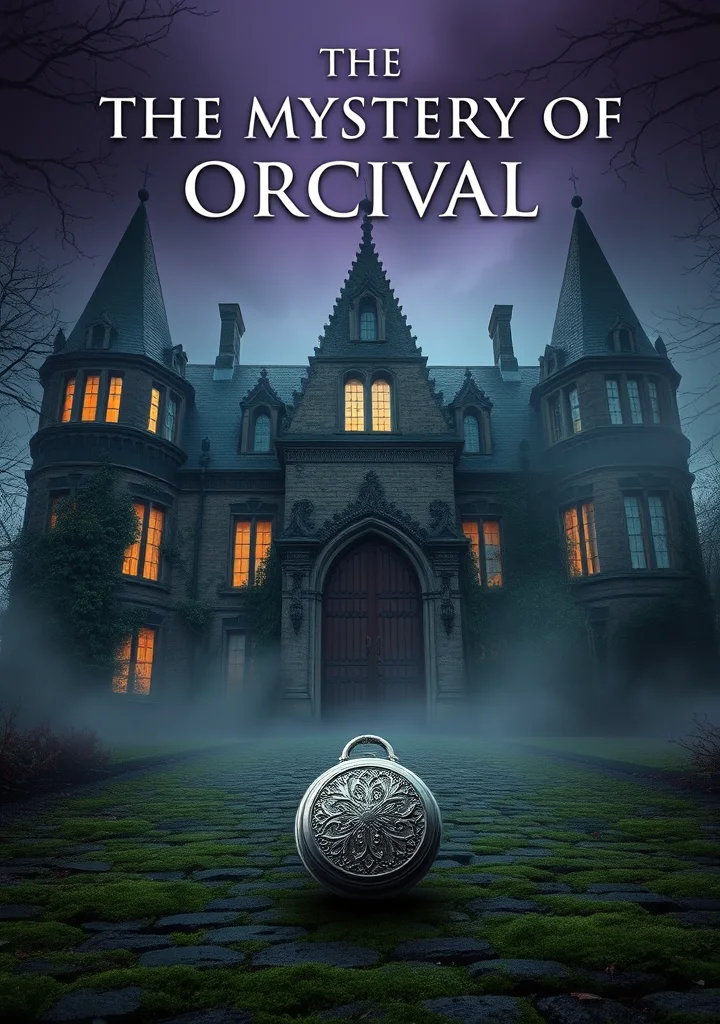
A creeping dread clings to the crumbling chateau of Orcival, where shadows dance with secrets and the scent of decay permeates every stone. The narrative unfolds like a slow unraveling, a tapestry woven with whispers of madness and the weight of ancestral sins. Fog-choked valleys conceal not only the estate, but a legacy of betrayal that festers within the bloodline of the de Orcival family. Each room breathes with the ghosts of forgotten tragedies, the air thick with the suffocating loneliness of its sole inhabitant, the enigmatic marquis.
The story is not one of swift action, but of insidious unraveling, of a mind fractured by isolation and haunted by a past it can no longer comprehend. Sunlight seems to recoil from Orcival’s walls, replaced by a perpetual twilight that mirrors the marquis’s descent into a labyrinth of delusion. Witnesses are scarce, and those who venture near the estate do so under the pallid glow of a waning moon, their testimony fragmented and laced with the chilling certainty of witnessing something utterly…wrong.
The true mystery isn't a single crime, but the suffocating atmosphere itself—a suffocating dread that clings to the reader like cobwebs, leaving one questioning whether the horror resides within the chateau, or within the very heart of the man who dwells within. It is a story steeped in the gothic tradition, where the architecture itself is a character, and every shadow holds a piece of a fragmented truth.
Copyright: Public Domain
This license allows anyone to use your story for any purpose, including printing, selling, or adapting it into a film freely.
This license allows anyone to use your story for any purpose, including printing, selling, or adapting it into a film freely.
More like this