
-
Read 399
-
0
-
Part 19
Completed, First published Mar 02, 2026
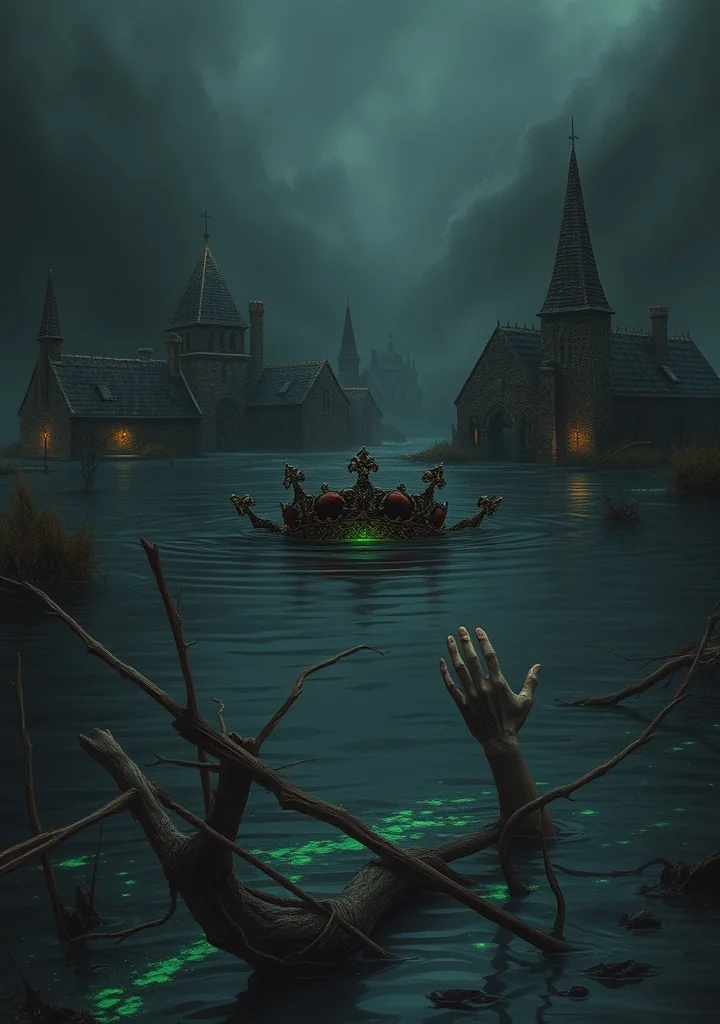
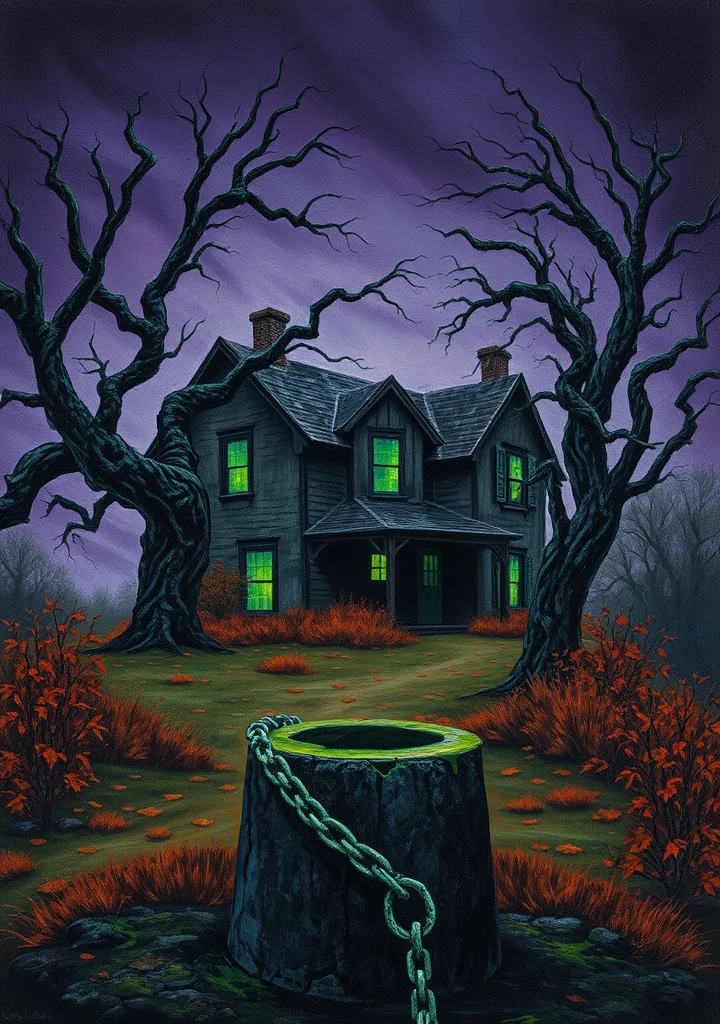
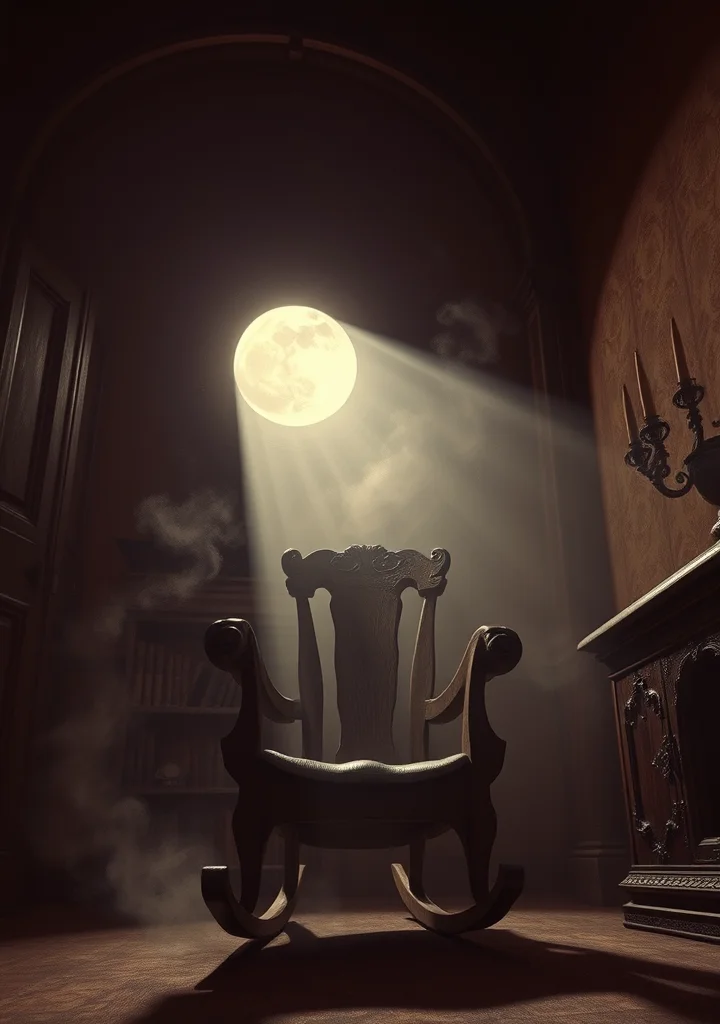
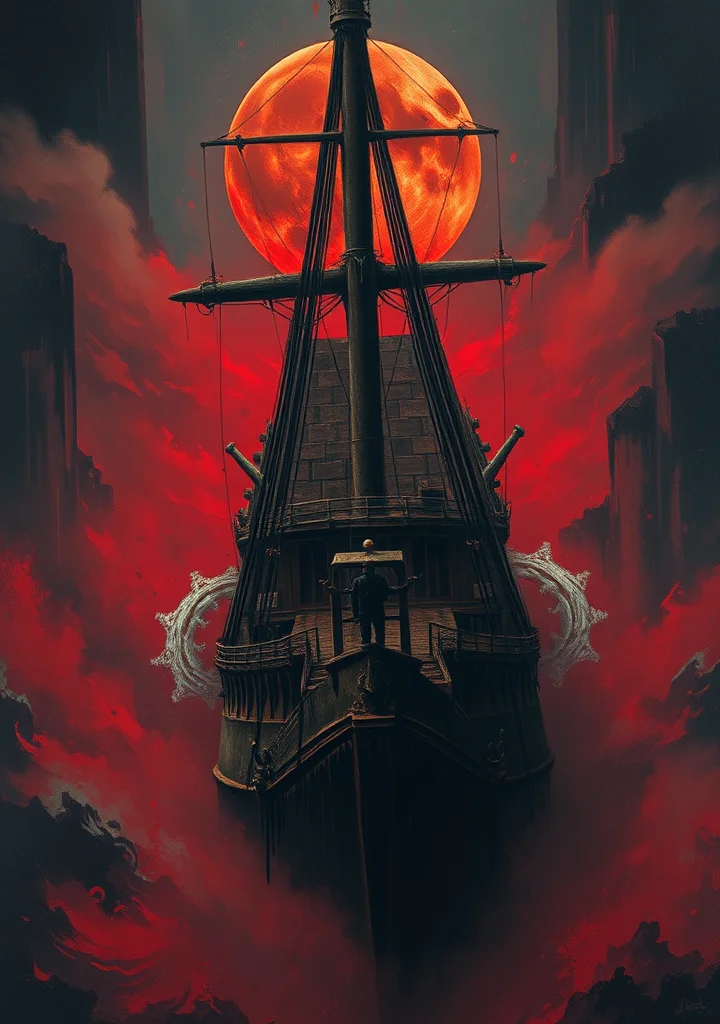
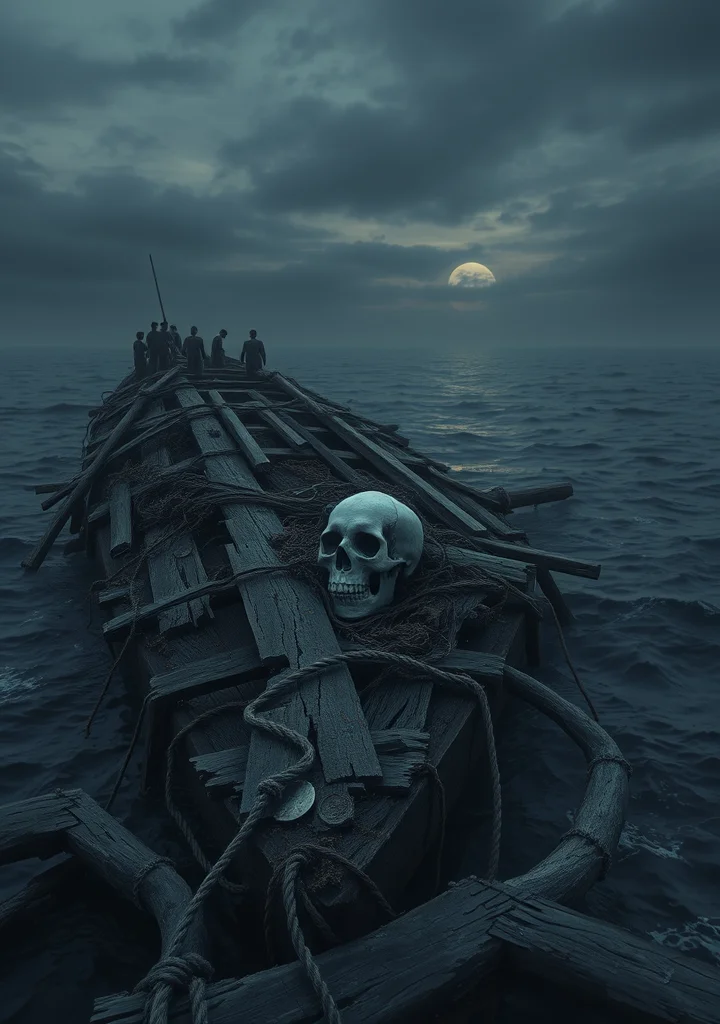
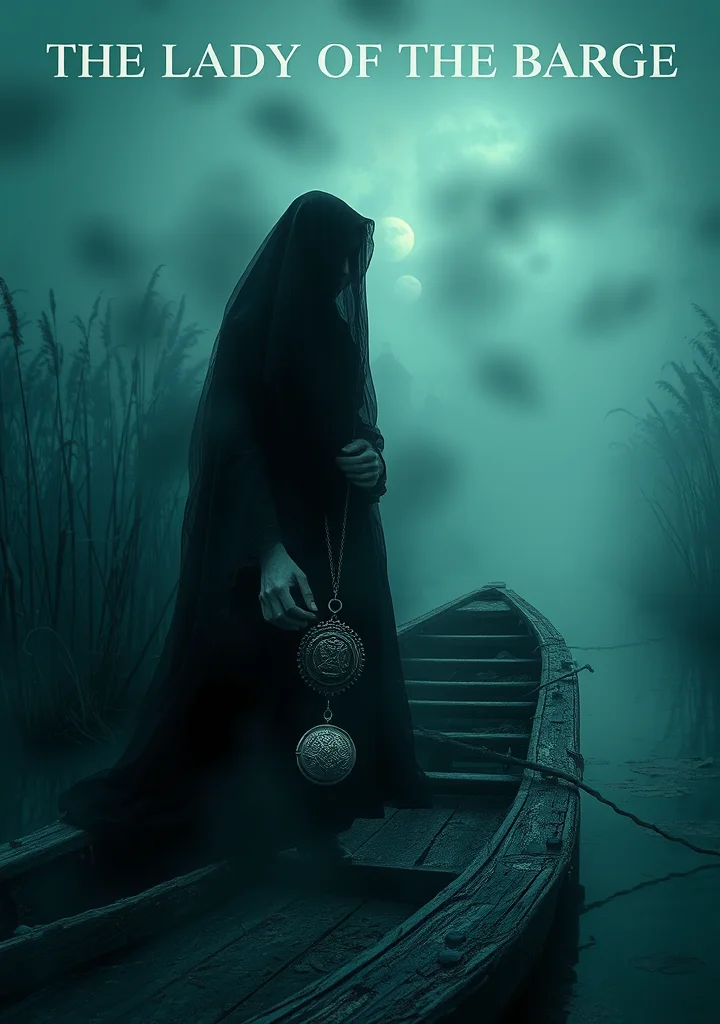
A creeping dread clings to the waterways of Essex, where a spectral woman in mourning drifts along the Blackwater Canal. The air hangs thick with river mist and the scent of decaying reeds, mirroring the rot within the heart of a man haunted by his own greed. She appears only to those burdened by guilt, her face obscured by a veil, her touch colder than the winter tide. Locals whisper of a stolen treasure, a betrayal, and a watery grave. Each sighting is accompanied by the chime of distant bells, a mournful tolling that seems to rise from the very depths of the canal. The barge itself is a tomb afloat, its timbers groaning with the weight of unspeakable sorrow. Shadows stretch long and skeletal across the towpath as she seeks restitution, not with violence, but with a slow, suffocating despair that seeps into the bones of those who dared to profit from another’s demise. The narrative unfolds not as a chase, but as an inexorable descent into a mire of regret, where the line between the living and the dead blurs with every ripple on the stagnant water. The true horror isn’t what she *does*, but what she *represents* – the inescapable echo of a wrong committed, forever tethered to the murky currents of the past.
Copyright: Public Domain
This license allows anyone to use your story for any purpose, including printing, selling, or adapting it into a film freely.
This license allows anyone to use your story for any purpose, including printing, selling, or adapting it into a film freely.
Chapter List
-
« The Lady of the Barge »📖 Continue Reading
-
« The Lady of the Barge »
-
« The Monkey’s Paw »
-
« I »
-
« II »
-
« III »
-
« Bill’s Paper Chase »
-
« The Well »
-
« I »
-
« II »
-
« III »
-
« Cupboard Love »
-
« In the Library »
-
« Captain Rogers »
-
« A Tiger’s Skin »
-
« A Mixed Proposal »
-
« An Adulteration Act »
-
« A Golden Venture »
-
« Three at Table »
19
-
« The Lady of the Barge »
-
« The Lady of the Barge »
-
« The Monkey’s Paw »
-
« I »
-
« II »
-
« III »
-
« Bill’s Paper Chase »
-
« The Well »
-
« I »
-
« II »
-
« III »
-
« Cupboard Love »
-
« In the Library »
-
« Captain Rogers »
-
« A Tiger’s Skin »
-
« A Mixed Proposal »
-
« An Adulteration Act »
-
« A Golden Venture »
-
« Three at Table »
More like this